
Filter
421
Text search:
school
closures
Featured
29
54
Language
Document type
173
73
73
30
23
19
18
7
3
2
Countries / Regions
43
19
16
15
14
13
11
11
10
9
9
9
8
8
8
8
7
7
7
6
6
6
6
5
5
5
5
5
5
4
4
4
4
4
4
4
3
3
3
3
3
3
3
3
3
2
2
2
2
2
2
2
2
2
2
2
2
2
2
1
1
1
1
1
1
1
1
1
1
1
1
1
1
1
1
1
1
1
1
1
1
1
1
1
Authors & Publishers
Publication Years
Category
164
21
9
7
4
3
1
Toolboxes
228
34
29
21
21
20
13
10
6
5
5
4
3
3
2
2
1
1
Almost half (46%) of the world’s 1.7 million children living with HIV were not on treatment in 2020 and 150 000 children were newly infected with HIV, four times more than the 2020 target of 40 000
The primary audience of this report with the compendium of resources are youth engagement practitioners in the Red Cross Red Crescent National Societies as well as technical experts and policy makers across the humanitarian landscape that thrive for meaningful interventions with and for children, ad
...
o support and guide countries and partners to strengthen a health systems response to address violence against women, WHO has produced several tools, including:
• clinical and policy guidelines;
• implementation handbooks and manuals;
• training curriculum;
• evidence-based polic
...
Why bold action against inequalities is needed to en AIDS, stop COVID-19 and prepare for future pandemics
24 Nov. 2021
Action against gender-based violence being pushed to the outlying margins of the global COVID-19 response
A new Oxfam report shows an undeniable increase in gender-based violence (GBV) during the COVID-19 pandemic around the world to which too many governments and donors are not doi
...
11 august 2022, updated version
The World Health Organization (WHO) has identified mental health as an integral component of the COVID-19 response. Its rapid assessment of service delivery for mental, neurological and substance use (MNS) disorders during the COVID-19 pandemic, on which this report is based, is the first attempt to
...
The report offers a snapshot of the drivers behind the persistent exclusion of persons with disabilities and proposes a framework to build an actionable agenda building on promising practices available in the region. The COVID-19 pandemic has laid bare the urgent need to build more inclusive and res
...
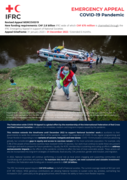
New funding requirements: CHF 2.8 billion IFRC-wide of which CHF 670 million is channelled through the IFRC Emergency Appeal in support of National Societies

To support countries in adapting their response to different COVID-19 scenarios, the World Health
Organization (WHO) Department of Maternal, Newborn, Child and Adolescent Health and Ageing commissioned this scoping review of published and grey literature. The objective was to identify interventions
...
The COVID-19 pandemic has put significant pressure on health systems all around the world. The drastic measures established to contain its spread are creating serious impediments to economic activity (including agrifood systems) and, consequently, to livelihoods and food security and nutrition.
an approach to optimize the global impact of COVID-19 vaccines, based on public health goals, global and national equity, and vaccine access and coverage scenarios, first issued 20 October 2020, updated: 13 November 2020, updated: 16 July 2021, latest update: 21 January 2022
Available in English, F
...
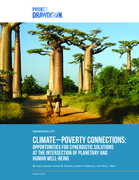
Project Drawdown (2022) provides evidence of how climate solutions can also be win-win opportunities for meeting development and human well-being needs while boosting prosperity for rural communities in sub-Saharan Africa and South Asia. The report summarizes the co-benefits of five groups of a subs
...
The COVID-19 pandemic is having a major impact on the mental health of populations in the Americas. Studies
show high rates of depression and anxiety, among other psychological symptoms, particularly among women, young
people, those with pre-existing mental health conditions, health workers, and p
...
The crisis caused by the COVID-19 pandemic exacerbated preexisting structural economic inequalities, and had a disproportionate impact on informal workers, especially on women and young people, who lost jobs and income. The situation was even more difficult for single-parent households led by women,
...
