
Filter
717
Text search:
rights
violation
Featured
43
204
Language
Document type
494
116
41
29
13
10
8
2
2
1
1
Countries
58
30
20
19
18
15
14
13
13
12
11
11
11
11
11
10
10
9
8
8
7
7
7
6
6
6
6
6
6
5
5
4
4
4
4
4
3
3
3
3
3
3
3
2
2
2
2
2
2
2
2
2
2
1
1
1
1
1
1
1
1
1
1
1
1
1
1
1
1
1
1
1
1
1
1
1
1
1
Authors & Publishers
Publication Years
Category
268
92
23
17
13
13
1
Toolboxes
91
77
69
56
46
27
24
12
11
8
6
5
5
4
3
2
2
2
1
About one fourth of the world’s population is estimated to have been infected with the tuberculosis (TB) bacilli, and about 5–10% of those infected develop TB disease in their lifetime. The risk for TB disease after infection depends on several factors, the most important being the person’s im
...
This is one of seven Medical Peace Work courses.

In support of the African decade of disabled persons | 1st January 199 - 31st of December 2009
Bishkek 2015
Accessed: 26.09.2019

This publication offers practical advice on implementing HIV and STI programmes for transgender people, with a focus on transgender women, aligned with the 2011 Recommendations and the 2014 Key Populations Consolidated Guidelines. It contains examples of good practice from around the world that may
...
mhGAP Training of Health-care Providers Training manual and Supporting material.
Analytical Report
Almaty 2015
Accessed: 26.09.2019
dos Santos et al. BMC Public Health 2014, 14:80 http://www.biomedcentral.com/1471-2458/14/80
Practical Guideline for collaborative interventions
Practical Guidance for collaborative interventions
Gender-based Violence Area of Responsibility Working Group July 2010
This updated step by step guide aims to assist the ministries of health (MoHs) in developing the national action plans for noma prevention and control, with a view to sustainably reducing the incidence of noma as a public health problem through programmes that are fully integrated with national heal
...
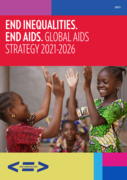
The new Global AIDS Strategy 2021--2026, End Inequalities, End AIDS, is a bold approach that uses an inequalities lens to close the gaps preventing progress to end AIDS

Noma (cancrum oris) is a severe gangrenous disease of the mouth and face. It mostly affects children between the ages of 2 and 6 years living in extreme poverty. In addition to the known factors such as malnutrition, lack of vaccination in children and poor oral hygiene, several social and environme
...
