
Filter
1396
Text search:
food
crises
Featured
137
359
Language
Document type
640
388
124
99
77
22
19
14
5
3
2
1
1
1
Countries
109
51
38
36
34
32
31
28
27
24
23
22
21
21
20
20
19
19
19
18
17
17
15
15
14
13
11
11
11
11
11
11
11
11
10
10
10
10
9
9
8
8
7
7
6
6
6
6
6
6
6
6
5
5
5
4
4
4
3
3
3
3
3
3
3
3
2
2
2
2
2
2
2
2
2
2
2
2
2
2
2
2
2
2
2
2
2
2
2
1
1
1
1
1
1
1
1
1
1
1
1
1
1
1
1
1
1
1
1
1
1
1
1
1
1
1
1
1
1
1
1
Authors & Publishers
Publication Years
Category
422
109
82
57
44
22
4
1
Toolboxes
217
143
126
95
62
59
59
56
42
42
37
29
18
15
14
13
11
10
8
6
5
2
2
2
2
1
Case Studies on Building Resilience in the Horn of Africa
Accessed September 4th, 2014
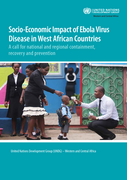
A call for national and regional containment, recovery and prevention
The number of new Ebola infections in Sierra Leone is declining, despite the outbreak continuing to claim lives. New cases have dropped to around 9-12 per week, according to recent WHO figures. There were over 500 cases per week at the height of the crisis around late November 2014.
The impact on t
...
Strengthening health-system emergency preparedness.
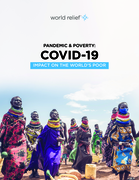
World Relief published a new report revealing the immense impact of COVID-19 on the world's poor. This report is one of the most comprehensive of its kind, corresponding to the two-year anniversary of when the World Health Organization declared COVID-19 to be a global pandemic.
The magnitude of urban disasters, high population densities, and a complex social, political and institutional environment has challenged the manner in which humanitarian agencies are used to working. Humanitarian agencies are now grappling with how to change their approaches to this reality. This d
...
The most frequent health problems of newly arrived refugees and migrants include accidental injuries, hypothermia, burns, gastrointestinal illnesses, cardiovascular events, pregnancy- and delivery-related complications, diabetes and hypertension. Female refugees and migrants frequently face specific
...
Now entering its ninth year, the crisis in north-east Nigeria has created vulnerabilities and humanitarian concerns. An estimated 7.7 million men, women, boys and girls are in acute need of protection and assistance. While the humanitarian community has provided life-saving assistance to over 5.6 mi
...
