
Filter
1609
Text search:
condom
Featured
81
602
Language
1460
83
11
10
7
4
4
4
4
4
4
3
3
3
3
3
2
2
2
2
2
2
2
2
2
1
1
1
1
1
1
1
1
1
1
1
1
1
1
1
1
1
1
1
Document type
1298
124
97
31
17
15
11
10
5
1
Countries
130
74
64
54
50
45
44
41
41
37
37
36
35
33
32
31
27
27
23
21
21
20
20
19
18
18
12
12
12
12
11
11
10
9
7
7
6
5
5
5
5
5
5
5
5
5
4
4
3
3
3
3
3
3
2
2
2
2
2
2
2
2
2
1
1
1
1
1
1
1
1
1
1
1
1
1
1
Authors & Publishers
164
115
72
67
47
46
45
33
31
28
27
24
23
22
21
17
15
15
15
14
14
12
12
12
12
11
10
9
9
8
8
7
7
7
7
7
7
7
7
6
6
6
6
6
5
5
5
5
5
5
5
5
5
5
5
5
5
4
4
4
4
4
4
4
4
4
4
4
4
4
4
4
4
4
4
4
4
4
4
4
4
4
4
4
4
4
4
4
3
3
3
3
3
3
3
3
3
3
3
3
3
3
3
3
3
3
3
3
3
3
3
3
3
3
3
3
3
3
3
3
3
3
3
3
3
3
3
3
3
3
3
3
3
3
3
3
3
3
3
3
2
2
2
2
2
2
2
2
2
2
2
2
2
2
2
2
2
2
2
2
2
2
2
2
2
2
2
2
2
2
2
2
2
2
2
2
2
2
2
2
2
2
2
2
2
2
2
2
2
2
2
2
2
2
2
2
2
2
2
2
2
2
2
2
2
2
2
2
2
2
2
2
2
2
2
2
2
2
2
2
2
2
2
2
2
2
2
2
2
2
2
2
2
2
2
2
2
2
2
2
2
2
2
2
2
2
2
2
2
2
2
2
2
2
2
2
2
2
2
2
2
2
2
2
2
2
2
2
2
2
2
2
2
2
2
2
1
1
1
1
1
1
1
1
1
1
1
1
1
1
1
1
1
1
1
1
1
1
1
1
1
1
1
1
1
1
1
1
1
1
1
1
1
1
1
1
1
1
1
1
1
1
1
1
1
1
1
1
1
1
1
1
1
1
1
1
1
1
1
1
1
1
1
1
1
1
1
1
1
1
1
1
1
1
1
1
1
1
1
1
1
1
1
1
1
1
1
1
1
1
1
1
1
1
1
1
1
1
1
1
1
1
1
1
1
1
1
1
1
1
1
1
1
1
1
1
1
1
1
1
1
1
1
1
1
1
1
1
1
1
1
1
1
1
1
1
1
1
1
1
1
1
1
1
1
1
1
1
1
1
1
1
1
1
1
1
1
1
1
1
1
1
1
1
1
1
1
1
1
1
1
1
1
1
1
1
1
1
1
1
1
1
1
1
1
1
1
1
1
1
1
1
1
1
1
1
1
1
1
1
1
1
1
1
1
1
1
1
1
1
1
1
1
1
1
1
1
1
1
1
1
1
1
1
1
1
1
1
1
1
1
1
1
1
1
1
1
1
1
1
1
1
1
1
1
1
1
1
1
1
1
1
1
1
1
1
1
1
1
1
1
1
1
1
1
1
1
1
1
1
1
1
1
1
1
1
1
1
1
1
1
1
1
1
1
1
1
1
1
1
1
1
1
1
1
1
1
1
1
1
1
1
1
1
1
1
1
1
1
1
1
1
1
1
1
1
1
1
1
1
1
1
1
1
1
1
1
1
1
1
1
1
1
1
1
1
1
1
1
1
1
1
1
1
1
1
1
1
1
1
1
1
1
1
1
1
1
1
1
1
1
1
1
1
1
1
1
1
1
1
1
1
1
1
1
1
1
1
1
1
1
1
1
1
1
1
1
1
1
1
1
1
1
1
1
1
1
1
1
1
1
1
1
1
1
1
1
1
1
1
1
1
1
1
1
1
1
1
1
1
1
1
1
1
1
1
1
1
1
1
1
1
1
1
1
1
1
1
1
1
1
1
1
1
1
1
1
1
1
1
1
1
1
1
1
1
1
1
1
1
1
1
1
1
1
1
1
1
1
1
1
1
1
1
1
1
1
1
1
1
1
1
1
1
1
1
1
1
1
1
1
1
1
1
1
1
1
1
1
1
1
1
1
1
1
1
1
1
1
1
1
1
1
1
1
1
1
1
1
1
1
1
1
1
1
1
1
1
1
1
1
1
1
1
1
1
1
1
1
1
1
1
1
1
1
1
1
1
1
1
1
1
1
1
1
1
1
1
1
1
1
1
1
1
1
1
1
1
1
1
1
1
1
1
1
1
1
1
1
1
1
1
1
1
1
1
1
1
1
1
1
1
1
1
1
1
1
1
1
1
1
1
1
1
1
1
1
1
1
1
1
1
1
1
1
1
1
1
1
1
1
1
1
1
1
1
1
1
1
1
1
1
1
1
1
1
1
1
1
1
1
1
1
1
1
1
1
1
1
1
1
1
1
1
1
1
1
1
1
1
1
1
1
1
1
1
1
1
1
1
1
1
1
1
1
1
1
1
1
1
1
1
1
1
1
1
1
1
1
1
1
1
1
1
1
1
1
1
1
1
1
1
1
1
1
1
1
1
1
1
1
1
1
1
1
1
1
1
1
1
1
1
1
1
1
1
1
1
1
1
1
1
1
1
1
1
1
1
1
1
1
1
1
1
1
1
1
1
1
1
1
1
1
1
1
1
1
1
1
1
1
1
1
1
1
1
1
1
1
1
1
1
1
1
1
1
1
1
1
1
1
1
1
1
1
1
1
1
1
1
1
1
1
1
1
1
1
1
1
1
1
1
1
1
1
1
1
1
1
1
1
1
1
1
1
1
1
1
1
1
1
1
1
1
1
1
1
1
1
1
1
1
1
1
1
1
1
1
1
1
1
1
1
1
1
1
1
1
1
1
1
1
1
1
1
1
1
1
1
1
1
1
1
1
1
1
1
1
1
1
1
1
1
1
1
1
1
1
1
1
1
1
1
1
1
1
1
1
1
1
1
1
1
1
1
1
1
1
1
1
1
1
1
1
1
1
1
1
1
1
1
1
1
1
1
1
1
1
1
1
1
1
1
1
1
1
1
1
1
1
1
1
1
1
1
1
1
1
1
1
1
1
1
1
1
1
1
1
1
1
1
1
1
1
1
1
1
1
1
1
1
1
1
1
1
1
1
1
1
1
1
1
1
1
1
1
1
1
1
1
1
1
1
1
1
1
1
1
1
1
1
1
1
1
1
1
1
1
1
1
1
1
1
1
1
1
1
1
1
1
1
1
1
1
1
1
1
1
1
1
1
1
1
1
1
1
1
1
1
1
1
1
1
1
1
1
1
1
1
1
1
1
1
1
1
1
1
1
1
1
1
1
1
1
1
1
1
1
1
1
1
1
1
1
1
1
1
1
1
1
1
1
1
1
1
1
1
1
1
1
1
1
1
1
1
1
1
1
1
1
1
1
1
1
1
1
1
1
1
1
1
1
1
1
1
1
1
1
1
1
1
1
1
1
1
1
1
1
1
1
1
1
1
1
1
1
1
1
1
1
1
1
1
1
1
1
1
1
1
1
1
1
1
1
1
1
1
1
1
1
1
1
1
1
1
1
1
1
1
1
1
1
1
1
1
1
1
1
1
1
1
1
1
1
1
1
1
1
1
1
1
1
1
1
1
1
1
1
Publication Years
145
1293
168
3
Category
945
81
55
45
34
17
Toolboxes
391
30
23
21
16
14
14
10
10
9
7
6
5
3
3
2
2
2
1
1
1
Accessed August 2018

2016 Update
Key population
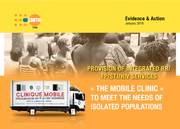
Provision of integrated RH/FP/STI/HIV services
In Togo, the limited access of populations, especially women, young girls and children to Reproductive Health (RH), Family Planning, treatment of sexually transmissible infections (STI) and struggle against HIV quality services is responsible for t ... he continuously low indicators in these areas. To remedy the problem, UNFPA Togo, in partnership with the Department of Family Health, the Health districts and the NGOs 3ASC and ATBEF, support the initiative of the Mobile Clinic to bring RH/FP/STI/HIV quality services closer to the women, the young girls and children living in rural areas in its intervention areas, with the aim of reaching MDG 4 and 5. more
In Togo, the limited access of populations, especially women, young girls and children to Reproductive Health (RH), Family Planning, treatment of sexually transmissible infections (STI) and struggle against HIV quality services is responsible for t ... he continuously low indicators in these areas. To remedy the problem, UNFPA Togo, in partnership with the Department of Family Health, the Health districts and the NGOs 3ASC and ATBEF, support the initiative of the Mobile Clinic to bring RH/FP/STI/HIV quality services closer to the women, the young girls and children living in rural areas in its intervention areas, with the aim of reaching MDG 4 and 5. more
This report documents the findings from the Behavioral Surveillance Survey conducted among youuth aged 15-24 in Rwanda in 2009. The 2009 Youth BSS documented HIV knowledge, attitudes, and behaviors (KAB) among youth in Rwanda. The data provided a cross-sectional look at the current HIV KAB among yo
...
uth, and allowed for changes over time to be detected when analyzing these data against the results of the 2006 Youth BSS.
more
The 2010-2011 National Annual Report on HIV program presents the progress in implementing the strategies and activities articulated in the National Strategic Plan on HIV and AIDS 2009-2012 commonly referred to as the HIV NSP. The report presents consolidated information regarding the outputs in the
...
second year of implementing the four year strategy. This report will serve to inform the Mid Term Review of the HIV NSP 2009-2012.
more
The 2011-2012 National Annual Report on HIV program presents the progress in implementing the strategies and activities articulated in the National Strategic Plan on HIV and AIDS 2009-2012, commonly referred to as the HIV NSP.

Indicators for monitoring the 2016 United Nations Political Declaration on Ending AIDS
UNAIDS supports countries to collect information on their national HIV responses through the Global AIDS Monitoring (GAM) framework—an annual collection of 72 indicators on the response to HIV in a country. ... These data form part of the data set used to report back to the General Assembly.
Different from the HIV epidemiological estimates that countries produce for data on the state of the epidemic in a country—that is, data for making estimates on the number of people living with HIV, AIDS-related deaths, etc.—GAM collects information on HIV programmes, including the number of people living with HIV who know their HIV status and people on HIV treatment, and on stigma and discrimination. A full list of the indicators is given in the GAM guidelines. more
UNAIDS supports countries to collect information on their national HIV responses through the Global AIDS Monitoring (GAM) framework—an annual collection of 72 indicators on the response to HIV in a country. ... These data form part of the data set used to report back to the General Assembly.
Different from the HIV epidemiological estimates that countries produce for data on the state of the epidemic in a country—that is, data for making estimates on the number of people living with HIV, AIDS-related deaths, etc.—GAM collects information on HIV programmes, including the number of people living with HIV who know their HIV status and people on HIV treatment, and on stigma and discrimination. A full list of the indicators is given in the GAM guidelines. more
During the implementation of the National Strategic Plan 2009–2012 on HIV and AIDS, Rwanda has continued its progress towards universal access to HIV and AIDS services. The new HIV and AIDS National Strategic Plan July 2013–June 2018 (thereafter referred to as ‘the NSP’) presented here is se
...
t on pursuing the same objective, with inspiration from the global targets of “zero new HIV infections, zero HIV-related deaths and zero stigma and discrimination due to HIV”.
more

Reporting Period 2010-2011


This publication offers practical advice on implementing HIV and STI programmes for transgender people, with a focus on transgender women, aligned with the 2011 Recommendations and the 2014 Key Populations Consolidated Guidelines. It contains examples of good practice from around the world that may
...
support efforts in planning programmes and services, and describes issues that should be considered and how to overcome challenges.
This tool describes how services can be designed and implemented to be acceptable and accessible to transgender women. To accomplish this, respectful and ongoing engagement with them is essential.
This tool gives particular attention to programmes run by transgender people themselves, in contexts where this is possible. more
This tool describes how services can be designed and implemented to be acceptable and accessible to transgender women. To accomplish this, respectful and ongoing engagement with them is essential.
This tool gives particular attention to programmes run by transgender people themselves, in contexts where this is possible. more
The five thematic discussion papers in this collection were prepared by members of the Global Prevention Coalition Steering Group and other experts from various institutions and countries. Contributors are listed in alphabetical order. The five papers are meant to inform country consultations and th
...
e development of a Global HIV Prevention Roadmap. They do not reflect the views of UNAIDS or any other agency or organization.
more
West: Drada & Nagar Haveli, Daman & Diu, Goa, Gujarat, Maharashtra
South: Andhra Pradesh & Telangana, Karnataka, Kerala, Puducherry, Tamil Nadu
This technical document consists of epidemiological profiles (fact-sheets) for States and districts based on information available from multiple d ... ata sources including the HIV Sentinel Surveillance (HSS) and the Integrated Biological and Behavioural Surveillance (IBBS). Given the need for focussed prevention efforts in low/high prevalence and vulnerable States/districts, the information presented will be useful for policy makers, program planners at national/State/ district level, researchers, and academicians in identification of areas for priority attention and also to derive meaningful conclusions for programme planning, implementation, monitoring and scale-up. This document will be a quick reference for the HIV/AIDS situation in a State/district, risk and safe behaviour of the high risk groups, their level of knowledge about STIs and HIV/AIDS, experience of violence, HIV testing and ART awareness and exposure to HIV/AIDS prevention. more
South: Andhra Pradesh & Telangana, Karnataka, Kerala, Puducherry, Tamil Nadu
This technical document consists of epidemiological profiles (fact-sheets) for States and districts based on information available from multiple d ... ata sources including the HIV Sentinel Surveillance (HSS) and the Integrated Biological and Behavioural Surveillance (IBBS). Given the need for focussed prevention efforts in low/high prevalence and vulnerable States/districts, the information presented will be useful for policy makers, program planners at national/State/ district level, researchers, and academicians in identification of areas for priority attention and also to derive meaningful conclusions for programme planning, implementation, monitoring and scale-up. This document will be a quick reference for the HIV/AIDS situation in a State/district, risk and safe behaviour of the high risk groups, their level of knowledge about STIs and HIV/AIDS, experience of violence, HIV testing and ART awareness and exposure to HIV/AIDS prevention. more

Northern: Chandigarh, Delhi, Haryana, Himachal Pradesh, Jammu & Kashmir, Punjab, Rajasthan, and Uttarakhand
Central: Chhattisgarh, Madhya Pradesh and Uttar Pradesh
Eastern: Andaman & Nicobar, Bihar, Jharkhand, Odisha and West Bengal
This technical document consists of epidemiological ... profiles (fact-sheets) for States and districts based on information available from multiple data sources including the HIV Sentinel Surveillance (HSS) and the Integrated Biological and Behavioural Surveillance (IBBS). Given the need for focussed prevention efforts in low/high prevalence and vulnerable States/districts, the information presented will be useful for policy makers, program planners at national/State/ district level, researchers, and academicians in identification of areas for priority attention and also to derive meaningful conclusions for programme planning, implementation, monitoring and scale-up. This document will be a quick reference for the HIV/AIDS situation in a State/district, risk and safe behaviour of the high risk groups, their level of knowledge about STIs and HIV/AIDS, experience of violence, HIV testing and ART awareness and exposure to HIV/AIDS prevention. more
Central: Chhattisgarh, Madhya Pradesh and Uttar Pradesh
Eastern: Andaman & Nicobar, Bihar, Jharkhand, Odisha and West Bengal
This technical document consists of epidemiological ... profiles (fact-sheets) for States and districts based on information available from multiple data sources including the HIV Sentinel Surveillance (HSS) and the Integrated Biological and Behavioural Surveillance (IBBS). Given the need for focussed prevention efforts in low/high prevalence and vulnerable States/districts, the information presented will be useful for policy makers, program planners at national/State/ district level, researchers, and academicians in identification of areas for priority attention and also to derive meaningful conclusions for programme planning, implementation, monitoring and scale-up. This document will be a quick reference for the HIV/AIDS situation in a State/district, risk and safe behaviour of the high risk groups, their level of knowledge about STIs and HIV/AIDS, experience of violence, HIV testing and ART awareness and exposure to HIV/AIDS prevention. more
2nd Generation HIV Surveillance in Pakistan, Round 5
The 2015-16 MDHS is a national sample survey that provides up-to-date information on fertility levels; marriage; fertility preferences; awareness and use of family planning methods; child feeding practices; nutrition; adult and childhood mortality; awareness and attitudes regarding HIV/AIDS; womenâ€
...
™s empowerment; and domestic violence. The target groups were women and men age 15-49 residing in randomly selected households across the country. In addition to national estimates, the report provides estimates of key indicators for both urban and rural areas in Myanmar and also for the 15 states and regions.
more
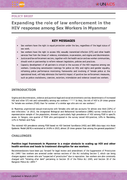
Policy Brief, Updated in March 2017
Key messages
• Sex workers have the right to equal protection under the law, regardless of the legal status of sex work.
• Sex workers have the right to access HIV, sexually transmitted infection (STI) and other health services free from the thr ... eat of violence, intimidation, incarceration, and stigma and discrimination.
• Justice and law enforcement sectors, together with the health sector and sex worker communities, should work in partnership to reform relevant legislation, policies and practices.
• Capacity development of all partners is critical to the success of the HIV response among sex workers. more
Key messages
• Sex workers have the right to equal protection under the law, regardless of the legal status of sex work.
• Sex workers have the right to access HIV, sexually transmitted infection (STI) and other health services free from the thr ... eat of violence, intimidation, incarceration, and stigma and discrimination.
• Justice and law enforcement sectors, together with the health sector and sex worker communities, should work in partnership to reform relevant legislation, policies and practices.
• Capacity development of all partners is critical to the success of the HIV response among sex workers. more
