Filter
572
Text search:
coma
Featured
84
131
Language
Document type
300
128
50
48
15
13
12
2
2
2
Countries
43
42
24
22
18
16
13
11
11
10
10
9
9
9
9
8
8
7
7
7
6
5
5
5
5
4
4
4
4
4
4
4
4
3
3
3
2
2
2
2
2
2
2
2
2
2
2
2
2
2
1
1
1
1
1
1
1
1
1
1
1
1
1
1
1
1
1
1
1
1
1
1
1
Authors & Publishers
Publication Years
Category
263
103
39
33
10
6
5
Toolboxes
79
49
24
23
22
20
16
15
12
10
9
8
8
7
6
5
4
4
3
3
2
1
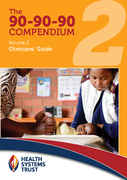
Vol. 2: Clinicians' Guide
Clinicians’ Guide is designed to assist busy medical practitioners in the field with patient management by providing current, essential, practical guidance and background, packaged into a single resource
Clinicians’ Guide is designed to assist busy medical practitioners in the field with patient management by providing current, essential, practical guidance and background, packaged into a single resource

Contact No 175 - October December 2001

Chapter 2 in "Latest Findings in Intellectual and Developmental Disabilities Research" Edited by Üner Tan, ISBN 978-953-307-865-6, 404 pages, Publisher: InTech, Chapters published February 15, 2012 under CC BY 3.0 license | Intellectual and Developmental Disabilities presents reports on a wide rang
...
Acute Radiation Syndrome (ARS) (sometimes known as radiation toxicity or radiation sickness) is an acute illness caused by irradiation of the entire body (or most of the body) by a high dose of penetrating radiation in a very short period of time (usually a matter of minutes). The major cause of thi
...
Acute Radiation Syndrome (ARS) (sometimes known as radiation
toxicity or radiation sickness) is an acute illness caused by
irradiation of the entire body (or most of the body) by a high dose
of penetrating radiation in a very short period of time (usually
...
The potential for terrorist use of chemical agents is a noted concern highlighted by the Tokyo sarin gas attacks of 1995. The events of September 11, 2001, increased congressional attention towards reducing the vulnerability of the United States to such unconventional attacks. The
possibility that
...
Specific Objectives
• To increase the knowledge and awareness of personnel on chemical management.
• To educate the personnel on the potential adverse health effects of chemical exposure.
• To educate the personnel on the existing laws pertaining to handling of hazardous
chemicals.
• To
...

The purpose of this document is to inform the public about biological and chemical hazards and thereby prepare the population for an immediate response in the event of an incident until public health support is provided.
The agents reported here are: Anthrax, Botulism, Haemorrhagic Fever,
...

Cryptococcal disease is one of the most common opportunistic infections among people living with advanced HIV disease and is a major contributor to severe illness, morbidity, and mortality, particularly in sub-Saharan Africa.
These guidelines update the recommendations that were first released i
...
Politique et plan stratégique intégré de lutte contre les maladies non transmissibles (PSIMNT) 2012-2015

The guidelines presented in this document are designed to provide a useful resource for healthcare professionals involved in clinical case management. They were developed taking into consideration services provided at different levels within the health system and resources available. These guideline
...
These are integrated National Guidelines 2013 for Prevention and Management of HIV, STIs & Other Blood Borne Infections in accordance with the last guidelines of the World Health Organization (WHO) published in June 2013 and adapted to the Rwandan national context. It thus responds to the need by th
...
Vaccins antirabiques: Note de synthèse de l’OMS – avril 2018
Weekly epidemiological record / Relevé épidémiologique hebdomadaire
20 APRIL 2018, 93th YEAR / 20 AVRIL 2018, 93e ANNÉE
Weekly epidemiological record / Relevé épidémiologique hebdomadaire
20 APRIL 2018, 93th YEAR / 20 AVRIL 2018, 93e ANNÉE

An estimated 59 000 people die from rabies each year. That’s one person every nine minutes of every day, 40% of whom are children living in Asia and Africa. As dog bites cause almost all human cases, we can prevent rabies deaths by increasing awareness, vaccinating dogs to prevent the disease at i
...