
Filter
3787
Text search:
WHO
(World
Health
Organisation)
Featured
295
907
Language
3330
447
160
89
77
55
48
45
11
8
7
7
6
5
5
5
5
5
5
4
4
4
4
4
4
4
3
3
3
3
3
3
3
3
2
2
2
2
2
2
2
2
2
2
1
1
1
1
1
1
1
1
1
1
1
1
1
Document type
1966
805
400
164
150
88
75
60
31
21
10
9
5
2
1
Countries
177
169
115
87
87
80
78
74
70
70
67
61
58
53
52
48
44
42
34
33
33
32
31
30
29
26
26
25
24
23
22
22
22
22
20
20
20
20
18
18
16
16
16
15
13
13
13
13
13
12
12
11
11
10
9
9
9
9
8
8
8
8
8
7
7
7
7
7
7
6
6
6
6
5
5
5
4
4
4
4
4
4
4
4
4
4
3
3
3
3
3
3
3
3
3
3
3
3
3
3
3
3
3
3
2
2
2
2
2
2
2
2
2
2
2
2
2
2
2
2
2
2
2
2
2
2
2
1
1
1
1
1
1
1
1
1
1
1
1
1
1
1
1
1
1
1
1
1
1
1
1
Authors & Publishers
669
280
125
90
86
67
55
48
34
28
26
25
24
22
22
21
20
19
17
17
17
15
15
15
15
15
15
14
13
13
13
13
12
12
12
12
11
11
11
10
10
9
9
9
9
8
8
8
8
8
8
8
7
7
7
7
7
7
7
7
7
7
7
7
7
7
7
7
6
6
6
6
6
6
6
6
6
6
6
6
6
6
6
5
5
5
5
5
5
5
5
5
5
5
5
5
5
5
5
5
5
5
5
5
5
5
5
5
4
4
4
4
4
4
4
4
4
4
4
4
4
4
4
4
4
4
4
4
4
4
4
4
4
4
4
4
4
4
4
4
4
4
4
4
4
3
3
3
3
3
3
3
3
3
3
3
3
3
3
3
3
3
3
3
3
3
3
3
3
3
3
3
3
3
3
3
3
3
3
3
3
3
3
3
3
3
3
3
3
3
3
3
3
3
3
3
3
3
3
3
3
3
3
3
3
3
3
3
3
3
3
3
3
3
3
3
2
2
2
2
2
2
2
2
2
2
2
2
2
2
2
2
2
2
2
2
2
2
2
2
2
2
2
2
2
2
2
2
2
2
2
2
2
2
2
2
2
2
2
2
2
2
2
2
2
2
2
2
2
2
2
2
2
2
2
2
2
2
2
2
2
2
2
2
2
2
2
2
2
2
2
2
2
2
2
2
2
2
2
2
2
2
2
2
2
2
2
2
2
2
2
2
2
2
2
2
2
2
2
2
2
2
2
2
2
2
2
2
2
2
2
2
2
2
2
2
2
2
2
2
2
2
2
2
2
2
2
2
2
2
2
2
2
2
2
2
2
2
2
2
2
2
2
2
2
2
2
2
2
2
2
2
2
2
2
2
2
2
2
2
2
2
2
2
2
2
2
2
2
2
2
2
2
2
2
2
2
2
2
2
2
2
2
2
2
2
1
1
1
1
1
1
1
1
1
1
1
1
1
1
1
1
1
1
1
1
1
1
1
1
1
1
1
1
1
1
1
1
1
1
1
1
1
1
1
1
1
1
1
1
1
1
1
1
1
1
1
1
1
1
1
1
1
1
1
1
1
1
1
1
1
1
1
1
1
1
1
1
1
1
1
1
1
1
1
1
1
1
1
1
1
1
1
1
1
1
1
1
1
1
1
1
1
1
1
1
1
1
1
1
1
1
1
1
1
1
1
1
1
1
1
1
1
1
1
1
1
1
1
1
1
1
1
1
1
1
1
1
1
1
1
1
1
1
1
1
1
1
1
1
1
1
1
1
1
1
1
1
1
1
1
1
1
1
1
1
1
1
1
1
1
1
1
1
1
1
1
1
1
1
1
1
1
1
1
1
1
1
1
1
1
1
1
1
1
1
1
1
1
1
1
1
1
1
1
1
1
1
1
1
1
1
1
1
1
1
1
1
1
1
1
1
1
1
1
1
1
1
1
1
1
1
1
1
1
1
1
1
1
1
1
1
1
1
1
1
1
1
1
1
1
1
1
1
1
1
1
1
1
1
1
1
1
1
1
1
1
1
1
1
1
1
1
1
1
1
1
1
1
1
1
1
1
1
1
1
1
1
1
1
1
1
1
1
1
1
1
1
1
1
1
1
1
1
1
1
1
1
1
1
1
1
1
1
1
1
1
1
1
1
1
1
1
1
1
1
1
1
1
1
1
1
1
1
1
1
1
1
1
1
1
1
1
1
1
1
1
1
1
1
1
1
1
1
1
1
1
1
1
1
1
1
1
1
1
1
1
1
1
1
1
1
1
1
1
1
1
1
1
1
1
1
1
1
1
1
1
1
1
1
1
1
1
1
1
1
1
1
1
1
1
1
1
1
1
1
1
1
1
1
1
1
1
1
1
1
1
1
1
1
1
1
1
1
1
1
1
1
1
1
1
1
1
1
1
1
1
1
1
1
1
1
1
1
1
1
1
1
1
1
1
1
1
1
1
1
1
1
1
1
1
1
1
1
1
1
1
1
1
1
1
1
1
1
1
1
1
1
1
1
1
1
1
1
1
1
1
1
1
1
1
1
1
1
1
1
1
1
1
1
1
1
1
1
1
1
1
1
1
1
1
1
1
1
1
1
1
1
1
1
1
1
1
1
1
1
1
1
1
1
1
1
1
1
1
1
1
1
1
1
1
1
1
1
1
1
1
1
1
1
1
1
1
1
1
1
1
1
1
1
1
1
1
1
1
1
1
1
1
1
1
1
1
1
1
1
1
1
1
1
1
1
1
1
1
1
1
1
1
1
1
1
1
1
1
1
1
1
1
1
1
1
1
1
1
1
1
1
1
1
1
1
1
1
1
1
1
1
1
1
1
1
1
1
1
1
1
1
1
1
1
1
1
1
1
1
1
1
1
1
1
1
1
1
1
1
1
1
1
1
1
1
1
1
1
1
1
1
1
1
1
1
1
1
1
1
1
1
1
1
1
1
1
1
1
1
1
1
1
1
1
1
1
1
1
1
1
1
1
1
1
1
1
1
1
1
1
1
1
1
1
1
1
1
1
1
1
1
1
1
1
1
1
1
1
1
1
1
1
1
1
1
1
1
1
1
1
1
1
1
1
1
1
1
1
1
1
1
1
1
1
1
1
1
1
1
1
1
1
1
1
1
1
1
1
1
1
1
1
1
1
1
1
1
1
1
1
1
1
1
1
1
1
1
1
1
1
1
1
1
1
1
1
1
1
1
1
1
1
1
1
1
1
1
1
1
1
1
1
1
1
1
1
1
1
1
1
1
1
1
1
1
1
1
1
1
1
1
1
1
1
1
1
1
1
1
1
1
1
1
1
1
1
1
1
1
1
1
1
1
1
1
1
1
1
1
1
1
1
1
1
1
1
1
1
1
1
1
1
1
1
1
1
1
1
1
1
1
1
1
1
1
1
1
1
1
1
1
1
1
1
1
1
1
1
1
1
1
1
1
1
1
1
1
1
1
1
1
1
1
1
1
1
1
1
1
1
1
1
1
1
1
1
1
1
1
1
1
1
1
1
1
1
1
1
1
1
1
1
1
1
1
1
1
1
1
1
1
1
1
1
1
1
1
1
1
1
1
1
1
1
1
1
1
1
1
1
1
1
1
1
1
1
1
1
1
1
1
1
1
1
1
1
1
1
1
1
1
1
1
1
1
1
1
1
1
1
1
1
1
1
1
1
1
1
1
1
1
1
1
1
1
1
1
1
1
1
1
1
1
1
1
1
1
1
1
1
1
1
1
1
1
1
1
1
1
1
1
1
1
1
1
1
1
1
1
1
1
1
1
1
1
1
1
1
1
1
1
1
1
1
1
1
1
1
1
1
1
1
1
1
1
1
1
1
1
1
1
1
1
1
1
1
1
1
1
1
1
1
1
1
1
1
1
1
1
1
1
1
1
1
1
1
1
1
1
1
1
1
1
1
1
1
1
1
1
1
1
1
1
1
1
1
1
1
1
1
1
1
1
1
1
1
1
1
1
1
1
1
1
1
1
1
1
1
1
1
1
1
1
1
1
1
1
1
1
1
1
1
1
1
1
1
1
1
1
1
1
1
1
1
1
1
1
1
1
1
1
1
1
1
1
1
1
1
1
1
1
1
1
1
1
1
1
1
1
1
1
1
1
1
1
1
1
1
1
1
1
1
1
1
1
1
1
1
1
1
1
1
1
1
1
1
1
1
1
1
1
1
1
1
1
1
1
1
1
1
1
1
1
1
1
1
1
1
1
1
1
1
1
1
1
1
1
1
1
1
1
1
1
1
1
1
1
1
1
1
1
1
1
1
1
1
1
1
1
1
1
1
1
1
1
1
1
1
1
1
1
1
1
1
1
1
1
1
1
1
1
1
1
1
1
1
1
1
1
1
1
1
1
1
1
1
1
1
1
1
1
1
1
1
1
1
1
1
1
1
1
1
1
1
1
1
1
1
1
1
1
1
1
1
1
1
1
1
1
1
1
1
1
1
1
1
1
1
1
1
1
1
1
1
1
1
1
1
1
1
1
1
1
1
1
1
1
1
1
1
1
1
1
1
1
1
1
1
1
1
1
1
1
1
1
1
1
1
1
1
1
1
1
1
1
1
1
1
1
1
1
1
1
1
1
1
1
1
1
1
1
1
1
1
1
1
1
1
1
1
1
1
1
1
1
1
1
1
1
1
1
1
1
1
1
1
1
1
1
1
1
1
1
1
1
1
1
1
1
1
1
1
1
1
1
1
1
1
1
1
1
1
1
1
1
1
1
1
1
1
1
1
1
1
1
1
1
1
1
1
1
1
1
1
1
1
1
1
1
1
1
1
1
1
1
1
1
1
1
1
1
1
1
1
1
1
1
1
1
1
1
1
1
1
1
1
1
1
1
1
1
1
1
1
1
1
1
1
1
1
1
1
1
1
1
1
1
1
1
1
1
1
1
1
1
1
1
1
1
1
1
1
1
1
1
1
1
1
1
1
1
1
1
1
1
1
1
1
1
1
1
1
1
1
1
1
1
1
1
1
1
1
1
1
1
1
1
1
1
1
1
1
1
1
1
1
1
1
1
1
1
1
1
1
1
1
1
1
1
1
1
1
1
1
1
1
1
1
1
1
1
1
1
1
1
1
1
1
1
1
1
1
1
1
1
1
1
1
1
1
1
1
1
1
1
1
1
1
1
1
1
1
1
1
1
1
1
1
1
1
1
1
1
1
1
1
1
1
1
1
1
1
1
1
1
1
1
1
1
1
1
1
1
1
1
1
1
1
1
1
1
1
1
1
1
1
1
1
1
1
1
1
1
1
1
1
1
1
1
1
1
1
1
1
1
1
1
1
1
1
1
1
1
1
1
1
1
1
1
1
1
1
1
1
1
1
1
1
1
1
1
1
1
1
1
1
1
1
1
1
1
1
1
1
1
1
1
1
1
1
1
1
1
1
1
1
1
1
1
1
1
1
1
1
1
1
1
1
1
1
1
1
1
1
1
1
1
1
1
1
1
1
1
1
1
1
1
1
1
1
1
1
1
1
1
1
1
1
1
1
1
1
1
1
1
1
1
1
1
1
1
1
1
1
1
1
1
1
1
1
1
1
1
1
1
1
1
1
1
1
1
1
1
1
1
1
1
1
1
1
1
1
1
1
1
1
1
1
1
1
1
1
1
1
1
1
1
1
1
1
1
1
1
1
1
1
1
1
1
1
1
1
1
1
1
1
1
1
1
1
1
1
1
1
1
1
1
1
1
1
1
1
1
1
1
1
1
1
1
1
1
1
1
1
1
1
1
1
1
1
1
1
1
1
1
1
1
1
1
1
1
1
1
1
1
1
1
1
1
1
1
1
1
1
1
1
1
1
1
1
1
1
1
1
1
1
1
1
1
1
1
1
1
1
1
1
1
1
1
1
1
1
1
1
1
1
1
1
1
1
1
1
1
1
1
1
1
1
1
1
1
1
1
1
1
1
1
1
1
1
1
1
1
1
1
1
1
1
1
1
1
1
1
1
1
1
1
1
1
1
1
1
1
1
1
1
1
1
1
1
1
1
1
1
1
1
1
1
1
1
1
1
1
1
1
1
1
1
1
1
1
1
1
1
1
1
1
1
1
1
1
1
1
1
1
1
1
1
1
1
1
1
1
1
1
1
1
1
1
1
1
1
1
1
1
1
1
1
1
1
1
1
1
1
1
1
1
1
1
1
1
1
1
1
1
1
1
1
1
1
1
1
1
1
1
1
1
1
1
1
1
1
1
1
1
1
1
1
1
1
1
1
1
1
1
1
1
1
1
1
1
1
1
1
1
1
1
1
1
1
1
1
1
1
1
1
1
1
1
1
1
1
1
1
1
1
1
1
1
1
1
1
1
1
1
1
1
1
1
1
1
1
1
1
1
1
1
1
1
1
1
1
1
1
1
1
1
1
1
1
1
1
1
1
1
1
1
1
1
1
1
1
1
1
1
1
1
1
1
1
1
1
1
1
1
1
1
1
1
1
1
1
1
1
1
1
1
1
1
1
1
1
1
1
1
1
1
1
1
1
1
1
1
1
1
1
1
1
1
1
1
1
1
1
1
1
1
1
1
1
1
1
1
1
1
1
1
1
1
1
1
1
1
1
1
1
1
1
1
1
1
1
1
1
1
1
1
1
1
1
1
1
1
1
1
1
1
1
1
1
1
1
1
1
1
1
1
1
1
1
1
1
1
1
1
1
1
1
1
1
1
1
1
1
1
1
1
1
1
1
1
1
1
1
1
1
1
1
1
1
1
1
1
1
1
1
1
1
1
1
1
1
1
1
1
1
1
1
1
1
1
1
1
1
1
1
1
1
1
1
1
1
1
1
1
1
1
1
1
1
1
1
1
1
1
1
1
1
1
1
1
1
1
1
1
1
1
1
1
1
1
1
1
1
1
1
1
1
1
1
1
1
1
1
1
1
1
1
1
1
1
1
1
1
1
1
1
1
1
1
1
1
1
1
1
1
1
1
1
1
1
1
1
1
1
1
1
1
1
1
1
1
1
1
1
1
1
1
1
1
1
1
1
1
1
1
1
1
1
1
1
1
1
1
1
1
1
1
1
1
1
1
1
1
1
1
1
1
1
1
1
1
1
1
1
1
1
1
1
1
1
1
1
1
1
1
1
1
1
1
1
1
1
1
1
1
1
1
1
1
1
1
1
1
1
1
1
1
1
1
1
1
1
1
1
1
1
1
1
1
1
1
1
1
1
1
1
1
1
1
1
1
1
1
1
1
1
1
1
1
1
1
1
1
1
1
1
1
1
1
1
1
1
1
1
1
1
1
1
1
1
1
Publication Years
1312
2170
286
17
1
1
Category
1376
245
195
166
163
54
34
2
2
1
Toolboxes
306
273
262
195
193
190
135
129
112
110
103
97
96
93
68
67
43
43
34
20
19
18
15
1
1
Self-care interventions are evidence-based, quality drugs, devices, diagnostics and/or digital products which can be provided fully or partially outside of formal health services and can be used with or without the direct supervision of
...
health care personnel.
Where HPV tests are available as part of the national programme, HPV self-sampling offers an additional option to improve cervical cancer screening coverage.
Self-sampling can help reach a global target of 70% coverage of screening by 2030. Women may feel more comfortable taking their own samples, rather than going to see a health worker for cervical cancer screening.
more

Effective monitoring, epidemiological assessment and evaluation are necessary to achieve the aim of interrupting LF transmission. This manual is designed to ensure that national elimination programmes have available the best information on methodologies and procedures for monitoring MDA, appropriate
...
ly assessing when infection has been reduced to levels where transmission is likely no longer sustainable, implementing adequate surveillance after MDA has ceased to determine whether recrudescence has occurred, and preparing for verification of the absence of transmission. The manual provides general guidance to national programmes; relevant background information on technical issues is contained in the annexes. As real-life situations may not correspond to predefined categories, consultation with WHO and experts is recommended in complicated situations.
more
WHO Air Quality Guidelines set goals to protect millions of lives from air pollution
The World Health Organization's Regional Office for Africa webpage on diabetes provides an overview of the disease's impact in the African Region. It highlights that diabetes is a serious, chronic,
...
and costly condition, with projections estimating cases to rise to 23.9 million by 2030. The page outlines risk factors such as physical inactivity, overweight and obesity, tobacco use, and diets high in unhealthy fats and calories. It also discusses the three main types of diabetes: type 1, type 2, and gestational diabetes. Recent surveys indicate that up to 15% of adults aged 25 to 64 in the region have diabetes, with many unaware of their condition. The lack of access to proper treatment and medications, especially insulin, often leads to complications like neurological, vascular, or visual disorders, heart disease, stroke, lower limb amputation, and kidney failure.
more
The World Health Organization (WHO) provides an overview of alcohol consumption and its global impact. Alcohol, containing ethanol, is a psychoacti
...
ve and toxic substance that can lead to dependence. In 2019, alcohol consumption was responsible for approximately 2.6 million deaths worldwide, with 1.6 million resulting from noncommunicable diseases, 700,000 from injuries, and 300,000 from communicable diseases. Men accounted for the majority of these deaths, totaling 2 million, compared to 600,000 among women. Additionally, an estimated 400 million people aged 15 and older were living with alcohol use disorders in 2019.
more
The World Health Organization's Eastern Mediterranean Regional Office (WHO EMRO) highlights the significant
...
health and social consequences of harmful alcohol use. Excessive alcohol consumption is linked to over 200 diseases and injuries, including liver cirrhosis, pancreatitis, various cancers, hemorrhagic stroke, and hypertension. Globally, it results in approximately 3.3 million deaths annually, surpassing fatalities from HIV/AIDS, violence, or tuberculosis. In the Eastern Mediterranean Region, while overall alcohol consumption is low, there is a concerning rise among adolescents and young adults, with patterns of heavy episodic drinking posing significant health risks. In response, the WHO has developed a global strategy to reduce the harmful use of alcohol, aiming to improve health and social outcomes by decreasing disease and death associated with alcohol consumption.
more
WHO has identified climate change as one of the greatest health threats of the 21st century and air pollution as the single largest environmental health
...
risk. Noncommunicable diseases (NCDs), including cardiovascular diseases, diabetes, chronic respiratory disease and cancer, are the leading causes of death in the European Region and globally, the latter rate being 74%
more
WHO has updated the mpox Case reporting form (CRF) and data collection tool, mainly by reducing the number of variables. A detailed list of changes is presented in the file. The content of the Case investigation form (CIF) has not been changed.
The WHO Global tuberculosis report 2024 provides a comprehensive and up-to-date assessment of the TB epidemic, and of progress in prevention, diagnosis and treatment of the disease, at global, regional and country levels. This is done in the context
...
of global TB commitments, strategies and targets.
more
Wheelchair Service Training Package - Basic level - Trainers manual

The major areas of focus for the plan will be:
- Social mobilization and community empowerment (health promotion & education for disease prevention);
- Promotion of access to safe water, good sanitation and hygiene;
- Surveillance an ... d laboratory confirmation of outbreaks;
- Prompt case management and infection control;
- Complementary use of oral cholera vaccine (OCV) for cholera endemic communities; and
- Coordination and stewardship between and for all actors.
- Monitoring, supervision, evaluation and operation research to ensure continued improvement in service delivery. more
- Social mobilization and community empowerment (health promotion & education for disease prevention);
- Promotion of access to safe water, good sanitation and hygiene;
- Surveillance an ... d laboratory confirmation of outbreaks;
- Prompt case management and infection control;
- Complementary use of oral cholera vaccine (OCV) for cholera endemic communities; and
- Coordination and stewardship between and for all actors.
- Monitoring, supervision, evaluation and operation research to ensure continued improvement in service delivery. more
The WHO continuously reviews available data on SARS-CoV-2 variants of concern. For this version, the global epidemiological
situation of the COVID-19 pandemic as of 21 January 2022 – at a time when the Omicron VOC had been identified in 171
coun
...
tries across all six WHO Regions and was rapidly replacing Delta worldwide – was considered Omicron has a substantial growth advantage, higher secondary attack rates and a higher observed reproduction number than Delta.
There is now significant evidence that immune evasion contributes to the rapid spread of Omicron. Other factors may be a shorter
serial interval (by about 0.8 to 1.2 days compared to Delta) and potential increased intrinsic transmission fitness . There is
growing evidence that with Omicron, there is lower vaccine effectiveness (VE) against infection and symptomatic disease soon after vaccination compared to Delta. There is also evidence of accelerated waning of VE over time of the primary series against infection and symptomatic disease for the studied vaccines. Further studies are required to better understand the drivers of transmission and declining incidence in various settings. These factors include the intrinsic transmission fitness properties of the virus, degree of immune evasion, vaccination coverage and level of vaccine-derived and post-infection immunity, levels of social mixing and degree of application of public health and social measures (PHSM).
more

The WHO Global Antimicrobial Resistance and Use Surveillance System (GLASS) was launched in 2015 to foster AMR surveillance and inform strategies to contain AMR. The system started with surveillance of AMR in bacteria causing common human infections
...
and has expanded its scope to include surveillance of antimicrobial consumption (AMC), invasive fungal infections, and a One Health surveillance model relevant to human health. To meet future challenges, it is in continuous evolution to enhance the quality and representativeness of data to inform the AMR burden accurately. As of the end of 2022, 127 countries, territories and areas participate in GLASS.
The fifth GLASS report, produced in collaboration with Member States, summarizes 2020 data on AMR rates in common bacteria from countries, territories, and areas. The report brings new features, including analyses of population testing coverage or AMR trends. For the first time, the report presents 2020 data on AMC at the national level. A new interactive dashboard allow users to explore AMR and AMC global data, country profiles and download the data.
This report marks the end of the early implementation phase of GLASS. In addition to presenting data collected through the latest data call, this report provides a summary of five years of national AMR surveillance data contributed to GLASS from its initiation, presents AMR findings in the context of progress of country participation in GLASS and in global AMR surveillance coverage and laboratory quality assurance systems at (sub)national level.
Patterns of antimicrobial consumption are presented by country with a particular focus on antibacterials. The report also presents the antimicrobial consumption according to the WHO AWaRe antibiotic classification, for penicillins and cephalosporines. From a One Health perspective, the report presents antimicrobial consumption data in the human sector expressed in tons to allow a comparison with antimicrobial consumption from other sectors (not included in this report).
more
Le Nigéria a signalé son premier cas de COVID-19 vers fin février 2020. Le pays a ensuite connu quatre vagues de
contaminations avec des pics en juin 2020, janvier 2021, août 2021 et décembre 2021. La pandémie de COVID-19
a eu de graves conséquences sur l’économie du Nigéria et a entraÃ
...
®né une perturbation des services de santé
dans l’ensemble du pays. Pendant la crise, de nombreux Nigérians n’ont pu accéder aux services de santé courants
en raison d’une baisse de revenus et des restrictions liées aux confinements. Les services de santé de la mère
et du nouveau-né, les services de vaccination, de soins aux enfants malades, de planification familiale et de
traitement des maladies non transmissibles ont été les plus perturbés
more
Nigeria reported its first case of COVID-19 at the end of February 2020 and subsequently experienced
four waves, with peaks in June 2020 and January, August and December 2021. The COVID-19 pandemic
severely impacted the economy of Nigeria and caused disruption of
...
health services nationwide. During the crisis, many Nigerians failed to access routine health
services due to decreased income and lockdown
restrictions. The most significant service disruptions
were in maternal and newborn health, vaccination,
sick childcare, family planning and noncommunicable
disease treatment services (1). Pregnant women
were anxious about contracting COVID-19 during
2020, and as a result, many avoided attending health
facilities for antenatal (ANC) and postnatal care (PNC).
Disruptions in the medical supply chain and diversion
of resources to COVID-19 management impacted on
essential health services. Health workers were often
unable to go to work because of transport disruptions
or illness
more
En 2014, le taux de mortalité maternelle au Cambodge était estimé à 170 décès pour 100 000 naissances vivantes, et le taux de mortalité néonatale à 18 décès pour 1000 naissances vivantes, selon l’enquête démographique et de santé menée au Cambodge en 2014 . Ces chiffres signifient q
...
ue le Cambodge a atteint les cibles des Objectifs du Millénaire pour le Développement (OMD) en 2015 pour la mortalité maternelle, la mortalité néonatale et d’autres indicateurs majeurs de la santé de la
mère, du nouveau-né et de l’enfant tels que les accouchements avec l’assistance de personnel qualifié, les accouchements dans des établissements de santé, les deuxièmes consultations de soins prénatals (ANC2+), les accouchements par césarienne et le ratio d’établissements d’orient
more
The WHO Living guideline: Drugs to prevent COVID-19 contains the Organization’s most up-to-date recommendations for the use of drugs to prevent COVID-19. The latest version of this living guideline is available in pdf format (via the ‘Downloadâ€
...
™ button) and via an online platform.
Guidelines regarding the use of drugs to treat (rather than prevent) COVID-19 are included in a separate WHO document, Therapeutics and COVID-19: living guideline, that can via an online platform and in pdf format (or click ‘PDF’ in top right corner of online platform). Guidelines regarding the clinical management of COVID-19 patients are included in a further document, COVID-19 Clinical management: Living guideline, that can be accessed via an online platform and in pdf format (or click ‘PDF’ in top right corner of online platform).
more
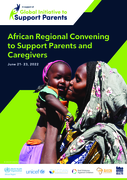
The African Regional Convening of the Global Initiative to Support Parents (GISP) stimulated the interest or engagement of almost 1500 individuals from 742 unique organizations in the fields of health, education, social welfare, women’s affairs, e
...
arly childhood, water and sanitation, mental health, violence prevention, innovative finance, climate, and many others. The convening united representatives across governments, civil society organizations, programme implementers, philanthropies, multilateral organizations, bilateral funders, private companies, universities, schools and day care centres, and hospitals around the common cause of supporting parents and caregivers.
more
La prévalence de la covid -19 chez la femme enceinte et les accouchées semble être faible. Elles étaient asymptomatiques et le pronostic maternel était satisfaisant. Néanmoins, le risque de for.pdf
