
Filter
647
Text search:
PEP
Featured
55
224
Language
Document type
446
92
46
27
16
6
5
3
3
2
1
Countries
44
27
24
21
21
19
15
15
14
14
14
13
13
12
9
9
8
7
7
7
6
6
6
6
5
5
5
5
4
4
4
4
4
4
4
3
3
3
3
3
2
2
2
2
2
1
1
1
1
1
1
1
1
1
1
1
1
1
Authors & Publishers
Publication Years
Category
336
45
37
17
16
14
7
1
Toolboxes
139
24
20
16
13
12
11
10
9
9
8
8
5
3
2
2
2
1
1
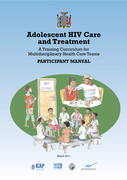
The curriculum, which complements the national pediatric ART training, was finalized in 2011 and was subsequently implemented nationally. The training curriculum includes a 15-module Trainer Manual, a Participant Manual, and accompanying PowerPoint slides.



Biennial Report. SUBMITTED TO THE UNITED NATIONS GENERAL ASSEMBLY SPECIAL SESSION ON HIV AND AIDS
Reporting period: January 2012 – December 2013
This new edition and fully updated publication replaces the 2012 UCG and is being circulated free of charge to all public and private sector prescribers, pharmacists, and regulatory authorities in the country
The WHO guidelines provide recommended steps for safe phlebotomy and reiterate accepted principles for drawing, collecting blood and transporting blood to laboratories/blood banks.
Please download the other parts from the Webseite
Primary Care: The Community Health System

A guide to Primary Health Care Facility Supervision
