
Filter
4209
Text search:
home
delivery
Featured
360
1298
Language
4127
59
51
42
40
17
13
10
6
5
4
4
3
3
3
3
3
2
2
2
2
2
2
2
2
2
2
2
1
1
1
1
1
1
1
1
1
1
1
1
1
1
1
1
1
1
1
1
1
Document type
2647
614
445
175
155
78
39
37
6
6
5
2
Countries
246
175
148
111
109
109
106
100
100
99
94
93
91
90
73
73
68
67
66
45
45
42
40
38
37
33
33
32
28
27
27
26
24
24
22
22
20
19
19
18
16
15
15
14
13
13
13
13
12
12
11
11
11
10
10
9
9
8
8
7
7
7
7
6
6
6
5
5
5
4
4
4
4
4
4
4
4
4
3
3
3
3
3
3
3
3
3
3
3
2
2
2
2
2
2
2
2
2
2
2
1
1
1
1
1
1
1
1
1
1
1
1
1
1
1
1
1
1
1
1
1
1
1
1
1
1
1
1
1
1
1
1
1
Authors & Publishers
418
191
165
115
108
104
93
88
79
40
32
28
26
24
24
23
22
21
20
19
19
18
18
18
17
17
17
17
17
17
17
17
15
15
15
15
14
14
14
14
13
13
13
12
11
11
11
11
11
10
10
10
10
10
10
9
9
9
9
9
9
9
8
8
8
8
8
8
8
8
8
8
8
7
7
7
7
7
7
7
7
7
7
7
7
7
7
6
6
6
6
6
6
6
6
6
6
6
6
6
6
6
6
6
6
6
6
6
6
6
5
5
5
5
5
5
5
5
5
5
5
5
5
5
5
5
5
5
5
5
5
5
5
5
5
5
5
5
5
4
4
4
4
4
4
4
4
4
4
4
4
4
4
4
4
4
4
4
4
4
4
4
4
4
4
4
4
4
4
4
4
4
4
4
4
4
4
4
4
4
4
4
4
4
4
4
4
4
4
4
4
4
4
4
4
4
4
3
3
3
3
3
3
3
3
3
3
3
3
3
3
3
3
3
3
3
3
3
3
3
3
3
3
3
3
3
3
3
3
3
3
3
3
3
3
3
3
3
3
3
3
3
3
3
3
3
3
3
3
3
3
3
3
3
3
3
3
3
3
3
3
3
3
3
3
3
3
3
3
3
3
3
3
3
3
3
3
3
3
3
3
3
3
3
3
3
3
3
3
3
3
3
3
3
2
2
2
2
2
2
2
2
2
2
2
2
2
2
2
2
2
2
2
2
2
2
2
2
2
2
2
2
2
2
2
2
2
2
2
2
2
2
2
2
2
2
2
2
2
2
2
2
2
2
2
2
2
2
2
2
2
2
2
2
2
2
2
2
2
2
2
2
2
2
2
2
2
2
2
2
2
2
2
2
2
2
2
2
2
2
2
2
2
2
2
2
2
2
2
2
2
2
2
2
2
2
2
2
2
2
2
2
2
2
2
2
2
2
2
2
2
2
2
2
2
2
2
2
2
2
2
2
2
2
2
2
2
2
2
2
2
2
2
2
2
2
2
2
2
2
2
2
2
2
2
2
2
2
2
2
2
2
2
2
2
2
2
2
2
2
2
2
2
2
2
2
2
2
2
2
2
2
2
2
2
2
2
2
2
2
2
2
2
2
2
2
2
2
2
2
2
2
2
2
2
2
2
2
2
2
2
2
2
2
2
2
2
2
2
2
2
2
2
2
2
2
2
2
2
2
2
2
2
2
2
2
2
2
2
2
2
2
2
2
2
2
2
2
2
2
2
2
1
1
1
1
1
1
1
1
1
1
1
1
1
1
1
1
1
1
1
1
1
1
1
1
1
1
1
1
1
1
1
1
1
1
1
1
1
1
1
1
1
1
1
1
1
1
1
1
1
1
1
1
1
1
1
1
1
1
1
1
1
1
1
1
1
1
1
1
1
1
1
1
1
1
1
1
1
1
1
1
1
1
1
1
1
1
1
1
1
1
1
1
1
1
1
1
1
1
1
1
1
1
1
1
1
1
1
1
1
1
1
1
1
1
1
1
1
1
1
1
1
1
1
1
1
1
1
1
1
1
1
1
1
1
1
1
1
1
1
1
1
1
1
1
1
1
1
1
1
1
1
1
1
1
1
1
1
1
1
1
1
1
1
1
1
1
1
1
1
1
1
1
1
1
1
1
1
1
1
1
1
1
1
1
1
1
1
1
1
1
1
1
1
1
1
1
1
1
1
1
1
1
1
1
1
1
1
1
1
1
1
1
1
1
1
1
1
1
1
1
1
1
1
1
1
1
1
1
1
1
1
1
1
1
1
1
1
1
1
1
1
1
1
1
1
1
1
1
1
1
1
1
1
1
1
1
1
1
1
1
1
1
1
1
1
1
1
1
1
1
1
1
1
1
1
1
1
1
1
1
1
1
1
1
1
1
1
1
1
1
1
1
1
1
1
1
1
1
1
1
1
1
1
1
1
1
1
1
1
1
1
1
1
1
1
1
1
1
1
1
1
1
1
1
1
1
1
1
1
1
1
1
1
1
1
1
1
1
1
1
1
1
1
1
1
1
1
1
1
1
1
1
1
1
1
1
1
1
1
1
1
1
1
1
1
1
1
1
1
1
1
1
1
1
1
1
1
1
1
1
1
1
1
1
1
1
1
1
1
1
1
1
1
1
1
1
1
1
1
1
1
1
1
1
1
1
1
1
1
1
1
1
1
1
1
1
1
1
1
1
1
1
1
1
1
1
1
1
1
1
1
1
1
1
1
1
1
1
1
1
1
1
1
1
1
1
1
1
1
1
1
1
1
1
1
1
1
1
1
1
1
1
1
1
1
1
1
1
1
1
1
1
1
1
1
1
1
1
1
1
1
1
1
1
1
1
1
1
1
1
1
1
1
1
1
1
1
1
1
1
1
1
1
1
1
1
1
1
1
1
1
1
1
1
1
1
1
1
1
1
1
1
1
1
1
1
1
1
1
1
1
1
1
1
1
1
1
1
1
1
1
1
1
1
1
1
1
1
1
1
1
1
1
1
1
1
1
1
1
1
1
1
1
1
1
1
1
1
1
1
1
1
1
1
1
1
1
1
1
1
1
1
1
1
1
1
1
1
1
1
1
1
1
1
1
1
1
1
1
1
1
1
1
1
1
1
1
1
1
1
1
1
1
1
1
1
1
1
1
1
1
1
1
1
1
1
1
1
1
1
1
1
1
1
1
1
1
1
1
1
1
1
1
1
1
1
1
1
1
1
1
1
1
1
1
1
1
1
1
1
1
1
1
1
1
1
1
1
1
1
1
1
1
1
1
1
1
1
1
1
1
1
1
1
1
1
1
1
1
1
1
1
1
1
1
1
1
1
1
1
1
1
1
1
1
1
1
1
1
1
1
1
1
1
1
1
1
1
1
1
1
1
1
1
1
1
1
1
1
1
1
1
1
1
1
1
1
1
1
1
1
1
1
1
1
1
1
1
1
1
1
1
1
1
1
1
1
1
1
1
1
1
1
1
1
1
1
1
1
1
1
1
1
1
1
1
1
1
1
1
1
1
1
1
1
1
1
1
1
1
1
1
1
1
1
1
1
1
1
1
1
1
1
1
1
1
1
1
1
1
1
1
1
1
1
1
1
1
1
1
1
1
1
1
1
1
1
1
1
1
1
1
1
1
1
1
1
1
1
1
1
1
1
1
1
1
1
1
1
1
1
1
1
1
1
1
1
1
1
1
1
1
1
1
1
1
1
1
1
1
1
1
1
1
1
1
1
1
1
1
1
1
1
1
1
1
1
1
1
1
1
1
1
1
1
1
1
1
1
1
1
1
1
1
1
1
1
1
1
1
1
1
1
1
1
1
1
1
1
1
1
1
1
1
1
1
1
1
1
1
1
1
1
1
1
1
1
1
1
1
1
1
1
1
1
1
1
1
1
1
1
1
1
1
1
1
1
1
1
1
1
1
1
1
1
1
1
1
1
1
1
1
1
1
1
1
1
1
1
1
1
1
1
1
1
1
1
1
1
1
1
1
1
1
1
1
1
1
1
1
1
1
1
1
1
1
1
1
1
1
1
1
1
1
1
1
1
1
1
1
1
1
1
1
1
1
1
1
1
1
1
1
1
1
1
1
1
1
1
1
1
1
1
1
1
1
1
1
1
1
1
1
1
1
1
1
1
1
1
1
1
1
1
1
1
1
1
1
1
1
1
1
1
1
1
1
1
1
1
1
1
1
1
1
1
1
1
1
1
1
1
1
1
1
1
1
1
1
1
1
1
1
1
1
1
1
1
1
1
1
1
1
1
1
1
1
1
1
1
1
1
1
1
1
1
1
1
1
1
1
1
1
1
1
1
1
1
1
1
1
1
1
1
1
1
1
1
1
1
1
1
1
1
1
1
1
1
1
1
1
1
1
1
1
1
1
1
1
1
1
1
1
1
1
1
1
1
1
1
1
1
1
1
1
1
1
1
1
1
1
1
1
1
1
1
1
1
1
1
1
1
1
1
1
1
1
1
1
1
1
1
1
1
1
1
1
1
1
1
1
1
1
1
1
1
1
1
1
1
1
1
1
1
1
1
1
1
1
1
1
1
1
1
1
1
1
1
1
1
1
1
1
1
1
1
1
1
1
1
1
1
1
1
1
1
1
1
1
1
1
1
1
1
1
1
1
1
1
1
1
1
1
1
1
1
1
1
1
1
1
1
1
1
1
1
1
1
1
1
1
1
1
1
1
1
1
1
1
1
1
1
1
1
1
1
1
1
1
1
1
1
1
1
1
1
1
1
1
1
1
1
1
1
1
1
1
1
1
1
1
1
1
1
1
1
1
1
1
1
1
1
1
1
1
1
1
1
1
1
1
1
1
1
1
1
1
1
1
1
1
1
1
1
1
1
1
1
1
1
1
1
1
1
1
1
1
1
1
1
1
1
1
1
1
1
1
1
1
1
1
1
1
1
1
1
1
1
1
1
1
1
1
1
1
1
1
1
1
1
1
1
1
1
1
1
1
1
1
1
1
1
1
1
1
1
1
1
1
1
1
1
1
1
1
1
1
1
1
1
1
1
1
1
1
1
1
1
1
1
1
1
1
1
1
1
1
1
1
1
1
1
1
1
1
1
1
1
1
1
1
1
1
1
1
1
1
1
1
1
1
1
1
1
1
1
1
1
1
1
1
1
1
1
1
1
1
1
1
1
1
1
1
1
1
1
1
1
1
1
1
1
1
1
1
1
1
1
1
1
1
1
1
1
1
1
1
1
1
1
1
1
1
1
1
1
1
1
1
1
1
1
1
1
1
1
1
1
1
1
1
1
1
1
1
1
1
1
1
1
1
1
1
1
1
1
1
1
1
1
1
1
1
1
1
1
1
1
1
1
1
1
1
1
1
1
1
1
1
1
1
1
1
1
1
1
1
1
1
1
1
1
1
1
1
1
1
1
1
1
1
1
1
1
1
1
1
1
1
1
1
1
1
1
1
1
1
1
1
1
1
1
1
1
1
1
1
1
1
1
1
1
1
1
1
1
1
1
1
1
1
1
1
1
1
1
1
1
1
1
1
1
1
1
1
1
1
1
1
1
1
1
1
1
1
1
1
1
1
1
1
1
1
1
1
1
1
1
1
1
1
1
1
1
1
1
1
1
1
1
1
1
1
1
1
1
1
1
1
1
1
1
1
1
1
1
1
1
1
1
1
1
1
1
1
1
1
1
1
1
1
1
1
1
1
1
1
1
1
1
1
1
1
1
1
1
1
1
1
1
1
1
1
1
1
1
1
1
1
1
1
1
1
1
1
1
1
1
1
1
1
1
1
1
1
1
1
1
1
1
1
1
1
1
1
1
1
1
1
1
1
1
1
1
1
1
1
1
1
1
1
1
1
1
1
1
1
1
1
1
1
1
1
1
1
1
1
1
1
1
1
1
1
1
1
1
1
1
1
1
1
1
1
1
1
1
1
1
1
1
1
1
1
1
1
1
1
1
1
1
1
1
1
1
1
1
1
1
1
1
1
1
1
1
1
1
1
1
1
1
1
1
1
1
1
1
1
1
1
1
1
1
1
1
1
1
1
1
1
1
1
1
1
1
1
1
1
1
1
1
1
1
1
1
1
1
1
1
1
1
1
1
1
1
1
1
1
1
1
1
1
1
1
1
1
1
1
1
1
1
1
1
1
1
1
1
1
1
1
1
1
1
1
1
1
1
1
1
1
1
1
1
1
1
1
1
1
1
1
1
1
1
1
1
1
1
1
1
1
1
1
1
1
1
1
1
1
1
1
1
1
1
1
1
1
1
1
1
1
1
1
1
1
1
1
1
1
1
1
1
1
1
1
1
1
1
1
1
1
1
1
1
1
1
1
1
1
1
1
1
1
1
1
1
1
1
1
1
1
1
1
1
1
1
1
1
1
1
1
1
1
1
1
1
1
1
1
1
1
1
1
1
1
1
1
1
1
1
1
1
1
1
1
1
1
1
1
1
1
1
1
1
1
1
1
1
1
1
1
1
1
1
1
1
1
1
1
1
1
1
1
1
1
1
1
1
1
1
1
1
1
1
1
1
1
1
1
1
1
1
1
1
1
1
1
1
1
1
1
1
1
1
1
1
1
1
1
1
1
1
1
1
1
1
1
1
1
1
1
1
1
1
1
1
1
1
1
1
1
1
1
1
1
1
1
1
1
1
1
1
1
1
1
1
1
1
1
1
1
1
1
1
1
1
1
1
1
1
1
1
1
1
1
1
1
1
1
1
1
1
1
1
1
1
1
1
1
1
1
1
1
1
1
1
1
1
1
1
1
1
1
1
1
1
1
1
1
1
1
1
1
1
1
1
1
1
1
1
1
1
1
1
1
1
1
1
1
1
1
1
1
1
1
1
1
1
1
1
1
1
1
1
1
1
1
1
1
1
1
1
1
1
1
1
1
1
1
1
1
1
1
1
1
1
1
1
1
1
1
1
1
1
1
1
1
1
1
1
1
1
1
1
1
1
1
1
1
1
1
1
1
1
1
1
1
1
1
1
1
1
1
1
1
1
1
1
1
1
1
1
1
1
1
1
1
1
1
1
1
1
1
1
1
1
1
1
1
1
1
1
1
1
1
1
1
1
1
1
1
1
1
1
1
1
1
1
1
1
1
1
1
1
1
1
1
1
1
1
1
1
1
1
1
1
1
1
1
1
1
1
1
1
1
1
1
1
1
1
1
1
1
1
1
1
1
1
1
1
1
1
1
1
1
1
1
1
1
1
1
1
1
1
1
1
1
1
1
1
1
1
1
1
1
1
1
1
1
1
1
1
1
1
1
1
1
1
1
1
1
1
1
1
1
1
1
1
1
1
1
1
1
1
1
1
1
1
1
1
1
1
1
1
1
1
1
1
1
1
1
1
1
1
1
1
1
1
1
1
1
1
1
1
1
1
1
1
1
1
1
1
1
1
1
1
1
1
1
1
1
1
1
1
1
1
1
1
1
1
1
1
1
1
1
1
1
1
1
1
1
1
1
1
1
1
1
1
1
1
1
1
1
1
1
1
1
1
1
1
1
1
1
1
1
1
1
1
1
1
1
1
1
1
1
1
1
1
1
1
1
1
1
1
1
1
1
1
1
1
1
1
1
1
1
1
1
1
1
1
1
1
1
1
1
1
1
1
1
1
1
1
1
1
1
1
1
1
1
1
1
1
1
1
1
1
1
1
1
1
1
1
1
1
1
1
1
1
1
1
1
1
1
1
1
1
1
1
1
1
1
1
1
1
1
1
1
1
1
1
1
1
1
1
1
1
1
1
1
1
1
1
1
1
1
1
1
1
1
1
1
1
1
1
1
1
1
1
1
1
1
1
1
1
1
1
1
1
1
1
1
1
1
1
1
1
1
1
1
1
1
1
1
1
1
1
1
1
1
1
1
1
1
1
1
1
1
1
1
1
1
1
1
1
1
1
1
1
1
1
1
1
1
1
1
1
1
1
1
1
1
1
1
1
1
1
1
1
1
1
1
1
1
1
1
1
1
1
1
1
1
1
1
1
1
1
1
1
1
1
1
1
1
1
1
1
1
1
1
1
1
1
1
1
1
1
1
1
1
1
1
1
1
1
1
1
1
1
1
1
1
1
1
1
1
1
1
1
1
1
1
1
1
1
1
1
1
1
1
1
1
1
1
1
1
1
1
1
1
1
1
1
1
1
1
1
1
1
1
1
1
1
1
1
1
1
1
1
1
1
1
1
1
1
1
1
1
1
1
1
1
1
1
1
1
1
1
1
1
1
1
1
1
1
1
1
1
1
1
1
1
1
1
1
1
1
1
1
1
1
1
1
1
1
1
1
1
1
1
1
1
1
1
1
1
1
1
1
1
1
1
1
1
1
1
1
1
1
1
1
1
1
1
1
1
1
1
1
1
1
1
1
1
1
1
1
1
1
1
1
1
1
1
1
1
1
1
1
1
1
1
1
1
1
1
1
1
1
1
1
1
1
1
1
1
1
1
1
1
1
1
1
1
1
1
1
1
1
1
1
1
1
1
1
1
1
1
1
1
1
1
1
1
1
1
1
1
1
1
1
1
1
1
1
1
1
1
1
1
1
1
1
1
1
1
1
1
1
1
1
1
1
Publication Years
1015
2739
441
13
1
Category
1948
298
272
239
144
107
16
5
1
1
Toolboxes
361
316
293
195
177
151
144
85
80
78
65
61
48
46
42
32
31
26
20
19
18
17
12
2
1
Final Evaluation
The project objectives were to promote the conservation, sustainable use and cultivation of endangered medicinal plants in Zimbabwe, by demonstrating effective models at the local level, and developing a legal framework for the conservation, sustainable use, and equitable shari ... ng of benefits from medicinal plants at the national level. After one year of implementation, the project rationale, indicators and targets were reviewed in order to make them more rigorous as per the new GEF focus on project impact. New indicators and targets were developed in December 2004. The project is composed of five closely linked output areas that have been allocated to different implementing partners to take a lead in. These include the National Herbarium and Botanical Gardens (Output 1), the University of Zimbabwe School of Pharmacy (Output 2), the Southern Alliance for Indigenous Resources (SAFIRE), a regional NGO (Output 2 and 4), and the Attorney General‟s Office (Output 5). more
The project objectives were to promote the conservation, sustainable use and cultivation of endangered medicinal plants in Zimbabwe, by demonstrating effective models at the local level, and developing a legal framework for the conservation, sustainable use, and equitable shari ... ng of benefits from medicinal plants at the national level. After one year of implementation, the project rationale, indicators and targets were reviewed in order to make them more rigorous as per the new GEF focus on project impact. New indicators and targets were developed in December 2004. The project is composed of five closely linked output areas that have been allocated to different implementing partners to take a lead in. These include the National Herbarium and Botanical Gardens (Output 1), the University of Zimbabwe School of Pharmacy (Output 2), the Southern Alliance for Indigenous Resources (SAFIRE), a regional NGO (Output 2 and 4), and the Attorney General‟s Office (Output 5). more
Guidelines for drinking-water quality: Fourth edition incorporating the first and second addenda
recommended
Guidance has been updated on a number of chemicals: asbestos, bentazone, chromium, iodine, manganese, microcystins, nickel, silver, tetrachloroethene and trichloroethene. Guidance has also been added for chemicals not previously assessed in the Guidelines: anatoxin-a and analogues, cylindrospermopsi
...
ns and saxitoxins. The new guidance on organotins has replaced the prior guidance focused on dialkyltins. With these updates, the guideline values for tetrachloroethene and trichloroethene have been revised while new guideline values for cylindrospermopsins, manganese, microcystins, and saxitoxins have been established .
Updated information on cyanobacteria has been included, introducing an alert level framework for early-warning and to guide short-term management responses. Guidance has also been updated in the sections on adequacy of water supply, climate change, emergencies, food production and processing, and radiological aspects, particularly on managing radionuclides when exceeding WHO screening values and guidance levels.
more
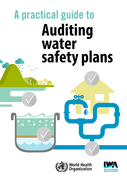
The WHO/IWA document A practical guide to auditing water safety plans provides guidance on developing and implementing a WSP auditing scheme, covering such topics as the aim and role of auditing, auditor training and certification, audit criteria, audit timing and frequency and audit reportin
...
g. The guidance document includes examples, tips, tools and case studies from more than a dozen low-, middle-, and high-income countries, and it serves as a practical resource for policy makers, government bodies responsible for drinking-water regulation or surveillance and water suppliers implementing WSPs.
more
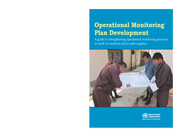
The guide is presented in two parts:
Part 1. Principles of Operational Monitoring: Describes the key principles of operational monitoring, alongside the types of operational monitoring that may be performed and the information required within an OMP.
Part 2. Operational Monitorin ... g Plan Development: Describes the stepwise development of an OMP for a water supply system, including the source, water treatment, intermediate storage, distribution and household. For illustration purposes, practical guidance is provided using a specimen water supply system considered to be representative of a conventional small- to medium-sized supply in a lower resource setting. This template may be used to develop system-specific OMPs for individual water supply systems. more
Part 1. Principles of Operational Monitoring: Describes the key principles of operational monitoring, alongside the types of operational monitoring that may be performed and the information required within an OMP.
Part 2. Operational Monitorin ... g Plan Development: Describes the stepwise development of an OMP for a water supply system, including the source, water treatment, intermediate storage, distribution and household. For illustration purposes, practical guidance is provided using a specimen water supply system considered to be representative of a conventional small- to medium-sized supply in a lower resource setting. This template may be used to develop system-specific OMPs for individual water supply systems. more
Census Report Volume 4-C
The 2014 Myanmar Census provided the opportunity to measure maternal mortality. The questions on deaths in households during the twelve months prior to the Census were included in the questionnaire, as well as questions necessary to estimate maternal mortality indicator ... s. more
The 2014 Myanmar Census provided the opportunity to measure maternal mortality. The questions on deaths in households during the twelve months prior to the Census were included in the questionnaire, as well as questions necessary to estimate maternal mortality indicator ... s. more
Census Report Volume 4-E
As no census has been undertaken in over 30 years, many aspects of the demographic situation in the country were unknown. For instance, before the Census it was thought that the country had a population of about 60 million, but the 2014 Census showed that the population ... (including an estimate for under-enumeration) was 51,486,253 persons, around 8.5 million less than the previous estimate.
In the 1983 census, 35,307,913 persons were recorded. Therefore between 1983 and 2014, the population increased by 46 per cent. With an average annual population growth rate of 0.89 per cent between 2003 and 2014, Myanmar is one of the slowest growing countries in Southeast Asia. more
As no census has been undertaken in over 30 years, many aspects of the demographic situation in the country were unknown. For instance, before the Census it was thought that the country had a population of about 60 million, but the 2014 Census showed that the population ... (including an estimate for under-enumeration) was 51,486,253 persons, around 8.5 million less than the previous estimate.
In the 1983 census, 35,307,913 persons were recorded. Therefore between 1983 and 2014, the population increased by 46 per cent. With an average annual population growth rate of 0.89 per cent between 2003 and 2014, Myanmar is one of the slowest growing countries in Southeast Asia. more
Census Report Volume 4-A
This thematic report presents findings on fertility and nuptiality in Myanmar. The analysis hows that the total fertility rate is 2.5 children per woman at the Union level, 1.9 children per woman for urban areas, and 2.8 children per woman for rural areas. Total fertili ... ty for States and Regions varies from a high of 5.0 children per woman for Chin State to a low of 1.8 children per woman for Yangon Region. Total fertility appears to have declined at a rate of at least one child per woman per decade between 1970 and 2000. This relatively rapid decline apparently ceased sometime during the 1990s or 2000s. Estimates from the 2001 and 2007 surveys suggest that the level of fertility may have fluctuated between 2000 and 2014, but with no overall trend up or down. The marital status data shows an exceptionally high proportion of women remaining never married at age 50. more
This thematic report presents findings on fertility and nuptiality in Myanmar. The analysis hows that the total fertility rate is 2.5 children per woman at the Union level, 1.9 children per woman for urban areas, and 2.8 children per woman for rural areas. Total fertili ... ty for States and Regions varies from a high of 5.0 children per woman for Chin State to a low of 1.8 children per woman for Yangon Region. Total fertility appears to have declined at a rate of at least one child per woman per decade between 1970 and 2000. This relatively rapid decline apparently ceased sometime during the 1990s or 2000s. Estimates from the 2001 and 2007 surveys suggest that the level of fertility may have fluctuated between 2000 and 2014, but with no overall trend up or down. The marital status data shows an exceptionally high proportion of women remaining never married at age 50. more


In many of Myanmar’s contested regions, healthcare services are provided through two parallel governance systems – by the government’s Ministry of Health, and by providers linked to ethnic armed organizations. Building upon efforts to build trust between these two actors following ceasefires s
...
igned in 2011 and 2012, the new National League for Democracy-led government offers an unprecedented opportunity to increase cooperation between these systems and to ensure health services reach Myanmar’s most vulnerable populations.
The report provides an overview of existing health service arrangements in these areas, from both the Ministry of Health and from ethnic and community-based health organizations. It then unpacks the concept of “convergence”, highlighting key opportunities and policy recommendations for both government and non-government actors. more
The report provides an overview of existing health service arrangements in these areas, from both the Ministry of Health and from ethnic and community-based health organizations. It then unpacks the concept of “convergence”, highlighting key opportunities and policy recommendations for both government and non-government actors. more

Fostering resilient development through integrated action plan
The Myanmar Action Plan on Disaster Risk Reduction, 2017 is a comprehensive and unified action plan for disaster risk reduction with prioritized interventions across Myanmar till 2020. With a long term vision and considering deep-root ... ed underlying drivers of disaster risk, it has set an overall target for 2030. it aims to provide a base for mobilizing and leveraging, primarily, national and external resources and will provide a basis for result printed outcomes.
The action plan identifies 32 priority actions under four pillars: risk information and awareness; risk governance; risk mitigation; and preparedness and response, rehabilitation and reconstruction. For each priority action, objectives, activities, outputs, duration, lead agencies, and supporting partners have been identified. more
The Myanmar Action Plan on Disaster Risk Reduction, 2017 is a comprehensive and unified action plan for disaster risk reduction with prioritized interventions across Myanmar till 2020. With a long term vision and considering deep-root ... ed underlying drivers of disaster risk, it has set an overall target for 2030. it aims to provide a base for mobilizing and leveraging, primarily, national and external resources and will provide a basis for result printed outcomes.
The action plan identifies 32 priority actions under four pillars: risk information and awareness; risk governance; risk mitigation; and preparedness and response, rehabilitation and reconstruction. For each priority action, objectives, activities, outputs, duration, lead agencies, and supporting partners have been identified. more

Background Paper prepared for the 2015 Global Assessment Report on Disaster Risk Reduction
The aim of this paper is to help bring voluntary standards into the toolbox of disaster risk reduction, including both by encouraging their use by business and by enhancing their role in legislation and ... regulatory practice.
- Authorities can build awareness for standards in Disaster Risk Reduction (DRR), by facilitating access to relevant standards, encouraging education on DRR-related standards and involving the standardization community.
- Standards need to be sustained by a powerful infrastructure that allows for reliable inspections, audits and precise measurements to be conducted by skilled professionals.
- Risk management best practice needs to embed, as emdodies in standards, more fully in regulatory frameworks in sectors that are relevant. more
The aim of this paper is to help bring voluntary standards into the toolbox of disaster risk reduction, including both by encouraging their use by business and by enhancing their role in legislation and ... regulatory practice.
- Authorities can build awareness for standards in Disaster Risk Reduction (DRR), by facilitating access to relevant standards, encouraging education on DRR-related standards and involving the standardization community.
- Standards need to be sustained by a powerful infrastructure that allows for reliable inspections, audits and precise measurements to be conducted by skilled professionals.
- Risk management best practice needs to embed, as emdodies in standards, more fully in regulatory frameworks in sectors that are relevant. more
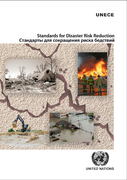
Стандарты для сокращения риска бедствий


The ERP approach seeks to improve effectiveness by reducing both time and effort, enhancing predictability through establishing predefined roles, responsibilities and coordination mechanisms. The Emergency Response Preparedness Plan (ERPP) has four main components: i) Risk Assessment, ii) Minimum Pr
...
eparedness Actions, iii) Standard Operating Procedures (SOP), and iv) Contingency Plans for the initial emergency response. Besides these four elements, the preparedness package also includes the updated Multi-Sector Initial Rapid Assessment (MIRA) methodology, the Scenario Plan for a cyclone in Ayeyawaddy as well as the key documents for cash transfer programming in new emergencies.
more

The publication aims to establish the rationale for inclusion and provides technical advice and tools for putting theory into practice. It is intended to be used as a reference during organizational and program/project development with a focus on gender responsiveness and disability inclusion as wel
...
l as a tool to support good practice in implementation.
This first part guides the reader through the process of assessing whether or not the organization is ready to change towards becoming a more inclusive organization. The second part introduces the ACAP framework, which sets up a way of approaching inclusion via focus on the areas: Access, Communication, Attitude and Participation. It then demonstrates how the framework can be applied to projects and programmes. The third part provides guidelines for the people who will guide organizations through the process of change towards becoming inclusive of persons from marginalized groups. more
This first part guides the reader through the process of assessing whether or not the organization is ready to change towards becoming a more inclusive organization. The second part introduces the ACAP framework, which sets up a way of approaching inclusion via focus on the areas: Access, Communication, Attitude and Participation. It then demonstrates how the framework can be applied to projects and programmes. The third part provides guidelines for the people who will guide organizations through the process of change towards becoming inclusive of persons from marginalized groups. more
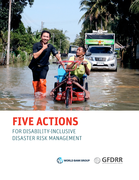
A recent survey of the literature and experience identified five broad actions that development institutions and governments, as well as their partners and stakeholders, can take to improve disability-inclusive disaster risk management. Those five actions are:
- Include persons with disabilitie ... s as valued stakeholders in disaster risk management activities
- Help remove barriers to the full participation of persons with disabilities
- Increase awareness among governments and their partners of the safety and security needs of persons with disabilities
- Collect data that is disaggregated by disability
- Ensure that new construction, rehabilitation and reconstruction are accessible to persons with disabilities more
- Include persons with disabilitie ... s as valued stakeholders in disaster risk management activities
- Help remove barriers to the full participation of persons with disabilities
- Increase awareness among governments and their partners of the safety and security needs of persons with disabilities
- Collect data that is disaggregated by disability
- Ensure that new construction, rehabilitation and reconstruction are accessible to persons with disabilities more

Disability Inclusion in Disaster Risk Management: Promising practices and opportunities for enhanced engagement
Guernsey, Katherine; Scherrer, Valérie
Global Facility for Disaster Reduction and Recovery (GFDRR), World Bank
(2018)
C1
This paper provides information to assist World Bank and GFDRR staff in affecting disability-inclusive DRM. It is based upon desk reviews of existing practice, as well as consultations with experts in the field of disability-inclusive DRM. The paper:
- Illustrates promising practices related to ... disability-inclusive DRM;
- Identifies key gaps in knowledge and practices;
- Identifies value-added areas for GFDRR and the World Bank, including specific actions they can take to advance the disability and social inclusion agenda in DRM;
It includess:
- Relevant guiding international policy frameworks;
- Disability inclusion in the priorities of the Sendai Framework for Disaster Risk Reduction; - Illustrations of promising practices in disability-inclusive DRM;
- An annex of resources related to disability and DRM. more
- Illustrates promising practices related to ... disability-inclusive DRM;
- Identifies key gaps in knowledge and practices;
- Identifies value-added areas for GFDRR and the World Bank, including specific actions they can take to advance the disability and social inclusion agenda in DRM;
It includess:
- Relevant guiding international policy frameworks;
- Disability inclusion in the priorities of the Sendai Framework for Disaster Risk Reduction; - Illustrations of promising practices in disability-inclusive DRM;
- An annex of resources related to disability and DRM. more

Overview:
- Part A is an introductory part which will give you background information about CBDRR in Myanmar. It has a small section about the importance of CBDRR in Myanmar, the stakeholders of CBDRR in Myanmar, as well as an overview about the challenges that are faced when implementing CBDRR ... in Myanmar.
- Part B contains the instructions on how to conduct the 9-step process agreed upon and described in detail in the step-by-step methodology document. These nine (9) steps are considered the minimum required activities to be followed by all MRCS community based initiatives regardless of their budget or time frame.
- Part C includes all the implementation steps of CBDRR programs namely step 6 (Action Plan Development), and step 7 (Implementation of Action Plan).
- Part D includes all the steps that finalize a CBDRR program namely step 4 and step 8 (Baseline and Endline Study) as well as step 9 (Handover & Exit Strategy). more
- Part A is an introductory part which will give you background information about CBDRR in Myanmar. It has a small section about the importance of CBDRR in Myanmar, the stakeholders of CBDRR in Myanmar, as well as an overview about the challenges that are faced when implementing CBDRR ... in Myanmar.
- Part B contains the instructions on how to conduct the 9-step process agreed upon and described in detail in the step-by-step methodology document. These nine (9) steps are considered the minimum required activities to be followed by all MRCS community based initiatives regardless of their budget or time frame.
- Part C includes all the implementation steps of CBDRR programs namely step 6 (Action Plan Development), and step 7 (Implementation of Action Plan).
- Part D includes all the steps that finalize a CBDRR program namely step 4 and step 8 (Baseline and Endline Study) as well as step 9 (Handover & Exit Strategy). more
