
Filter
3816
Filtered Results: 3816
Text search:
conflict
situation
Featured
Recommendations
326
New Publications
1035
Language
Document type
No document type
2140
Studies & Reports
670
Guidelines
390
Manuals
209
Strategic & Response Plan
173
Fact sheets
75
Situation Updates
74
Training Material
58
Resource Platforms
19
Brochures
6
Online Courses
2
Countries / Regions
Global
165
Syria
136
Myanmar / Burma
109
Congo, Democratic Republic of
102
Ukraine
90
Liberia
89
India
77
Sierra Leone
68
Nepal
68
Kenya
68
South Sudan
67
Yemen
59
Nigeria
56
Uganda
55
Bangladesh
54
Latin America and the Carribbean
54
Western and Central Europe
53
Ethiopia
51
Africa
49
Central African Republic
45
Venezuela
45
South Africa
40
Afghanistan
33
Colombia
29
Zambia
27
Tanzania
27
Guinea
26
Philippines
26
Germany
26
Rwanda
26
Indonesia
25
West and Central Africa
25
Ghana
24
Malawi
24
South–East Asia Region
24
Burkina Faso
22
Senegal
21
Mozambique
21
Cameroon
20
Pakistan
20
Lebanon
20
Haiti
19
Somalia
18
Jordan
18
East and Southern Africa
18
Mali
17
Sudan
17
Asia
17
Iraq
16
Cambodia
15
Middle East and North Africa
15
Eastern Europe
14
Benin
13
Lesotho
13
Argentina
12
Niger
11
Thailand
11
Namibia
11
Peru
11
Zimbabwe
10
Eastern Europe and Central Asia
10
Moldova
10
Sri Lanka
9
Paraguay
9
Palestine
9
Chile
8
Vietnam
8
Turkey
7
Botswana
7
Madagascar
7
Iran
7
Brazil
6
Ecuador
6
Greece
6
Spain
6
Côte d’Ivoire / Ivory Coast
5
USA
5
Chad
5
China
5
Eswatini/ Swaziland
5
Burundi
5
Libya
5
Western Pacific Region
5
Poland
5
Laos
5
Russia
5
Papua New Guinea
4
Guatemala
4
Romania
4
Togo
3
Hungary
3
Croatia
3
Bolivia
3
Angola
3
Albania
3
Canada
3
Japan
3
France
3
Guinea-Bissau
2
Egypt
2
Malaysia
2
Singapore
2
Serbia
2
El Salvador
2
Mexico
2
Italy
2
Djibouti
2
Congo-Brazzaville
2
Timor Leste/ East Timor
2
Tajikistan
2
Bulgaria
2
Mauritius
2
Tunisia
2
Belarus
2
Morocco
1
Saudi Arabia
1
Mauritania
1
Ireland
1
Vanuatu
1
North Macedonia
1
Luxembourg
1
Solomon Islands
1
North Korea
1
Armenia
1
Lithuania
1
Slovakia
1
Kyrgyzstan
1
Georgia
1
Turkmenistan
1
Belgium
1
Portugal
1
Azerbaijan
1
Bosnia and Herzegovina
1
Authors & Publishers
Publication Years
Category
Countries
1220
Women & Child Health
253
Key Resources
233
Clinical Guidelines
184
Public Health
176
Capacity Building
72
Pharmacy & Technologies
15
Annual Report MEDBOX
3
General Guidelines
1
Protection & Security
1
Toolboxes
Mental Health
447
COVID-19
368
Conflict
358
Disability
212
Refugee
156
HIV
151
Planetary Health
140
Ebola
129
Rapid Response
88
Global Health Education
88
Caregiver
87
TB
86
Natural Hazards
83
NTDs
50
Social Ethics
37
Pharmacy
34
Polio
33
AMR
31
Health Financing Toolbox
31
NCDs
31
Specific Hazards
29
Zika
25
Cholera
19
Health Financing
3
South Sudan
2
Typhoon
2
Under the theme Equity at the Heart of Health, this Plan seeks to catalyze efforts in Member States to reduce inequities in health within and between countries and territories in order to improve health outcomes. The Plan identifies specific actions to tackle health inequality, including those recom...
Part 2: Part 2 Beyond the evidence: Implications for innovation and practice
Part 2 of the Gap Analysis presents the insights from individuals working in humanitarian response, disability inclusion and older age inclusion. This report begins by looking at how an agenda for the inclusion of people ...
The report finds that, as of 3 November, in 87 countries with age-disaggregated data, children and adolescents under 20 years of age accounted for 1 in 9 of COVID-19 infections, or 11 per cent of the 25.7 million infections reported by these countries. More reliable, age-disaggregated data on infect...
An evidence-informed approach for non-formal, out-of-school CSE programmes that aims to reach young people from left-behind populations
This guidance is intended to assist anyone designing and/or implementing CSE in out-of-school settings, especially in low- and middle-income countries. This includ...
The purpose of this guide is to offer recommendations for improving the implementation of non‑pharmacological public health measures during the COVID-19 response and compliance with these measures by population groups in situations of vulnerabilit...
From Participation to Partnerships (September 2020)
Despite the COVID-19 challenges, children around the world have found meaningful ways to support and protect their peers, families, and communities. Children are on the frontlines of innovative responses and are working closely with their adult al...
Concentrations of the major greenhouse gases, CO2 , CH4 , and N2 O, continued to increase despite the temporary reduction in emissions in 2020 related to measures taken in response to COVID-19.
2020 was one of the three warmest years on record. The past six years, including 2020, have been the si...
The WHO SAGE values framework for the allocation and prioritization of COVID-19 vaccination is intended to offer guidance on the prioritization of groups for vaccination when vaccine supply is limited. It provides a values foundation for the objectives of COVID-19 vaccination programmes and links t...
In Control. A Practical Handbook for Professionals Working in Health Emergencies Internationally
recommended
In Control imparts knowledge, provokes reflection and triggers curiosity. The first half of the book provides an overview of the organisations, principles, frameworks and themes that every professional deploying to health emergencies should be aware of. The second half of the book provides practical...
The growing understanding of how sequence information can contribute to improved public health is driving global investments in sequencing facilities and programmes. The falling cost and complexity of generating GSD provides opportunities for expanding sequencing capacity; however, challenges to wid...
English Analysis on World and 19 other countries about Agriculture, Food and Nutrition and Drought; published on 13 Jan 2021 by FAO
Excessive consumption of salt (more than 5 g per day) raises blood pressure, a major risk factor for cardiovascular diseases such as heart disease and stroke, and is the leading cause of death in the WHO European Region. Many countries in the Region have initiated national salt reduction strategies,...
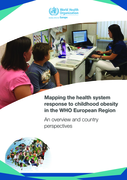
Childhood obesity is a major public health problem globally, which could undermine progress towards achieving the Sustainable Development Goals. Prevention is recognized as the most efficient means of curbing the epidemic; however, given the scale of the problem and the many children who need profes...
The Federal Ministry of Health (FMOH) has been coordinating sector wide reforms that aim to improve equity and quality of maternal and child health services. As part of these efforts, the ministry is also exerting concerted efforts to improve availability and use of quality...
28 Dec 2020. The main objective of these guidelines is to provide tools for staff working in the field of immunization to support effective communication between health personnel and the general population, with the aim of strengthening, maintaining or recovering trust in vaccines and the immunizati...
Developing countries face disastrous healthcare setbacks, hunger and huge international debt as covid-19’s ‘final wave’

Oxfam’s report found that Covid-19 has the potential to increase economic inequality in almost every country at once, the first time this has happened since records began over a century ago. It sets out how a rigged economy is enabling a super-rich elite to amass wealth in the middle of the worst ...
Technical Meeting Report, 14-15 July 2020, Geneva
31 Janaury 2021
SCORE for health data technical package. The first global assessment on the status and capacity of health information systems in 133 countries, covering 87% of the global population.
It identifies gaps and provides guidance for investment in areas that can have the greatest impact ...
