Filter
1506
Text search:
tobacco
use
Featured
109
404
Language
Document type
862
308
138
64
48
34
17
9
9
7
3
3
2
Countries
122
113
58
36
35
34
29
28
28
26
26
25
25
24
23
23
23
22
22
20
20
20
19
18
14
14
13
12
12
9
8
8
7
7
7
6
6
6
6
6
5
5
5
4
4
4
4
4
3
3
3
3
3
3
3
3
3
3
3
3
2
2
2
2
2
2
2
2
2
2
2
2
2
2
2
2
2
2
2
2
1
1
1
1
1
1
1
1
1
1
1
1
1
1
1
1
1
1
1
1
1
Authors & Publishers
Publication Years
Category
695
191
116
56
32
11
3
Toolboxes
219
172
101
55
51
49
42
32
19
17
16
14
8
8
6
6
5
4
3
3
3
2
1
1
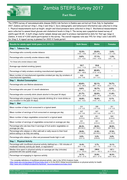
The STEPS survey of noncommunicable disease (NCD) risk factors in Zambia was carried out from July to September 2017. Zambia carried out Step 1, Step 2 and Step 3. Socio demographic and behavioural information was collected in Step 1. Physical measurements such as height, weight and blood pressure w
...
Zambia Report for 2017
When you hear, read, or watch news about an outbreak of an infectious disease such as Ebola, you may feel anxious and show signs of stress—even when the outbreak affects people far from where you live and you are at low or no risk of getting sick. These signs of stress are normal, and may be more
...
Namibia is no exception to the growingglobal concern on the increasing burden of NCDs. Namibia is an upper middle income country with fast economic growth since independence in 1990. The country is bearing the double burden of communicable and noncommunicable diseases and rapid urbanizat
...
As part of our commitment to the fight against NCDs, Nigeria was signatory to the political declaration at the UN General Assembly High Level Meeting on NCDs in September 2011. Thus, the purpose of this document is to develop and ensure the implementation of policies and p
...
These key factors can help you live a longer, healthier life and reduce your risk of heart disease and stroke. They’re part of an overall healthy lifestyle and prevention approach you can build with your health care team (doctors, nurses, pharmacists and other professionals).
This policy brief explores the impact of air pollution on health and address the air quality issue in the response to noncommunicable diseases (NCDs). It also provides key actions that policy makers, NGOs and health professionals can take to ensure that every one can breathe clean air.
Non-Communicable Diseases (NCDs), including mental disorders, currently pose one of the biggest threats to health and development globally, particularly in low and middle income countries2. It is predicted that unless proven interventions are rapidly implemented in countries, in the short to medium
...
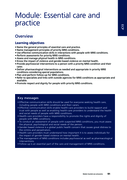
Key messages include Effective communication skills should be used for everyone seeking health care,
including people with MNS conditions and their carers; Effective communication skills enable health-care providers to build rapport and trust with people as well as enabling health-care providers to
...
First WHO Global Ministerial Conference
Ending TB in the Sustainable Development Era: A Multisectoral Response
Moscow, Russian Federation, 16-17 November 2017