Filter
776
Text search:
sop
Featured
106
301
Language
Document type
490
136
55
32
20
12
11
9
5
3
2
1
Countries
63
54
36
29
28
26
26
24
23
19
18
18
17
17
15
13
13
11
11
10
10
10
8
8
7
7
7
6
6
6
5
5
4
4
4
4
4
4
3
3
3
3
3
2
2
2
2
2
2
2
2
2
2
2
2
2
2
1
1
1
1
1
1
1
1
1
1
1
1
1
1
1
1
1
1
1
1
1
Authors & Publishers
Publication Years
Category
455
46
26
21
18
13
12
2
1
Toolboxes
76
50
43
42
40
31
28
15
14
12
10
9
8
7
6
5
5
3
2
1
1
1
Regulation of the Minister of Health of the Republic of Indonesia concerning guidelines for implementation of opioid replacement therapy program
n Autumn 2013, HHI Executive Director, Vincenzo Bollettino, traveled to the Philippines to participate in an assessment of civil-military engagement in the humanitarian response to Typhoon Haiyan. The report was sponsored by the Center for Excellence in Disaster Management and Humanitarian Assistanc
...
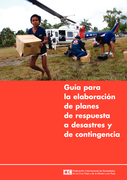
La responsabilidad de elaborar planes de respuesta a deasastres y de contingencia incumbe a todos los niveles de la organización. La Federación Internacional recomienda que las Sociedades Nacionales y las oficinas de la Federació Internacional elaboren ya sea un plan de respuesta a desastres ocas
...
Nutrition Cluster Handbook
recommended
The purpose of the handbook is to provide those involved in nutrition coordination with relevant tools, guidance, information and resources to support their roles in facilitating predictable, coordinated and effective preparation for, and responses to, nutrition needs in humanitarian emergencies. Ra
...

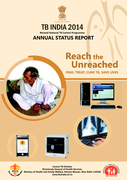
Reach the Unreached - FIND, TREAT, CURE TB, SAVE LIVES

The immediate objective of the country visit to Cameroon was to ensure that the country is as operationally ready as possible to effectively and safely detect, investigate and report potential Ebola virus disease cases and to mount an effective response that will prevent a larger outbreak. After te
...

The immediate objective of the country visit to Senegal was to build upon the public health preparedness already in place and to ensure that systems are available to investigate and report potential EVD cases and to mount an effective response to prevent a larger outbreak. The joint team for strengt
...

The preparedness strengthening team deployed to Ghana focused on specific objectives in order to assist the country in becoming as operationally prepared as possible to detect, investigate and report potential EVD cases effectively and safely and to mount an effective response to prevent a larger o
...
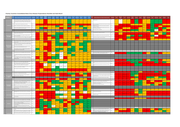
The dashboard is based on assessments made by the International Preparedness Strengthening missions to 14 priority countries against each of the activities outlined in the WHO EVD Checklist at the time of each mission. Updates indicating progress against each of the indicators will be added on an o
...