
Filter
559
Text search:
chemical
hazards
Featured
64
136
Language
Document type
274
92
85
61
25
9
5
4
3
1
Countries
28
28
16
14
13
11
9
9
8
8
7
7
7
7
7
7
6
6
6
5
4
4
4
4
4
3
3
3
3
3
2
2
2
2
2
2
2
2
2
1
1
1
1
1
1
1
1
1
1
1
1
1
1
1
1
1
1
1
1
1
1
Authors & Publishers
Publication Years
Category
182
73
39
20
18
14
8
1
Toolboxes
77
54
47
36
25
24
18
17
16
15
15
13
9
7
5
4
4
4
3
1

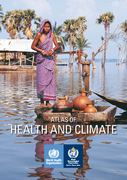
The Atlas of health and climate is a product of this unique collaboration between the meteorological and public health communities. It provides sound scientific information on the connections between weather and climate and major health challenges. These range from diseases of poverty to emergencies
...
Toward Resilience
recommended
A Guide to Disaster Risk Reduction and Climate Change Adaptation
Basic Eye Care
recommended
Training Activities for Community Health Workers
2nd edition. Essential guideline for humanitarian assistance
Zimbabwe Cholera Control Guidelines
recommended
3rd edition
WHO six-year strategy for the health sector and community capacity development.
(You need free registration to download the book)
Disasters and public health emergencies can stress health care systems to the breaking point and disrupt delivery of vital medical services. During such crises, hospitals and long-term care facilities may be without power; trained staff, ambulances,
...
In an effort to improve the capabilities and accountability of humanitarian and economic practitioners, the SEEP (Small Enterprise Education and Promotion) Network's Minimum Economic Recovery Standards focus on minimum industry standards for facilitating economic recovery in crisis situations.
Th
...
Structural, Non-structural and Functional Indicators

This paper is Oxfam’s essential guide for WASH staff and partners. It describes the processes and standards that Oxfam WASH programmes should follow if they are to be carried out effectively, consistently and in a way which treats affected communities with respect.
All WASH staff members are expe
...
Disaster planning - organization and administration. 2.Emergency medical services - methods. 3.Emergency medical services - organization and administration. 4.Emergencies. 5.Health policy. 6.Health facilities.7.Guidelines.
