
Filter
2414
Text search:
Epidemic
Surveillance
and
Response
Featured
219
762
Language
2291
69
48
35
22
17
10
7
3
2
2
1
1
1
1
1
1
1
1
1
1
1
1
1
1
Document type
1472
349
296
116
88
37
25
19
4
2
1
Countries
106
99
98
74
65
60
55
54
53
51
50
45
41
41
41
39
37
30
30
29
28
28
24
24
24
22
21
21
21
20
19
18
17
17
16
14
13
13
12
12
11
10
10
10
9
9
8
7
7
7
7
7
7
7
6
6
6
5
5
5
5
5
4
4
4
4
4
4
4
3
3
3
3
3
3
3
3
3
3
3
3
3
3
3
2
2
2
2
2
2
2
2
2
2
2
2
1
1
1
1
1
1
1
1
1
1
1
1
1
1
1
1
1
1
1
1
1
1
1
1
1
1
1
1
Authors & Publishers
376
209
119
89
87
53
39
37
34
32
32
23
21
18
17
16
15
14
14
14
12
12
11
11
11
10
10
10
9
9
9
9
9
8
8
8
7
7
7
7
7
7
7
6
6
6
6
6
6
6
6
6
6
6
6
5
5
5
5
5
5
5
5
5
5
5
5
5
5
5
5
5
4
4
4
4
4
4
4
4
4
4
4
4
4
4
4
4
4
4
4
4
4
4
4
4
4
4
4
4
4
4
4
4
4
4
4
4
4
4
4
4
4
3
3
3
3
3
3
3
3
3
3
3
3
3
3
3
3
3
3
3
3
3
3
3
3
3
3
3
3
3
3
3
3
3
3
3
3
3
3
3
3
3
3
3
3
3
3
3
3
3
3
3
3
3
3
3
3
3
3
3
3
3
3
3
3
2
2
2
2
2
2
2
2
2
2
2
2
2
2
2
2
2
2
2
2
2
2
2
2
2
2
2
2
2
2
2
2
2
2
2
2
2
2
2
2
2
2
2
2
2
2
2
2
2
2
2
2
2
2
2
2
2
2
2
2
2
2
2
2
2
2
2
2
2
2
2
2
2
2
2
2
2
2
2
2
2
2
2
2
2
2
2
2
2
2
2
2
2
2
2
2
2
2
2
2
2
2
2
2
2
2
2
2
2
2
2
2
2
2
2
2
2
2
2
2
2
2
2
2
2
2
2
2
2
2
2
2
2
2
2
2
2
2
2
2
2
2
2
2
2
2
2
2
2
2
2
2
2
2
1
1
1
1
1
1
1
1
1
1
1
1
1
1
1
1
1
1
1
1
1
1
1
1
1
1
1
1
1
1
1
1
1
1
1
1
1
1
1
1
1
1
1
1
1
1
1
1
1
1
1
1
1
1
1
1
1
1
1
1
1
1
1
1
1
1
1
1
1
1
1
1
1
1
1
1
1
1
1
1
1
1
1
1
1
1
1
1
1
1
1
1
1
1
1
1
1
1
1
1
1
1
1
1
1
1
1
1
1
1
1
1
1
1
1
1
1
1
1
1
1
1
1
1
1
1
1
1
1
1
1
1
1
1
1
1
1
1
1
1
1
1
1
1
1
1
1
1
1
1
1
1
1
1
1
1
1
1
1
1
1
1
1
1
1
1
1
1
1
1
1
1
1
1
1
1
1
1
1
1
1
1
1
1
1
1
1
1
1
1
1
1
1
1
1
1
1
1
1
1
1
1
1
1
1
1
1
1
1
1
1
1
1
1
1
1
1
1
1
1
1
1
1
1
1
1
1
1
1
1
1
1
1
1
1
1
1
1
1
1
1
1
1
1
1
1
1
1
1
1
1
1
1
1
1
1
1
1
1
1
1
1
1
1
1
1
1
1
1
1
1
1
1
1
1
1
1
1
1
1
1
1
1
1
1
1
1
1
1
1
1
1
1
1
1
1
1
1
1
1
1
1
1
1
1
1
1
1
1
1
1
1
1
1
1
1
1
1
1
1
1
1
1
1
1
1
1
1
1
1
1
1
1
1
1
1
1
1
1
1
1
1
1
1
1
1
1
1
1
1
1
1
1
1
1
1
1
1
1
1
1
1
1
1
1
1
1
1
1
1
1
1
1
1
1
1
1
1
1
1
1
1
1
1
1
1
1
1
1
1
1
1
1
1
1
1
1
1
1
1
1
1
1
1
1
1
1
1
1
1
1
1
1
1
1
1
1
1
1
1
1
1
1
1
1
1
1
1
1
1
1
1
1
1
1
1
1
1
1
1
1
1
1
1
1
1
1
1
1
1
1
1
1
1
1
1
1
1
1
1
1
1
1
1
1
1
1
1
1
1
1
1
1
1
1
1
1
1
1
1
1
1
1
1
1
1
1
1
1
1
1
1
1
1
1
1
1
1
1
1
1
1
1
1
1
1
1
1
1
1
1
1
1
1
1
1
1
1
1
1
1
1
1
1
1
1
1
1
1
1
1
1
1
1
1
1
1
1
1
1
1
1
1
1
1
1
1
1
1
1
1
1
1
1
1
1
1
1
1
1
1
1
1
1
1
1
1
1
1
1
1
1
1
1
1
1
1
1
1
1
1
1
1
1
1
1
1
1
1
1
1
1
1
1
1
1
1
1
1
1
1
1
1
1
1
1
1
1
1
1
1
1
1
1
1
1
1
1
1
1
1
1
1
1
1
1
1
1
1
1
1
1
1
1
1
1
1
1
1
1
1
1
1
1
1
1
1
1
1
1
1
1
1
1
1
1
1
1
1
1
1
1
1
1
1
1
1
1
1
1
1
1
1
1
1
1
1
1
1
1
1
1
1
1
1
1
1
1
1
1
1
1
1
1
1
1
1
1
1
1
1
1
1
1
1
1
1
1
1
1
1
1
1
1
1
1
1
1
1
1
1
1
1
1
1
1
1
1
1
1
1
1
1
1
1
1
1
1
1
1
1
1
1
1
1
1
1
1
1
1
1
1
1
1
1
1
1
1
1
1
1
1
1
1
1
1
1
1
1
1
1
1
1
1
1
1
1
1
1
1
1
1
1
1
1
1
1
1
1
1
1
1
1
1
1
1
1
1
1
1
1
1
1
1
1
1
1
1
1
1
1
1
1
1
1
1
1
1
1
1
1
1
1
1
1
1
1
1
1
1
1
1
1
1
1
1
1
1
1
1
1
1
1
1
1
1
1
1
1
1
1
1
1
1
1
1
1
1
1
1
1
1
1
1
1
1
1
1
1
1
1
1
1
1
1
1
1
1
1
1
1
1
1
1
1
1
1
1
1
1
1
1
1
1
1
1
1
1
1
1
1
1
1
1
1
1
1
1
1
1
1
1
1
1
1
1
1
1
1
1
1
1
1
1
1
1
1
1
1
1
1
1
1
1
1
1
1
1
1
1
1
1
1
1
1
1
1
1
1
1
1
1
1
1
1
1
1
1
1
1
1
1
1
1
1
1
1
1
1
1
1
1
1
1
1
1
1
1
1
1
1
1
1
1
1
1
1
1
1
1
1
1
1
1
1
1
1
1
1
1
1
1
1
1
1
1
1
1
1
1
1
1
1
1
1
1
1
1
1
1
1
1
1
1
1
1
1
1
1
1
1
1
1
1
1
1
1
1
1
1
1
1
1
1
1
1
1
1
1
1
1
1
1
1
1
1
1
1
1
1
1
1
1
1
1
1
1
1
1
1
1
1
1
1
1
1
1
1
1
1
1
1
1
1
1
1
1
1
1
1
1
1
1
1
1
1
1
1
1
1
1
1
1
1
1
1
1
1
1
1
1
1
1
1
1
1
1
1
1
1
1
1
1
1
1
1
1
1
1
1
1
1
1
1
1
1
1
1
1
1
1
1
1
1
1
1
1
1
1
1
1
1
1
1
1
1
1
1
1
1
1
1
1
1
1
1
1
1
1
1
1
1
1
1
1
1
1
1
1
1
1
1
1
1
1
1
1
1
1
1
1
1
1
1
1
1
1
1
1
1
1
1
1
1
1
1
1
1
1
1
1
1
1
1
1
1
1
1
1
1
1
1
1
1
1
1
1
1
1
1
1
1
1
1
1
1
1
1
1
1
1
1
1
1
1
1
1
1
1
1
1
1
1
1
1
1
1
1
1
1
1
1
1
1
1
1
1
1
1
1
1
1
1
1
1
1
1
1
1
1
1
1
1
1
1
1
1
1
1
1
1
1
1
1
1
1
1
1
1
1
1
1
1
1
1
1
1
1
1
1
1
1
1
1
1
1
1
1
1
1
1
1
1
1
1
1
1
1
1
1
1
1
1
1
1
1
1
1
1
1
1
1
1
1
1
1
1
1
1
1
1
1
1
1
1
1
1
1
1
1
1
1
1
1
1
1
1
1
1
1
1
1
1
1
1
1
1
1
1
1
1
1
1
1
1
1
1
1
1
1
1
1
1
1
1
1
1
1
1
1
1
1
1
1
1
1
1
1
1
1
1
1
1
1
1
1
1
1
1
1
1
1
1
1
1
1
1
1
1
1
1
1
1
1
1
1
1
1
1
1
1
1
1
1
1
1
1
1
1
1
1
1
1
1
1
1
1
1
1
1
1
1
1
1
1
1
1
1
1
1
1
1
1
1
1
1
1
1
1
1
1
1
1
1
1
1
1
1
1
1
1
1
1
1
1
1
1
1
1
1
1
1
1
1
1
1
1
1
1
1
1
1
1
1
1
1
1
1
1
1
Publication Years
1
637
1552
205
18
1
Category
931
167
134
59
37
25
23
2
Toolboxes
310
278
218
204
178
58
53
47
39
39
36
31
30
27
25
24
23
22
22
9
7
6
2
2
The importance of robust mortality surveillance systems cannot be overstated in an era marked by increasing global health challenges where health threats loom large and population dynamics continue
...
to evolve. Accurate and timely mortality data is essential for identifying trends and detecting emerging health threats, evaluating the impact of interventions, and guiding evidence-based policy decisions.
This framework outlines a holistic approach to strengthening routine mortality surveillance systems, considering the unique contextual factors and challenges faced by African countries. It emphasizes the importance of establishing efficient data collection mechanisms, enhancing data quality and completeness, and promoting data sharing and collaboration among stakeholders.
Moreover, the framework recognizes the pivotal role of technology in the integration of data from fragmented mortality data sources. It highlights the potential of innovative data capture methods, advanced analytics, and real-time reporting systems to enhance mortality data’s accuracy, efficiency, and timeliness.
The continental framework for mortality surveillance aligns with Africa CDC’s mission and strategic goal by serving as a fundamental component in strengthening public health systems, enhancing disease surveillance capacities and capabilities, informing evidence-based policies and interventions, and promoting collaboration and coordination among African countries to address health challenges and improve health outcomes on the continent.
The successful implementation of this framework requires collective commitment and concerted efforts from governments, health institutions, and the international community. We hope this document will serve as a catalyst for transformative change, enabling countries to build resilient mortality surveillance systems that protect public health, save lives, and contribute to evidence-based decision-making.
more
L'importance de systèmes de surveillance de la mortalité robustes ne peut être surestimée à une époque marquée par des défis sanitaires mondiaux croissants, où les menaces sanitaires pèsent lourd et la dynamique des populations continue d'
...
évoluer. Des données précises et opportunes sur la mortalité sont essentielles pour identifier les tendances et détecter les menaces émergentes pour la santé, évaluer l'impact des interventions et orienter les décisions politiques fondées sur des données probantes.
Ce cadre décrit une approche holistique pour renforcer les systèmes de surveillance de routine de la mortalité, en tenant compte des facteurs contextuels uniques et des défis auxquels sont confrontés les pays africains. Il souligne l'importance d'établir des mécanismes de collecte de données efficaces, d'améliorer la qualité et l'exhaustivité des données et de promouvoir le partage des données et la collaboration entre les parties prenantes.
De plus, le cadre reconnaît le rôle central de la technologie dans l'intégration des données provenant de sources de données fragmentées sur la mortalité. Il met en évidence le potentiel des méthodes innovantes de capture de données, des analyses avancées et des systèmes de notification en temps réel pour améliorer la précision, l'efficacité et l'actualité des données sur la mortalité.
Le cadre continental de surveillance de la mortalité s'aligne sur la mission et l'objectif stratégique d'Africa CDC en servant d'élément fondamental dans le renforcement des systèmes de santé publique, l'amélioration des capacités et des capacités de surveillance des maladies, l'élaboration de politiques et d'interventions fondées sur des données probantes et la promotion de la collaboration et de la coordination entre les pays africains pour relever les défis sanitaires et améliorer les résultats sanitaires sur le continent.
La mise en œuvre réussie de ce cadre nécessite un engagement collectif et des efforts concertés de la part des gouvernements, des établissements de santé et de la communauté internationale. Nous espérons que ce document servira de catalyseur pour un changement transformateur, permettant aux pays de mettre en place des systèmes de surveillance de la mortalité résilients qui protègent la santé publique, sauvent des vies et contribuent à la prise de décision fondée sur des données probantes.
more

Driving towards malaria elimination in Botswana by 2018: progress on case-based surveillance, 2013–2014
M. Motlaleng, J. Edwards, J. Namboze, et al.
The International Union Against Tuberculosis and Lung Disease
(2018)
PHA 2018; 8(S1): S24–S28
© 2018 The Union
Meeting Report ECDC/WHO Joint Meeting on European HIV/AIDS Surveillance 10-11 March 2016, Bratislava
ECDC European Center for disease prevention and control; World Health Organization (Europe); EACS European AIDS Clinical Society
(2019)
C2
Accessed: 20.11.2019
HIV/AIDS surveillance in Europe 2017
A. Pharris; A. Stengaard
World Health Organization (Europe); European Centre for Disease Prevention and Control
(2017)
C_WHO
2016 data
The report was coordinated by Anastasia Pharris and Annemarie Stengaard.
Report review and production support were provided by Andrew J. Amato-Gauci, Mike Catchpole, Denis Coulombier
...
, Masoud Dara, Nedret Emiroglu, Rachel Katterl, Shahin Khasiyev, Valentina Lazdina, Teymur Noori, Marc Rondy, Chantal Quintin, Phillip Zucs.
more
Policy Brief, Updated in March 2017
16 Dec. 2020
This document provides guidance to Ministries of Health (MOHs), laboratory personnel and implementing partners in African Union Member States on the application of rapid antigen tests to COVID-19 testing. The guidance serves as referen
...
ce for policymakers, laboratory leads, implementing partners, and experts on use case scenarios and associated testing algorithms for COVID-19 antigen tests. It recommends the use of antigen tests to increase access to testing and enable timely results for persons with or without symptoms in specific settings. The document will be reviewed and updated as more evidence becomes available regarding the use of rapid antigen tests for severe acute respiratory syndrome coronavirus 2 (SARS-CoV-2) from global studies and evaluation efforts.
more

Impact of non-pharmaceutical interventions (NPIs) to reduce COVID-19 mortality and healthcare demand
recommended
The global impact of COVID-19 has been profound, and the public health threat it represents is the most serious seen in a respiratory virus since the 1918 H1N1 influenza pandemic. Here we present the results of epidemiological modelling which has in
...
formed policymaking in the UK and other countries in recent weeks.
more

BMC Health Services Research BMC series – open, inclusive and trusted201818:251; https://doi.org/10.1186/s12913-018-3072-3
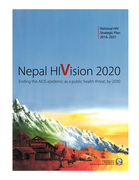
National HIV Strategic Plan 2016-2021
Accessed November 2017.
The training courses cover a wide range of technical and disease topics, to help prepare response workers with the skills and knowledge they need i
...
n a health emergency.
more
The main aim of this assessment was to evaluate the PSS response of URCS to these VHF, against the needs of beneficiaries and communities focused on the areas of most ‘added value’ of the URCS;
...
community engagement mobilisation and support, documenting any unintended outcomes and best practice related to the operation.
more
