
Filter
3635
Text search:
maintaining
Featured
365
989
Language
3524
82
63
55
51
33
22
12
8
7
6
6
6
6
5
5
5
5
4
4
4
4
4
4
4
4
4
3
3
3
3
3
3
3
3
3
3
2
2
2
2
2
2
2
2
2
2
2
2
2
1
1
1
1
1
1
1
1
1
Document type
1988
520
520
256
160
72
58
27
9
7
6
3
2
Countries
207
160
105
79
73
71
64
64
63
63
61
59
56
53
52
49
44
39
38
37
35
35
32
30
28
24
23
22
22
21
19
19
18
18
18
17
17
17
17
17
16
15
15
14
14
13
12
12
12
11
10
10
10
9
9
7
7
7
6
6
6
6
5
5
5
5
5
4
4
4
4
4
4
4
4
3
3
3
3
3
3
3
3
3
2
2
2
2
2
2
2
2
2
2
2
2
2
2
2
2
2
2
1
1
1
1
1
1
1
1
1
1
1
1
1
1
1
1
1
1
1
1
1
1
1
1
1
1
1
1
1
1
1
Authors & Publishers
514
163
143
113
87
77
71
61
50
28
27
26
20
20
20
19
18
18
16
16
15
15
15
14
14
14
14
13
13
13
12
12
12
12
12
11
11
11
11
10
10
10
10
10
10
10
9
9
9
9
9
8
8
8
8
8
8
8
8
8
8
8
8
8
8
8
8
7
7
7
7
7
7
7
7
7
7
7
7
7
7
7
6
6
6
6
6
6
6
6
6
6
6
6
6
6
5
5
5
5
5
5
5
5
5
5
5
5
5
5
5
5
5
5
5
5
5
5
5
5
5
5
5
4
4
4
4
4
4
4
4
4
4
4
4
4
4
4
4
4
4
4
4
4
4
4
4
4
4
4
4
4
4
4
4
4
4
4
4
3
3
3
3
3
3
3
3
3
3
3
3
3
3
3
3
3
3
3
3
3
3
3
3
3
3
3
3
3
3
3
3
3
3
3
3
3
3
3
3
3
3
3
3
3
3
3
3
3
3
3
3
3
3
3
3
3
3
3
3
3
2
2
2
2
2
2
2
2
2
2
2
2
2
2
2
2
2
2
2
2
2
2
2
2
2
2
2
2
2
2
2
2
2
2
2
2
2
2
2
2
2
2
2
2
2
2
2
2
2
2
2
2
2
2
2
2
2
2
2
2
2
2
2
2
2
2
2
2
2
2
2
2
2
2
2
2
2
2
2
2
2
2
2
2
2
2
2
2
2
2
2
2
2
2
2
2
2
2
2
2
2
2
2
2
2
2
2
2
2
2
2
2
2
2
2
2
2
2
2
2
2
2
2
2
2
2
2
2
2
2
2
2
2
2
2
2
2
2
2
2
2
2
2
2
2
2
2
2
2
2
2
2
2
2
2
2
2
2
2
2
2
2
2
2
2
2
2
2
2
2
2
2
2
2
2
2
2
2
2
2
2
2
2
2
2
2
2
2
2
2
2
2
2
2
2
2
2
2
2
2
2
2
2
2
2
2
2
2
2
2
2
2
2
2
2
2
2
2
2
2
2
2
2
2
2
2
2
2
2
2
2
2
2
2
2
2
2
2
2
2
1
1
1
1
1
1
1
1
1
1
1
1
1
1
1
1
1
1
1
1
1
1
1
1
1
1
1
1
1
1
1
1
1
1
1
1
1
1
1
1
1
1
1
1
1
1
1
1
1
1
1
1
1
1
1
1
1
1
1
1
1
1
1
1
1
1
1
1
1
1
1
1
1
1
1
1
1
1
1
1
1
1
1
1
1
1
1
1
1
1
1
1
1
1
1
1
1
1
1
1
1
1
1
1
1
1
1
1
1
1
1
1
1
1
1
1
1
1
1
1
1
1
1
1
1
1
1
1
1
1
1
1
1
1
1
1
1
1
1
1
1
1
1
1
1
1
1
1
1
1
1
1
1
1
1
1
1
1
1
1
1
1
1
1
1
1
1
1
1
1
1
1
1
1
1
1
1
1
1
1
1
1
1
1
1
1
1
1
1
1
1
1
1
1
1
1
1
1
1
1
1
1
1
1
1
1
1
1
1
1
1
1
1
1
1
1
1
1
1
1
1
1
1
1
1
1
1
1
1
1
1
1
1
1
1
1
1
1
1
1
1
1
1
1
1
1
1
1
1
1
1
1
1
1
1
1
1
1
1
1
1
1
1
1
1
1
1
1
1
1
1
1
1
1
1
1
1
1
1
1
1
1
1
1
1
1
1
1
1
1
1
1
1
1
1
1
1
1
1
1
1
1
1
1
1
1
1
1
1
1
1
1
1
1
1
1
1
1
1
1
1
1
1
1
1
1
1
1
1
1
1
1
1
1
1
1
1
1
1
1
1
1
1
1
1
1
1
1
1
1
1
1
1
1
1
1
1
1
1
1
1
1
1
1
1
1
1
1
1
1
1
1
1
1
1
1
1
1
1
1
1
1
1
1
1
1
1
1
1
1
1
1
1
1
1
1
1
1
1
1
1
1
1
1
1
1
1
1
1
1
1
1
1
1
1
1
1
1
1
1
1
1
1
1
1
1
1
1
1
1
1
1
1
1
1
1
1
1
1
1
1
1
1
1
1
1
1
1
1
1
1
1
1
1
1
1
1
1
1
1
1
1
1
1
1
1
1
1
1
1
1
1
1
1
1
1
1
1
1
1
1
1
1
1
1
1
1
1
1
1
1
1
1
1
1
1
1
1
1
1
1
1
1
1
1
1
1
1
1
1
1
1
1
1
1
1
1
1
1
1
1
1
1
1
1
1
1
1
1
1
1
1
1
1
1
1
1
1
1
1
1
1
1
1
1
1
1
1
1
1
1
1
1
1
1
1
1
1
1
1
1
1
1
1
1
1
1
1
1
1
1
1
1
1
1
1
1
1
1
1
1
1
1
1
1
1
1
1
1
1
1
1
1
1
1
1
1
1
1
1
1
1
1
1
1
1
1
1
1
1
1
1
1
1
1
1
1
1
1
1
1
1
1
1
1
1
1
1
1
1
1
1
1
1
1
1
1
1
1
1
1
1
1
1
1
1
1
1
1
1
1
1
1
1
1
1
1
1
1
1
1
1
1
1
1
1
1
1
1
1
1
1
1
1
1
1
1
1
1
1
1
1
1
1
1
1
1
1
1
1
1
1
1
1
1
1
1
1
1
1
1
1
1
1
1
1
1
1
1
1
1
1
1
1
1
1
1
1
1
1
1
1
1
1
1
1
1
1
1
1
1
1
1
1
1
1
1
1
1
1
1
1
1
1
1
1
1
1
1
1
1
1
1
1
1
1
1
1
1
1
1
1
1
1
1
1
1
1
1
1
1
1
1
1
1
1
1
1
1
1
1
1
1
1
1
1
1
1
1
1
1
1
1
1
1
1
1
1
1
1
1
1
1
1
1
1
1
1
1
1
1
1
1
1
1
1
1
1
1
1
1
1
1
1
1
1
1
1
1
1
1
1
1
1
1
1
1
1
1
1
1
1
1
1
1
1
1
1
1
1
1
1
1
1
1
1
1
1
1
1
1
1
1
1
1
1
1
1
1
1
1
1
1
1
1
1
1
1
1
1
1
1
1
1
1
1
1
1
1
1
1
1
1
1
1
1
1
1
1
1
1
1
1
1
1
1
1
1
1
1
1
1
1
1
1
1
1
1
1
1
1
1
1
1
1
1
1
1
1
1
1
1
1
1
1
1
1
1
1
1
1
1
1
1
1
1
1
1
1
1
1
1
1
1
1
1
1
1
1
1
1
1
1
1
1
1
1
1
1
1
1
1
1
1
1
1
1
1
1
1
1
1
1
1
1
1
1
1
1
1
1
1
1
1
1
1
1
1
1
1
1
1
1
1
1
1
1
1
1
1
1
1
1
1
1
1
1
1
1
1
1
1
1
1
1
1
1
1
1
1
1
1
1
1
1
1
1
1
1
1
1
1
1
1
1
1
1
1
1
1
1
1
1
1
1
1
1
1
1
1
1
1
1
1
1
1
1
1
1
1
1
1
1
1
1
1
1
1
1
1
1
1
1
1
1
1
1
1
1
1
1
1
1
1
1
1
1
1
1
1
1
1
1
1
1
1
1
1
1
1
1
1
1
1
1
1
1
1
1
1
1
1
1
1
1
1
1
1
1
1
1
1
1
1
1
1
1
1
1
1
1
1
1
1
1
1
1
1
1
1
1
1
1
1
1
1
1
1
1
1
1
1
1
1
1
1
1
1
1
1
1
1
1
1
1
1
1
1
1
1
1
1
1
1
1
1
1
1
1
1
1
1
1
1
1
1
1
1
1
1
1
1
1
1
1
1
1
1
1
1
1
1
1
1
1
1
1
1
1
1
1
1
1
1
1
1
1
1
1
1
1
1
1
1
1
1
1
1
1
1
1
1
1
1
1
1
1
1
1
1
1
1
1
1
1
1
1
1
1
1
1
1
1
1
1
1
1
1
1
1
1
1
1
1
1
1
1
1
1
1
1
1
1
1
1
1
1
1
1
1
1
1
1
1
1
1
1
1
1
1
1
1
1
1
1
1
1
1
1
1
1
1
1
1
1
1
1
1
1
1
1
1
1
1
1
1
1
1
1
1
1
1
1
1
1
1
1
1
1
1
1
1
1
1
1
1
1
1
1
1
1
1
1
1
1
1
1
1
1
1
1
1
1
1
1
1
1
1
1
1
1
1
1
1
1
1
1
1
1
1
1
1
1
1
1
1
1
1
1
1
1
1
1
1
1
1
1
1
1
1
1
1
1
1
1
1
1
1
1
1
1
1
1
1
1
1
1
1
1
1
1
1
1
1
1
1
1
1
1
1
1
1
1
1
1
1
1
1
1
1
1
1
1
1
1
1
1
1
1
1
1
1
1
1
1
1
1
1
1
1
1
1
1
1
1
1
1
1
1
1
1
1
1
1
1
1
1
1
1
1
1
1
1
1
1
1
1
1
1
1
1
1
1
1
1
1
1
1
1
1
1
1
1
1
1
1
1
1
1
1
1
1
1
1
1
1
1
1
1
1
1
1
1
1
1
1
1
1
1
1
1
1
1
1
1
1
1
1
1
1
1
1
1
1
1
1
1
1
1
1
1
1
1
1
1
1
1
1
1
1
1
1
1
1
1
1
1
1
1
1
1
1
1
1
1
1
1
1
1
1
1
1
1
1
1
1
1
1
1
1
1
1
1
1
1
1
1
1
1
1
1
1
1
1
1
1
1
1
1
1
1
1
1
1
1
1
1
1
1
1
1
1
1
1
1
1
1
1
1
1
1
1
1
1
1
1
1
1
1
1
1
1
1
1
1
1
1
1
1
1
1
1
1
1
1
1
1
1
1
1
1
1
1
1
1
1
1
1
1
1
1
1
1
1
1
1
1
1
1
1
1
1
1
1
1
1
1
1
1
1
1
1
1
1
1
1
1
1
1
1
1
1
1
1
1
1
1
1
1
1
1
1
1
1
1
1
1
1
1
1
1
1
1
1
1
1
1
1
1
1
1
1
1
1
1
1
1
1
1
1
1
1
1
1
1
1
1
1
1
1
1
1
1
1
1
1
1
1
1
1
1
1
1
1
1
1
1
1
1
1
1
1
1
1
1
1
1
1
1
1
1
1
1
1
1
1
1
1
1
1
1
1
1
1
1
1
1
1
1
1
1
1
1
1
1
1
1
1
1
1
1
1
1
1
1
1
1
1
1
1
1
1
1
1
1
1
1
1
1
1
1
1
1
1
1
1
1
1
1
1
1
1
1
1
1
1
1
1
1
1
1
1
1
1
1
1
1
1
1
1
1
1
1
1
1
1
1
1
1
1
1
1
1
1
1
1
1
1
1
1
1
1
1
1
1
1
1
1
1
1
1
1
1
1
1
1
1
1
1
1
1
1
1
1
1
1
1
1
1
1
1
1
1
1
1
1
1
1
1
1
1
1
1
1
1
1
1
1
1
1
1
1
1
1
1
1
1
1
1
1
1
1
1
1
1
1
1
1
1
1
1
1
1
1
1
1
1
1
1
1
1
1
1
1
1
1
1
1
1
1
1
1
1
1
1
1
1
1
1
1
1
1
1
1
1
1
1
1
1
1
1
1
1
1
1
1
1
1
1
1
1
1
1
1
1
1
1
1
1
1
1
1
1
1
1
1
1
1
1
1
1
1
1
1
1
1
1
1
1
1
1
1
1
1
1
1
1
1
1
1
1
1
1
1
1
1
1
1
1
1
1
1
1
1
1
1
1
1
1
1
1
1
1
1
1
1
1
1
1
1
1
1
1
1
1
1
1
1
1
1
1
1
1
1
1
1
1
1
1
1
1
1
1
1
1
1
1
1
1
1
1
1
1
1
1
1
1
1
1
1
1
1
1
1
1
1
1
1
1
1
1
1
1
1
1
1
1
1
1
1
1
1
1
1
1
1
1
1
1
1
1
1
1
1
1
1
1
1
1
1
1
1
1
1
1
1
1
1
1
1
1
1
1
1
1
1
1
1
1
1
1
1
1
1
1
1
1
1
1
1
1
1
1
1
1
1
1
1
1
1
1
1
1
1
1
1
1
1
1
1
1
1
1
1
1
1
1
1
1
1
1
1
1
1
1
1
1
1
1
1
1
1
1
1
1
1
1
1
1
1
1
1
1
1
1
1
1
1
1
1
1
1
1
1
1
1
1
1
1
1
1
1
1
1
1
1
1
1
1
1
1
1
1
1
1
1
1
1
1
1
1
1
1
1
1
1
1
1
1
1
1
1
1
1
1
1
1
1
1
1
1
1
1
1
1
1
1
1
1
1
1
1
1
1
1
1
1
1
1
1
1
1
1
1
1
1
1
1
1
1
1
1
1
1
1
1
1
1
1
1
1
1
1
1
1
1
1
1
1
1
1
1
1
1
1
1
1
1
1
1
1
1
1
1
1
1
1
1
1
1
1
1
1
1
1
1
1
1
1
1
1
1
1
1
1
1
1
1
1
1
1
1
1
1
1
1
1
1
1
1
1
1
1
1
1
1
1
1
1
1
1
1
1
1
1
1
1
1
1
1
1
1
1
1
1
1
1
1
1
1
1
1
1
1
1
1
1
1
1
1
1
1
1
1
1
1
1
1
1
1
1
1
1
1
1
1
1
1
1
1
1
1
1
1
1
1
1
1
1
1
1
1
1
1
1
1
Publication Years
1
1087
2149
374
20
2
1
1
Category
1334
257
204
201
167
98
41
5
2
Toolboxes
449
263
252
138
137
118
110
110
104
98
67
67
67
63
58
54
46
36
25
24
22
21
20
3
This global guidance provided the framework for over 100 countries to develop their NDVPs. This updated (second) version supersedes the previous version published in 16 November 2020. New information has been added on the following areas:
the COVID-19 Partners Platform;
the use of COVID
...
-19 simulation exercises to test deployment strategies;
the indemnity agreement and no-fault compensation programme for vaccines secured through the COVAX Facility in the Advance Market Commitment (AMC) eligible economies;
the availability and use of the WHO-UNICEF COVID-19 Vaccine Introduction and deployment Costing (CVIC) tool;
the COVAX Facility’s humanitarian buffer that enables allocation of vaccine to cover high-risk populations in humanitarian settings;
recommendations for vaccination of pregnant and lactating women;
supplementary information on infection prevention and control (IPC) measures to be used to deliver COVID-19 vaccines safely;
the WHO licensed COVID-19 vaccines product-specific information;
use of geospatial data and digital micro plans for equitable access and delivery of COVID-19 vaccines;
lessons learned from the development of NDVPs and early experiences in COVID-19 vaccine deployment in countries; and
updated additional resources at the end of each chapter.
more
El propósito de este marco de valores es brindar orientación a nivel mundial acerca de la asignación de las vacunas contra la COVID-19 entre los países y a nivel nacional con respecto a la determinación de los grupos prioritarios para recibirlas dentro de los países, mientras el suministro sea
...
limitado. El marco tiene por objeto apoyar a los responsables de formular políticas y a los asesores expertos a nivel nacional, regional y mundial mientras toman decisiones sobre la asignación de las vacunas contra la COVID-19 y la priorización de los grupos que las recibirán
This document it available in Arabic, Chinese English, French, Portuguese and Russian
more
Reports of antimicrobial-resistant (AMR) microorganisms are increasing globally, threatening to render existing treatments ineffective against many infectious diseases. In Africa, AMR has already been documented to be a problem for human immunodeficiency virus (HIV) and the pathogens that cause mala
...
ria, tuberculosis (TB), typhoid, cholera, meningitis, gonorrhoea and dysentery. Recognizing the urgent need for action, the 2016 United Nations (UN) General Assembly approved a resolution to ensure sustained and effective global action to address AMR.
more
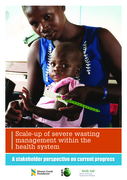
A wide range of potential enablers and barriers were identified for influencing progress for the scale-up of severe wasting services within national health systems. Findings were categorised according to the six pillars of WHO’s health system strengthening framework.
The WHO operational handbook on tuberculosis: tuberculosis preventive treatment is the companion, implementation guide to the 2020 WHO guidelines on TB preventive treatment.[1] Just as these guidelines are the first to be released under the rubric of the WHO consolidated TB guidelines, this handbook
...
will be the first in a modular series of practical guides meant for the implementers of various aspects of the programmatic management TB.
more
Preliminary overview of refugees and migrants self-reported impact of COVID-19
The study surveyed over 30,000 refugees and migrants living in 170 countries. Many of the respondents had fled war or dire economic conditions in their home country only to be faced with the additional challenges posed b
...
y COVID-19. Travel restrictions including border closures, suspension of resettlement travel, and last-minute deportation left many stranded or forced to stay in cramped, makeshift shelters or detention centers. Amid these uncertain, precarious conditions, many migrants described either a lack of access to health services or a fear of seeking them out — even if they were experiencing COVID-19 symptoms.
more
This document provides interim guidance on the management of the blood supply in response to the pandemic outbreak of coronavirus disease (COVID-19). It emphasizes the importance of being prepared and responding quickly and outlines key actions and measures that the blood services should take to mit
...
igate the potential risk to the safety and sufficiency of the blood supplies during the pandemic.
It should be read in conjunction with WHO Guidance for National Blood Services on Protecting the Blood Supply During Infectious Disease Outbreaks, which provides general guidance on the development of national plans to respond to any emerging infectious threats to the sufficiency or safety of the blood supply.
more
This document provides interim guidance on the management of the blood supply in response to the pandemic outbreak of coronavirus disease (COVID-19). It emphasizes the importance of being prepared and responding quickly and outlines key actions and measures that the blood services should take to mit
...
igate the potential risk to the safety and sufficiency of the blood supplies during the pandemic.
It should be read in conjunction with WHO Guidance for National Blood Services on Protecting the Blood Supply During Infectious Disease Outbreaks, which provides general guidance on the development of national plans to respond to any emerging infectious threats to the sufficiency or safety of the blood supply.
more
Since the release of the first volume in May 2020, the COVID-19 pandemic has continued to rage around the world. By mid-March, 2021, countries around the globe had reported over 123 million cases—a nearly five-fold increase since this report’s previous volume—and over 2.7 million deaths attrib
...
uted to the disease. And while new case loads are currently on the rise again, the global health community has already administered almost 400 million doses of vaccines, at last offering some signs of hope and progress.
Economic impacts threaten to undo decades of recent progress in poverty reduction, child nutrition and gender equality, and exacerbate efforts to support refugees, migrants, and other vulnerable communities. National and local governments—together with international and private-sector partners—must deploy vaccines as efficiently, safely and equitably as possible while still monitoring for new outbreaks and continuing policies to protect those who do not yet have immunity.
More than ever, the world needs reliable and trustworthy data and statistics to inform these important decisions. The United Nations and all member organizations of the Committee for the Coordination of Statistical Activities (CCSA) collect and make available a wealth of information for assessing the multifaceted impacts of the pandemic. This report updates some of the global and regional trends presented in Volume I and offers a snapshot of how COVID-19 continues to affect the world today across multiple domains.
more
The United Nations Secretary-General, António Guterres, echoed the concerns of people and organisations around the world when he recently referred to the impact of the COVID-19 pandemic on schooling as a
‘generational catastrophe’.
.
The new Global AIDS Strategy 2021--2026, End Inequalities, End AIDS, is a bold approach that uses an inequalities lens to close the gaps preventing progress to end AIDS
World Happiness Report 2021
Helliwell, John F., Richard Layard, Jeffrey Sachs, and Jan-Emmanuel De Neve
Sustainable Development Solutions Network
(2021)
CC
The World Happiness Report 2021 focuses on the effects of COVID-19 and how people all over the world have fared. Our aim was two-fold, first to focus on the effects of COVID-19 on the structure and quality of people’s lives, and second to describe and evaluate how governments all over the world ha
...
ve dealt with the pandemic. In particular, we try to explain why some countries have done so much better than others.
more
How to address the global crisis in antibiotic research and development.
The report includes a comprehensive summary and critical evaluation of recent initiatives to overcome the barriers to achieve sustainable access to antibiotics. As antibiotic resistance will continue to develop as long as we
...
depend on these medicines to treat bacterial infections, a continuous supply of new effective antibiotics is needed. The report identifies five key challenges that must be solved in order to achieve sustainable access for all, and charts out options for governmental action in response to each of them.
more
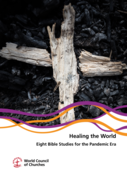
The global coronavirus pandemic, which has brought death to hundreds of thousands and serious illness to millions more, also poses profound spiritual questions and real challenges to Christians everywhere.
The pandemic itself has become a fundamental test of our faith in God and God’s providence,
...
and it urges us to earnest re-examination of our relationship to God, each other, and the natural world.
In Healing the World, the World Council of Churches offers these eight Bible studies to facilitate our coming to terms—as individuals, groups, and communities of faith—with the loss, fear, and confusion engendered by the pandemic, and the bracing prospect of building the world anew.
more
COVID-19 Vaccines: 1 Safety Surveillance 2 Manual
While there is no indication that pregnant women have an increased susceptibility to infection with SARS-CoV-2, there is evidence that pregnancy may increase the risk of severe illness and mortality from COVID-19 disease in comparison with non-pregn
...
ant women of reproductive age. As seen with non-pregnant women, a high proportion of pregnant women have asymptomatic SARS-CoV-2 infection and severe disease is associated with recognized medical (e.g., high body-mass index (BMI), diabetes, pre-existing pulmonary or cardiac conditions) and social (e.g., social deprivation, ethnicity) risk factors. Pregnant women with symptomatic COVID-19 appear to have an increased risk of intensive care unit admission, mechanical ventilation and death in comparison with non-pregnant women of reproductive age, although the absolute risks remain low. COVID-19 may increase the risk of preterm birth, compared with pregnant women without COVID-19, although the evidence is inconclusive.
more
GUIDE PRATIQUE À L’INTENTION DES PROGRAMMES DE LUTTE CONTRE LES MALADIES TROPICALES NÉGLIGÉES
This toolkit provides step-by-step guidance to NTD programme managers and partners on how to engage and work collaboratively with the WASH community to improve delivery of water, sanitation and hygien
...
e services to underserved population affected by many neglected tropical diseases. The toolkit is based on real-life programme experience, which users can match to their needs and local context. It includes a series of tools to help build multisectoral partnerships, mobilize resources, and design, implement and evaluate interventions.
more
Licensed pharmaceutical products (marketing authorization) should be manufactured only by licensed manufacturers (holders of a manufacturing authorization) whose activities are regularly inspected by competent national authorities. This guide to GMP shall be used as a standard to justify GMP status,
...
which constitutes one of the elements of the WHO Certification Scheme on the quality of pharmaceutical products moving in international commerce, through the assessment of applications for manufacturing authorizations and as a basis for the inspection of manufacturing facilities. It may also be used as training material for government medicines inspectors, as well as for production, QC and QA personnel in the industry
more
