
Filter
4035
Text search:
vaccination
Featured
411
1005
Language
3139
773
189
123
122
79
60
43
33
25
15
15
13
13
12
11
10
9
8
8
7
6
6
6
5
5
5
5
5
4
4
4
4
3
3
3
3
3
3
3
3
3
3
2
2
2
2
2
1
1
1
1
1
1
1
1
1
1
1
1
1
1
Document type
1919
661
549
229
211
168
95
58
46
41
31
14
11
Countries
156
133
131
87
86
80
68
67
66
65
64
60
60
58
58
54
54
53
53
53
52
51
48
47
41
35
34
33
33
33
32
31
31
30
30
29
28
28
28
27
26
23
23
22
21
21
19
19
19
19
18
18
16
15
14
14
14
14
12
12
11
11
11
10
10
9
8
8
8
8
6
6
6
6
6
5
5
5
5
4
4
4
4
4
3
3
3
3
3
3
3
3
3
3
3
3
3
3
3
3
2
2
2
2
2
2
2
2
2
1
1
1
1
1
1
1
1
1
1
1
1
1
1
1
1
1
1
1
1
1
1
1
1
Authors & Publishers
672
181
120
105
99
81
53
49
47
46
41
37
36
35
35
31
28
27
26
24
20
20
17
17
17
16
16
15
14
14
14
13
13
13
12
12
12
12
11
11
11
11
11
11
11
11
10
10
10
10
10
10
10
10
10
9
9
9
9
9
9
9
8
8
8
8
8
8
8
8
8
8
8
8
8
8
7
7
7
7
7
7
7
7
7
7
7
6
6
6
6
6
6
6
6
6
6
6
6
6
6
6
6
6
6
6
5
5
5
5
5
5
5
5
5
5
5
5
5
5
5
5
5
5
5
5
5
5
4
4
4
4
4
4
4
4
4
4
4
4
4
4
4
4
4
4
4
4
4
4
4
4
4
4
4
4
4
4
4
4
4
4
4
4
4
4
4
3
3
3
3
3
3
3
3
3
3
3
3
3
3
3
3
3
3
3
3
3
3
3
3
3
3
3
3
3
3
3
3
3
3
3
3
3
3
3
3
3
3
3
3
3
3
3
3
3
3
3
3
3
3
3
3
3
3
3
3
3
3
3
3
3
3
3
3
3
3
3
3
3
3
3
3
3
3
3
3
3
3
3
2
2
2
2
2
2
2
2
2
2
2
2
2
2
2
2
2
2
2
2
2
2
2
2
2
2
2
2
2
2
2
2
2
2
2
2
2
2
2
2
2
2
2
2
2
2
2
2
2
2
2
2
2
2
2
2
2
2
2
2
2
2
2
2
2
2
2
2
2
2
2
2
2
2
2
2
2
2
2
2
2
2
2
2
2
2
2
2
2
2
2
2
2
2
2
2
2
2
2
2
2
2
2
2
2
2
2
2
2
2
2
2
2
2
2
2
2
2
2
2
2
2
2
2
2
2
2
2
2
2
2
2
2
2
2
2
2
2
2
2
2
2
2
2
2
2
2
2
2
2
2
2
2
2
2
2
2
2
2
2
2
2
2
2
2
2
2
2
2
2
2
2
2
2
2
2
2
2
2
2
2
2
2
2
2
2
2
2
2
2
2
2
2
2
2
2
2
2
2
2
2
2
2
2
2
2
2
2
1
1
1
1
1
1
1
1
1
1
1
1
1
1
1
1
1
1
1
1
1
1
1
1
1
1
1
1
1
1
1
1
1
1
1
1
1
1
1
1
1
1
1
1
1
1
1
1
1
1
1
1
1
1
1
1
1
1
1
1
1
1
1
1
1
1
1
1
1
1
1
1
1
1
1
1
1
1
1
1
1
1
1
1
1
1
1
1
1
1
1
1
1
1
1
1
1
1
1
1
1
1
1
1
1
1
1
1
1
1
1
1
1
1
1
1
1
1
1
1
1
1
1
1
1
1
1
1
1
1
1
1
1
1
1
1
1
1
1
1
1
1
1
1
1
1
1
1
1
1
1
1
1
1
1
1
1
1
1
1
1
1
1
1
1
1
1
1
1
1
1
1
1
1
1
1
1
1
1
1
1
1
1
1
1
1
1
1
1
1
1
1
1
1
1
1
1
1
1
1
1
1
1
1
1
1
1
1
1
1
1
1
1
1
1
1
1
1
1
1
1
1
1
1
1
1
1
1
1
1
1
1
1
1
1
1
1
1
1
1
1
1
1
1
1
1
1
1
1
1
1
1
1
1
1
1
1
1
1
1
1
1
1
1
1
1
1
1
1
1
1
1
1
1
1
1
1
1
1
1
1
1
1
1
1
1
1
1
1
1
1
1
1
1
1
1
1
1
1
1
1
1
1
1
1
1
1
1
1
1
1
1
1
1
1
1
1
1
1
1
1
1
1
1
1
1
1
1
1
1
1
1
1
1
1
1
1
1
1
1
1
1
1
1
1
1
1
1
1
1
1
1
1
1
1
1
1
1
1
1
1
1
1
1
1
1
1
1
1
1
1
1
1
1
1
1
1
1
1
1
1
1
1
1
1
1
1
1
1
1
1
1
1
1
1
1
1
1
1
1
1
1
1
1
1
1
1
1
1
1
1
1
1
1
1
1
1
1
1
1
1
1
1
1
1
1
1
1
1
1
1
1
1
1
1
1
1
1
1
1
1
1
1
1
1
1
1
1
1
1
1
1
1
1
1
1
1
1
1
1
1
1
1
1
1
1
1
1
1
1
1
1
1
1
1
1
1
1
1
1
1
1
1
1
1
1
1
1
1
1
1
1
1
1
1
1
1
1
1
1
1
1
1
1
1
1
1
1
1
1
1
1
1
1
1
1
1
1
1
1
1
1
1
1
1
1
1
1
1
1
1
1
1
1
1
1
1
1
1
1
1
1
1
1
1
1
1
1
1
1
1
1
1
1
1
1
1
1
1
1
1
1
1
1
1
1
1
1
1
1
1
1
1
1
1
1
1
1
1
1
1
1
1
1
1
1
1
1
1
1
1
1
1
1
1
1
1
1
1
1
1
1
1
1
1
1
1
1
1
1
1
1
1
1
1
1
1
1
1
1
1
1
1
1
1
1
1
1
1
1
1
1
1
1
1
1
1
1
1
1
1
1
1
1
1
1
1
1
1
1
1
1
1
1
1
1
1
1
1
1
1
1
1
1
1
1
1
1
1
1
1
1
1
1
1
1
1
1
1
1
1
1
1
1
1
1
1
1
1
1
1
1
1
1
1
1
1
1
1
1
1
1
1
1
1
1
1
1
1
1
1
1
1
1
1
1
1
1
1
1
1
1
1
1
1
1
1
1
1
1
1
1
1
1
1
1
1
1
1
1
1
1
1
1
1
1
1
1
1
1
1
1
1
1
1
1
1
1
1
1
1
1
1
1
1
1
1
1
1
1
1
1
1
1
1
1
1
1
1
1
1
1
1
1
1
1
1
1
1
1
1
1
1
1
1
1
1
1
1
1
1
1
1
1
1
1
1
1
1
1
1
1
1
1
1
1
1
1
1
1
1
1
1
1
1
1
1
1
1
1
1
1
1
1
1
1
1
1
1
1
1
1
1
1
1
1
1
1
1
1
1
1
1
1
1
1
1
1
1
1
1
1
1
1
1
1
1
1
1
1
1
1
1
1
1
1
1
1
1
1
1
1
1
1
1
1
1
1
1
1
1
1
1
1
1
1
1
1
1
1
1
1
1
1
1
1
1
1
1
1
1
1
1
1
1
1
1
1
1
1
1
1
1
1
1
1
1
1
1
1
1
1
1
1
1
1
1
1
1
1
1
1
1
1
1
1
1
1
1
1
1
1
1
1
1
1
1
1
1
1
1
1
1
1
1
1
1
1
1
1
1
1
1
1
1
1
1
1
1
1
1
1
1
1
1
1
1
1
1
1
1
1
1
1
1
1
1
1
1
1
1
1
1
1
1
1
1
1
1
1
1
1
1
1
1
1
1
1
1
1
1
1
1
1
1
1
1
1
1
1
1
1
1
1
1
1
1
1
1
1
1
1
1
1
1
1
1
1
1
1
1
1
1
1
1
1
1
1
1
1
1
1
1
1
1
1
1
1
1
1
1
1
1
1
1
1
1
1
1
1
1
1
1
1
1
1
1
1
1
1
1
1
1
1
1
1
1
1
1
1
1
1
1
1
1
1
1
1
1
1
1
1
1
1
1
1
1
1
1
1
1
1
1
1
1
1
1
1
1
1
1
1
1
1
1
1
1
1
1
1
1
1
1
1
1
1
1
1
1
1
1
1
1
1
1
1
1
1
1
1
1
1
1
1
1
1
1
1
1
1
1
1
1
1
1
1
1
1
1
1
1
1
1
1
1
1
1
1
1
1
1
1
1
1
1
1
1
1
1
1
1
1
1
1
1
1
1
1
1
1
1
1
1
1
1
1
1
1
1
1
1
1
1
1
1
1
1
1
1
1
1
1
1
1
1
1
1
1
1
1
1
1
1
1
1
1
1
1
1
1
1
1
1
1
1
1
1
1
1
1
1
1
1
1
1
1
1
1
1
1
1
1
1
1
1
1
1
1
1
1
1
1
1
1
1
1
1
1
1
1
1
1
1
1
1
1
1
1
1
1
1
1
1
1
1
1
1
1
1
1
1
1
1
1
1
1
1
1
1
1
1
1
1
1
1
1
1
1
1
1
1
1
1
1
1
1
1
1
1
1
1
1
1
1
1
1
1
1
1
1
1
1
1
1
1
1
1
1
1
1
1
1
1
1
1
1
1
1
1
1
1
1
1
1
1
1
1
1
1
1
1
1
1
1
1
1
1
1
1
1
1
1
1
1
1
1
1
1
1
1
1
1
1
1
1
1
1
1
1
1
1
1
1
1
1
1
1
1
1
1
1
1
1
1
1
1
1
1
1
1
1
1
1
1
1
1
1
1
1
1
1
1
1
1
1
1
1
1
1
1
1
1
1
1
1
1
1
1
1
1
1
1
1
1
1
1
1
1
1
1
1
1
1
1
1
1
1
1
1
1
1
1
1
1
1
1
1
1
1
1
1
1
1
1
1
1
1
1
1
1
1
1
1
1
1
1
1
1
1
1
1
1
1
1
1
1
1
1
1
1
1
1
1
1
1
1
1
1
1
1
1
1
1
1
1
1
1
1
1
1
1
1
1
1
1
1
1
1
1
1
1
1
1
1
1
1
1
1
1
1
1
1
1
1
1
1
1
1
1
1
1
1
1
1
1
1
1
1
1
1
1
1
1
1
1
1
1
1
1
1
1
1
1
1
1
1
1
1
1
1
1
1
1
1
1
1
1
1
1
1
1
1
1
1
1
1
1
1
1
1
1
1
1
1
1
1
1
1
1
1
1
1
1
1
1
1
1
1
1
1
1
1
1
1
1
1
1
1
1
1
1
1
1
1
1
1
1
1
1
1
1
1
1
1
1
1
1
1
1
1
1
1
1
1
1
1
1
1
1
1
1
1
1
1
1
1
1
1
1
1
1
1
1
1
1
1
1
1
1
1
1
1
1
1
1
1
1
1
1
1
1
1
1
1
1
1
1
1
1
1
1
1
1
1
1
1
1
1
1
1
1
1
1
1
1
1
1
1
1
1
1
1
1
1
1
1
1
1
1
1
1
1
1
1
1
1
1
1
1
1
1
1
1
1
1
1
1
1
1
1
1
1
1
1
1
1
1
1
1
1
1
1
1
1
1
1
1
1
1
1
1
1
1
1
1
1
1
1
1
1
1
1
1
1
1
1
1
1
1
1
1
1
1
1
1
1
1
1
1
1
1
1
1
1
1
1
1
1
1
1
1
1
1
1
1
1
1
1
1
1
1
1
1
1
1
1
1
1
1
1
1
1
1
1
1
1
1
1
1
1
1
1
1
1
1
1
1
1
1
1
1
1
1
1
1
1
1
1
1
1
1
1
1
1
1
1
1
1
1
1
1
1
1
1
1
1
1
1
1
1
1
1
1
1
1
1
1
1
1
1
1
1
1
1
1
1
1
1
1
1
1
1
1
1
1
1
1
1
1
1
1
1
1
1
1
1
1
1
1
1
1
1
1
1
1
1
1
1
1
1
1
1
1
1
1
1
1
1
1
1
1
1
1
1
1
1
1
1
1
1
1
1
1
1
1
1
1
1
1
1
1
1
1
1
1
1
1
1
1
1
1
1
1
1
1
1
1
1
1
1
1
1
1
1
1
1
1
1
1
1
1
1
1
1
1
1
1
1
1
1
1
1
1
1
1
1
1
1
1
1
1
1
1
1
1
1
1
1
1
1
1
1
1
1
1
1
1
1
1
1
1
1
1
1
1
1
1
1
1
1
1
1
1
1
1
1
1
1
1
1
1
1
1
1
1
1
1
1
1
1
1
1
Publication Years
1585
2135
293
22
Category
1678
344
216
171
121
40
25
2
2
1
Toolboxes
797
226
188
157
148
148
130
124
87
82
78
76
67
55
55
44
41
35
35
26
20
6
5
1
1

La surveillance épidémiologique est un processus continu de collecte, d’analyse et de diffusion d’informations pour la prise d’actions de riposte. Les activités de surveillance épidémiologique sont mises en œuvre au Sénégal selon la stratégie SIMR (Surveillance Intégrée de la Maladi
...
e et Riposte) et suivant le RSI (version 2005). Cependant, très souvent les données de surveillance des maladies, surtout au niveau communautaire, ne sont pas toujours bien enregistrées, notifiées et analysées. Aujourd’hui, les maladies transmissibles émergentes et ré-émergentes comme la maladie à virus Ebola (MVE), constituent une menace importante pour la santé et le bien-être de nos communautés.
more
Développement d’une plateforme de Santé communautaire au Sénégal avec application dans la santé maternelle et infantile pour l’atteinte des OMD Santé
Institut de Santé Développement (ISED) et l’École Supérieure Polytechnique (ESP)- Université Cheikh Anta Diop de Dakar
Ministère de la Santé du Sénégal (Service National de l’Information Sanitaire (SNIS) et le Projet Badienou Gokh) et la Plateforme du Millénaire pour le développement (MDV-Potou)-PNUD
(2012)
C2
Rapport technique final du Projet de recherche-action-Formation.
Le projet «Développement d’une plateforme eS@nté Communautaire au Sénégal, avec application dans la santé maternelle et infantile pour l’atteinte des OMD Santé » est une initiative de la FMPOS, de l’Institut de Santé D
...
éveloppement (ISED), de l’École Supérieure Polytechnique (ESP) de l’Université Cheikh Anta Diop de Dakar, en collaboration avec le Service National de l’Information Sanitaire (SNIS) et la Division de la Santé et de la Reproduction (DSR) du Ministère de la Santé du Sénégal, et le Projet des Villages du Millénaire à Louga.
more
Politique national de santé communautaire
Direction Générale de la Santé Cellule de Santé Communautaire Ministère, Sénégal
Ministère de la Santé et de l’Action sociale
(2014)
C2
L’objectif de la Politique de santé communautaire est de contribuer à la réduction de la morbidité, de la mortalité et des handicaps, avec la pleine participation des communautés.
Experiences from Indonesia, Kenya, Uganda and Ukraine
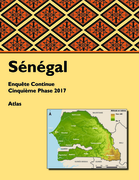
Cet atlas présente des résultats régionaux de la cinquième phase de l’Enquête Continue (Enquête Continue 2017) qui a été exécutée d’avril à décembre 2017 par l’Agence Nationale de la Statistique et de la Démographie (ANSD), le Ministère de la Santé et de l’Action Sociale (MSAS
...
) et la Cellule de Lutte contre la Malnutrition. L’Enquête Continue 2017 a été réalisée avec l’appui financier du Gouvernement du Sénégal, de l’Agence des États-Unis pour le Développement International (USAID), de l’UNICEF (United Nations Children Fund), de l’UNFPA (United Nations Population Fund) de Nutrition International, et de la Banque Mondiale. Elle a bénéficié de l’assistance technique de The Demographic and Health Surveys Program (DHS Program) de ICF dont l’objectif est de collecter, d’analyser et de diffuser des données démographiques et de santé.
more
Ce rapport présente les résultats de la cinquième année de l’Enquête Démographique et de Santé Continue au Sénégal (EDS-Continue 2017), exécutée par l’Agence Nationale de la Statistique et de la Démographie (ANSD) en collaboration avec le ministère de la Santé et l’Action sociale
...
(MSAS).
more
Faciliter l’accès aux soins de santé primaires et assurer une couverture sanitaire universelle à la population reste un défi de grande taille pour les pays en voie de développement. En effet malgré quelques efforts consentis ces dernières décennies, le problème d’accessibilité aux so
...
ins de santé est loin d’être résolu. Outre le problème épineux des ressources humaines s’ajoutent des difficultés liées à l’organisation et au fonctionnement des systèmes de santé, au financement des systèmes de santé, à la prestations de soins de qualité et à l’accès aux médicaments de base. Tous ceci ayant un impact désastreux sur la population notamment les plus pauvres qui n’arrivent plus à bénéficier de soins de qualité permettant d’obtenir une santé optimale.
more
Guide de messages pour la santé de l'enfant
Paquet Intégré de Conseils - Agir pour sauver
Ministère de la Santé de l’Hygiène et de la Prévention - Republique du Sénégal
(2002)
C2
Messages destinés aux mères et autres personnes en charge de la santé des enfants de moins de 5 ans.
Atelier d’élaboration de messages et de production de matériels éducatifs intégrés pour la survie de l’enfant.
Mbour, Octobre 2002
Vaincre le Sida par Tous, une Riposte pour Tous
Le Plan Stratégique National de Lutte contre le Sida (PSN) 2018-2022 sera le cadre unique pour tous les acteurs de la lutte contre le sida au Sénégal. Il constitue la référence pour la programmation des activités aux niveaux national et régio
...
nal, et sera l’outil indispensable pour l’harmonisation et l’alignement des partenaires. Ce plan traduit la vision et les engagements du Gouvernement du Sénégal à maintenir les acquis et à orienter la riposte vers l’élimination du sida en utilisant toutes les opportunités et ressources, aussi bien domestiques qu’internationales.
more
Plan stratégique de lutte contre la tuberculose au Sénégal
Sambou, B.; M.Sarr Diouf, A.H. Diop et. al.
Ministère de la santé et de l'action sociale, Programme National de Lutte contre la Tuberculose
(2012)
C2
Ce plan stratégique 2013- 2017 s’inscrit dans la continuité du précédent et a pour but de contribuer à la réduction de la charge de la tuberculose au Sénégal d’ici 2015 conformément aux Objectifs du Millénaire (OMD 6 Cible 8) et aux cibles du partenariat Halte à la tuberculose.
Les i
...
nterventions porteront, principalement, sur les orientations stratégiques déclinées lors de la revue externe. Elles seront axées sur la poursuite d’une stratégie DOTS de qualité, le renforcement des interventions communautaires et la prise en charge des grands défi s (TB/VIH, TBMR, TB de l’enfant et le contrôle de l’infection). Durant cette période, l’implication des prestataires du privé sera accentuée et des stratégies de communication porteuses d’impact seront menées.
L’atteinte des objectifs de ce plan stratégique nécessitera une importante mobilisation de ressources et un plaidoyer fort sera mené auprès de tous les partenaires du secteur santé et en dehors.
more

Prise en charge communautaire du paludisme, de la diarrhée et des IRA
Ministère de la Santé et de l’Action Sociale - République du Sénégal
Ministère de la Santé et de l’Action Sociale - République du Sénégal
(2014)
C2
Aide mémoire du DSDOM
Guide du formateur de l’Acteur Communautaire de Soins sur les maladies prioritaires de l’enfant ( MSAS- Sénégal-Octobre 2014)

La troisième génération de la Stratégie de Coopération de l’OMS avec les Pays (SCP) concrétise le programme majeur de réforme adopté par l’Assemblée mondiale de la Santé pour renforcer la capacité de l’OMS et faire en sorte que ses prestations répondent mieux aux besoins du pays. E
...
lle reflète le douzième programme général de travail de l’OMS au niveau du pays, vise à assurer une pertinence accrue de la coopération technique de l’OMS avec les États Membres. Elle met l’accent sur l’identification des priorités et des mesures d’efficience pour la mise en œuvre des réformes de l’OMS et de l’agenda de transformation régional. L’agenda de transformation vise à faire de l’organisation sanitaire régionale une institution clairvoyante, proactive, capable de répondre aux attentes, axée sur les résultats, transparente et responsable. Cette génération de SCP tient compte du rôle des différents partenaires, y compris les acteurs non étatiques, dans la fourniture d’un appui aux gouvernements et aux communautés.
more
Document de programmation pluriannuelle des depenses (DPPD-Santé) 2014 - 2016
Ministère de la santé et de l'action sociale (MSAS) - République Sénégal
Ministère de la santé et de l'action sociale (MSAS) - République Sénégal
(2013)
C2
Sous ce rapport, le DPPD santé 2014 – 2016, premier du genre, va poursuivre les objectifs suivants : (i) Réduire le fardeau de la morbidité et de la mortalité maternelles et infanto juvéniles ; (ii) Accroître les performances du secteur en matière de prévention et de lutte contre la malad
...
ie ; (iii) Renforcer durablement le système de santé ; (iv) Améliorer la gouvernance du secteur de la santé et (v) Améliorer les conditions socio-économiques des groupes vulnérables. Après avoir décliné la place du secteur dans l’économie nationale, l’articulation des stratégies sectorielles avec les politiques nationales et la mission du secteur, le document se présente comme suit : le premier chapitre dresse les orientations stratégiques du secteur avec un diagnostic, les résultats de développement du secteur et une définition des Objectifs stratégiques. Au deuxième chapitre la programmation opérationnelle à moyen terme sera définie avec une présentation des Programmes et la budgétisation à moyen terme. Enfin, le troisième chapitre évoquera le dispositif de suivi-évaluation du DPPD.
more
Plan stratégique 2016-2018
Centre des Opérations d'Urgence Sanitaire (COUS), Ministère de la santé et de l'action sociale - République du Sénégal
Centre des Opérations d'Urgence Sanitaire (COUS), Ministère de la santé et de l'action sociale - République du Sénégal
(2016)
C2
Le plan stratégique du Centre des Opérations d'Urgence Sanitaire du Sénégal 2016-2018 s'inscrit dans la vision des authorités politiques, et en premier lieu dans le deuxième pilier du Plan Sénégal Émergent, visent à renforcer le capital humain, la protection sociale et le développement du
...
rable.
Les crises sanitaires étant susceptibles d'ébranler les efforts du Sénégal vers l'émergence, leur maîtrise est du la toute première importance.
Ce plan stratégique est par ailleurs aligné au Plan national de Dévloppement Sanitaire et contribue à fournir un cadre pécis d'action dans son rôle de renforcement du système de gestion des urgences et catastrophes sanitaires d'ampleur nationale.
more
Ramped-up cancer services could save 7 million lives over the next decade—and addressing huge service gaps between rich and poor countries is key to success, according to this report.
In 2019, over 90% of high-income countries reported that comprehensive cancer treatment services were available
...
through the public health system, compared to fewer than 15% of low-income countries, according to WHO.
But poorer countries can make substantial strides with a universal health coverage approach and use of the latest science to meet their particular needs.
The report lays out proven ways to prevent new cancer cases without breaking the bank, including tobacco-control measures and vaccines that protect against common cancers.
more
Antimicrobial resistance (AMR) is a global threat that requires urgent collaborative action within and among countries. AMR makes standard treatments ineffective and facilitates the spread of antimicrobial resistant infections rendering communities vulnerable. The Ministry of Health (MOH) and Minist
...
ry of Agriculture, Livestock, Fisheries & Blue Economy (MALF) recognized antimicrobial resistance as a priority following findings from status reports and studies from Ministries, Departments, Agencies and Stakeholders.
more

Accessed Febr. 6, 2020
Accessed Febr. 6, 2020
Accessed Febr. 6 ,2020

accessed Febr. 6, 2020
