
Filter
331
Text search:
newsletter
Featured
26
71
Language
Document type
195
40
28
27
11
9
9
5
2
1
1
1
Countries
11
10
9
8
7
7
7
7
6
6
5
5
5
5
4
4
4
4
3
3
3
2
2
2
2
2
2
2
2
2
2
2
2
1
1
1
1
1
1
1
1
1
1
1
1
1
1
1
1
1
1
1
1
1
1
1
Authors & Publishers
Publication Years
Category
91
26
13
12
10
8
5
1
Toolboxes
31
31
23
19
13
12
12
11
9
9
8
8
6
5
4
4
4
3
1


Antibiotics have been a critical public health tool since the discovery of Penicillin in 1928, saving the lives of millions of people around the world. In developing country like ours, where the burden of treatable disease is very high and access to health facilities and laboratories is difficult, a
...

A Rapid Appraisal of Priorities, Policies and Practices
Burkina Faso remains one of the poorest countries in the world, with 44.5% of the population living below the poverty line. To promote the rights of persons with disabilities, the country has adopted almost all of the relevant initiatives and international legal texts on the rights of persons with d
...
A guide for practical implementation in adult and pediatric emergency department and urgent care settings
The Internews Humanitarian Information Services Learning Collection communicates key lessons, best practices, and programmatic methodologies used by Internews’ humanitarian teams around the world.
Each module within the Learning Collection includes three parts: Context, Case Studies, and a How-To
...
This document presents a brief overview of how UNHCR adapts its activities for mental health and psychosocial support (MHPSS) to the changing context of the pandemic. Staff of UNHCR and partners, in country offices in all regions of the world, have developed innovative field practices to continue pr
...
Prevention, early diagnosis, and effective treatment are essential for the control and elimination of Neisseria gonorrhoeae as a public health problem. Currently, in Latin America and the Caribbean, treatment for gonorrhea infection is largely empiric and based on clinical diagnosis. In the Americas
...

with focus on the aspects important for Catholic Social Teaching-driven management

Das vorliegende Policy Paper zeigt die Erfahrungen der spezialisierten Fachberatungsstellen für Betroffene von Menschenhandel - die im Bundesweiten Koordinierungskreis gegen Menschenhandel vernetzt sind - im Kontext von Flucht auf und schildert die aktuelle Situation in Deutschland aus Sicht der Fa
...
Das F.A.Q. beantwortet Fragen rund um das Thema Gewaltschutz geflüchteter Fraün und Mädchen. Am Anfang steht ein Glossar zur Klärung zentraler Begriffe und deren Konseqünzen für geflüchtete Fraün. Das Glossar wird auf den Webseiten von bff und FHK bei Bedarf ergänzt oder aktualisiert. Es fo
...
Recherche rapide de l’analyse-pays de l’OSAR
It is estimated that more than 311 000 women die of cervical
cancer each year. Of these deaths, 91% occur in low- and
middle-income countries. Demographic changes and a lack of
action mean that the number of deaths per year is projected
to reach 460 000 by 2040.
The results of a WHO survey conducted to assess the impact of the COVID-19 pandemic on up to 25 essential health services in countries show disruptions of essential health services in nearly all countries, and more so in lower-income than higher-income countries. The great majority of service disrup
...
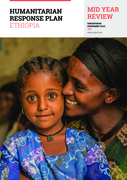
Ethiopia saw a six-fold increase in confirmed COVID-19 cases between June and August, with 5,689 cases by end June compared to 34,058 cases as of 19 August. Ethiopia also registered more than 13,000 recoveries and more than 600 deaths. As of the last week of August, Ethiopia was leading eastern Afri
...
WHO Guidance for Climate Resilient and Environmentally Sustainable Health Care Facilities
recommended
The aim of this guidance is to enhance the capacity of health care facilities to protect and improve the health of their target communities in an unstable and changing climate; and to empower health care facilities to be environmentally sustainable, by optimizing the use of resources and minimizing
...
WHO‘s Global Strategy to Accelerate the Elimination of Cervical Cancer, launched today, outlines three key steps: vaccination, screening and treatment. Successful implementation of all three could reduce more than 40% of new cases of the disease and 5 million related deaths by 2050.
