
Filter
1314
Text search:
clean
drinking
water
Featured
139
433
Language
Document type
753
194
144
71
52
41
21
16
10
10
2
Countries
115
44
42
41
38
36
35
35
34
27
25
22
20
20
19
18
17
16
14
14
14
13
13
11
11
10
10
10
8
8
8
7
7
6
6
6
6
6
5
5
5
4
4
4
4
4
4
3
3
3
3
3
3
3
3
3
3
3
3
2
2
2
2
2
2
1
1
1
1
1
1
1
1
1
1
1
1
1
1
1
1
1
1
1
1
1
1
1
Authors & Publishers
Publication Years
Category
580
144
76
71
65
47
12
1
Toolboxes
107
90
55
53
51
44
44
41
38
38
36
29
29
26
21
17
15
13
7
7
6
3
2
2
2
Extraced from the full version of WDI 2016
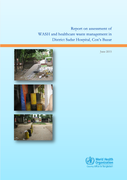
Report on assessment of WASH and healthcare waste management in District Sadar Hospital, Cox's Bazar
How safe is our hospital sanitation? An example from a public hospital
Draft version 2017
Detection, confirmation and management Salmonella Typhi outbreak
The Essential WASH Actions toolkit expands the connection between WASH and nutrition. This resource offers a comprehensive set of essential WASH actions, references training materials for health workers, nutrition managers and community workers to build capacity, and outlines accompanying behaviors
...
The attainment of Zambia’s goal of being a prosperous and middle-income country by 2030 as stipulated in its Vision 2030 is dependent on among others, a healthy and productive population. Therefore, the Government of the Republic of Zambia (GRZ) has prioritized health as a key socio-economic inves
...
The objective of this briefis to set outlinkages between food safety and the Sustainable Development Goals(SDGs), to identify priority issues,and to suggest how investments in food safety can help attain SDGs.
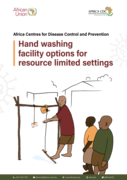
This document provides guidance to AU Member States, states/local bodies, and communities
on how to construct and maintain non-contact hand washing stations like Tippy Taps and other
alternative hand washing stations.
There are indigenous communities at high risk in every country of the region. At stake are the lives of 45 million people who belong to more than 800 indigenous peoples. Of these, some 100 are spread across several countries, around 200 maintain voluntary isolation or are in initial contact, and nea
...
The report provides the much-needed evidence to design interventions for children in Kenya and as such we urge partners to use this report as a document for planning for children.
