Filter
889
Text search:
UNFPA,
et
al.
Featured
Recommendations
66
New Publications
282
Language
Document type
No document type
584
Studies & Reports
128
Guidelines
95
Manuals
26
Strategic & Response Plan
17
Training Material
16
Fact sheets
10
Infographics
6
Situation Updates
5
Resource Platforms
1
Online Courses
1
Countries / Regions
Ethiopia
27
Nepal
26
Nigeria
25
Kenya
25
Sierra Leone
24
Myanmar / Burma
21
Senegal
20
Liberia
19
Malawi
19
Zambia
18
Global
18
Bangladesh
15
Latin America and the Carribbean
15
Uganda
13
Haiti
13
Congo, Democratic Republic of
12
Tanzania
12
Venezuela
12
Rwanda
10
Benin
10
Ghana
8
Zimbabwe
8
Syria
8
Colombia
8
India
7
South–East Asia Region
7
Asia
7
Cambodia
6
South Africa
6
Namibia
6
Brazil
6
Paraguay
5
Africa
5
Albania
5
Russia
5
Guinea
4
Cameroon
4
Philippines
4
Somalia
4
Indonesia
4
Ukraine
4
Lesotho
4
Western and Central Europe
4
Eastern Europe
4
Burkina Faso
3
Pakistan
3
South Sudan
3
Central African Republic
3
Yemen
3
West and Central Africa
3
Middle East and North Africa
3
Afghanistan
2
Lebanon
2
Thailand
2
Papua New Guinea
2
Peru
2
Eswatini/ Swaziland
2
Madagascar
2
Mexico
2
East and Southern Africa
2
Western Pacific Region
2
Laos
2
Iraq
1
Jordan
1
Germany
1
Turkey
1
China
1
Malaysia
1
Mozambique
1
Argentina
1
Dominican Republic
1
Hungary
1
Botswana
1
Bolivia
1
Guatemala
1
Sri Lanka
1
Eastern Europe and Central Asia
1
Poland
1
Palestine
1
Southern Africa
1
Timor Leste/ East Timor
1
Romania
1
Moldova
1
Slovakia
1
Uzbekistan
1
Georgia
1
Vietnam
1
Turkmenistan
1
Japan
1
Authors & Publishers
Publication Years
Category
Countries
408
Women & Child Health
165
Clinical Guidelines
54
Key Resources
22
Public Health
19
Capacity Building
16
Pharmacy & Technologies
3
Toolboxes
HIV
136
COVID-19
48
Caregiver
31
Mental Health
30
Conflict
18
Global Health Education
16
Disability
15
Ebola
15
Health Financing Toolbox
13
Refugee
12
Planetary Health
11
Zika
10
TB
7
Pharmacy
6
Natural Hazards
4
Rapid Response
4
AMR
4
Polio
3
NCDs
1
La crisis sanitaria y socioeconómica desencadenada por la pandemia del COVID-19 ha golpeado duramente a los países de América Latina y ha dejado al descubierto las profundas desigualdades sobre las que numerosos informes internacionales, regional
...
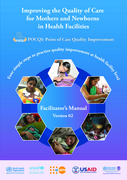
WHO-SEARO in partnership with WHOCC AIIMS, UNICEF, UNFPA and USAID has prepared a training package for building capacity of healthcare teams in health facilities for continous quality improvement of maternal and newborn healthcare. The focus is on t
...
Every day in 2020, approximately 800 women died from preventable causes related to pregnancy and childbirth - meaning that a woman dies around every two minutes.
Sustainable Development Goal (SDG) target 3.1 is to reduce maternal mortality to less than 70 maternal deaths per 100 000 live births by
...
Se calcula que en 2015 había en el mundo 17,8 millones de mujeres de 18 años o mayores infectadas por el VIH, cifra que equivale al 51% de los adultos que viven con VIH. Las adolescentes y las jóvenes se ven especialmente afectadas; en 2015 const
...
La Guinée a été le point zéro de la flambée récente de la maladie à virus Ebola. Le taux de mortalité attribuée à Ebola en Guinée était de 66 %, nettement plus élevé que les taux des deux autres pays ouest-africains les plus affectés : la Sierra Leone (32 %)
...
Version 2, January 2016
The primary purpose of this document is to provide 3MDG stakeholders with some essential information on the MNCH core-indicators for 3MDG, which were derived from the 3MDG Logical Framework, Data Dictionary for Health Service Indicators (2014 June, DoPH, MoH), A ... (MEASURE Evaluation, September 2005) and Monitoring Emergency Obstetric Care (WHO/UNICEF/UNFPA/AMDD). Partners are strongly encouraged to integrate the MNCH indicators into their ongoing monitoring and evaluation (M&E) activities.
These indicators are designed to help Partners assess the current state of their activities, their progress towards achieving their targets, and contribution towards the national response. This guideline is designed to improve the quality and consistency of data collected at the township level, which will enhance the accuracy of conclusions drawn when the data are aggregated.
The primary purpose of this document is to provide 3MDG stakeholders with some essential information on the MNCH core-indicators for 3MDG, which were derived from the 3MDG Logical Framework, Data Dictionary for Health Service Indicators (2014 June, DoPH, MoH), A ... (MEASURE Evaluation, September 2005) and Monitoring Emergency Obstetric Care (WHO/UNICEF/UNFPA/AMDD). Partners are strongly encouraged to integrate the MNCH indicators into their ongoing monitoring and evaluation (M&E) activities.
These indicators are designed to help Partners assess the current state of their activities, their progress towards achieving their targets, and contribution towards the national response. This guideline is designed to improve the quality and consistency of data collected at the township level, which will enhance the accuracy of conclusions drawn when the data are aggregated.
The coronavirus disease 2019 (COVID-19) pandemic has created a global and gendered crisis that is compounding existing inequalities and disproportionately affecting girls and women. Emerging evidence from the COVID-19 crisis in 2020 shows school closures, disruptions in essential services and rising
...
En este documento se ofrece, en un formato de fácil consulta, el panorama general de las cuestiones relativas a la salud y los derechos sexuales y reproductivos que pueden afectar a los derechos humanos, la salud y el bienestar de los adolescentes (de edades comprendidas entre los 10 y los 19 años
...
Soumis à l’Agence des États-Unis pour le développement international par le programme SIAPS (Systems for Improved Access to Pharmaceuticals and Services ou Programme des systèmes pour l’amélioration de l’accès aux produits et services ph
...
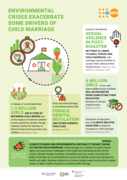
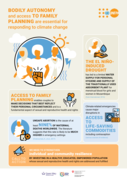
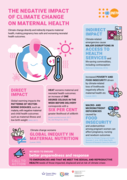
This infographic looks at how climate change directly and indirectly impacts maternal health, making pregnancy less safe and worsening neonatal health outcomes.
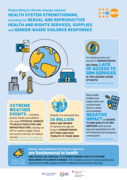
Health systems strengthening, including for sexual and reproductive health and rights services
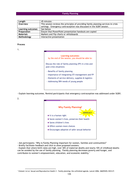
Training On The Misp For Sexual And Reproductive Health In Crisis Part 2
This Toolkit is intended to guide humanitarian programme managers and healthcare providers to ensure that sexual and reproductive health interventions put into place both during and after a crisis are responsive to the unique needs of adolescents.