Filter
1944
Text search:
Tanzania
Featured
133
481
Language
1773
66
61
61
27
17
15
8
8
6
5
4
3
3
3
3
2
2
2
2
2
2
1
1
1
1
1
1
1
1
1
1
1
1
1
1
1
1
1
1
1
1
1
1
1
Document type
1162
425
149
62
51
32
20
19
7
7
5
2
2
1
Countries
259
132
100
80
66
54
49
47
39
34
30
28
28
23
23
20
18
18
18
17
16
16
15
15
13
12
12
11
11
10
10
10
9
8
8
8
8
8
8
8
7
7
6
6
6
6
5
5
5
5
5
5
4
4
4
4
4
4
3
3
3
3
3
3
3
2
2
2
2
2
2
2
2
2
2
2
2
2
2
2
1
1
1
1
1
1
1
1
1
1
1
1
1
1
1
1
1
1
1
1
Authors & Publishers
214
135
122
83
71
57
55
41
32
31
29
20
18
18
18
17
16
12
9
9
9
9
9
9
8
8
7
7
7
7
7
7
7
7
6
6
6
6
6
6
5
5
5
5
5
5
5
5
5
5
5
5
4
4
4
4
4
4
4
4
4
4
4
4
4
4
4
4
4
4
4
4
4
4
4
4
4
4
4
4
4
3
3
3
3
3
3
3
3
3
3
3
3
3
3
3
3
3
3
3
3
3
3
3
3
3
3
3
3
3
3
3
3
3
3
3
3
2
2
2
2
2
2
2
2
2
2
2
2
2
2
2
2
2
2
2
2
2
2
2
2
2
2
2
2
2
2
2
2
2
2
2
2
2
2
2
2
2
2
2
2
2
2
2
2
2
2
2
2
2
2
2
2
2
2
2
2
2
2
2
2
2
2
2
2
2
2
2
2
2
2
2
2
2
2
2
2
2
2
2
2
2
2
2
2
2
2
2
2
2
2
2
2
2
2
2
2
2
2
2
2
2
2
2
2
2
2
2
2
2
2
2
2
2
2
2
2
2
2
2
2
2
2
2
2
2
2
2
2
2
2
2
2
2
2
1
1
1
1
1
1
1
1
1
1
1
1
1
1
1
1
1
1
1
1
1
1
1
1
1
1
1
1
1
1
1
1
1
1
1
1
1
1
1
1
1
1
1
1
1
1
1
1
1
1
1
1
1
1
1
1
1
1
1
1
1
1
1
1
1
1
1
1
1
1
1
1
1
1
1
1
1
1
1
1
1
1
1
1
1
1
1
1
1
1
1
1
1
1
1
1
1
1
1
1
1
1
1
1
1
1
1
1
1
1
1
1
1
1
1
1
1
1
1
1
1
1
1
1
1
1
1
1
1
1
1
1
1
1
1
1
1
1
1
1
1
1
1
1
1
1
1
1
1
1
1
1
1
1
1
1
1
1
1
1
1
1
1
1
1
1
1
1
1
1
1
1
1
1
1
1
1
1
1
1
1
1
1
1
1
1
1
1
1
1
1
1
1
1
1
1
1
1
1
1
1
1
1
1
1
1
1
1
1
1
1
1
1
1
1
1
1
1
1
1
1
1
1
1
1
1
1
1
1
1
1
1
1
1
1
1
1
1
1
1
1
1
1
1
1
1
1
1
1
1
1
1
1
1
1
1
1
1
1
1
1
1
1
1
1
1
1
1
1
1
1
1
1
1
1
1
1
1
1
1
1
1
1
1
1
1
1
1
1
1
1
1
1
1
1
1
1
1
1
1
1
1
1
1
1
1
1
1
1
1
1
1
1
1
1
1
1
1
1
1
1
1
1
1
1
1
1
1
1
1
1
1
1
1
1
1
1
1
1
1
1
1
1
1
1
1
1
1
1
1
1
1
1
1
1
1
1
1
1
1
1
1
1
1
1
1
1
1
1
1
1
1
1
1
1
1
1
1
1
1
1
1
1
1
1
1
1
1
1
1
1
1
1
1
1
1
1
1
1
1
1
1
1
1
1
1
1
1
1
1
1
1
1
1
1
1
1
1
1
1
1
1
1
1
1
1
1
1
1
1
1
1
1
1
1
1
1
1
1
1
1
1
1
1
1
1
1
1
1
1
1
1
1
1
1
1
1
1
1
1
1
1
1
1
1
1
1
1
1
1
1
1
1
1
1
1
1
1
1
1
1
1
1
1
1
1
1
1
1
1
1
1
1
1
1
1
1
1
1
1
1
1
1
1
1
1
1
1
1
1
1
1
1
1
1
1
1
1
1
1
1
1
1
1
1
1
1
1
1
1
1
1
1
1
1
1
1
1
1
1
1
1
1
1
1
1
1
1
1
1
1
1
1
1
1
1
1
1
1
1
1
1
1
1
1
1
1
1
1
1
1
1
1
1
1
1
1
1
1
1
1
1
1
1
1
1
1
1
1
1
1
1
1
1
1
1
1
1
1
1
1
1
1
1
1
1
1
1
1
1
1
1
1
1
1
1
1
1
1
1
1
1
1
1
1
1
1
1
1
1
1
1
1
1
1
1
1
1
1
1
1
1
1
1
1
1
1
1
1
1
1
1
1
1
1
1
1
1
1
1
1
1
1
1
1
1
1
1
1
1
1
1
1
1
1
1
1
1
1
1
1
1
1
1
1
1
1
1
1
1
1
1
1
1
1
1
1
1
1
1
1
1
1
1
1
1
1
1
1
1
1
1
1
1
1
1
1
1
1
1
1
1
1
1
1
1
1
1
1
1
1
1
1
1
1
1
1
1
1
1
1
1
1
1
1
1
1
1
1
1
1
1
1
1
1
1
1
1
1
1
1
1
1
1
1
1
1
1
1
1
1
1
1
1
1
1
1
1
1
1
1
1
1
1
1
1
1
1
1
1
1
1
1
1
1
1
1
1
1
1
1
1
1
1
1
1
1
1
1
1
1
1
1
1
1
1
1
1
1
1
1
1
1
1
1
1
1
1
1
1
1
1
1
1
1
1
1
1
1
1
1
1
1
1
1
1
1
1
1
1
1
1
1
1
1
1
1
1
1
1
1
1
1
1
1
1
1
1
1
1
1
1
1
1
1
1
1
1
1
1
1
1
1
1
1
1
1
1
1
1
1
1
1
1
1
1
1
1
1
1
1
1
1
1
1
1
1
1
1
1
1
1
1
1
1
1
1
1
1
1
1
1
1
1
1
1
1
1
1
1
1
1
1
1
1
1
1
1
1
1
1
1
1
1
1
1
1
1
1
1
1
1
1
1
1
1
1
1
1
1
1
1
1
1
1
1
1
1
1
1
1
1
1
1
1
1
1
1
1
1
1
1
1
1
1
1
1
1
1
1
1
1
1
1
1
1
1
1
1
1
1
1
1
1
1
1
1
1
1
1
1
1
1
1
1
1
1
1
1
1
1
1
1
1
1
1
1
1
1
1
1
1
1
1
1
1
1
1
1
1
1
1
1
1
1
1
1
1
1
1
1
1
1
1
1
1
1
1
1
1
1
1
1
1
1
1
1
1
1
1
1
1
1
1
1
1
1
1
1
1
1
1
1
1
1
1
1
1
1
1
1
1
1
1
1
1
1
1
1
1
1
1
1
1
1
1
1
1
1
1
1
1
1
1
1
1
1
1
1
1
1
1
1
1
1
1
1
1
1
1
1
1
1
1
1
1
1
1
1
1
1
1
1
1
1
1
1
1
1
1
1
1
1
1
1
1
1
1
1
1
1
1
1
1
1
1
1
1
1
1
1
1
1
1
1
1
1
1
1
1
1
1
1
1
1
1
1
1
1
1
1
1
1
1
1
1
1
1
1
1
1
1
1
1
1
1
1
1
1
1
1
1
1
1
1
1
1
1
1
1
1
1
1
1
1
1
1
1
1
1
1
1
1
1
1
1
1
1
1
1
1
1
1
1
1
1
1
1
1
1
1
1
1
1
1
1
1
1
1
1
1
1
1
1
1
1
1
1
1
1
1
1
1
1
1
1
1
1
1
1
1
1
1
1
1
1
1
1
1
1
1
1
1
1
1
1
1
1
1
1
1
1
1
1
1
1
1
1
1
1
1
1
1
1
1
1
1
1
1
1
1
1
1
1
1
1
1
1
1
1
1
1
1
1
1
1
1
1
1
1
1
1
1
1
1
1
1
1
1
1
1
1
1
1
1
1
1
1
1
1
1
1
1
1
1
1
1
1
1
1
1
1
1
1
1
1
1
1
1
1
1
1
1
1
1
1
1
1
1
1
1
1
1
1
1
1
1
1
1
1
1
1
1
1
1
1
1
1
1
1
1
1
1
1
1
1
1
1
1
1
1
1
1
1
1
1
1
1
1
1
1
1
1
1
1
1
1
1
1
1
1
1
1
1
1
1
1
1
1
1
1
1
1
1
1
1
1
1
1
1
1
1
1
1
1
1
1
1
1
1
1
1
1
1
1
1
1
1
1
1
1
1
1
1
1
1
1
1
1
1
1
1
1
1
1
1
1
1
1
1
1
1
1
1
1
1
1
1
1
1
1
1
1
1
1
1
1
1
1
1
1
1
1
1
1
1
1
1
1
1
1
1
1
1
1
1
1
1
1
1
1
1
1
1
1
1
1
1
1
1
1
1
1
1
1
1
1
1
1
1
1
1
1
1
1
1
1
1
1
1
1
1
1
1
1
1
1
1
1
1
1
1
1
1
1
1
1
1
1
1
1
1
1
1
1
1
1
1
1
1
1
1
1
1
1
1
1
1
1
1
1
1
1
1
1
1
1
1
1
1
1
1
1
1
1
1
1
1
1
1
1
1
1
1
1
1
1
1
1
1
1
1
1
1
1
1
1
1
1
1
1
1
1
Publication Years
452
1312
164
14
1
1
Category
707
155
153
122
67
41
17
1
Toolboxes
244
111
109
78
78
77
70
58
57
53
41
37
32
29
25
24
20
19
18
15
6
6
3
1
1
Swahili Translation of Neonatal Resuscitation for skilled healthworkers showing bag and mask resuscitation.
Swahili version of Prevention and Management of Primary Postpartum Haemorrhage-PPH. Translation and voice over thanks to Alex Mureithi and Zawadi Machibya and their colleagues at the BBC Swahili Service.
PPH, or excessive bleeding after delivery, accounts for a third of all maternal deaths in sub-S
...
aharan Africa, although it is widely preventable and treatable.
more
Swahili version of Focused Antenatal Care (FANC) Community Education.
Translation and voice over thanks to Alex Mureithi and Zawadi Machibya and their colleagues at the BBC Swahili Service.
Women and husbands need to understand not only the importance of antenatal care and how it may help prevent
...
potentially fatal problems in both mother and child, but also need to understand what it entails and what to expect, so as to encourage them to attend and make provision for this.
more
Swahili version of How to use a partograph.
Translation and voice over thanks to Alex Mureithi and Zawadi Machibya and their colleagues at the BBC Swahili Service
A vital tool for the care of every woman in labour. The partograph is a graphic record of vital observations during the course of labo
...
ur in order to assess its progress and carry out appropriate interventions if and when necessary. Correct use of the partograph can help prevent and manage prolonged or obstructed labour and serious complications, including ruptured uterus, obstetric fistula, and stillbirth. The partograph was developed in Africa (Zimbabwe in about 1970) and has become adopted worldwide.
more
Swahili version of Manual removal of the placenta (MROP).
Translation and voice over thanks to Alex Mureithi and Zawadi Machibya and their colleagues at the BBC Swahili Service.
Retained placenta can lead to post-partum haemorrhage, which is responsible for a third of all maternal deaths.. This is
...
a challenging procedure that must be done manually.
more
JE, MTOTO WAKO NI MGONJWA? MUDA MREFU FILAMU - KUHARISHA, NYUMONIA, MALARIA
This film is the full length version of the Is Your Child Sick? videos on pneumonia, diarrhoea and malaria. The film is aimed at community health workers, parents and communities to teach them the important signs and symp
...
toms to look for in a sick child and why they need to make sure they seek help as early as possible from a skilled health worker.
Accessed 29 January 2015
more
Swahili Language version of How to plan a pregnancy.
Translation thanks to Yussuf Hamad
Swahili language version of How Babies are made.
It is a film explaining male and female reproductive organs and how babies are made.
Swahili Language version of Management of postpartum haemorrhage (PPH): Low Resource Setting. It is a film showing how to manage postpartum haemorrhage in a low resource setting by an unskilled birth attendant.
Translation thanks to Yussuf Hamad & Ritva Niemi
Swahili language version of Warning Signs in Pregnancy. It is a film showing warning signs for women to watch out for during pregnancy and how they can try to avoid complication and illness during pregnancy and childbirth.
Translation thanks to Yussuf Hamad & Ritva Niemi
Swahili Language version of What pregnant women should eat.
It is a film showing what women should try to eat during pregnancy to stay healthy and lower the risk of complications during delivery to themselves and their baby.
Swahili language version of What and when to feed your child (6 to 24 months).
It is a complementary feeding film, showing what foods you should try to give to your child whenever possible from age 6 months to 2 years.
Swahili language version of the film for Breastfeeding (0 to 6 months).Aimed at community health workers to help facilitate training on nutrition to communities and other health workers.
Translation courtesy of Yussuf Hamad
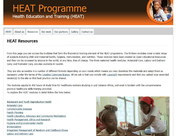
From this page you can access the modules that form the theoretical training element of the HEAT programme. The thirteen modules cover a wide range of subjects including child and maternal health, hygiene, immunisation, and nutrition. These modules have been created as Open Educational Resources and
...
they can be accessed by anyone in the world, at any time, free of charge. The three maternal health modules: Antenatal Care; Labour and Delivery Care; and Postnatal Care, are also available in Swahili.
Some of them are designed for the upgrade training for the Health Extension Worker programme in Ethiopia - it's the official MOH curriculum, and was designed as a year (or more) long distance learning programme.
more
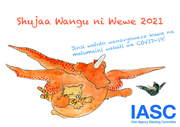
A new story book that aims to help children understand and come to terms with COVID-19 has been produced
With the help of a fantasy creature, Ario, “My Hero is You, How kids can fight COVID-19!” explains how children can protect themselves, their families and friends from coronavirus and how to
...
manage difficult emotions when confronted with a new and rapidly changing reality.
Available in more languages
The book – aimed primarily at children aged 6-11 years old – is a project of the Inter-Agency Standing Committee Reference Group on Mental Health and Psychosocial Support in Emergency Settings, a unique collaboration of United Nations agencies, national and international nongovernmental organizations and international agencies providing mental health and psychosocial support in emergency settings.
Available in different languages
more
Palliative Care Toolkits and Training Manual
recommended
This toolkit has been written to empower health workers in resource-poor settings to integrate palliative care into the work they are doing by grafting the missing elements of care onto what is already in place. The WHPCA, Hospice UK and Palliative Care Works have led this updating of the Palliative
...
Care Toolkit published in 2008 to reflect new knowledge and practice
The Manual is available in various languages: English, Swahili, Bengali, French, Georgian, Portuguese, Spanish, Vietnamese, Russian,
more
As climate impacts intensify across the globe, nations must dramatically increase funding and implementation of actions designed to help vulnerable nations and communities adapt to the climate storm
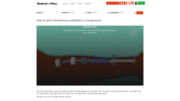
Swahili Version of Administration of parenteral antibiotics.Translation and voice over thanks to Alex Mureithi and Zawadi Machibya and their colleagues at the BBC Swahili Service.
This film shows how to give antibiotics correctly during pregnancy. It explains the “6 rights” of drug administra
...
tion – the right drug, the right patient, the right dose, the right time, the right route, and the right paperwork.
The film is for use in health worker training
more