
Filter
3099
Text search:
private
partnership
Featured
212
981
Language
3031
62
45
36
33
18
15
14
3
3
3
3
3
3
2
2
2
2
2
2
2
2
2
2
1
1
1
1
1
1
1
1
1
1
1
1
1
1
1
1
1
1
1
1
1
1
1
Document type
1948
513
231
181
118
42
28
20
7
4
2
2
1
Countries
144
125
117
95
81
81
78
78
69
67
67
66
58
57
56
54
53
50
45
43
37
32
31
31
31
29
27
27
25
25
24
23
23
20
20
20
19
16
15
14
14
13
12
12
12
11
11
10
10
10
10
8
8
7
7
7
7
7
6
6
5
5
5
5
5
4
4
4
4
4
4
4
4
4
4
4
3
3
3
3
3
3
3
3
3
3
2
2
2
2
2
2
2
2
2
2
2
2
2
2
2
2
2
2
1
1
1
1
1
1
1
1
1
1
1
1
1
1
1
1
1
1
1
1
1
1
1
1
1
1
1
Authors & Publishers
267
127
114
82
74
73
71
71
68
33
27
26
22
21
20
20
19
17
17
16
16
15
15
14
14
14
13
13
13
12
12
11
11
11
11
11
10
10
10
10
10
10
10
10
10
10
9
9
9
9
9
8
8
8
8
8
8
8
8
8
8
7
7
7
7
7
7
6
6
6
6
6
6
6
6
6
6
6
6
6
6
5
5
5
5
5
5
5
5
5
5
5
5
5
5
5
5
5
5
5
5
5
5
5
5
5
5
5
4
4
4
4
4
4
4
4
4
4
4
4
4
4
4
4
4
4
4
4
4
4
4
4
4
4
4
4
4
4
4
4
4
4
4
4
4
4
4
4
3
3
3
3
3
3
3
3
3
3
3
3
3
3
3
3
3
3
3
3
3
3
3
3
3
3
3
3
3
3
3
3
3
3
3
3
3
3
3
3
3
3
3
3
3
3
3
3
3
3
3
3
3
3
3
3
3
3
3
3
3
3
2
2
2
2
2
2
2
2
2
2
2
2
2
2
2
2
2
2
2
2
2
2
2
2
2
2
2
2
2
2
2
2
2
2
2
2
2
2
2
2
2
2
2
2
2
2
2
2
2
2
2
2
2
2
2
2
2
2
2
2
2
2
2
2
2
2
2
2
2
2
2
2
2
2
2
2
2
2
2
2
2
2
2
2
2
2
2
2
2
2
2
2
2
2
2
2
2
2
2
2
2
2
2
2
2
2
2
2
2
2
2
2
2
2
2
2
2
2
2
2
2
2
2
2
2
2
2
2
2
2
2
2
2
2
2
2
2
2
2
2
2
2
2
2
2
2
2
2
2
2
2
2
2
2
2
2
2
2
2
2
2
2
2
2
2
2
2
2
2
2
2
2
2
2
2
2
2
2
2
2
2
2
2
2
2
2
2
2
2
2
2
2
2
2
2
2
2
1
1
1
1
1
1
1
1
1
1
1
1
1
1
1
1
1
1
1
1
1
1
1
1
1
1
1
1
1
1
1
1
1
1
1
1
1
1
1
1
1
1
1
1
1
1
1
1
1
1
1
1
1
1
1
1
1
1
1
1
1
1
1
1
1
1
1
1
1
1
1
1
1
1
1
1
1
1
1
1
1
1
1
1
1
1
1
1
1
1
1
1
1
1
1
1
1
1
1
1
1
1
1
1
1
1
1
1
1
1
1
1
1
1
1
1
1
1
1
1
1
1
1
1
1
1
1
1
1
1
1
1
1
1
1
1
1
1
1
1
1
1
1
1
1
1
1
1
1
1
1
1
1
1
1
1
1
1
1
1
1
1
1
1
1
1
1
1
1
1
1
1
1
1
1
1
1
1
1
1
1
1
1
1
1
1
1
1
1
1
1
1
1
1
1
1
1
1
1
1
1
1
1
1
1
1
1
1
1
1
1
1
1
1
1
1
1
1
1
1
1
1
1
1
1
1
1
1
1
1
1
1
1
1
1
1
1
1
1
1
1
1
1
1
1
1
1
1
1
1
1
1
1
1
1
1
1
1
1
1
1
1
1
1
1
1
1
1
1
1
1
1
1
1
1
1
1
1
1
1
1
1
1
1
1
1
1
1
1
1
1
1
1
1
1
1
1
1
1
1
1
1
1
1
1
1
1
1
1
1
1
1
1
1
1
1
1
1
1
1
1
1
1
1
1
1
1
1
1
1
1
1
1
1
1
1
1
1
1
1
1
1
1
1
1
1
1
1
1
1
1
1
1
1
1
1
1
1
1
1
1
1
1
1
1
1
1
1
1
1
1
1
1
1
1
1
1
1
1
1
1
1
1
1
1
1
1
1
1
1
1
1
1
1
1
1
1
1
1
1
1
1
1
1
1
1
1
1
1
1
1
1
1
1
1
1
1
1
1
1
1
1
1
1
1
1
1
1
1
1
1
1
1
1
1
1
1
1
1
1
1
1
1
1
1
1
1
1
1
1
1
1
1
1
1
1
1
1
1
1
1
1
1
1
1
1
1
1
1
1
1
1
1
1
1
1
1
1
1
1
1
1
1
1
1
1
1
1
1
1
1
1
1
1
1
1
1
1
1
1
1
1
1
1
1
1
1
1
1
1
1
1
1
1
1
1
1
1
1
1
1
1
1
1
1
1
1
1
1
1
1
1
1
1
1
1
1
1
1
1
1
1
1
1
1
1
1
1
1
1
1
1
1
1
1
1
1
1
1
1
1
1
1
1
1
1
1
1
1
1
1
1
1
1
1
1
1
1
1
1
1
1
1
1
1
1
1
1
1
1
1
1
1
1
1
1
1
1
1
1
1
1
1
1
1
1
1
1
1
1
1
1
1
1
1
1
1
1
1
1
1
1
1
1
1
1
1
1
1
1
1
1
1
1
1
1
1
1
1
1
1
1
1
1
1
1
1
1
1
1
1
1
1
1
1
1
1
1
1
1
1
1
1
1
1
1
1
1
1
1
1
1
1
1
1
1
1
1
1
1
1
1
1
1
1
1
1
1
1
1
1
1
1
1
1
1
1
1
1
1
1
1
1
1
1
1
1
1
1
1
1
1
1
1
1
1
1
1
1
1
1
1
1
1
1
1
1
1
1
1
1
1
1
1
1
1
1
1
1
1
1
1
1
1
1
1
1
1
1
1
1
1
1
1
1
1
1
1
1
1
1
1
1
1
1
1
1
1
1
1
1
1
1
1
1
1
1
1
1
1
1
1
1
1
1
1
1
1
1
1
1
1
1
1
1
1
1
1
1
1
1
1
1
1
1
1
1
1
1
1
1
1
1
1
1
1
1
1
1
1
1
1
1
1
1
1
1
1
1
1
1
1
1
1
1
1
1
1
1
1
1
1
1
1
1
1
1
1
1
1
1
1
1
1
1
1
1
1
1
1
1
1
1
1
1
1
1
1
1
1
1
1
1
1
1
1
1
1
1
1
1
1
1
1
1
1
1
1
1
1
1
1
1
1
1
1
1
1
1
1
1
1
1
1
1
1
1
1
1
1
1
1
1
1
1
1
1
1
1
1
1
1
1
1
1
1
1
1
1
1
1
1
1
1
1
1
1
1
1
1
1
1
1
1
1
1
1
1
1
1
1
1
1
1
1
1
1
1
1
1
1
1
1
1
1
1
1
1
1
1
1
1
1
1
1
1
1
1
1
1
1
1
1
1
1
1
1
1
1
1
1
1
1
1
1
1
1
1
1
1
1
1
1
1
1
1
1
1
1
1
1
1
1
1
1
1
1
1
1
1
1
1
1
1
1
1
1
1
1
1
1
1
1
1
1
1
1
1
1
1
1
1
1
1
1
1
1
1
1
1
1
1
1
1
1
1
1
1
1
1
1
1
1
1
1
1
1
1
1
1
1
1
1
1
1
1
1
1
1
1
1
1
1
1
1
1
1
1
1
1
1
1
1
1
1
1
1
1
1
1
1
1
1
1
1
1
1
1
1
1
1
1
1
1
1
1
1
1
1
1
1
1
1
1
1
1
1
1
1
1
1
1
1
1
1
1
1
1
1
1
1
1
1
1
1
1
1
1
1
1
1
1
1
1
1
1
1
1
1
1
1
1
1
1
1
1
1
1
1
1
1
1
1
1
1
1
1
1
1
1
1
1
1
1
1
1
1
1
1
1
1
1
1
1
1
1
1
1
1
1
1
1
1
1
1
1
1
1
1
1
1
1
1
1
1
1
1
1
1
1
1
1
1
1
1
1
1
1
1
1
1
1
1
1
1
1
1
1
1
1
1
1
1
1
1
1
1
1
1
1
1
1
1
1
1
1
1
1
1
1
1
1
1
1
1
1
1
1
1
1
1
1
1
1
1
1
1
1
1
1
1
1
1
1
1
1
1
1
1
1
1
1
1
1
1
1
1
1
1
1
1
1
1
1
1
1
1
1
1
1
1
1
1
1
1
1
1
1
1
1
1
1
1
1
1
1
1
1
1
1
1
1
1
1
1
1
1
1
1
1
1
1
1
1
1
1
1
1
1
1
1
1
1
1
1
1
1
1
1
1
1
1
1
1
1
1
1
1
1
1
1
1
1
1
1
1
1
1
1
1
1
1
1
1
1
1
1
1
1
1
1
1
1
1
1
1
1
1
1
1
1
1
1
1
1
1
1
1
1
1
1
1
1
1
1
1
1
1
1
1
1
1
1
1
1
1
1
1
1
1
1
1
1
1
1
1
1
1
1
1
1
1
1
1
1
1
1
1
1
1
1
1
1
1
1
1
1
1
1
1
1
1
1
1
1
1
1
1
1
1
1
1
1
1
1
1
1
1
1
1
1
1
1
1
1
1
1
1
1
1
1
1
1
1
1
1
1
1
1
1
1
1
1
1
1
1
1
1
1
1
1
1
1
1
1
1
1
1
1
1
1
1
1
1
1
1
1
1
1
1
1
1
1
1
1
1
1
1
1
1
1
1
1
1
1
1
1
1
1
1
1
1
1
1
1
1
1
1
1
1
1
1
1
1
1
1
1
1
1
1
1
1
1
1
1
1
1
1
1
1
1
1
1
1
1
1
1
1
1
1
1
1
1
1
1
1
1
1
1
1
1
1
1
1
1
1
1
1
1
1
1
1
1
1
1
1
1
1
1
1
1
1
1
1
1
1
1
1
1
1
1
1
1
1
1
1
1
1
1
1
1
1
1
1
1
1
1
1
1
1
1
1
1
1
1
1
1
1
1
1
1
1
1
1
1
1
1
1
1
1
1
1
1
1
1
1
1
1
1
1
1
1
1
1
1
1
1
1
1
1
1
1
1
1
1
1
1
1
1
1
1
1
1
1
1
1
1
1
1
1
1
1
1
1
1
1
1
1
1
1
1
1
1
1
1
1
1
1
1
1
1
1
1
1
1
1
1
1
1
1
1
1
1
1
1
1
1
1
1
1
1
1
1
1
1
1
1
1
1
1
1
1
1
1
1
1
1
1
1
1
1
1
1
1
1
1
1
1
1
1
1
1
1
1
1
1
1
1
1
1
1
1
1
1
1
1
1
1
1
1
1
1
1
1
1
1
1
1
1
1
1
1
1
1
1
1
1
1
1
1
1
1
1
1
1
1
1
1
1
1
1
1
1
1
1
1
1
1
1
1
1
1
1
1
1
1
1
1
1
1
1
1
1
1
1
1
1
1
1
1
1
1
1
1
1
1
1
1
1
1
1
1
1
1
1
1
1
1
1
1
1
1
1
1
1
1
1
1
1
1
1
1
1
1
1
1
1
1
1
1
1
1
1
1
1
1
1
1
1
1
1
1
1
1
1
1
1
1
1
1
1
1
1
1
1
1
1
1
1
1
1
1
1
1
1
1
1
1
1
1
1
1
1
1
1
1
1
1
1
1
1
1
1
1
1
1
1
1
1
1
1
1
1
1
1
1
1
1
1
1
1
1
1
1
1
1
1
1
1
1
1
1
1
1
1
1
1
1
1
1
1
1
1
1
1
1
1
1
1
1
1
1
1
1
1
1
1
1
1
1
1
1
1
1
1
1
1
1
1
1
1
1
1
1
1
1
1
1
1
1
1
1
1
1
1
1
1
1
1
1
1
1
1
1
1
1
1
1
1
1
1
1
1
1
1
1
1
1
1
1
1
1
1
1
1
1
1
1
1
1
1
1
1
1
1
1
1
1
1
1
1
1
1
1
1
1
1
1
1
1
1
1
1
1
1
1
1
1
1
1
1
1
1
1
1
1
1
1
1
1
1
1
1
1
1
1
1
1
1
1
1
1
1
1
1
1
1
1
1
1
1
1
1
1
1
1
1
1
1
1
1
1
1
1
1
1
1
1
1
1
1
1
1
1
1
1
1
1
1
1
1
1
1
1
1
1
1
1
1
1
1
1
1
1
1
1
1
1
1
1
1
1
1
1
1
1
1
1
1
1
1
1
1
1
1
1
1
1
1
1
1
1
1
1
1
1
1
1
1
1
1
1
1
1
1
1
1
1
1
1
1
1
1
1
1
1
1
1
1
1
1
1
1
1
1
1
1
1
1
1
1
1
1
1
1
1
1
1
1
1
1
1
1
1
1
1
1
1
1
1
1
1
1
Publication Years
733
2095
258
13
Category
1401
182
148
115
113
35
15
5
1
1
Toolboxes
224
203
186
143
125
110
101
100
76
68
63
62
56
54
54
50
31
22
20
15
11
9
9
3
1
Infectious diseases like COVID-19 can disrupt the environments in which children grow and develop. Disruptions to families, friendships, daily routines and the wider community can have negative consequences for children’s well-being, development and protection. In addition, measures used to preven
...
t and control the spread of COVID-19 can expose children to protection risks. Home-based, facility-based and zonal-based quarantine and isolation measures can all negatively impact children and their families.
The aim of this brief is to support child protection practitioners to better respond to the child protection risks during a COVID-19 pandemic. Part 1 presents the potential child protection risks COVID-19 can pose to children. Part 2 presents programmatic options in line with the 2019 Minimum Standards for Child Protection in Humanitarian Action (CPMS) and the Guidance Note: Protection of Children During Infectious Disease Outbreaks.
more
Myanmar, as a country going through rapid socio-political transition and institutional development also suffers with a high burden of infectious disease. An ongoing challenge has been to effectively reach its 51 million population, most of whom battle tuberculosis, acute respiratory infections, diar
...
rhoea and malaria including amongst under-five children.
Limited research data on the occurrence of resistant organisms in the nation have, makes it hard to estimate the exact antimicrobial resistance (AMR) scenario. Limited peer reviewed evidence indicates significant divergence from the average resistance trends in APAC region. Nevertheless, several key steps by Government of Myanmar have been instrumental in paving the way for the country to join other nations in the South East Asia Region to speed up its plan on addressing the AMR crisis. Combating antimicrobial resistance would, however, require highest political commitment, multi-sectoral coordination, sustained investment and technical assistance.
more

Antibiotics have been useful in fighting infectious diseases in our country for decades, but because of the overuse and misuse of these agents, an increasing number of organisms are now resistant to them. The Philippines, like other Southeast Asian countries, has already been encountering the many c
...
hallenges of antimicrobial resistance (AMR) which include increasing social and economic costs and rising patient mortality. Although considered a global threat, it is already an emerging local health concern which calls for an urgent collaboration among different sectors to provide solutions addressing this growing problem.
more

Antimicrobials have been a critical public health tool since the discovery of penicillin in 1928, saving the lives of millions of people around the world. Today, however, the emergence of drug resistance is reversing the miracles of the past eighty years, with drug choices for the treatment of many
...
infections becoming increasingly limited, expensive, and, in some cases, non-existent.
Conscious of the public health threats of AMR to both humans, animals and the environment, the ministries of health and sanitation, agriculture forestry and food security and the environmental protection agency put together a national multi-sectoral coordinating group tasked with the responsibility of establishing mechanisms to integrate all initiatives into a single concerted action and development of the national AMR strategic plan (2018-2022). The National Strategic Plan on Antimicrobial Resistance is the first approach which addresses AMR specifically.
more
The National Department of Health and Department of Agriculture, Forestry and Fisheries have collectively engaged to determine the key interventions that will form the basis for this strategy taking into account the recommendations from the WHO and OIE.
The development and implementation of a Natio
...
nal Antimicrobial Resistance Strategy Framework that complements international efforts is a major step towards containment of the growing threat of antimicrobial resistance in human and animal health. Global partnerships need to be strengthened because the responsibility for reducing resistance is a shared one. This responsibility is not only limited to the health care sector, but calls for collaborative action in all sectors - human, animal and agriculture.
The National Antimicrobial Resistance Strategy Framework will affect South Africa’s response to this looming threat. We already have the tools and expertise to make a difference, now all we need is to work together toward a better future.
more
This edition of UNICEF’s annual Humanitarian Action for Children highlights UNICEF’s funding appeal, which sets out an ambitious agenda to address the major challenges facing children and young people living through conflict and crisis. It presents the investments needed in 2021 to save their li
...
ves and protect their futures.
more
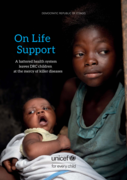
ON LIFE SUPPORT3The Democratic Republic of Congo’s Ebola outbreak has been contained, but confl ict and under-development leave over three million children at risk from measles and other killer diseases. The country’s medical services – ill-equipped and under-resourced – are on life support
...
and in no condition to protect children unless urgent measures are taken.
more
The State of the world’s nursing 2020 report provides the latest, most up-to-date evidence on and policy options for the global nursing workforce. It also presents a compelling case for considerable – yet feasible – investment in nursing education, jobs, and leadership.
The primary chapters
...
of the report outline the role and contributions of nurses with respect to the WHO “triple billion” targets; the health labour market and workforce policy levers to address the challenges to nurses working to their full potential; the findings from analysis of National Health Workforce Account (NHWA) data from 191 Member States and progress in relation to the projected shortfall of nurses by 2030; and forward-looking policy options for an agenda to strengthen the nursing workforce to deliver the Sustainable Development Goals, improve health for all, and strengthen the primary health care workforce on our journey towards universal health coverage.
more
COVID‑19 Strategy update 14 April 2020
recommended
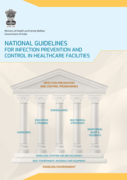
Infection Prevention and Control Programmes
January 2020
Refugees and migrants face similar health threats from COVID-19 as their host populations. However, inadequate access to essential services and exclusion may makes early detection, testing, diagnosis, contact tracing and seeking care for COVID-19 difficult for refugees and migrants thus increasing t
...
he risk of outbreaks in these population and presenting an additional threat to public health. This document offers guidance to Member States and partners for the inclusion of refugees and migrants, as part of holistic efforts to respond to COVID-19 epidemics in the general populations.
17 April 2020
more
This regional technical guidance note was developed for the UNFPA Asia-Pacific Regional Office (APRO) and Asia-Pacific Country Offices to provide guidance on older persons, health workers, and caregivers in the contexts of COVID-19 to effectively support each member state and work with other partner
...
s in preparing for and responding to the COVID-19 epidemic.
more
Updated on 6 APRIL 2020
There are serious concerns that the situation might escalate in the next weeks modelling the epi curve of other regions. The interlinkages between human mobility and the current pandemic of COVID-19 are well established, and while international flights have been suspended i
...
n the region, the porous borders on land and water crossings remain difficult to control.
more
Kenya reported its first case of COVID-19 on 12 March 2020 and, as at 7 April 2020, 172 cases had been confirmed and 6 deaths reported. The Government of Kenya has taken a number of measures to curb the spread of the virus, including implementing a curfew, restricting movement out and into four coun
...
ties, including Nairobi Metropolitan, and closing most of the urban and rural markets to enforce social distancing. However, these measures, along with the global economic shock caused by the pandemic, are expected to generate new needs, requiring an immediate and urgent response.
more
This document is to support local authorities, leaders and policy-makers in cities and other urban settlements in identifying effective approaches and implementing recommended actions that enhance the prevention, preparedness and readiness for COVID-19 in urban settings, to ensure a robust response
...
and eventual recovery. It covers factors unique to cities and urban settings, considerations in urban preparedness, key areas of focus and preparing for future emergencies.
more
A comprehensive briefing by Half of Syria
April 2020
A comprehensive briefing on the critical challenges of the COVID-19 pandemic to Syrians, as reported by Syrian civil society organisations. These challenges have been collated following extensive interviews with the teams of member and partner
...
organisations working in the field in various sectors: health, child care, education, women’s empowerment, media and culture, research, human rights and accountability, relief and social services, and local governance.
This comprehensive briefing also include concrete recommendations formulated by the Syrian civil society.
more
This strategy, produced by IFRC, UNICEF and WHO, provides an overview of RCCE coordination approach and priorities across the different phases of the COVID-19 preparedness and response
Tips for Engaging Communities during COVID-19 in Low-Resource Settings, Remotely and In-Person
recommended
This brief provides key considerations for engaging communities on COVID-19 and tips for how to engage where there are movement restrictions and physical distancing measures in place, particularly in low-resource settings.
As the COVID-19 pandemic continues to threaten health and food systems around the world, the 2020 Global Nutrition Report calls on governments, businesses and civil society to step up efforts to address malnutrition in all its forms.
School health programmes are the most cost-effective way to influence health behaviours in young people. The purpose of this two-part handbook is to support schools as they seek to implement interventions in order to reduce the main modifiable risk behaviours for noncommunicable disea
...
ses. This Practical application handbook provides advice to schools on providing young people with the knowledge, attitudes, beliefs and life skills necessary for making informed decisions, and creating a healthy school environment that can reduce the risk of NCDs
more
