
Filter
3155
Text search:
laboratory
tests
Featured
376
870
Language
2990
118
53
47
25
20
15
14
3
2
2
2
2
2
2
2
2
1
1
1
1
1
1
1
1
1
1
1
1
1
1
1
1
1
1
1
1
1
Document type
1823
499
405
160
110
61
44
26
7
6
4
3
2
1
Countries
203
92
82
76
72
66
63
62
61
60
56
56
53
52
48
42
41
40
38
36
31
30
29
28
28
27
22
20
19
19
19
18
17
17
16
15
15
14
13
13
12
12
11
11
11
10
9
9
9
8
8
7
7
7
7
6
6
6
6
6
5
5
5
5
5
4
4
4
4
4
4
4
4
4
4
4
4
4
4
3
3
3
3
3
3
2
2
2
2
2
2
2
2
2
2
2
2
2
2
2
2
2
1
1
1
1
1
1
1
1
1
1
1
1
1
1
1
1
1
1
1
1
1
1
1
1
1
1
1
1
Authors & Publishers
515
216
152
106
81
76
52
40
30
24
24
22
21
20
20
18
18
18
18
17
17
16
16
16
16
16
16
15
15
15
15
14
14
14
13
12
12
12
12
11
11
11
10
10
10
10
10
9
9
9
9
9
9
8
8
8
8
8
8
8
7
7
7
7
7
7
7
7
7
6
6
6
6
6
6
6
6
5
5
5
5
5
5
5
5
5
5
5
5
5
5
5
5
5
5
5
5
5
5
5
5
5
5
4
4
4
4
4
4
4
4
4
4
4
4
4
4
4
4
4
4
4
4
4
4
4
4
4
4
4
4
4
4
3
3
3
3
3
3
3
3
3
3
3
3
3
3
3
3
3
3
3
3
3
3
3
3
3
3
3
3
3
3
3
3
3
3
3
3
3
3
3
3
3
3
3
3
3
3
3
3
3
3
3
3
3
3
3
3
3
3
3
3
3
3
3
3
3
3
3
3
3
3
3
2
2
2
2
2
2
2
2
2
2
2
2
2
2
2
2
2
2
2
2
2
2
2
2
2
2
2
2
2
2
2
2
2
2
2
2
2
2
2
2
2
2
2
2
2
2
2
2
2
2
2
2
2
2
2
2
2
2
2
2
2
2
2
2
2
2
2
2
2
2
2
2
2
2
2
2
2
2
2
2
2
2
2
2
2
2
2
2
2
2
2
2
2
2
2
2
2
2
2
2
2
2
2
2
2
2
2
2
2
2
2
2
2
2
2
2
2
2
2
2
2
2
2
2
2
2
2
2
2
2
2
2
2
2
2
2
2
2
2
2
2
2
2
2
2
2
2
2
2
2
2
2
2
2
2
2
2
2
2
2
2
2
2
2
2
2
2
2
2
2
2
2
2
2
2
2
2
2
2
2
2
2
2
2
2
2
2
2
2
2
2
1
1
1
1
1
1
1
1
1
1
1
1
1
1
1
1
1
1
1
1
1
1
1
1
1
1
1
1
1
1
1
1
1
1
1
1
1
1
1
1
1
1
1
1
1
1
1
1
1
1
1
1
1
1
1
1
1
1
1
1
1
1
1
1
1
1
1
1
1
1
1
1
1
1
1
1
1
1
1
1
1
1
1
1
1
1
1
1
1
1
1
1
1
1
1
1
1
1
1
1
1
1
1
1
1
1
1
1
1
1
1
1
1
1
1
1
1
1
1
1
1
1
1
1
1
1
1
1
1
1
1
1
1
1
1
1
1
1
1
1
1
1
1
1
1
1
1
1
1
1
1
1
1
1
1
1
1
1
1
1
1
1
1
1
1
1
1
1
1
1
1
1
1
1
1
1
1
1
1
1
1
1
1
1
1
1
1
1
1
1
1
1
1
1
1
1
1
1
1
1
1
1
1
1
1
1
1
1
1
1
1
1
1
1
1
1
1
1
1
1
1
1
1
1
1
1
1
1
1
1
1
1
1
1
1
1
1
1
1
1
1
1
1
1
1
1
1
1
1
1
1
1
1
1
1
1
1
1
1
1
1
1
1
1
1
1
1
1
1
1
1
1
1
1
1
1
1
1
1
1
1
1
1
1
1
1
1
1
1
1
1
1
1
1
1
1
1
1
1
1
1
1
1
1
1
1
1
1
1
1
1
1
1
1
1
1
1
1
1
1
1
1
1
1
1
1
1
1
1
1
1
1
1
1
1
1
1
1
1
1
1
1
1
1
1
1
1
1
1
1
1
1
1
1
1
1
1
1
1
1
1
1
1
1
1
1
1
1
1
1
1
1
1
1
1
1
1
1
1
1
1
1
1
1
1
1
1
1
1
1
1
1
1
1
1
1
1
1
1
1
1
1
1
1
1
1
1
1
1
1
1
1
1
1
1
1
1
1
1
1
1
1
1
1
1
1
1
1
1
1
1
1
1
1
1
1
1
1
1
1
1
1
1
1
1
1
1
1
1
1
1
1
1
1
1
1
1
1
1
1
1
1
1
1
1
1
1
1
1
1
1
1
1
1
1
1
1
1
1
1
1
1
1
1
1
1
1
1
1
1
1
1
1
1
1
1
1
1
1
1
1
1
1
1
1
1
1
1
1
1
1
1
1
1
1
1
1
1
1
1
1
1
1
1
1
1
1
1
1
1
1
1
1
1
1
1
1
1
1
1
1
1
1
1
1
1
1
1
1
1
1
1
1
1
1
1
1
1
1
1
1
1
1
1
1
1
1
1
1
1
1
1
1
1
1
1
1
1
1
1
1
1
1
1
1
1
1
1
1
1
1
1
1
1
1
1
1
1
1
1
1
1
1
1
1
1
1
1
1
1
1
1
1
1
1
1
1
1
1
1
1
1
1
1
1
1
1
1
1
1
1
1
1
1
1
1
1
1
1
1
1
1
1
1
1
1
1
1
1
1
1
1
1
1
1
1
1
1
1
1
1
1
1
1
1
1
1
1
1
1
1
1
1
1
1
1
1
1
1
1
1
1
1
1
1
1
1
1
1
1
1
1
1
1
1
1
1
1
1
1
1
1
1
1
1
1
1
1
1
1
1
1
1
1
1
1
1
1
1
1
1
1
1
1
1
1
1
1
1
1
1
1
1
1
1
1
1
1
1
1
1
1
1
1
1
1
1
1
1
1
1
1
1
1
1
1
1
1
1
1
1
1
1
1
1
1
1
1
1
1
1
1
1
1
1
1
1
1
1
1
1
1
1
1
1
1
1
1
1
1
1
1
1
1
1
1
1
1
1
1
1
1
1
1
1
1
1
1
1
1
1
1
1
1
1
1
1
1
1
1
1
1
1
1
1
1
1
1
1
1
1
1
1
1
1
1
1
1
1
1
1
1
1
1
1
1
1
1
1
1
1
1
1
1
1
1
1
1
1
1
1
1
1
1
1
1
1
1
1
1
1
1
1
1
1
1
1
1
1
1
1
1
1
1
1
1
1
1
1
1
1
1
1
1
1
1
1
1
1
1
1
1
1
1
1
1
1
1
1
1
1
1
1
1
1
1
1
1
1
1
1
1
1
1
1
1
1
1
1
1
1
1
1
1
1
1
1
1
1
1
1
1
1
1
1
1
1
1
1
1
1
1
1
1
1
1
1
1
1
1
1
1
1
1
1
1
1
1
1
1
1
1
1
1
1
1
1
1
1
1
1
1
1
1
1
1
1
1
1
1
1
1
1
1
1
1
1
1
1
1
1
1
1
1
1
1
1
1
1
1
1
1
1
1
1
1
1
1
1
1
1
1
1
1
1
1
1
1
1
1
1
1
1
1
1
1
1
1
1
1
1
1
1
1
1
1
1
1
1
1
1
1
1
1
1
1
1
1
1
1
1
1
1
1
1
1
1
1
1
1
1
1
1
1
1
1
1
1
1
1
1
1
1
1
1
1
1
1
1
1
1
1
1
1
1
1
1
1
1
1
1
1
1
1
1
1
1
1
1
1
1
1
1
1
1
1
1
1
1
1
1
1
1
1
1
1
1
1
1
1
1
1
1
1
1
1
1
1
1
1
1
1
1
1
1
1
1
1
1
1
1
1
1
1
1
1
1
1
1
1
1
1
1
1
1
1
1
1
1
1
1
1
1
1
1
1
1
1
1
1
1
1
1
1
1
1
1
1
1
1
1
1
1
1
1
1
1
1
1
1
1
1
1
1
1
1
1
1
1
1
1
1
1
1
1
1
1
1
1
1
1
1
1
1
1
1
1
1
1
1
1
1
1
1
1
1
1
1
1
1
1
1
1
1
1
1
1
1
1
1
1
1
1
1
1
1
1
1
1
1
1
1
1
1
1
1
1
1
1
1
1
1
1
1
1
1
1
1
1
1
1
1
1
1
1
1
1
1
1
1
1
1
1
1
1
1
1
1
1
1
1
1
1
1
1
1
1
1
1
1
1
1
1
1
1
1
1
1
1
1
1
1
1
1
1
1
1
1
1
1
1
1
1
1
1
1
1
1
1
1
1
1
1
1
1
1
1
1
1
1
1
1
1
1
1
1
1
1
1
1
1
1
1
1
1
1
1
1
1
1
1
1
1
1
1
1
1
1
1
1
1
1
1
1
1
1
1
1
1
1
1
1
1
1
1
1
1
1
1
1
1
1
1
1
1
1
1
1
1
1
1
1
1
1
1
1
1
1
1
1
1
1
1
1
1
1
1
1
1
1
1
1
1
1
1
1
1
1
1
1
1
1
1
1
1
1
1
1
1
1
1
1
1
1
1
1
1
1
1
1
1
1
1
1
1
1
1
1
1
1
1
1
1
1
1
1
1
1
1
1
1
1
1
1
1
1
1
1
1
1
1
1
1
1
1
1
1
1
1
1
1
1
1
1
1
1
1
1
1
1
1
1
1
1
1
1
1
1
1
1
1
1
1
1
1
1
1
1
1
1
1
1
1
1
1
1
1
1
1
1
1
1
1
1
1
1
1
1
1
1
1
1
1
1
1
1
1
1
1
1
1
1
1
1
1
1
1
1
1
1
1
1
1
1
1
1
1
1
1
1
1
1
1
1
1
1
1
1
1
1
1
1
1
1
1
1
1
1
1
1
1
1
1
1
1
1
1
1
1
1
1
1
1
1
1
1
1
1
1
1
1
1
1
1
1
1
1
1
1
1
1
1
1
1
1
1
1
1
1
1
1
1
1
1
1
1
1
1
1
1
1
1
1
1
1
1
1
1
1
1
1
1
1
1
1
1
1
1
1
1
1
1
1
1
1
1
1
1
1
1
1
1
1
1
1
1
1
1
1
1
1
1
1
1
1
1
1
1
1
1
1
1
1
1
1
1
1
1
1
1
1
1
1
1
1
1
1
1
1
1
1
1
1
1
1
1
1
1
1
1
1
1
1
1
1
1
1
1
1
1
1
1
1
1
1
1
1
1
1
1
1
1
1
1
1
1
1
1
1
1
1
1
1
1
1
1
1
1
1
1
1
1
1
1
1
1
1
1
1
1
1
1
1
1
1
1
1
1
1
1
1
1
1
1
1
1
1
1
1
1
1
1
1
1
1
1
1
1
1
1
1
1
1
1
1
1
1
1
1
1
1
1
1
1
1
1
1
1
1
1
1
1
1
1
1
1
1
1
1
1
1
1
1
1
1
1
1
1
1
1
1
1
1
1
1
1
1
1
1
1
1
1
1
1
1
1
1
1
1
1
1
1
1
1
1
1
1
1
1
1
1
1
1
1
1
1
1
1
1
1
1
1
1
1
1
1
1
1
1
1
1
1
1
1
1
1
1
1
1
1
1
1
1
1
1
1
1
1
1
1
1
1
1
1
1
1
1
1
1
1
1
1
1
1
1
1
1
1
1
1
1
1
1
1
1
1
1
1
1
1
1
1
1
1
1
1
1
1
1
1
1
1
1
1
1
1
1
1
1
1
1
1
1
1
1
1
1
1
1
1
1
1
1
1
1
1
1
1
1
1
1
1
1
1
1
1
1
1
1
1
1
1
1
1
1
1
1
1
1
1
1
1
1
1
1
1
1
1
Publication Years
816
1986
328
23
1
1
Category
1253
383
154
111
101
77
65
1
Toolboxes
329
311
310
172
149
127
109
76
74
56
52
40
39
37
36
35
16
15
14
9
9
9
Children, HIV and AIDS - Avert
Avert
(2017)
C2
Disclosure of HIV Status Toolkit for Pediatric and Adolescent Populations
N. Rakhmanina; J. Kose; K. Wallner; et al.
Elizabeth Glaser Pediatric New Horizons (Advancing Pediatric HIV Care) ; Johnson & Johnson; AIDS Foundation (Until no child has AIDS); Children & Aids
(2019)
C2
Accessed: 26.10.2019
Case Study on Improving HIV Testing and Services for Children Orphaned or made Vulnerable by HIV (OVC)
Global Health Security (GHS) Index
Nuclear Threat Initiative (NTI) and the Johns Hopkins Center for Health Security (JHU)
The Economist Intelligence Unit (EIU)
(2019)
CC
The GHS Index is intended to be a key resource in the face of increasing risks of high-consequence and globally catastrophic biological events and in light of major gaps in international financing for preparedness. These risks are magnified by a rapidly changing and interconnected world; increasing
...
political instability; urbanization; climate change; and rapid technology advances that make it easier, cheaper, and faster to create and engineer pathogens.
Key findings from the study of 195 countries:
• Out of a possible 100 points, the average GHS Index score across 195 countries was 40.2.
• The majority of high- and middle-income countries do not score above 50.
• Action is urgently needed to improve countries’ readiness for high-consequence infectious disease outbreaks.
more
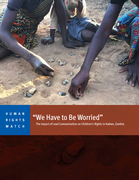
Children in Kabwe are especially at risk because they are more likely to ingest lead dust when playing in the soil, their brains and bodies are still developing, and they absorb four to five times as much lead as adults. The consequences for children who are exposed to high levels of lead and are no
...
t treated include reading and learning barriers or disabilities; behavioral problems; impaired growth; anemia; brain, liver, kidney, nerve, and stomach damage; coma and convulsions; and death. After prolonged exposure, the effects are irreversible. Lead also increases the risk of miscarriage and can be transmitted through both the placenta and breastmilk.
more
The HEARTS technical package provides a strategic approach to improving cardiovascular health in countries. It comprises six modules and an implementation guide. This package supports Ministries of Health to strengthen CVD management in primary health care settings. The practical, step-by step modul
...
es are supported by an overarching technical document that provides a rationale and framework for this integrated approach to the management of NCDs.
more
In many low- and middle-income countries, there is a wide gap between evidencebased recommendations and current practice. Treatment of major CVD risk factors remains suboptimal, and only a minority of patients who are treated reach their target levels for blood pressure, blood sugar and blood choles
...
terol.
In other areas, overtreatment can occur with the use of non-evidence-based
protocols. The aim of using standard treatment protocols is to improve the quality
of clinical care, reduce clinical variability and simplify the treatment options,
particularly in primary health care. Standard treatment protocols can be developed by preparing new national treatment guidelines or by adapting or adopting international guidelines.
The Evidence-based protocols module uses hypertension and diabetes screening
and treatment as an entry point to control cardiovascular risk factors, prevent target organ damage, and reduce premature morbidity and mortality. A comprehensive risk- based approach for integrated management of hypertension, diabetes, and high cholesterol is included in the Risk-based CVD management module.
This module includes clinical practice points and sample protocols for:
1. hypertension detection and treatment
2. type 2 diabetes detection and treatment
3. identifying basic emergencies – care and referral.
HEARTS emphasizes adaptation, dissemination, and use of a standardized set of
simple clinical-management protocols, which should be drug- and dose-specific,
and include a core set of medications. The simpler the protocols and management tools, the more likely they are to be used correctly, and the higher the likelihood that a programme will achieve its goals.
more
Many low-resource settings have a shortage of physicians and health workers. (1) In order to provide patient-centred continuous care more effectively, primary care systems can include team-based care strategies in their clinic workflows and protocols. Team-based care uses multidisciplinary teams (wh
...
ich may involve new staff, or the shifting of tasks among existing staff). Teams can include patients themselves, primary care physicians, and other allied health professionals, such as nurses, pharmacists, counsellors, social workers, nutritionists, community health workers, or others. Teams reduce the burden on physicians by utilizing the skills of trained health workers. Strong evidence shows that team-based care is effective in improving hypertension control among patients in a cost-effective way. (2) Some amount of task shifting/team-based care is already taking place in many settings; this module provides further guidance on how to maximize this approach for greater impact.
more
Guide technique pour la prise en charge des maladies cardiovasculaires dans le cadre des soins de santé primaires
2018
Vol.5 No.2:73
DOI: 10.21767/2254-9137.100092
Health Systems and Policy Research ISSN 2254-9137
The DHS report itself explains the purpose was, “to obtain and provide information on basic indicators of social progress including fertility, childhood mortality, reproductive and child health, nutritional status of children, and awareness of HIV/AIDS and other health-related issues” in PNG. Th
...
is is important because a DHS then provides the evidence base for PNG officials themselves to track progress in PNG over time, compare trends with other comparable countries, and then allocate financial and human resources to where they are needed most.
more
The aim of the people-centred framework is to help countries to develop fully prioritized and budgeted NSPs based on a culture of making full use of the available data, which are aligned with national planning cycles and which provide the basis for a robust national response that can accelerate prog
...
ress towards the goal of ending TB. In addition, applying the framework for other possible applications according to the country’s planning and policy cycle encourages the culture of data utilization and evidence translation into decision making and planning.
more
Prevention of mother-to-child transmission (PMTCT) of HIV - Protocol
Medecins Sans Frontieres
(2017)
C2
MSF International AIDS Working Group
Research Article
PLOS ONE | https://doi.org/10.1371/journal.pone.0190785 January 10, 2018
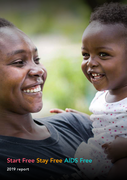
Start Free Stay Free AIDS Free (2019 report)
UNAIDS
(2019)
C2
Biobehavioural Survey Guidelines
A. Abdul-Quader, M. Berry, T. Bingham; et al.
UNAIDS; World Health Organization; fhi360; et al.
(2017)
C_WHO
Global HIV Strategic Information Working Group
For Populations At Risk For HIV
Services for people in prisons and other closed settings
UNAIDS, UNODC (United Nations Office on Drugs and Crime)
(2014)
C2
HIV and AIDS in places of detention - A toolkit for policymakers, programme managers, prison officers and health care providers in prison settings
World Health Organization; United Nations office on drugs and crime (Vienna)
(2008)
C_WHO
Реализация комплексных программ по профилактике ВИЧ/ИППП среди секс-работников: ПРактИЧескИе Подходы на осноВе соВместных меРоПРИятИй
Всемирная организация здравоохранения (World Health Organization); UNFPA; UNAIDS; et al.
(2015)
C_WHO
Профилактика и лечение Вич-инфекции и инфекций, ПередаВаемых ПолоВым Путем, среди мужчин, Практикующих секс с мужчинами, и трансгендерных лиц
Всемирная организация здравоохранения; UNDP; MSMGF; et al.
(2012)
C_WHO
Рекомендации с позиций общественного здравоохранения
Пересмотренное издание
Программа по ВИЧ/СПИДу
