
Filter
4328
Text search:
operational
monitoring
Featured
409
1469
Language
4194
77
54
54
43
19
19
7
6
5
4
3
2
2
2
2
2
1
1
1
1
1
1
1
1
1
1
1
1
1
1
1
Document type
2626
563
507
255
226
48
41
39
8
6
3
2
Countries
213
154
149
117
112
107
97
95
94
87
80
76
76
74
73
70
66
65
63
57
57
52
49
47
47
38
37
36
35
34
34
33
33
32
32
30
29
29
23
22
22
21
21
19
18
16
15
15
15
15
13
13
12
11
11
10
10
10
10
10
9
9
9
8
8
7
7
6
6
6
6
6
6
5
5
5
5
5
5
5
5
5
5
4
4
4
4
4
4
4
3
3
3
3
3
3
3
2
2
2
2
2
2
2
2
2
2
2
2
2
2
2
2
2
1
1
1
1
1
1
1
1
1
1
1
1
1
1
1
1
1
1
Authors & Publishers
579
239
189
147
133
91
79
71
65
46
33
31
24
23
23
22
21
21
21
21
20
20
19
18
18
18
18
18
18
17
17
17
17
16
16
16
16
16
16
15
15
14
14
14
13
13
13
12
12
12
11
11
11
11
11
11
11
10
10
10
10
9
9
9
9
9
9
8
8
8
8
8
8
7
7
7
7
7
7
7
7
7
7
7
7
7
7
7
7
7
7
7
6
6
6
6
6
6
6
6
6
6
6
6
6
6
6
6
6
6
6
6
6
6
6
6
6
5
5
5
5
5
5
5
5
5
5
5
5
5
5
5
5
5
5
5
5
5
5
5
5
5
5
5
5
5
5
5
4
4
4
4
4
4
4
4
4
4
4
4
4
4
4
4
4
4
4
4
4
4
4
4
4
4
4
4
4
4
4
4
4
4
4
4
4
4
4
4
4
4
3
3
3
3
3
3
3
3
3
3
3
3
3
3
3
3
3
3
3
3
3
3
3
3
3
3
3
3
3
3
3
3
3
3
3
3
3
3
3
3
3
3
3
3
3
3
3
3
3
3
3
3
3
3
3
3
3
3
3
3
3
3
3
3
3
3
3
3
3
3
3
3
3
3
3
3
3
3
3
2
2
2
2
2
2
2
2
2
2
2
2
2
2
2
2
2
2
2
2
2
2
2
2
2
2
2
2
2
2
2
2
2
2
2
2
2
2
2
2
2
2
2
2
2
2
2
2
2
2
2
2
2
2
2
2
2
2
2
2
2
2
2
2
2
2
2
2
2
2
2
2
2
2
2
2
2
2
2
2
2
2
2
2
2
2
2
2
2
2
2
2
2
2
2
2
2
2
2
2
2
2
2
2
2
2
2
2
2
2
2
2
2
2
2
2
2
2
2
2
2
2
2
2
2
2
2
2
2
2
2
2
2
2
2
2
2
2
2
2
2
2
2
2
2
2
2
2
2
2
2
2
2
2
2
2
2
2
2
2
2
2
2
2
2
2
2
2
2
2
2
2
2
2
2
2
2
2
2
2
2
2
2
2
2
2
2
2
2
2
2
2
2
2
2
2
2
2
2
2
2
2
2
2
2
2
2
2
2
2
2
2
2
2
2
2
2
2
2
2
2
2
2
2
2
2
2
2
2
2
2
2
2
2
2
1
1
1
1
1
1
1
1
1
1
1
1
1
1
1
1
1
1
1
1
1
1
1
1
1
1
1
1
1
1
1
1
1
1
1
1
1
1
1
1
1
1
1
1
1
1
1
1
1
1
1
1
1
1
1
1
1
1
1
1
1
1
1
1
1
1
1
1
1
1
1
1
1
1
1
1
1
1
1
1
1
1
1
1
1
1
1
1
1
1
1
1
1
1
1
1
1
1
1
1
1
1
1
1
1
1
1
1
1
1
1
1
1
1
1
1
1
1
1
1
1
1
1
1
1
1
1
1
1
1
1
1
1
1
1
1
1
1
1
1
1
1
1
1
1
1
1
1
1
1
1
1
1
1
1
1
1
1
1
1
1
1
1
1
1
1
1
1
1
1
1
1
1
1
1
1
1
1
1
1
1
1
1
1
1
1
1
1
1
1
1
1
1
1
1
1
1
1
1
1
1
1
1
1
1
1
1
1
1
1
1
1
1
1
1
1
1
1
1
1
1
1
1
1
1
1
1
1
1
1
1
1
1
1
1
1
1
1
1
1
1
1
1
1
1
1
1
1
1
1
1
1
1
1
1
1
1
1
1
1
1
1
1
1
1
1
1
1
1
1
1
1
1
1
1
1
1
1
1
1
1
1
1
1
1
1
1
1
1
1
1
1
1
1
1
1
1
1
1
1
1
1
1
1
1
1
1
1
1
1
1
1
1
1
1
1
1
1
1
1
1
1
1
1
1
1
1
1
1
1
1
1
1
1
1
1
1
1
1
1
1
1
1
1
1
1
1
1
1
1
1
1
1
1
1
1
1
1
1
1
1
1
1
1
1
1
1
1
1
1
1
1
1
1
1
1
1
1
1
1
1
1
1
1
1
1
1
1
1
1
1
1
1
1
1
1
1
1
1
1
1
1
1
1
1
1
1
1
1
1
1
1
1
1
1
1
1
1
1
1
1
1
1
1
1
1
1
1
1
1
1
1
1
1
1
1
1
1
1
1
1
1
1
1
1
1
1
1
1
1
1
1
1
1
1
1
1
1
1
1
1
1
1
1
1
1
1
1
1
1
1
1
1
1
1
1
1
1
1
1
1
1
1
1
1
1
1
1
1
1
1
1
1
1
1
1
1
1
1
1
1
1
1
1
1
1
1
1
1
1
1
1
1
1
1
1
1
1
1
1
1
1
1
1
1
1
1
1
1
1
1
1
1
1
1
1
1
1
1
1
1
1
1
1
1
1
1
1
1
1
1
1
1
1
1
1
1
1
1
1
1
1
1
1
1
1
1
1
1
1
1
1
1
1
1
1
1
1
1
1
1
1
1
1
1
1
1
1
1
1
1
1
1
1
1
1
1
1
1
1
1
1
1
1
1
1
1
1
1
1
1
1
1
1
1
1
1
1
1
1
1
1
1
1
1
1
1
1
1
1
1
1
1
1
1
1
1
1
1
1
1
1
1
1
1
1
1
1
1
1
1
1
1
1
1
1
1
1
1
1
1
1
1
1
1
1
1
1
1
1
1
1
1
1
1
1
1
1
1
1
1
1
1
1
1
1
1
1
1
1
1
1
1
1
1
1
1
1
1
1
1
1
1
1
1
1
1
1
1
1
1
1
1
1
1
1
1
1
1
1
1
1
1
1
1
1
1
1
1
1
1
1
1
1
1
1
1
1
1
1
1
1
1
1
1
1
1
1
1
1
1
1
1
1
1
1
1
1
1
1
1
1
1
1
1
1
1
1
1
1
1
1
1
1
1
1
1
1
1
1
1
1
1
1
1
1
1
1
1
1
1
1
1
1
1
1
1
1
1
1
1
1
1
1
1
1
1
1
1
1
1
1
1
1
1
1
1
1
1
1
1
1
1
1
1
1
1
1
1
1
1
1
1
1
1
1
1
1
1
1
1
1
1
1
1
1
1
1
1
1
1
1
1
1
1
1
1
1
1
1
1
1
1
1
1
1
1
1
1
1
1
1
1
1
1
1
1
1
1
1
1
1
1
1
1
1
1
1
1
1
1
1
1
1
1
1
1
1
1
1
1
1
1
1
1
1
1
1
1
1
1
1
1
1
1
1
1
1
1
1
1
1
1
1
1
1
1
1
1
1
1
1
1
1
1
1
1
1
1
1
1
1
1
1
1
1
1
1
1
1
1
1
1
1
1
1
1
1
1
1
1
1
1
1
1
1
1
1
1
1
1
1
1
1
1
1
1
1
1
1
1
1
1
1
1
1
1
1
1
1
1
1
1
1
1
1
1
1
1
1
1
1
1
1
1
1
1
1
1
1
1
1
1
1
1
1
1
1
1
1
1
1
1
1
1
1
1
1
1
1
1
1
1
1
1
1
1
1
1
1
1
1
1
1
1
1
1
1
1
1
1
1
1
1
1
1
1
1
1
1
1
1
1
1
1
1
1
1
1
1
1
1
1
1
1
1
1
1
1
1
1
1
1
1
1
1
1
1
1
1
1
1
1
1
1
1
1
1
1
1
1
1
1
1
1
1
1
1
1
1
1
1
1
1
1
1
1
1
1
1
1
1
1
1
1
1
1
1
1
1
1
1
1
1
1
1
1
1
1
1
1
1
1
1
1
1
1
1
1
1
1
1
1
1
1
1
1
1
1
1
1
1
1
1
1
1
1
1
1
1
1
1
1
1
1
1
1
1
1
1
1
1
1
1
1
1
1
1
1
1
1
1
1
1
1
1
1
1
1
1
1
1
1
1
1
1
1
1
1
1
1
1
1
1
1
1
1
1
1
1
1
1
1
1
1
1
1
1
1
1
1
1
1
1
1
1
1
1
1
1
1
1
1
1
1
1
1
1
1
1
1
1
1
1
1
1
1
1
1
1
1
1
1
1
1
1
1
1
1
1
1
1
1
1
1
1
1
1
1
1
1
1
1
1
1
1
1
1
1
1
1
1
1
1
1
1
1
1
1
1
1
1
1
1
1
1
1
1
1
1
1
1
1
1
1
1
1
1
1
1
1
1
1
1
1
1
1
1
1
1
1
1
1
1
1
1
1
1
1
1
1
1
1
1
1
1
1
1
1
1
1
1
1
1
1
1
1
1
1
1
1
1
1
1
1
1
1
1
1
1
1
1
1
1
1
1
1
1
1
1
1
1
1
1
1
1
1
1
1
1
1
1
1
1
1
1
1
1
1
1
1
1
1
1
1
1
1
1
1
1
1
1
1
1
1
1
1
1
1
1
1
1
1
1
1
1
1
1
1
1
1
1
1
1
1
1
1
1
1
1
1
1
1
1
1
1
1
1
1
1
1
1
1
1
1
1
1
1
1
1
1
1
1
1
1
1
1
1
1
1
1
1
1
1
1
1
1
1
1
1
1
1
1
1
1
1
1
1
1
1
1
1
1
1
1
1
1
1
1
1
1
1
1
1
1
1
1
1
1
1
1
1
1
1
1
1
1
1
1
1
1
1
1
1
1
1
1
1
1
1
1
1
1
1
1
1
1
1
1
1
1
1
1
1
1
1
1
1
1
1
1
1
1
1
1
1
1
1
1
1
1
1
1
1
1
1
1
1
1
1
1
1
1
1
1
1
1
1
1
1
1
1
1
1
1
1
1
1
1
1
1
1
1
1
1
1
1
1
1
1
1
1
1
1
1
1
1
1
1
1
1
1
1
1
1
1
1
1
1
1
1
1
1
1
1
1
1
1
1
1
1
1
1
1
1
1
1
1
1
1
1
1
1
1
1
1
1
1
1
1
1
1
1
1
1
1
1
1
1
1
1
1
1
1
1
1
1
1
1
1
1
1
1
1
1
1
1
1
1
1
1
1
1
1
1
1
1
1
1
1
1
1
1
1
1
1
1
1
1
1
1
1
1
1
1
1
1
1
1
1
1
1
1
1
1
1
1
1
1
1
1
1
1
1
1
1
1
1
1
1
1
1
1
1
1
1
1
1
1
1
1
1
1
1
1
1
1
1
1
1
1
1
1
1
1
1
1
1
1
1
1
1
1
1
1
1
1
1
1
1
1
1
1
1
1
1
1
1
1
1
1
1
1
1
1
1
1
1
1
1
1
1
1
1
1
1
1
1
1
1
1
1
1
1
1
1
1
1
1
1
1
1
1
1
1
1
1
1
1
1
1
1
1
1
1
1
1
1
1
1
1
1
1
1
1
1
1
1
1
1
1
1
1
1
1
1
1
1
1
1
1
1
1
1
1
1
1
1
1
1
1
1
1
1
1
1
1
1
1
1
1
1
1
1
1
1
1
1
1
1
1
1
1
1
1
1
1
1
1
1
1
1
1
1
1
1
1
1
1
1
1
1
1
1
1
1
1
1
1
1
1
1
1
1
1
1
1
1
1
1
1
1
1
1
1
1
1
1
1
1
1
1
1
1
1
1
1
1
1
1
1
1
1
1
1
1
1
1
1
1
1
1
1
1
1
1
1
1
1
1
1
1
1
1
1
1
1
1
1
1
1
1
1
1
1
1
1
1
1
1
1
1
1
1
1
1
1
1
1
1
1
1
1
1
1
1
1
1
1
1
1
1
1
1
1
1
1
1
1
1
1
1
1
1
1
1
1
1
1
1
1
1
1
1
1
1
1
1
1
1
1
1
1
1
1
1
1
1
1
1
1
1
1
1
1
1
1
1
1
1
1
1
1
1
1
1
1
1
1
1
1
1
1
1
1
1
1
1
1
1
1
1
1
1
1
1
1
1
1
1
1
1
1
1
1
1
1
1
1
1
1
1
1
1
1
1
1
1
1
1
1
1
1
1
1
1
1
1
1
1
1
1
1
1
1
1
1
1
1
1
1
1
1
1
1
1
1
1
1
1
1
1
1
1
1
1
1
1
1
1
1
1
1
1
1
1
1
1
1
1
1
1
1
1
1
1
1
1
1
1
1
1
1
1
1
1
1
1
1
1
1
1
1
1
1
1
1
1
1
1
1
1
1
1
1
1
1
1
1
1
1
1
1
1
1
1
1
1
1
1
1
1
1
1
1
1
1
1
1
1
1
1
1
1
1
1
1
1
1
1
1
1
1
1
1
1
1
1
1
1
1
1
1
1
1
1
1
1
1
1
1
1
1
1
1
1
1
1
1
1
1
1
1
1
1
1
1
1
1
1
1
1
1
1
1
1
1
1
1
1
1
1
1
1
1
1
1
1
1
1
1
1
1
1
1
1
1
1
1
1
1
1
1
1
1
1
1
1
1
1
1
1
1
1
1
1
1
1
1
1
1
1
1
1
1
1
1
1
1
1
1
1
1
1
1
1
1
1
1
1
1
1
1
1
1
1
1
1
1
1
1
1
1
1
1
1
1
1
1
1
1
1
1
1
1
1
1
1
1
1
1
1
1
1
1
1
1
1
1
1
1
1
1
1
1
1
1
1
1
1
1
1
1
1
1
1
1
1
1
1
1
1
1
1
1
1
1
1
1
1
1
1
1
1
1
1
1
1
1
1
1
1
1
1
1
1
1
1
1
1
1
1
1
1
1
1
1
1
1
1
1
1
1
1
1
1
1
1
1
1
1
1
1
1
1
1
1
1
1
1
1
1
1
1
1
1
1
1
1
1
1
1
1
1
1
1
1
1
1
1
1
1
1
1
1
1
1
1
1
1
1
1
1
1
1
1
1
1
1
1
1
1
1
1
1
1
1
1
1
1
1
1
1
1
1
1
1
1
1
1
1
1
1
1
1
1
1
1
1
1
1
1
1
1
1
1
1
1
1
1
1
Publication Years
1
1
1094
2843
373
15
1
Category
1891
272
251
223
172
56
41
9
3
Toolboxes
324
306
301
197
173
144
144
139
100
99
96
89
87
79
67
48
40
38
32
32
27
27
6
3
1
1

Access to NCD medicines: emergent issues during the COVID-19 pandemic and key structural factors
recommended
The coronavirus disease (COVID-19) pandemic exacerbated pre-existing inequalities in the treatment and care of noncommunicable diseases (NCDs). This report examines the effect of the COVID-19 pandemic on access to NCD medicines, and the policies and strategies implemented by countries and health sys
...
tems to anticipate and mitigate stresses across NCD medicine supply chains. The full range of upstream and downstream impacts are investigated, including: manufacturing; procurement, importation and last mile delivery; patient-level effects through affordability and availability; and the effects on NCD medicine availability by category of disease. The report culminates in recommended actions and interventions for key stakeholders in the NCD pharmaceutical supply chain, including governments, regulatory authorities, manufacturers and the private sector; as well as directions for future research for improving access and supply chain access resilience.
more
The revision of the SRHR Policy is based on the results of the analysis of the implementation process of the past policy, which has provided evidence to
ensure that the revised policy is relevant and effective. The revision has also been done with the participation of all national stakeholders who
...
have
also international experience on SRHR issues. The Ministry urges all public and private institutions to use this policy as a guide in the implementation of
SRHR services in the country.
more
It is impossible to address the many complex needs of respiratory virus surveillance with a single surveillance system. Multiple systems, investigations and studies must each be fit-for-purpose to specific priority surveillance objectives, and only together can they provide essential information to
...
policy-makers. In essence, each surveillance approach fit together as “tiles in a mosaic” that provides a complete picture of respiratory viruses and the impact of associated illnesses and interventions at the country level. This mosaic framework demonstrates how surveillance approaches may be implemented as coordinated and collaborative systems, well-matched to specific priority objectives.
more

Integrating the prevention and control of noncommunicable diseases in HIV/AIDS, tuberculosis, and sexual and reproductive health programmes: implementation guidance
Skin-related neglected tropical diseases, or “skin NTDs”, are historically neglected because active case detection, individual case management, significant resources and intensive effort are required to control, eliminate and eradicate them. Integrated control and management of skin NTDs offers
...
a pathway to overcome some of these past challenges.
more
В дорожной карте по борьбе с забытыми тропическими болезнями на 2021–2030 гг. («дорожная карта») определены глобальные цели и основные этапы в отношении борьбы с 20 болÐ
...
µзнями и группами болезней, их элиминации или полной ликвидации. В ней также определены сквозные целевые показатели, согласованные с Тринадцатой общей программой работы ВОЗ и Целями в области устойчивого развития, а также стратегии по достижению этих целевых
показателей в течение ближайших десяти лет.
more
Myanmar continues to experience a severe - and worsening - humanitarian and human rights crisis. Conflict and violence have escalated across the country, impacting children and their families and displacing more than 1.5 million people. Access of conflict-affected populations to services and deliver
...
y of humanitarian assistance has been further constrained by restrictions imposed on movement of both people and goods.
more
This fourth WHO report on neglected tropical diseases (NTDs) reviews the progress made towards achieving the Roadmap targets for 2020, noting the remaining challenges, then looks beyond 2020 to evaluate the changing global health and development landscape, considering the implications of integrating
...
these diseases into the broader 2030 Agenda for Sustainable Development.
more
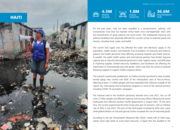
Haiti's Health Emergency Appeal 2023
recommended
For the past years, Haiti has been engulfed in a socioeconomic, political, and humanitarian crisis that has reached critical levels since mid-September 2022 with the intensification of gang violence and social unrest. The widespread insecurity and
political instability have drastically affected the
...
country’s access to essential goods and services, including food, water, and health. The current fuel supply crisis has affected the water and electricity supply to the population, health centers, and hospitals. Due to problems of insecurity and violence, patients and health personnel have difficulty accessing hospitals and health services.
In parallel, the public health system and international partners face limited response capacity due to reduced international personnel in Haiti, logistics issues, and difficulties in importing supplies. Indeed insecurity, roadblocks, and lockdowns are affecting the importation of internationally procured goods, which may slow the arrival of essential lifesaving supplies to support cholera response efforts. This scenario is particularly problematic, as cholera recently resurfaced in early October.
Armed gangs now control over 60% of the metropolitan area of Port-au-Prince, affecting at least 1.5 million people, and have expanded their influence outside of the capital city, interrupting vital humanitarian programs in most of the national territory,
including COVID-19 vaccination campaigns.
more
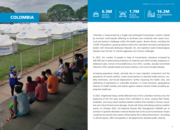
Colombia is characterized by a fragile and prolonged humanitarian context marked by recurrent multi-hazards affecting its territories and combined with severe structural and systemic challenges within the health system. Recent shocks, including the
COVID-19 pandemic, growing violence within the Col
...
ombian territories and along the border with Venezuela (Bolivarian Republic of), and repetitive hydro-meteorological disasters over the last 12 months aggravate such chronic challenges.
In 2022, the number of people in need of humanitarian assistance increased by 300 000 due to deteriorating indicators of maternal and child mortality, pregnancy in adolescent girls, human immunodeficiency virus (HIV), suicides, sexually transmitted
infections (STIs), gender-based and sexual violence, and communicable diseases. increasing population trends, primarily due to mass migration movements and the persistence of armed conflicts, create access barriers to essential health services, mobility restrictions, and forced displacement, further impacting the health, lives, and well-being of populations in vulnerable situations. In many territories, geographical distance to health facilities and attacks against medical missions hinder providing appropriate healthcare.
more
https://doi.org/10.1371/journal.pntd.0002439
South Sudan has a high burden – among the highest in sub-Saharan Africa – of neglected tropical diseases (NTDs). This adversely affects the health and social and economic well-being of people in the country. The prevention, control and eventual elim
...
ination of many NTDs depend heavily on improved access to water, sanitation and hygiene (WASH) and, once there is access, on sound sanitation and hygiene practices. This is especially the case in NTD endemic communities.
more
Due to high routine vaccination coverage, overall counts of diphtheria case have significantly declined in the Western Pacific Region recently. However, diphtheria is still prevalent in several countries and areas of the Region and remains a public health issue due to its high case fatality rate.
...
This Field Guide for Preparedness and Response to Diphtheria Outbreaks in the Western Pacific Region is a reference resource for Member States to develop national guidelines adapted to their local context. Countries may also use this Guide to facilitate outbreak preparedness and public health responses to reduce morbidity and mortality due to diphtheria.
more

The Country Cooperation Strategy is the World Health Organization’s corporate framework developed in response to a country’s needs and priorities. The 2022–2025 CCS is the fourth for WHO in Sierra Leone. It is a medium-term strategic document that defines a broad framework for WHO’s work, at
...
all levels, with the Government of Sierra Leone and all health partners for the next four years. This document is guided by the country’s major policy and strategy documents including the 2020 National Health and Sanitation Policy (NHSP); the 2021–2025 National Health Sector Strategic Plan (NHSSP); and the 2019–2023 National Medium-term Development Plan (NMTDP). The current CCS also reflects the broad priorities of WHO as outlined in its Thirteenth General Programme of Work (2019–2023, extended to 2025) with a focus on improving access to universal health coverage, protecting people from health emergencies, and improving people’s health and well-being. The CCS priorities are also in alignment with the United Nations Sustainable Development Cooperation Framework (UNSDCF) in Sierra Leone and will contribute to attaining the country's SDG targets
more
The Regional Action Framework for Noncommunicable Disease Prevention and Control provides a unified vision of objectives and recommended actions to combat the noncommunicable disease (NCD) epidemic in the Western Pacific Region. Implementation should be supported by cross-sectoral coordination
...
, sustainable financing, evidence-based policy, and community engagement, tailored to each Member State’s unique context. In doing so, Member States are encouraged to transform a disease treatment-centered “sick system” into a “health system” in which a population’s health and well-being enable socioeconomic development.
more
From February 22-23, 2023, the Wellcome Trust and the Global Task Force on Cholera Control (GTFCC) brought together researchers, decision makers, and public health implementers to participate in a virtual workshop focused on cholera and climate. Day 1 involved a technical workshop to identify key re
...
search themes as well as the challenges, gaps, and opportunities in using climate information for cholera decision making. Day 2 was an open forum focused on information-sharing and updates from countries and partners, including a call for stronger research and data on the connection between climate and cholera.
The overarching discussion outlined the complex relationship between climate and cholera. Materials from the event – including a recording of the Day 2 open forum, key findings/messages, and a final event report – can be accessed below
more
This document provides technical guidance on concepts, definitions, indicators, criteria, milestones and tools to assist leprosy programmes in their journey towards the goals of interruption of transmission and elimination of leprosy disease and through the post-elimination period. Importantly, it p
...
rovides criteria with benchmarks, where possible, for all key aspects of leprosy programmes and services. Not only those related to elimination efforts, but also those related to diagnosis and management of leprosy, leprosy-related disabilities, mental wellbeing, stigma and discrimination and inclusion and participation of persons affected by leprosy. The document emphasises that the elimination of leprosy is a long-term, continuous journey on the one hand, while, on the other, clear milestones can be recognised on the way and programme implementation can be assessed against benchmarks, guiding appropriate action to keep the programme on track.
more

The 2030 health-related Sustainable Development Goals call on countries to end AIDS as a public health threat and also to achieve universal health coverage. The World Health Organization (WHO) promotes primary health care (PHC) as the key mechanism for achieving universal health coverage, and the PH
...
C approach is also essential for ending AIDS and reaching other Sustainable Development Goal targets.
The PHC approach is defined as a whole-of-society approach to health that aims to maximize the level and distribution of health and well-being through three components: (1) primary care and essential public health functions as the core of integrated health services; (2) multisectoral policy and action; and (3) empowered people and communities.
This publication helps decision-makers to consider and optimize the synergies between existing and future assets and investments intended for both PHC and disease-specific responses, including HIV. Specifically, it aims to:
• provide guidance to policy-makers, health system managers and programmatic leads from both PHC and HIV backgrounds regarding opportunities to jointly advance their respective efforts to strengthen PHC and end AIDS as a public health threat; and
• provide a resource for all stakeholders who seek to contribute to strengthening PHC and ending AIDS as a public health threat in a synergistic manner, including people living with HIV, members of key and vulnerable populations, community and civil society representatives, people working in all areas of health systems, researchers, funders and private-sector decision-makers.
more
The ongoing COVID-19 pandemic has shown that public financial management (PFM) should be an integral part of the response. Effectiveness in financing the health response depends not only on the level of funding but also on the way public funds are allocated and spent, this is determined by the PFM r
...
ules, and how money flows to health service providers. So far, early assessments have shown that PFM systems ranged from being a fundamental enabler to acting as a roadblock in the COVID-19 health response. While service delivery mechanisms have been extensively documented throughout the pandemic, the underlying PFM mechanisms of the response also merit attention. To highlight the importance of PFM in health emergency contexts, this rapid review analyses various country PFM experiences and identifies early lessons emerging from the financing of the health response to COVID-19. The assessment is done by stages of the budget cycle: budget allocation, budget execution, and budget oversight. Identifying lessons from the varying PFM modalities used to finance the response to COVID-19 is fundamental both for health policy-makers and for finance authorities to prepare for future health emergencies.
more

The development of this draft Proposed programme budget 2022–2023 comes at a unique moment for WHO. The world is in the grip of the coronavirus disease (COVID-19) pandemic and faces health, social and economic consequences on an unprecedented scale. Although it is not known when the COVID-19 pande
...
mic will end, recent encouraging vaccine results, in addition to the examples of countries that have achieved good results through public health measures, hold out the prospect of better days ahead. The full impact of the pandemic cannot yet be determined. But whatever its implications, the Secretariat will rise to the challenge and is ready to adapt so that it is fully equipped to support Member States for any eventuality in the future – to make sure that the world will never again have to face this kind of crisis.
more

Cholera remains an issue of major public health importance in Kenya. Kenya has in recent years experienced outbreaks affecting different parts of the country
