Filter
873
Text search:
watch
list
Featured
100
240
Language
Document type
539
112
74
69
41
19
9
3
3
2
1
1
Countries
67
26
26
24
24
23
20
20
17
15
15
13
13
13
12
11
11
9
9
9
8
7
7
7
7
6
6
6
6
6
6
6
5
4
4
4
4
4
4
4
4
4
4
3
3
3
3
3
3
3
3
3
2
2
2
2
2
2
2
2
2
2
2
2
2
2
2
1
1
1
1
1
1
1
1
1
1
1
1
1
1
1
1
1
1
1
1
1
1
1
1
1
1
1
1
1
1
1
1
1
1
1
1
1
Authors & Publishers
Publication Years
Category
324
77
64
62
31
22
4
Toolboxes
100
70
51
50
48
41
40
28
24
23
17
17
16
15
11
10
9
9
5
5
4
2
1
1
Towards a Healthier Botswana
How to make your messages on tuberculosis count
WHO/HTM/STB/2009.57

The Open Infectious Diseases Journal, 2010, 4, 33-37
Copenhagen, Denmark, 24–25 August 2017
Once identified as vulnerable, applicants enjoy specific rights and safeguards in the asylum process under EU law. Vulnerability should therefore trigger additional or tailored support to ensure that people have the necessary conditions to bring forward a claim for protection.
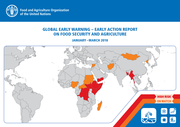
The Global Early Warning – Early Action (EWEA) report on food security and agriculture is developed by the Food and Agriculture Organization of the United Nations (FAO). The report is part of FAO’s EWEA system, which aims to translate forecasts and early warnings into anticipatory action.
A Guide for Teachers
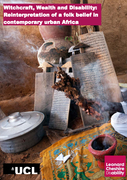
Many groups in sub-Saharan Africa have historically linked persons with disabilities with witchcraft as a component of a wider link between accusations of witchcraft and socially marginalized populations. It is commonly assumed that traditional prejudices towards persons with disabilities are recedi
...
A learning resource for facilitators, parents, caregivers, and persons with cerebral palsy | Version 1 - Released March 2008
A learning resource for facilitators, parents, caregivers, and persons with cerebral palsy | Version 1 - Released March 2008
A learning resource for facilitators, parents, caregivers, and persons with cerebral palsy | Version 2 - Released November 2009