Filter
696
Text search:
reproductive
preferences
Featured
70
205
Language
Document type
389
148
93
31
16
9
4
3
1
Countries
39
24
22
20
15
15
15
14
14
13
12
11
11
10
10
10
9
8
7
7
6
5
5
5
5
4
4
4
4
3
3
3
3
3
3
3
2
2
2
2
2
1
1
1
1
1
1
1
1
1
1
1
1
1
1
1
1
1
1
1
1
1
1
1
Authors & Publishers
Publication Years
Category
262
110
93
35
25
25
Toolboxes
116
33
32
24
18
16
13
10
9
7
7
7
6
5
5
5
4
1
1
1
1

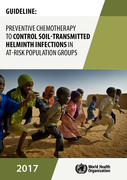
Preventive chemotherapy to control soil-transmitted helminth infections in at-risk population groups
recommended
Treating children infected with intestinal worms is one of the simplest and most cost–effective ways to improve their health.
The recommendations are intended for a wide audience, including policy-makers and their expert advisers as well as technical and programme staff at government institution
...
Guideline ‒ Alternative mass drug administration regimens to eliminate lymphatic filariasis
recommended
Lymphatic filariasis is a vector-borne neglected tropical disease that causes damage of the lymphatic system and can lead to lymphoedema (elephantiasis) and hydrocele in infected individuals. The global baseline estimate of persons affected by lymphatic filariasis is 25 million men with hydrocele an
...
A review of available evidence (2016).
28-29 June 2016; Geneva, Switzerland
The END TB strategy.
Contraceptive Dynamics Following HIV Testing
Good practice guide
Supporting community action on HIV, health and rights to end AIDS
Further Analysis of the 2000, 2005, and 2011 Demographic and Health Surveys. DHS Further Analysis Reports No. 80