
Filter
4909
Text search:
global
burden
of
disease
Featured
396
1154
Language
4667
154
146
139
65
44
41
33
13
7
7
5
4
4
3
3
3
3
3
2
2
2
2
2
2
2
2
2
2
2
2
2
1
1
1
1
1
1
1
1
1
1
1
1
1
1
1
1
1
1
1
1
1
Document type
2505
1195
534
238
204
98
52
24
20
19
6
5
4
2
Countries
358
176
147
118
107
99
96
91
84
79
71
64
62
62
61
60
57
56
56
55
52
47
45
45
44
40
35
31
29
29
28
28
27
27
26
24
24
24
19
18
17
17
17
15
14
14
14
14
13
13
12
12
10
10
10
9
9
8
8
8
8
8
7
7
7
7
7
7
6
6
6
6
5
5
5
5
5
5
4
4
4
4
4
4
4
4
4
4
4
3
3
3
3
3
3
3
3
3
2
2
2
2
2
2
2
2
2
2
2
1
1
1
1
1
1
1
1
1
1
1
1
1
1
1
1
1
1
1
1
1
1
1
1
1
1
1
1
Authors & Publishers
723
289
282
194
179
98
91
64
54
38
37
33
33
32
27
26
22
22
22
21
20
20
19
19
18
17
17
17
16
16
16
15
15
15
14
14
14
13
13
13
12
12
12
12
12
11
11
11
11
11
11
11
10
10
10
10
10
9
9
9
9
9
9
9
9
9
9
8
8
8
8
8
8
8
7
7
7
7
7
7
7
7
7
7
7
7
7
7
7
6
6
6
6
6
6
6
6
6
6
6
6
6
6
6
6
6
6
6
6
6
6
6
6
5
5
5
5
5
5
5
5
5
5
5
5
5
5
5
5
5
5
5
5
5
5
5
5
5
5
5
5
5
5
5
5
5
5
5
4
4
4
4
4
4
4
4
4
4
4
4
4
4
4
4
4
4
4
4
4
4
4
4
4
4
4
4
4
4
4
4
4
4
4
4
4
4
4
4
4
4
4
4
4
4
4
4
4
4
4
4
4
4
4
4
4
4
4
4
4
4
4
3
3
3
3
3
3
3
3
3
3
3
3
3
3
3
3
3
3
3
3
3
3
3
3
3
3
3
3
3
3
3
3
3
3
3
3
3
3
3
3
3
3
3
3
3
3
3
3
3
3
3
3
3
3
3
3
3
3
3
3
3
3
3
3
3
3
3
3
3
3
3
3
3
3
3
3
3
3
3
3
3
3
3
3
3
3
3
3
3
3
3
3
3
3
3
3
3
2
2
2
2
2
2
2
2
2
2
2
2
2
2
2
2
2
2
2
2
2
2
2
2
2
2
2
2
2
2
2
2
2
2
2
2
2
2
2
2
2
2
2
2
2
2
2
2
2
2
2
2
2
2
2
2
2
2
2
2
2
2
2
2
2
2
2
2
2
2
2
2
2
2
2
2
2
2
2
2
2
2
2
2
2
2
2
2
2
2
2
2
2
2
2
2
2
2
2
2
2
2
2
2
2
2
2
2
2
2
2
2
2
2
2
2
2
2
2
2
2
2
2
2
2
2
2
2
2
2
2
2
2
2
2
2
2
2
2
2
2
2
2
2
2
2
2
2
2
2
2
2
2
2
2
2
2
2
2
2
2
2
2
2
2
2
2
2
2
2
2
2
2
2
2
2
2
2
2
2
2
2
2
2
2
2
2
2
2
2
2
2
2
2
2
2
2
2
2
2
2
2
2
2
2
2
2
2
2
2
2
2
2
2
2
2
2
2
2
2
2
2
2
2
2
2
2
2
2
2
2
2
2
2
2
2
2
2
2
2
2
2
2
2
2
2
2
2
2
2
2
2
2
2
2
2
2
2
2
2
2
2
2
2
2
2
2
2
2
2
2
2
2
2
2
2
1
1
1
1
1
1
1
1
1
1
1
1
1
1
1
1
1
1
1
1
1
1
1
1
1
1
1
1
1
1
1
1
1
1
1
1
1
1
1
1
1
1
1
1
1
1
1
1
1
1
1
1
1
1
1
1
1
1
1
1
1
1
1
1
1
1
1
1
1
1
1
1
1
1
1
1
1
1
1
1
1
1
1
1
1
1
1
1
1
1
1
1
1
1
1
1
1
1
1
1
1
1
1
1
1
1
1
1
1
1
1
1
1
1
1
1
1
1
1
1
1
1
1
1
1
1
1
1
1
1
1
1
1
1
1
1
1
1
1
1
1
1
1
1
1
1
1
1
1
1
1
1
1
1
1
1
1
1
1
1
1
1
1
1
1
1
1
1
1
1
1
1
1
1
1
1
1
1
1
1
1
1
1
1
1
1
1
1
1
1
1
1
1
1
1
1
1
1
1
1
1
1
1
1
1
1
1
1
1
1
1
1
1
1
1
1
1
1
1
1
1
1
1
1
1
1
1
1
1
1
1
1
1
1
1
1
1
1
1
1
1
1
1
1
1
1
1
1
1
1
1
1
1
1
1
1
1
1
1
1
1
1
1
1
1
1
1
1
1
1
1
1
1
1
1
1
1
1
1
1
1
1
1
1
1
1
1
1
1
1
1
1
1
1
1
1
1
1
1
1
1
1
1
1
1
1
1
1
1
1
1
1
1
1
1
1
1
1
1
1
1
1
1
1
1
1
1
1
1
1
1
1
1
1
1
1
1
1
1
1
1
1
1
1
1
1
1
1
1
1
1
1
1
1
1
1
1
1
1
1
1
1
1
1
1
1
1
1
1
1
1
1
1
1
1
1
1
1
1
1
1
1
1
1
1
1
1
1
1
1
1
1
1
1
1
1
1
1
1
1
1
1
1
1
1
1
1
1
1
1
1
1
1
1
1
1
1
1
1
1
1
1
1
1
1
1
1
1
1
1
1
1
1
1
1
1
1
1
1
1
1
1
1
1
1
1
1
1
1
1
1
1
1
1
1
1
1
1
1
1
1
1
1
1
1
1
1
1
1
1
1
1
1
1
1
1
1
1
1
1
1
1
1
1
1
1
1
1
1
1
1
1
1
1
1
1
1
1
1
1
1
1
1
1
1
1
1
1
1
1
1
1
1
1
1
1
1
1
1
1
1
1
1
1
1
1
1
1
1
1
1
1
1
1
1
1
1
1
1
1
1
1
1
1
1
1
1
1
1
1
1
1
1
1
1
1
1
1
1
1
1
1
1
1
1
1
1
1
1
1
1
1
1
1
1
1
1
1
1
1
1
1
1
1
1
1
1
1
1
1
1
1
1
1
1
1
1
1
1
1
1
1
1
1
1
1
1
1
1
1
1
1
1
1
1
1
1
1
1
1
1
1
1
1
1
1
1
1
1
1
1
1
1
1
1
1
1
1
1
1
1
1
1
1
1
1
1
1
1
1
1
1
1
1
1
1
1
1
1
1
1
1
1
1
1
1
1
1
1
1
1
1
1
1
1
1
1
1
1
1
1
1
1
1
1
1
1
1
1
1
1
1
1
1
1
1
1
1
1
1
1
1
1
1
1
1
1
1
1
1
1
1
1
1
1
1
1
1
1
1
1
1
1
1
1
1
1
1
1
1
1
1
1
1
1
1
1
1
1
1
1
1
1
1
1
1
1
1
1
1
1
1
1
1
1
1
1
1
1
1
1
1
1
1
1
1
1
1
1
1
1
1
1
1
1
1
1
1
1
1
1
1
1
1
1
1
1
1
1
1
1
1
1
1
1
1
1
1
1
1
1
1
1
1
1
1
1
1
1
1
1
1
1
1
1
1
1
1
1
1
1
1
1
1
1
1
1
1
1
1
1
1
1
1
1
1
1
1
1
1
1
1
1
1
1
1
1
1
1
1
1
1
1
1
1
1
1
1
1
1
1
1
1
1
1
1
1
1
1
1
1
1
1
1
1
1
1
1
1
1
1
1
1
1
1
1
1
1
1
1
1
1
1
1
1
1
1
1
1
1
1
1
1
1
1
1
1
1
1
1
1
1
1
1
1
1
1
1
1
1
1
1
1
1
1
1
1
1
1
1
1
1
1
1
1
1
1
1
1
1
1
1
1
1
1
1
1
1
1
1
1
1
1
1
1
1
1
1
1
1
1
1
1
1
1
1
1
1
1
1
1
1
1
1
1
1
1
1
1
1
1
1
1
1
1
1
1
1
1
1
1
1
1
1
1
1
1
1
1
1
1
1
1
1
1
1
1
1
1
1
1
1
1
1
1
1
1
1
1
1
1
1
1
1
1
1
1
1
1
1
1
1
1
1
1
1
1
1
1
1
1
1
1
1
1
1
1
1
1
1
1
1
1
1
1
1
1
1
1
1
1
1
1
1
1
1
1
1
1
1
1
1
1
1
1
1
1
1
1
1
1
1
1
1
1
1
1
1
1
1
1
1
1
1
1
1
1
1
1
1
1
1
1
1
1
1
1
1
1
1
1
1
1
1
1
1
1
1
1
1
1
1
1
1
1
1
1
1
1
1
1
1
1
1
1
1
1
1
1
1
1
1
1
1
1
1
1
1
1
1
1
1
1
1
1
1
1
1
1
1
1
1
1
1
1
1
1
1
1
1
1
1
1
1
1
1
1
1
1
1
1
1
1
1
1
1
1
1
1
1
1
1
1
1
1
1
1
1
1
1
1
1
1
1
1
1
1
1
1
1
1
1
1
1
1
1
1
1
1
1
1
1
1
1
1
1
1
1
1
1
1
1
1
1
1
1
1
1
1
1
1
1
1
1
1
1
1
1
1
1
1
1
1
1
1
1
1
1
1
1
1
1
1
1
1
1
1
1
1
1
1
1
1
1
1
1
1
1
1
1
1
1
1
1
1
1
1
1
1
1
1
1
1
1
1
1
1
1
1
1
1
1
1
1
1
1
1
1
1
1
1
1
1
1
1
1
1
1
1
1
1
1
1
1
1
1
1
1
1
1
1
1
1
1
1
1
1
1
1
1
1
1
1
1
1
1
1
1
1
1
1
1
1
1
1
1
1
1
1
1
1
1
1
1
1
1
1
1
1
1
1
1
1
1
1
1
1
1
1
1
1
1
1
1
1
1
1
1
1
1
1
1
1
1
1
1
1
1
1
1
1
1
1
1
1
1
1
1
1
1
1
1
1
1
1
1
1
1
1
1
1
1
1
1
1
1
1
1
1
1
1
1
1
1
1
1
1
1
1
1
1
1
1
1
1
1
1
1
1
1
1
1
1
1
1
1
1
1
1
1
1
1
1
1
1
1
1
1
1
1
1
1
1
1
1
1
1
1
1
1
1
1
1
1
1
1
1
1
1
1
1
1
1
1
1
1
1
1
1
1
1
1
1
1
1
1
1
1
1
1
1
1
1
1
1
1
1
1
1
1
1
1
1
1
1
1
1
1
1
1
1
1
1
1
1
1
1
1
1
1
1
1
1
1
1
1
1
1
1
1
1
1
1
1
1
1
1
1
1
1
1
1
1
1
1
1
1
1
1
1
1
1
1
1
1
1
1
1
1
1
1
1
1
1
1
1
1
1
1
1
1
1
1
1
1
1
1
1
1
1
1
1
1
1
1
1
1
1
1
1
1
1
1
1
1
1
1
1
1
1
1
1
1
1
1
1
1
1
1
1
1
1
1
1
1
1
1
1
1
1
1
1
1
1
1
1
1
1
1
1
1
1
1
1
1
1
1
1
1
1
1
1
1
1
1
1
1
1
1
1
1
1
1
1
1
1
1
1
1
1
1
1
1
1
1
1
1
1
1
1
1
1
1
1
1
1
1
1
1
1
1
1
1
1
1
1
1
1
1
1
1
1
1
1
1
1
1
1
1
1
1
1
1
1
1
1
1
1
1
1
1
1
1
1
1
1
1
1
1
1
1
1
1
1
1
1
1
1
1
1
1
1
1
1
1
1
1
1
1
1
1
1
1
1
1
1
1
1
1
1
1
1
1
1
1
1
1
1
1
1
1
1
1
1
1
1
1
1
1
1
1
1
1
1
1
1
1
1
1
1
1
1
1
1
1
1
1
1
1
1
1
1
1
1
1
1
1
1
1
1
1
1
1
1
1
1
1
1
1
1
1
1
1
1
1
1
1
1
1
1
1
1
1
1
1
1
1
1
1
1
1
1
1
1
1
1
1
1
1
1
1
1
1
1
1
1
1
1
1
1
1
1
1
1
1
1
1
1
1
1
1
1
1
1
1
1
1
1
1
1
1
1
1
1
1
1
1
1
1
1
1
1
1
1
1
1
1
1
1
1
1
1
1
1
1
1
1
1
1
1
1
1
1
1
1
1
1
1
1
1
1
1
1
1
1
1
1
1
1
1
1
1
1
1
1
1
1
1
1
1
1
1
1
1
1
1
1
1
1
1
1
1
1
1
1
1
1
1
1
1
1
1
1
1
1
1
1
1
1
1
1
1
1
1
1
1
1
1
1
1
1
1
1
1
1
1
1
1
1
1
1
1
1
1
1
1
1
1
1
1
1
1
1
1
1
1
1
1
1
1
1
1
1
1
1
1
1
1
1
1
1
1
1
1
1
1
1
1
1
1
1
1
1
1
1
1
1
1
1
1
1
1
1
1
1
1
1
1
1
1
1
1
1
1
1
1
1
1
1
1
1
1
1
1
1
1
1
1
1
1
1
1
1
1
1
1
1
1
1
1
1
1
1
1
1
1
1
1
1
1
1
1
1
1
1
1
1
1
1
1
1
1
1
1
1
1
1
1
1
1
1
1
1
1
1
1
1
1
1
1
1
1
1
1
1
1
1
1
1
1
1
1
1
1
1
1
1
1
1
1
1
1
1
1
1
1
1
1
1
1
1
1
1
1
1
1
1
1
1
1
1
1
1
1
1
1
1
1
1
1
1
1
1
1
1
1
1
1
1
1
1
1
1
1
1
1
1
1
1
1
1
1
1
1
1
1
1
1
1
1
1
1
1
1
1
1
1
1
1
1
1
1
1
1
1
1
1
1
1
1
1
1
1
1
1
1
1
1
1
1
1
1
1
1
1
1
1
1
1
1
1
1
1
1
1
1
1
1
1
1
1
1
1
1
1
1
1
1
1
1
1
1
1
1
1
1
1
1
1
1
1
1
1
1
1
1
1
1
1
1
1
1
1
1
1
1
1
1
1
1
1
1
1
1
1
1
1
1
1
1
1
1
1
1
1
1
1
1
1
1
1
1
1
1
1
1
1
1
1
1
1
1
1
1
1
1
1
1
1
1
1
1
1
1
1
1
1
1
1
1
1
1
1
1
1
1
1
1
1
1
1
1
1
1
1
1
1
1
1
1
1
1
1
1
1
1
1
1
1
1
1
1
1
1
1
1
1
1
1
1
1
1
1
1
1
1
1
1
1
1
1
1
1
1
1
1
1
1
1
1
1
1
1
1
1
1
1
1
1
1
1
1
1
1
1
1
1
1
1
1
1
1
1
1
1
1
1
1
1
1
1
1
1
1
1
1
1
1
1
1
1
1
1
1
1
1
1
1
1
1
1
1
1
1
1
1
1
1
1
1
1
1
1
1
1
1
1
1
1
1
1
1
1
1
1
1
1
1
1
1
1
1
1
1
1
1
1
1
1
1
1
1
1
1
1
1
1
1
1
1
1
1
1
1
1
1
1
1
1
1
1
1
1
1
1
1
1
1
1
1
1
1
1
1
1
1
1
1
1
1
1
1
1
1
1
1
1
1
1
1
1
1
1
1
1
1
1
1
1
1
1
1
1
1
1
1
1
1
1
1
1
1
1
1
1
1
1
1
1
1
1
1
1
1
1
1
1
1
1
1
1
1
1
1
1
1
1
1
1
1
1
1
1
1
1
1
1
1
1
1
1
1
1
1
1
1
1
1
1
1
1
1
1
1
1
1
1
1
1
1
1
1
1
1
1
1
1
1
1
1
1
1
1
1
1
1
1
1
1
1
1
1
1
1
1
1
1
1
1
1
1
1
1
1
1
1
1
1
1
1
1
1
1
1
1
1
1
1
1
1
1
1
1
1
1
1
1
1
1
1
1
1
1
1
1
1
1
1
1
1
1
1
1
1
1
1
1
1
1
1
1
1
1
1
1
1
1
1
1
1
1
1
1
1
1
1
1
1
1
1
1
1
1
1
1
1
1
1
1
1
1
1
1
1
1
1
1
1
1
1
1
1
1
1
1
1
1
1
1
1
1
1
1
1
1
1
1
1
1
1
1
1
1
1
1
1
1
1
1
1
1
1
1
1
1
1
1
1
1
1
1
1
1
1
1
1
1
1
1
1
1
1
1
1
1
1
1
1
1
1
1
1
1
1
1
1
1
1
1
1
1
1
1
1
1
1
1
1
1
1
1
1
1
1
1
1
1
1
1
1
1
1
1
1
1
1
1
1
1
1
1
1
1
1
1
1
1
1
1
1
1
1
1
1
1
1
1
1
1
1
1
1
1
1
1
1
1
1
1
1
1
1
1
1
1
1
1
1
1
1
1
1
1
1
1
1
1
1
1
1
1
1
1
1
1
1
1
1
1
1
1
1
1
1
1
1
1
1
1
1
1
1
1
1
1
1
1
1
1
1
1
1
1
1
1
1
1
1
1
1
1
1
1
1
1
1
1
1
1
1
1
1
1
1
1
1
1
1
1
1
1
1
1
1
1
1
1
1
1
1
1
1
1
1
1
1
1
1
1
1
1
1
1
1
1
1
1
1
1
1
1
1
1
1
1
1
1
1
1
1
1
1
1
1
1
1
1
1
1
1
1
1
1
1
1
1
1
1
1
1
1
1
1
1
1
1
1
1
1
1
1
1
1
1
1
1
1
1
1
1
1
1
1
1
1
1
1
1
1
1
1
1
1
1
1
1
1
1
1
1
1
1
1
1
1
1
1
1
1
1
1
1
1
1
1
1
1
1
1
1
1
1
1
1
1
1
1
1
1
1
1
1
1
1
1
1
1
1
1
1
1
1
1
1
1
1
1
1
1
1
1
1
1
1
1
1
1
1
1
1
1
1
1
1
1
1
1
1
1
1
1
1
1
1
1
1
1
1
1
1
1
1
1
1
1
1
1
1
1
1
1
1
1
1
1
1
1
1
1
1
1
1
1
1
1
1
1
1
1
1
1
1
1
1
1
1
1
1
1
1
1
1
1
1
1
1
1
1
1
1
1
1
1
1
1
1
1
1
1
1
1
1
1
1
1
1
1
1
1
1
1
1
1
1
1
1
1
1
1
1
1
1
1
1
1
1
1
1
1
1
1
1
1
1
1
1
1
1
1
1
1
1
1
1
1
1
1
1
1
1
1
1
1
1
1
1
1
1
1
1
1
1
1
1
1
1
1
1
1
1
1
1
1
1
1
1
1
1
1
1
1
1
1
1
1
1
1
1
1
1
1
1
1
1
1
1
1
1
1
1
1
1
1
1
1
1
1
1
1
1
1
1
1
1
1
1
1
1
1
1
1
1
1
1
1
1
1
1
1
1
1
1
1
1
1
1
1
1
1
1
1
1
1
1
1
1
1
1
1
1
1
1
1
1
1
1
1
1
1
1
1
1
1
1
1
1
1
1
1
1
1
1
1
1
1
1
1
1
1
1
1
1
1
1
1
1
1
1
1
1
1
1
1
1
1
1
1
1
1
1
1
1
1
1
1
1
1
1
1
1
1
1
1
1
1
1
1
1
1
1
1
1
1
1
1
1
1
1
1
1
1
1
1
1
1
1
1
1
1
1
1
1
1
1
1
1
1
1
1
1
1
1
1
1
1
1
1
1
1
1
1
1
1
1
1
1
1
1
1
1
1
1
1
1
1
1
1
1
1
1
1
1
1
1
1
1
1
1
1
1
1
1
1
1
1
1
1
1
1
1
1
1
1
1
1
1
1
1
1
1
1
1
1
1
1
1
1
1
1
1
1
1
1
1
1
1
1
1
1
1
1
1
1
1
1
1
1
1
1
1
1
1
1
1
1
1
1
1
1
1
1
1
1
1
1
1
1
1
1
1
1
1
1
1
1
1
1
1
1
1
1
1
1
1
1
1
1
1
1
1
1
1
1
1
1
1
1
1
1
1
1
1
1
1
1
1
1
1
1
1
1
1
1
1
1
1
1
1
1
1
1
1
1
1
1
1
1
1
1
1
1
1
1
1
1
1
1
1
1
1
1
1
1
1
1
1
1
1
1
1
1
1
1
1
1
1
1
1
1
1
1
1
1
1
1
1
1
1
1
1
1
1
1
1
1
1
1
1
1
1
1
1
1
1
1
1
1
1
1
1
1
1
1
1
1
1
1
1
1
1
1
1
1
1
1
1
1
1
1
1
1
1
1
1
1
1
1
1
1
1
1
1
1
1
1
1
1
1
1
1
1
1
1
1
1
1
1
1
1
1
1
1
1
1
1
1
1
1
1
1
1
1
1
1
1
1
1
1
1
1
1
1
1
1
1
1
1
1
1
1
1
1
1
1
1
1
1
1
1
1
1
1
1
1
1
1
1
1
1
1
1
1
1
1
1
1
1
1
1
1
1
1
1
1
1
1
1
1
1
1
1
1
1
1
1
1
1
1
1
1
1
1
1
1
1
1
1
1
1
1
1
1
1
1
1
1
1
1
1
1
1
1
1
1
1
1
1
1
1
1
1
1
1
1
1
1
1
1
1
1
1
1
Publication Years
1495
3059
345
7
1
1
1
Category
1659
460
449
193
144
59
33
2
1
1
Toolboxes
456
437
387
346
256
249
209
184
129
121
109
105
96
75
57
54
48
28
27
26
13
12
8
1
1
Prior research has considered donor funding for developing world health by recipient and donor country but not by disease. Examining funding by disease is critical since diseases may be in competiti
...
on with one another for priority and donors may be making allocation decisions in ways that do not correspond to developing world need. In this study I calculate donor funding for 20 historically high-burden communicable diseases for the years 1996 to 2003 and examine factors that may explain variance in priority levels among diseases. I consider funding for developing world health from 42 major donors, classifying grants according to the communicable disease targeted. Data show that funding does not correspond closely with burden. Acute respiratory infections comprise more than a quarter of the burden among these diseases but receive less than 3% of direct aid. Malaria also stands out as a high-burden neglected disease.
more
Diabetes is a significant public health issue that affects approximately one in 10 adults globally, with type 2 diabetes accounting for 90–95% of cases. This chronic condition causes considerable morbidity and mortality and is growing in impact, w
...
ith cases projected to rise from 537 million in 2021 to 784 million by 2045. As cases rise, it is imperative to ensure the healthcare workforce is prepared to care for affected individuals. However, there is a growing global shortage of healthcare workers, which was estimated, pre pandemic, to reach 15 million by 2030. Therefore, all of the healthcare workforce will need to be utilised to their fullest potential in order to address the growing global burden of diabetes. Pharmacists will continue to be essential in this endeavour.
more
Female Genital Schistosomiasis (FGS) is a gynaecological disease caused by Schistosoma haematobium, a parasitic worm that is acquired by skin contact with freshwater contaminated by schistosome cerceriae. Communities in which the infection is most e
...
ndemic have limited access to clean water and healthcare services. Up to 150 million adolescent girls and women are estimated to be at risk of FGS and about 16–56 milion womens are living with FGS, with the majority of these in sub-Saharan Africa. The variability of these estimates points to the fact that this neglected tropical disease is not well studied and frequently not prioritized by local, regional, and global health policy makers.
more

The Global Task Force on Cholera Control (GTFCC) launched Ending Cholera: A Global
Roadmap to 2030 (Global Roadmap) (1), a strategy that aims to
...
reduce global cholera
deaths by 90% and eliminate the disease in at least 20 countries by 2030. It is
organized according to three main axes:
• Ensuring early detection and response to contain outbreaks; (2)
• Adopting a multisectoral approach to prevent and control cholera in hotspots; and
• Establishing an effective coordination mechanism for technical support, resource
mobilization and partnership at local and global levels.
more
The World Health Organization (WHO) fact sheet on ambient (outdoor) air quality and health highlights the significant health risks posed by outdoor air pollution. It reports that in 2019, ambient air pollution was responsible for approximately 4.2 million premature deaths globally, primarily due to
...
exposure to fine particulate matter (PM2.5), which leads to cardiovascular and respiratory diseases, as well as cancers. The fact sheet emphasizes that 99% of the global population lived in areas exceeding WHO air quality guidelines in 2019, with low- and middle-income countries bearing the highest burden. To mitigate these health impacts, WHO advocates for policies and investments that promote cleaner transportation, energy-efficient housing, improved waste management, and access to clean household energy.
more
The World Health Organization (WHO) fact sheet on ambient (outdoor) air quality and health highlights the significant health risks posed by outdoor air pollution. It reports that in 2019, ambient air pollution was responsible for approximately 4.2 million premature deaths globally, primarily due to
...
exposure to fine particulate matter (PM2.5), which leads to cardiovascular and respiratory diseases, as well as cancers. The fact sheet emphasizes that 99% of the global population lived in areas exceeding WHO air quality guidelines in 2019, with low- and middle-income countries bearing the highest burden. To mitigate these health impacts, WHO advocates for policies and investments that promote cleaner transportation, energy-efficient housing, improved waste management, and access to clean household energy.
more
The World Health Organization (WHO) fact sheet on ambient (outdoor) air quality and health highlights the significant health risks posed by outdoor air pollution. It reports that in 2019, ambient air pollution was responsible for approximately 4.2 million premature deaths globally, primarily due to
...
exposure to fine particulate matter (PM2.5), which leads to cardiovascular and respiratory diseases, as well as cancers. The fact sheet emphasizes that 99% of the global population lived in areas exceeding WHO air quality guidelines in 2019, with low- and middle-income countries bearing the highest burden. To mitigate these health impacts, WHO advocates for policies and investments that promote cleaner transportation, energy-efficient housing, improved waste management, and access to clean household energy.
more
The World Health Organization (WHO) fact sheet on ambient (outdoor) air quality and health highlights the significant health risks posed by outdoor air pollution. It reports that in 2019, ambient air pollution was responsible for approximately 4.2 million premature deaths globally, primarily due to
...
exposure to fine particulate matter (PM2.5), which leads to cardiovascular and respiratory diseases, as well as cancers. The fact sheet emphasizes that 99% of the global population lived in areas exceeding WHO air quality guidelines in 2019, with low- and middle-income countries bearing the highest burden. To mitigate these health impacts, WHO advocates for policies and investments that promote cleaner transportation, energy-efficient housing, improved waste management, and access to clean household energy.
more
The World Health Organization (WHO) fact sheet on ambient (outdoor) air quality and health highlights the significant health risks posed by outdoor air pollution. It reports that in 2019, ambient air pollution was responsible for approximately 4.2 million premature deaths globally, primarily due to
...
exposure to fine particulate matter (PM2.5), which leads to cardiovascular and respiratory diseases, as well as cancers. The fact sheet emphasizes that 99% of the global population lived in areas exceeding WHO air quality guidelines in 2019, with low- and middle-income countries bearing the highest burden. To mitigate these health impacts, WHO advocates for policies and investments that promote cleaner transportation, energy-efficient housing, improved waste management, and access to clean household energy.
more
The World Health Organization (WHO) fact sheet on ambient (outdoor) air quality and health highlights the significant health risks posed by outdoor air pollution. It reports that in 2019, ambient air pollution was responsible for approximately 4.2 million premature deaths globally, primarily due to
...
exposure to fine particulate matter (PM2.5), which leads to cardiovascular and respiratory diseases, as well as cancers. The fact sheet emphasizes that 99% of the global population lived in areas exceeding WHO air quality guidelines in 2019, with low- and middle-income countries bearing the highest burden. To mitigate these health impacts, WHO advocates for policies and investments that promote cleaner transportation, energy-efficient housing, improved waste management, and access to clean household energy.
more
The World Health Organization's fact sheet on noncommunicable diseases (NCDs) highlights that NCDs, such as cardiovascular diseases, cancers, chronic respiratory diseases, and diabetes, are responsible for 74% of all
...
global deaths, totaling 41 million annually. Notably, 86% of premature NCD deaths (before age 70) occur in low- and middle-income countries. Key risk factors include tobacco use, physical inactivity, harmful alcohol consumption, unhealthy diets, and air pollution. The WHO emphasizes the importance of preventive measures, early detection, and comprehensive healthcare strategies to address the growing NCD burden.
more

Introduction to HIV, AIDS and STI Surveillance - HIV Clinical Staging and Case Reporting
United States Department of Health and Human Services; Centers for Disease Control and Prevention (HHS-CDC); Global AIDS Program (GAP); et al.
United States Department of Health and Human Services; Centers for Disease Control and Prevention (HHS-CDC); Global AIDS Program (GAP); et al.
(2009)
C2
Participant Manual September 2009
INTRODUCTION: The COVID-19 pandemic has disrupted health systems around the world. The objectives of this study are to estimate the overall effect of the pandemic on essential health service use and
...
outcomes in Mexico, describe observed and predicted trends in services over 24 months, and to estimate the number of visits lost through December 2020.
METHODS: We used health information system data for January 2019 to December 2020 from the Mexican Institute of Social Security (IMSS), which provides health services for more than half of Mexico's population-65 million people. Our analysis includes nine indicators of service use and three outcome indicators for reproductive, maternal and child health and non-communicable disease services. We used an interrupted time series design and linear generalised estimating equation models to estimate the change in service use and outcomes from April to December 2020. Estimates were expressed using average marginal effects on the risk ratio scale.
RESULTS: The study found that across nine health services, an estimated 8.74 million patient visits were lost in Mexico. This included a decline of over two thirds for breast and cervical cancer screenings (79% and 68%, respectively), over half for sick child visits and female contraceptive services, approximately one-third for childhood vaccinations, diabetes, hypertension and antenatal care consultations, and a decline of 10% for deliveries performed at IMSS. In terms of patient outcomes, the proportion of patients with diabetes and hypertension with controlled conditions declined by 22% and 17%, respectively. Caesarean section rate did not change.
CONCLUSION: Significant disruptions in health services show that the pandemic has strained the resilience of the Mexican health system and calls for urgent efforts to resume essential services and plan for catching up on missed preventive care even as the COVID-19 crisis continues in Mexico.
more
The World Health Organization (WHO) launched the SAFER initiative in 2018 to address the global health and societal challenges posed by alcohol-related harm. The initiative outlines five key strategies aimed at reducing alcohol consumption and its a
...
ssociated consequences. These include strengthening restrictions on alcohol availability by implementing and enforcing policies to limit its accessibility and advancing drink-driving countermeasures, such as low blood alcohol concentration limits and random breath testing, to reduce alcohol-impaired driving incidents.
Additionally, SAFER emphasizes facilitating access to screening, brief interventions, and treatment for individuals with alcohol use disorders, ensuring that healthcare systems are equipped to provide effective support. Another core strategy is enforcing comprehensive bans or restrictions on alcohol advertising, sponsorship, and promotion to minimize its influence, particularly on vulnerable populations such as youth. Finally, the initiative advocates raising alcohol prices through excise taxes and pricing policies to make it less affordable and thereby reduce consumption.
By implementing these evidence-based, cost-effective measures, the SAFER initiative aims to reduce the global burden of alcohol-related deaths and disabilities, fostering healthier societies worldwide.
more
Today there is a new nutrition reality. It is a reality where undernutrition (such as micronutrient deficiencies, stunting and wasting) , overweight, obesity and diet-related noncommunicable diseases (NCDs) like diabetes and cancer now coexist in the same countries, communities, households and even
...
individuals. This is what is called the double burden of malnutrition which impacts not only our health but also that of future generations, the health of our planet and our economies.
This video is designed to help viewers better understand this double burden of malnutrition and its drivers. It aims to raise awareness and contribute to the global dialogue and much needed new narrative and action to achieve better health through nutrition.
more
The disease burden caused by poor water, sanitation and hygiene is significant. For instance, soil transmitted helminthes (hookworm, roundworm, ringworm) infest approximately two billion people. Shi
...
stosomiasis infects and debilitates 200 million people. Trachoma, a disease related to poor sanitation and hygiene which can cause blindness, infects five million people. However, the most serious health impact of poor WASH is diarrheal disease, particularly on children.
more

In one of his final essays, statesman and former United Nations secretary general Kofi Annan said, ‘Snakebite is the most important tropical disease you’ve never heard
...
of’. Mr. Annan firmly believed that victims of snakebite envenoming should be recognised and afforded greater efforts at improved prevention, treatment, and rehabilitation. During the last years of his life, he advocated strongly for the World Health Organisation (WHO) and the global community to give greater priority to this disease of poverty and its victims.
more
There is paucity of data on the burden and specific drivers operative in the pathogenesis of chronic obstructive pulmonary
...
disease (COPD) in the African setting and populations. Lack of awareness and inadequate knowledge on the aetio-pathogenesis of the disease together with inadequate capacity for COPD care contributes to preventive and management challenges. Thus, the majority of patients with COPD are misdiagnosed, misclassified and mismanaged or undertreated. With the struggling improvement in the quality of healthcare in Africa, studies conducted over the last 10 years indicates the rising trends in both the risk factors and the burden of COPD. The role of new risk factors such as indoor pollution, infections with human immunodeficiency virus (HIV) and pulmonary tuberculosis (TB), in the pathogenesis of COPD in Africa is increasingly being recognized. This literature review attempts to collect and synthesize information that could be useful in improving COPD care and informing the governments to take appropriate actions for prevention, diagnosis and management of COPD in Africa.
more
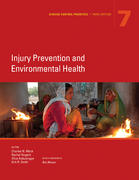
The substantial burden of death and disability that results from interpersonal violence, road traffic injuries, unintentional injuries, occupational health risks, air pollution, climate change, and
...
inadequate water and sanitation falls disproportionally on low- and middle-income countries. Injury Prevention and Environmental Health addresses the risk factors and presents updated data on the burden, as well as economic analyses of platforms and packages for delivering cost-effective and feasible interventions in these settings. The volume's contributors demonstrate that implementation of a range of prevention strategies-presented in an essential package of interventions and policies-could achieve a convergence in death and disability rates that would avert more than 7.5 million deaths a year
more
An estimated 59 000 people die from rabies each year. That’s one person every nine minutes of every day, 40% of whom are children living in Asia and Africa. As dog bites cause almost all human cas
...
es, we can prevent rabies deaths by increasing awareness, vaccinating dogs to prevent the disease at its source and administering life-saving treatment after people have been bitten. We have the vaccines, medicines, tools and technologies to prevent people from dying from dog-mediated rabies. For a relatively low cost it is possible to break the disease cycle and save lives
more
