
Filter
3631
Featured
223
1081
Language
3461
109
58
46
30
24
12
11
6
5
5
5
5
4
4
4
3
3
3
3
3
3
3
3
3
2
2
2
2
2
2
2
2
2
2
1
1
1
1
1
1
1
1
1
1
1
1
1
1
1
1
1
1
Document type
2263
673
302
143
124
40
35
33
8
7
2
1
Countries
175
148
118
118
104
101
96
81
75
74
69
68
63
61
59
58
52
49
49
48
47
42
41
37
35
34
32
31
29
24
24
22
21
20
19
19
18
18
18
17
16
16
15
15
14
13
13
13
13
13
12
12
12
12
11
11
11
10
9
8
8
8
8
8
8
7
7
6
6
6
5
5
5
5
5
5
5
4
4
4
4
4
3
3
3
3
3
3
3
3
3
3
3
3
2
2
2
2
2
2
2
2
2
2
2
2
2
2
2
2
2
2
2
2
2
2
2
2
1
1
1
1
1
1
1
1
1
1
1
1
1
1
1
1
1
1
1
Authors & Publishers
267
187
112
86
82
66
65
63
34
33
32
28
23
21
21
20
18
17
17
17
17
17
15
15
14
14
14
14
14
13
13
13
12
12
12
12
12
12
12
11
11
11
11
11
11
10
10
10
9
9
9
9
9
8
8
8
8
8
8
8
8
8
8
8
8
7
7
7
7
7
6
6
6
6
6
6
6
6
6
6
6
6
6
6
6
6
6
5
5
5
5
5
5
5
5
5
5
5
5
5
5
5
5
5
5
5
5
4
4
4
4
4
4
4
4
4
4
4
4
4
4
4
4
4
4
4
4
4
4
4
4
4
4
4
4
4
4
4
4
4
4
4
4
4
4
4
4
4
4
4
4
4
4
4
3
3
3
3
3
3
3
3
3
3
3
3
3
3
3
3
3
3
3
3
3
3
3
3
3
3
3
3
3
3
3
3
3
3
3
3
3
3
3
3
3
3
3
3
3
3
3
3
3
3
3
3
3
3
3
3
3
3
3
3
3
3
3
3
3
3
3
3
3
3
3
3
3
3
3
3
3
3
3
3
3
3
3
3
3
3
3
3
3
3
3
2
2
2
2
2
2
2
2
2
2
2
2
2
2
2
2
2
2
2
2
2
2
2
2
2
2
2
2
2
2
2
2
2
2
2
2
2
2
2
2
2
2
2
2
2
2
2
2
2
2
2
2
2
2
2
2
2
2
2
2
2
2
2
2
2
2
2
2
2
2
2
2
2
2
2
2
2
2
2
2
2
2
2
2
2
2
2
2
2
2
2
2
2
2
2
2
2
2
2
2
2
2
2
2
2
2
2
2
2
2
2
2
2
2
2
2
2
2
2
2
2
2
2
2
2
2
2
2
2
2
2
2
2
2
2
2
2
2
2
2
2
2
2
2
2
2
2
2
2
2
2
2
2
2
2
2
2
2
2
2
2
2
2
2
2
2
2
2
2
2
2
2
2
2
2
2
2
2
2
2
2
2
2
2
2
2
2
2
2
2
2
2
2
2
2
2
2
2
2
2
2
2
2
2
2
2
2
2
2
2
2
2
2
2
2
2
2
2
2
2
2
2
2
2
2
2
2
2
2
2
2
2
2
2
2
2
2
2
2
2
2
2
2
2
2
1
1
1
1
1
1
1
1
1
1
1
1
1
1
1
1
1
1
1
1
1
1
1
1
1
1
1
1
1
1
1
1
1
1
1
1
1
1
1
1
1
1
1
1
1
1
1
1
1
1
1
1
1
1
1
1
1
1
1
1
1
1
1
1
1
1
1
1
1
1
1
1
1
1
1
1
1
1
1
1
1
1
1
1
1
1
1
1
1
1
1
1
1
1
1
1
1
1
1
1
1
1
1
1
1
1
1
1
1
1
1
1
1
1
1
1
1
1
1
1
1
1
1
1
1
1
1
1
1
1
1
1
1
1
1
1
1
1
1
1
1
1
1
1
1
1
1
1
1
1
1
1
1
1
1
1
1
1
1
1
1
1
1
1
1
1
1
1
1
1
1
1
1
1
1
1
1
1
1
1
1
1
1
1
1
1
1
1
1
1
1
1
1
1
1
1
1
1
1
1
1
1
1
1
1
1
1
1
1
1
1
1
1
1
1
1
1
1
1
1
1
1
1
1
1
1
1
1
1
1
1
1
1
1
1
1
1
1
1
1
1
1
1
1
1
1
1
1
1
1
1
1
1
1
1
1
1
1
1
1
1
1
1
1
1
1
1
1
1
1
1
1
1
1
1
1
1
1
1
1
1
1
1
1
1
1
1
1
1
1
1
1
1
1
1
1
1
1
1
1
1
1
1
1
1
1
1
1
1
1
1
1
1
1
1
1
1
1
1
1
1
1
1
1
1
1
1
1
1
1
1
1
1
1
1
1
1
1
1
1
1
1
1
1
1
1
1
1
1
1
1
1
1
1
1
1
1
1
1
1
1
1
1
1
1
1
1
1
1
1
1
1
1
1
1
1
1
1
1
1
1
1
1
1
1
1
1
1
1
1
1
1
1
1
1
1
1
1
1
1
1
1
1
1
1
1
1
1
1
1
1
1
1
1
1
1
1
1
1
1
1
1
1
1
1
1
1
1
1
1
1
1
1
1
1
1
1
1
1
1
1
1
1
1
1
1
1
1
1
1
1
1
1
1
1
1
1
1
1
1
1
1
1
1
1
1
1
1
1
1
1
1
1
1
1
1
1
1
1
1
1
1
1
1
1
1
1
1
1
1
1
1
1
1
1
1
1
1
1
1
1
1
1
1
1
1
1
1
1
1
1
1
1
1
1
1
1
1
1
1
1
1
1
1
1
1
1
1
1
1
1
1
1
1
1
1
1
1
1
1
1
1
1
1
1
1
1
1
1
1
1
1
1
1
1
1
1
1
1
1
1
1
1
1
1
1
1
1
1
1
1
1
1
1
1
1
1
1
1
1
1
1
1
1
1
1
1
1
1
1
1
1
1
1
1
1
1
1
1
1
1
1
1
1
1
1
1
1
1
1
1
1
1
1
1
1
1
1
1
1
1
1
1
1
1
1
1
1
1
1
1
1
1
1
1
1
1
1
1
1
1
1
1
1
1
1
1
1
1
1
1
1
1
1
1
1
1
1
1
1
1
1
1
1
1
1
1
1
1
1
1
1
1
1
1
1
1
1
1
1
1
1
1
1
1
1
1
1
1
1
1
1
1
1
1
1
1
1
1
1
1
1
1
1
1
1
1
1
1
1
1
1
1
1
1
1
1
1
1
1
1
1
1
1
1
1
1
1
1
1
1
1
1
1
1
1
1
1
1
1
1
1
1
1
1
1
1
1
1
1
1
1
1
1
1
1
1
1
1
1
1
1
1
1
1
1
1
1
1
1
1
1
1
1
1
1
1
1
1
1
1
1
1
1
1
1
1
1
1
1
1
1
1
1
1
1
1
1
1
1
1
1
1
1
1
1
1
1
1
1
1
1
1
1
1
1
1
1
1
1
1
1
1
1
1
1
1
1
1
1
1
1
1
1
1
1
1
1
1
1
1
1
1
1
1
1
1
1
1
1
1
1
1
1
1
1
1
1
1
1
1
1
1
1
1
1
1
1
1
1
1
1
1
1
1
1
1
1
1
1
1
1
1
1
1
1
1
1
1
1
1
1
1
1
1
1
1
1
1
1
1
1
1
1
1
1
1
1
1
1
1
1
1
1
1
1
1
1
1
1
1
1
1
1
1
1
1
1
1
1
1
1
1
1
1
1
1
1
1
1
1
1
1
1
1
1
1
1
1
1
1
1
1
1
1
1
1
1
1
1
1
1
1
1
1
1
1
1
1
1
1
1
1
1
1
1
1
1
1
1
1
1
1
1
1
1
1
1
1
1
1
1
1
1
1
1
1
1
1
1
1
1
1
1
1
1
1
1
1
1
1
1
1
1
1
1
1
1
1
1
1
1
1
1
1
1
1
1
1
1
1
1
1
1
1
1
1
1
1
1
1
1
1
1
1
1
1
1
1
1
1
1
1
1
1
1
1
1
1
1
1
1
1
1
1
1
1
1
1
1
1
1
1
1
1
1
1
1
1
1
1
1
1
1
1
1
1
1
1
1
1
1
1
1
1
1
1
1
1
1
1
1
1
1
1
1
1
1
1
1
1
1
1
1
1
1
1
1
1
1
1
1
1
1
1
1
1
1
1
1
1
1
1
1
1
1
1
1
1
1
1
1
1
1
1
1
1
1
1
1
1
1
1
1
1
1
1
1
1
1
1
1
1
1
1
1
1
1
1
1
1
1
1
1
1
1
1
1
1
1
1
1
1
1
1
1
1
1
1
1
1
1
1
1
1
1
1
1
1
1
1
1
1
1
1
1
1
1
1
1
1
1
1
1
1
1
1
1
1
1
1
1
1
1
1
1
1
1
1
1
1
1
1
1
1
1
1
1
1
1
1
1
1
1
1
1
1
1
1
1
1
1
1
1
1
1
1
1
1
1
1
1
1
1
1
1
1
1
1
1
1
1
1
1
1
1
1
1
1
1
1
1
1
1
1
1
1
1
1
1
1
1
1
1
1
1
1
1
1
1
1
1
1
1
1
1
1
1
1
1
1
1
1
1
1
1
1
1
1
1
1
1
1
1
1
1
1
1
1
1
1
1
1
1
1
1
1
1
1
1
1
1
1
1
1
1
1
1
1
1
1
1
1
1
1
1
1
1
1
1
1
1
1
1
1
1
1
1
1
1
1
1
1
1
1
1
1
1
1
1
1
1
1
1
1
1
1
1
1
1
1
1
1
1
1
1
1
1
1
1
1
1
1
1
1
1
1
1
1
1
1
1
1
1
1
1
1
1
1
1
1
1
1
1
1
1
1
1
1
1
1
1
1
1
1
1
1
1
1
1
1
1
1
1
1
1
1
1
1
1
1
1
1
1
1
1
1
1
1
1
1
1
1
1
1
1
1
1
1
1
1
1
1
1
1
1
1
1
1
1
1
1
1
1
1
1
1
1
1
1
1
1
1
1
1
1
1
1
1
1
1
1
1
1
1
1
1
1
1
1
1
1
1
1
1
1
1
1
1
1
1
1
1
1
1
1
1
1
1
1
1
1
1
1
1
1
1
1
1
1
1
1
1
1
1
1
1
1
1
1
1
1
1
1
1
1
1
1
1
1
1
1
1
1
1
1
1
1
1
1
1
1
1
1
1
1
1
1
1
1
1
1
1
1
1
1
1
1
1
1
1
1
1
1
1
1
1
1
1
1
1
1
1
1
1
1
1
1
1
1
1
1
1
1
1
1
1
1
1
1
1
1
1
1
1
1
1
1
1
1
1
1
1
1
1
1
1
1
1
1
1
1
1
1
1
1
1
1
1
1
1
1
1
1
1
1
1
1
1
1
1
1
1
1
1
1
1
1
1
1
1
1
1
1
1
1
1
1
1
1
1
1
1
1
1
1
1
1
1
1
1
1
1
1
1
1
1
1
1
1
1
1
1
1
1
1
1
1
1
1
1
1
1
1
1
1
1
1
1
1
1
1
1
1
1
1
1
1
1
1
1
1
1
1
1
1
1
1
1
1
1
1
1
1
1
1
1
1
1
1
1
1
1
1
1
1
1
1
1
1
1
1
1
1
1
1
1
1
1
1
1
1
1
1
1
1
1
1
1
1
1
1
1
1
1
1
1
1
1
1
1
1
1
1
1
1
1
1
1
1
1
1
1
1
1
1
1
1
1
1
1
1
1
1
1
1
1
1
1
1
1
1
1
1
1
1
1
1
1
1
1
1
1
1
1
1
1
1
1
1
1
1
1
1
1
1
1
1
1
1
1
1
1
1
1
1
1
1
1
1
1
1
1
1
1
1
1
1
1
1
1
1
1
1
1
1
1
1
1
1
1
1
1
1
1
1
1
1
1
1
1
1
1
1
1
1
1
1
1
1
1
1
1
1
1
1
1
1
1
1
1
1
1
1
1
1
1
1
1
1
1
1
1
1
1
1
1
1
1
1
1
1
1
1
1
1
1
1
1
1
1
1
1
1
1
1
1
1
1
1
1
1
1
1
1
1
1
1
1
1
1
1
1
1
1
1
1
1
1
1
1
1
1
1
1
1
1
1
1
1
1
1
1
1
1
1
1
1
1
1
1
1
1
1
1
1
1
1
1
1
1
1
1
1
1
1
1
1
1
1
1
1
1
1
1
1
1
1
1
1
1
1
1
1
1
1
1
1
1
1
1
1
1
1
1
1
1
1
1
1
1
1
1
1
1
1
1
1
1
1
1
1
1
1
1
1
1
1
1
1
1
1
1
1
1
1
1
1
1
1
1
1
1
1
1
1
1
1
1
1
1
1
1
1
1
1
1
1
1
1
1
1
1
1
1
1
1
1
1
1
1
1
1
1
1
1
1
1
1
1
1
1
1
1
1
1
1
1
1
1
1
1
1
1
1
1
1
1
1
1
1
1
1
1
1
1
1
1
1
1
1
1
1
1
1
1
1
1
1
1
1
1
1
1
1
1
1
1
1
1
1
1
1
1
1
1
1
1
1
1
1
1
1
1
1
1
1
1
1
1
1
1
1
1
1
1
1
1
1
1
1
1
1
1
1
1
1
1
1
1
1
1
1
1
1
1
1
1
1
1
1
1
1
1
1
1
1
1
1
1
1
1
1
1
1
1
1
1
1
1
1
1
1
1
1
1
1
1
1
1
1
1
1
1
1
1
1
1
1
1
1
1
1
1
1
1
1
1
1
1
1
1
1
1
1
1
1
1
1
1
1
1
1
1
1
1
1
1
1
1
1
1
1
1
1
1
1
1
1
1
1
1
1
1
1
1
1
1
1
1
1
1
1
1
1
1
1
1
1
1
1
1
1
1
1
1
1
1
1
1
1
1
1
1
1
1
1
1
1
1
1
1
1
1
1
1
1
1
1
1
1
1
1
1
1
1
1
1
1
1
1
1
1
1
1
1
1
1
1
1
1
1
1
1
1
1
1
1
1
1
1
1
1
1
1
1
1
1
1
1
1
1
1
1
1
1
1
1
1
1
1
1
1
1
1
1
1
1
1
1
1
1
1
1
1
1
1
1
1
1
1
1
1
1
1
1
1
1
1
1
1
1
1
1
1
1
1
1
1
1
1
1
1
1
1
1
1
1
1
1
1
1
1
1
1
1
1
1
1
1
1
1
1
1
1
1
1
1
1
1
1
1
1
1
1
1
1
1
1
1
1
1
1
1
1
1
1
1
1
1
1
1
1
1
1
1
1
1
1
1
1
1
1
1
1
1
1
1
1
1
1
1
1
1
1
1
1
1
1
1
1
1
1
1
1
1
1
1
1
1
1
1
1
1
1
1
1
1
1
1
1
1
1
1
1
1
1
1
1
1
1
1
1
1
1
1
1
1
1
1
1
1
1
1
1
1
1
1
1
1
1
1
1
1
1
1
1
1
1
1
1
1
1
1
1
1
1
1
1
1
1
1
1
1
1
1
1
1
1
1
1
1
1
1
1
1
1
1
1
1
1
1
1
1
1
1
1
1
1
1
1
1
1
1
1
1
1
1
1
1
1
1
1
1
1
1
1
1
1
1
1
1
1
1
1
1
1
1
1
1
1
1
1
1
1
1
1
1
1
1
1
1
1
1
1
1
1
1
1
1
1
1
1
1
1
1
1
1
1
1
1
1
1
1
1
1
1
1
1
1
1
1
1
1
1
1
1
1
1
1
1
1
1
1
1
1
1
1
1
1
1
1
1
1
1
1
1
1
1
1
1
1
1
1
1
1
1
1
1
1
1
1
1
1
1
1
1
1
1
1
1
1
1
1
1
1
1
1
1
1
1
1
1
1
1
1
1
1
1
1
1
1
1
1
1
1
1
1
1
1
1
1
1
1
1
1
1
1
1
1
1
1
1
1
1
1
1
1
1
1
1
1
1
1
1
1
1
1
1
1
1
1
1
1
1
1
1
1
1
1
1
1
1
1
1
1
1
1
1
1
1
1
1
1
1
1
1
1
1
1
1
1
1
1
1
1
1
1
1
1
1
1
1
1
1
1
1
1
1
1
1
1
1
1
1
1
1
1
1
1
1
1
1
1
1
1
1
1
1
1
1
1
1
1
1
1
1
1
1
1
1
1
1
1
1
1
1
1
1
1
1
1
1
1
1
1
1
1
1
1
1
1
1
1
1
1
1
1
1
1
1
1
1
1
1
1
1
1
1
1
1
1
1
1
1
1
1
1
1
1
1
1
1
1
1
1
1
1
1
1
1
1
1
1
1
1
1
1
1
1
1
1
1
1
1
1
1
1
1
1
1
1
1
1
1
1
1
1
1
1
1
1
1
1
1
1
1
1
1
1
1
1
1
1
1
1
1
1
1
1
1
1
1
1
1
1
1
1
1
1
1
1
1
1
1
1
1
1
1
1
1
1
1
1
1
1
1
1
1
1
1
1
1
1
1
1
1
1
1
1
1
1
1
1
1
Publication Years
1
809
2461
340
17
1
1
1
Category
1611
188
174
161
113
46
12
4
2
Toolboxes
271
266
220
171
166
154
133
108
93
81
67
60
58
56
50
50
43
37
36
20
18
9
9
3
2nd Generation HIV Surveillance in Pakistan, Round 5
The Overall objective of this mapping study was to update population size estimates of selected key populations (PWID, FSWs, MSM & TGs) to c ... reate evidence for developing action plans for HIV prevention interventions in Pakistan. A total number of 23 cities/towns were selected for Mapping. This included 13 cities in Punjab province, 6 in Sindh Province and 2 cities each in KPK and Baluchistan provinces.
large file: 70,5 MB The preview/download includes only the pages 1 to 23. more
The Overall objective of this mapping study was to update population size estimates of selected key populations (PWID, FSWs, MSM & TGs) to c ... reate evidence for developing action plans for HIV prevention interventions in Pakistan. A total number of 23 cities/towns were selected for Mapping. This included 13 cities in Punjab province, 6 in Sindh Province and 2 cities each in KPK and Baluchistan provinces.
large file: 70,5 MB The preview/download includes only the pages 1 to 23. more
Effectiveness of a diabetes program based on digital health on capacity building and quality of care in type 2 diabetes: a pragmatic quasi-experimental study
Moreas Morelli, D.; Rubinstein, F.; Santero, M.; et al.
BMC Health Services Research, part of Springer Nature
(2023)
CC2
Health systems in Latin America face many challenges in controlling the increasing burden of diabetes. Digital health interventions are a promise for the provision of care, especially in developing
...
countries where mobile technology has a high penetration. This study evaluated the effectiveness of the implementation of a Diabetes Program (DP) that included digital health interventions to improve the quality of care of persons with type 2 Diabetes (T2DM) in a vulnerable population attending the public primary care network.
more
Social Science in Humanitarian Action Key considerations: Ebola preparedness and readiness in Goma, DRC
Peyton, D.; I. Gercama and J. Bedford
Social Science in Humanitarian Action: A Communication for Development Platform
(2019)
C1
This brief summarises key considerations about the social, political and economic context of Goma in relation to the outbreak of Ebola in the DRC a
...
s of March 2019. Goma is the administrative capital of North Kivu province and a major urban centre in the Great Lakes Region. The city is home to an estimated 1.5 million people and serves as an important economic and transportation hub that links eastern Congo to the broader East African sub-region. The arrival of Ebola in Goma would substantially increase the at-risk population and heighten the potential for cross-border transmission to neighbouring countries, particularly Rwanda. This brief therefore focuses on local social and political structures that can be leveraged to promote preparedness and readiness actions.
more
This Community Health Systems (CHS) Catalog country profile is the 2016 update of a landscape
assessment that was originally conducted by the Advancing Partners & Communities (APC) project
in 2014
...
. The CHS Catalog focuses on 25 countries deemed priority by the United States Agency for
International Development’s (USAID) Office of Population and Reproductive Health, and includes
specific attention to family planning (FP), a core focus of the APC project.
The update comes as many countries are investing in efforts to support the Sustainable Development
Goals and to achieve universal health coverage while modifying policies and strategies to better align
and scale up their community health systems.
The purpose of the CHS Catalog is to provide the most up-to-date information available on community
health systems based on existing policies and related documentation in the 25 countries. Hence, it does
not necessarily capture the realities of policy implementation or service delivery on the ground. APC
has made efforts to standardize the information across country profiles, however, content between
countries may vary due to the availability and quality of the data obtained from policy documents.
more
Namibia is no exception to the growingglobal concern on the increasing burden of NCDs. Namibia is an upper middle income country with fast economic growth since independence in 1990.
...
The country is bearing the double burden of communicable and noncommunicable diseases and rapid urbanization. There is also high income inequality among the population.
more
31 Oct 2022 his plan outlines how the ACT-Accelerator will support countries as the world transitions to long-term COVID-19 control.
Recognizing
...
the evolving nature of the COVID-19 virus and pandemic, the plan outlines changes to ACT-A’s set-up and ways of working, to ensure countries continue to have access to COVID-19 tools in the longer term, while maintaining the coalition’s readiness to help address future disease surges.
Developed through a consultative process with ACT-A agencies, donors, industry partners, civil society organizations (CSOs) and Facilitation Council members, the plan summarizes priority areas of focus for the partnership’s pillars, coordination mechanisms and other core functions, and highlights the work to be maintained, transitioned, sunset, or kept on standby.
more
This manual was designed to support the GRN-UNICEF Youth Health and Development Programme with the aim of sustaining My Future is My Choice graduates and other young people’s peer education activi
...
ties. It was written and reviewed in a three-day workshop in November 1999 and in the following weeks with assistance from participating organizations including AIDS Care Trust, Catholic AIDS Action, Ella Du Plessis High School AIDS Awareness Club, the Namibian Broadcasting Corporation, NACAMA, the National Youth Council of Namibia, PEDI/PECP, Polytechnic of Namibia, the University of Namibia and UNICEF. It was revised by Jennifer Lentfer of the Youth Health and Development Program of UNICEF Namibia in July of 2001.
more
Rwanda 2010: A Dramatic Change in Reproductive Behavior
Westoff, C.F., F. Ngabo, C. Munyanshongore, M.A. Umubyeyi, and E. Kagame
Calverton, Maryland, USA: ICF International.
(2013)
C2
DHS Further Analysis Reports No. 90 - In Rwanda, between 2005 and 2010, there have been radical declines in the desired number of children, actual fertility, and child mortality along with a large increase in contraceptive prevalence. This study rev
...
iews trends in some of these measures. Multivariate analyses evaluate the relative importance for
the desired number of children of years of schooling, wealth, urban residence, media exposure, child mortality, and attitudes toward gender equality. Variations in reproductive preferences, the total fertility rate, and unmet need for family planning are mapped for the 30 districts of Rwanda. The explanations for the rapid changes in reproductive attitudes and behavior are clearly related to the concerns of the country, the rapid rate of population growth, and its implications for economic development and reproductive health.
more
National Comprehensive HIV Prevention, Care, and Treatment Training for Pharmacy Professionals. Participant Manual
Ministry of Health, Federal Democratic Republic of Ethiopia
Ministry of Health, Federal Democratic Republic of Ethiopia
(2018)
CC
In line with its decentralization principle, the Ethiopian Health Policy has achieved great progress in improving access to comprehensive HIV/AIDS services to the majority of
...
the population. Both quality and coverage of services have improved significantlysince the initiation of the free ART program in 2005. The role of health workforce in general and that of pharmacy professionals assumes a central position in these achievements. To further enhance accessibility and quality of services, capacity buildingof health cadres is critical. Therefore, this comprehensive HIV prevention, care and treatment training material is prepared with the primarily intention to build the capacity of pharmacy professionals at all levels so that they can contribute to the provision of HIV services.
more
Health in All Policies: A Guide for State and Local Governments was created by the Public Health Institute, the California Department of Public Health, and
...
the American Public Health Association in response to growing interest in using collaborative approaches to improve population health by embedding health considerations into decision-making processes across a broad array of sectors. The Guide draws heavily on the experiences of the California Health in All Policies Task Force and incorporates information from the published and gray literature and interviews with people across the country.
The guide was developed through funding from the American Public Health Association and The California Endowment.
more

This fourth annual report monitors global progress towards the 2023 target for global elimination of industrially produced trans-fatty acids (TFA), highlighting achievements during the past year (Oc
...
tober 2021 – September 2022). Countries are responding to the World Health Organization (WHO) call to action by putting into place best-practice TFA policies. Mandatory TFA policies are currently in effect for 3.4 billion people in 60 countries (43% of the world population); of these, 43 countries have best-practice policies in effect, covering 2.8 billion people (36% of the world population).
Over the past year, several additional countries took action to eliminate industrially produced TFA: best-practice policies came into effect in India in January 2022, Uruguay in May 2022 and Oman in July 2022. Best-practice policies were passed in Bangladesh in November 2021 (to come into effect in December 2022) and in Ukraine in September 2020 (to come into effect in October 2023), best-practice TFA policies are projected to pass soon in Mexico, Nigeria and Sri Lanka.
more
This fourth annual report monitors global progress towards the 2023 target for global elimination of industrially produced trans-fatty acids (TFA), highlighting achievements during the past year (Oc
...
tober 2021 – September 2022). Countries are responding to the World Health Organization (WHO) call to action by putting into place best-practice TFA policies. Mandatory TFA policies are currently in effect for 3.4 billion people in 60 countries (43% of the world population); of these, 43 countries have best-practice policies in effect, covering 2.8 billion people (36% of the world population).
Over the past year, several additional countries took action to eliminate industrially produced TFA: best-practice policies came into effect in India in January 2022, Uruguay in May 2022 and Oman in July 2022. Best-practice policies were passed in Bangladesh in November 2021 (to come into effect in December 2022) and in Ukraine in September 2020 (to come into effect in October 2023), best-practice TFA policies are projected to pass soon in Mexico, Nigeria and Sri Lanka.
more
Nosocomial infections and antimicrobial resistance are two special health issues listed in Annex 1 of Commission Decision 2000/96/EC of 22 December 1999 on the communicable diseases to be progressively covered by
...
the Community network under Decision No 2119/98/EC of the European Parliament and of the Council.
Nosocomial infections correspond to infections acquired in hospitals. The term “Healthcare-associated infections” is now preferred because it includes not only infections acquired in hospitals, but also in other settings where healthcare is provided, e.g. long-term care facilities, nursing homes, home care, etc.
more
This handbook was designed primarily as a tool for district clinical specialist teams (DCSTs), and for the provincial specialists who will guide and support their work. This handbook will also be useful to managers of health facilities, heads of cli
...
nical units and nurses, doctors and allied health workers at the coalface of clinical care. This handbook will be of interest to district managers and other members of the district management team who are dedicated to developing the capacity of the district health system to respond
effectively to the health needs of the population they serve. It will help them understand the role of the DCSTs and the type of
activities they need to engage in to improve the quality of care
more
Guideline ‒ Alternative mass drug administration regimens to eliminate lymphatic filariasis
recommended
Lymphatic filariasis is a vector-borne neglected tropical disease that causes damage of the lymphatic system and can lead to lymphoedema (elephantiasis) and hydrocele in infected individuals. The gl
...
obal baseline estimate of persons affected by lymphatic filariasis is 25 million men with hydrocele and over 15 million people with lymphoedema. At least 36 million persons remain with these chronic disease manifestations. The disease is endemic in 72 countries. In 2016, an estimated total population of 856 million were living in areas with ongoing transmission of the causative filarial parasites and requiring mass drug administration (MDA). Lymphatic filariasis disfigures and disables, and often leads to stigmatization and poverty. Hundreds of millions of dollars are lost annually due to reduced productivity of affected patients. WHO has ranked the disease as one of the world’s leading causes of permanent and long-term disability.
more

Rwanda’s fourth health sector strategic plan (HSSP4) is meant to provide the health sector with a Strategic Plan that will highlight its commitments and priorities for the coming 6 years. It will
...
be fully integrated in the overall economic development plan of the Government. HSSP4 will fulfill the country’s commitment expressed in the national constitution, National Strategy for Transformation (NST) and the aspirations of the Health Sector Policy 2015. The strategies herein adhere to the Universal Health Coverage (UHC) principles towards realisation of the Sustainable Development Goals (SDGs). HSSP4 therefore lays a foundation for Vision 2050 (“The Rwanda We Want”), which will transform Rwanda into a high-income country by 2050. HSSP4 anticipates the epidemiological transition of the country, the increase in population and life expectancy and the expected increase of the health needs of the elderly, notably in Non Communicable Diseases (NCDs). HSSP4 also anticipates a decrease in external financial inflows, hence it is imperative to build secure / resilient health systems.
more
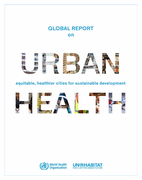
This timely report comes at a decisive moment in history where
we can reshape urban environments and health systems for the
majority of the world’s po
...
pulation that live in cities. Enabling
this transformation are the SDGs, which have reconfigured how
governments and the international community need to plan and
implement actions to eradicate poverty and inequality, create
inclusive economic growth, preserve the planet and improve
population health. Central to this quest is to create equitable,
healthier cities for sustainable development.
more
Over nine years of protracted and violent conflict in Syria has decimated its health system,killed an estimated 586,000 people and forcibly displaced more than half the 22 million pre-war population
...
from their homes. As of June 2020, a total of 6.2 million Syrians (of whom 40% are children) are internally displaced (IDPs) and 5.5 million are refugees. Over half of Syria’s population (11.7 million) are in-need of humanitarian aid across the whole of Syria
more
Global cardiovascular disease (CVD) burden is high and rising, especially in low-income and middle-income countries (LMICs). Focussing on 45 LMICs, we aimed to determine (1) the adult population’s
...
median 10-year predicted CVD risk, including its variation within countries by socio-demographic characteristics, and (2) the prevalence of self-reported blood pressure (BP) medication use among those with and without an indication for such medication as per World Health Organization (WHO) guidelines.
more
PEPFAR Malawi’s Country Operational Plan 2022 (COP22) embodies joint priorities from national and subnational dialogues building on the 2020-2025 National Strategic Plan for HIV/AIDS. The interage
...
ncy team has developed a person-centered, district-tailored and Malawi Population-Based HIV Impact Assessment (MPHIA)-informed strategy through extensive engagement with Government of Malawi (GoM) and Civil Society Organizations (CSOs) to sustain HIV epidemic control. At the end of COP21, PEPFAR Malawi was commended for contributing to reaching epidemic control in strong collaboration with GoM and stakeholders including the Global Fund to Fight AIDS, Tuberculosis and Malaria (Global Fund). This includes enrollment of 88% of recipients of care on three or more months of antiretroviral treatment (ART), better outcomes for Malawian children through remarkable efforts in Orphans and Vulnerable Children (OVC) programming and progress made towards reaching men with more intentional and focused programming.
more
