Filter
3243
Text search:
young
men
Featured
209
949
Language
3110
81
60
45
31
25
18
16
9
9
6
6
6
5
5
5
5
5
4
4
4
4
4
4
3
3
3
3
3
2
2
2
2
1
1
1
1
1
1
1
1
1
1
1
1
1
1
1
1
1
1
1
1
Document type
2185
483
241
97
91
53
36
30
13
7
2
1
1
Countries
138
117
107
84
77
70
67
66
66
66
63
63
62
59
59
58
55
54
40
38
36
36
35
35
32
31
31
29
27
26
24
23
23
20
18
18
17
17
15
15
14
14
13
13
13
11
10
10
10
10
9
9
9
9
9
8
8
8
8
7
7
7
6
6
6
6
5
5
5
4
4
4
4
4
4
4
4
3
3
3
3
3
3
3
3
3
3
3
3
2
2
2
2
2
2
2
2
2
2
2
2
2
2
2
2
1
1
1
1
1
1
1
1
1
1
1
1
1
1
1
1
1
1
1
1
1
1
1
1
1
1
1
Authors & Publishers
215
194
181
107
97
75
57
44
41
39
33
29
24
23
23
23
22
22
21
21
21
20
20
19
18
17
17
16
16
16
15
14
14
14
13
13
13
11
11
11
11
10
10
10
10
9
9
9
9
9
9
9
9
8
8
8
8
8
7
7
7
7
6
6
6
6
6
6
6
6
6
6
6
6
6
6
5
5
5
5
5
5
5
5
5
5
5
5
5
5
5
5
5
5
5
5
5
5
5
5
5
5
5
5
5
5
5
5
4
4
4
4
4
4
4
4
4
4
4
4
4
4
4
4
4
4
4
4
4
4
4
4
4
4
4
4
4
4
4
4
4
4
4
4
4
4
4
4
4
4
4
3
3
3
3
3
3
3
3
3
3
3
3
3
3
3
3
3
3
3
3
3
3
3
3
3
3
3
3
3
3
3
3
3
3
3
3
3
3
3
3
3
3
3
3
3
3
3
3
3
3
3
3
3
3
3
3
3
3
3
3
3
3
3
3
3
3
3
3
3
3
3
3
3
3
3
3
3
3
2
2
2
2
2
2
2
2
2
2
2
2
2
2
2
2
2
2
2
2
2
2
2
2
2
2
2
2
2
2
2
2
2
2
2
2
2
2
2
2
2
2
2
2
2
2
2
2
2
2
2
2
2
2
2
2
2
2
2
2
2
2
2
2
2
2
2
2
2
2
2
2
2
2
2
2
2
2
2
2
2
2
2
2
2
2
2
2
2
2
2
2
2
2
2
2
2
2
2
2
2
2
2
2
2
2
2
2
2
2
2
2
2
2
2
2
2
2
2
2
2
2
2
2
2
2
2
2
2
2
2
2
2
2
2
2
2
2
2
2
2
2
2
2
2
2
2
2
2
2
2
2
2
2
2
2
2
2
2
2
2
2
2
2
2
2
2
2
2
2
2
2
2
2
2
2
2
2
2
2
2
2
2
2
2
2
2
2
2
2
2
2
2
2
2
2
2
2
2
2
2
2
2
2
2
2
2
2
2
2
2
2
2
2
2
2
2
2
2
2
2
2
2
2
2
2
2
2
2
2
2
2
2
2
2
2
2
1
1
1
1
1
1
1
1
1
1
1
1
1
1
1
1
1
1
1
1
1
1
1
1
1
1
1
1
1
1
1
1
1
1
1
1
1
1
1
1
1
1
1
1
1
1
1
1
1
1
1
1
1
1
1
1
1
1
1
1
1
1
1
1
1
1
1
1
1
1
1
1
1
1
1
1
1
1
1
1
1
1
1
1
1
1
1
1
1
1
1
1
1
1
1
1
1
1
1
1
1
1
1
1
1
1
1
1
1
1
1
1
1
1
1
1
1
1
1
1
1
1
1
1
1
1
1
1
1
1
1
1
1
1
1
1
1
1
1
1
1
1
1
1
1
1
1
1
1
1
1
1
1
1
1
1
1
1
1
1
1
1
1
1
1
1
1
1
1
1
1
1
1
1
1
1
1
1
1
1
1
1
1
1
1
1
1
1
1
1
1
1
1
1
1
1
1
1
1
1
1
1
1
1
1
1
1
1
1
1
1
1
1
1
1
1
1
1
1
1
1
1
1
1
1
1
1
1
1
1
1
1
1
1
1
1
1
1
1
1
1
1
1
1
1
1
1
1
1
1
1
1
1
1
1
1
1
1
1
1
1
1
1
1
1
1
1
1
1
1
1
1
1
1
1
1
1
1
1
1
1
1
1
1
1
1
1
1
1
1
1
1
1
1
1
1
1
1
1
1
1
1
1
1
1
1
1
1
1
1
1
1
1
1
1
1
1
1
1
1
1
1
1
1
1
1
1
1
1
1
1
1
1
1
1
1
1
1
1
1
1
1
1
1
1
1
1
1
1
1
1
1
1
1
1
1
1
1
1
1
1
1
1
1
1
1
1
1
1
1
1
1
1
1
1
1
1
1
1
1
1
1
1
1
1
1
1
1
1
1
1
1
1
1
1
1
1
1
1
1
1
1
1
1
1
1
1
1
1
1
1
1
1
1
1
1
1
1
1
1
1
1
1
1
1
1
1
1
1
1
1
1
1
1
1
1
1
1
1
1
1
1
1
1
1
1
1
1
1
1
1
1
1
1
1
1
1
1
1
1
1
1
1
1
1
1
1
1
1
1
1
1
1
1
1
1
1
1
1
1
1
1
1
1
1
1
1
1
1
1
1
1
1
1
1
1
1
1
1
1
1
1
1
1
1
1
1
1
1
1
1
1
1
1
1
1
1
1
1
1
1
1
1
1
1
1
1
1
1
1
1
1
1
1
1
1
1
1
1
1
1
1
1
1
1
1
1
1
1
1
1
1
1
1
1
1
1
1
1
1
1
1
1
1
1
1
1
1
1
1
1
1
1
1
1
1
1
1
1
1
1
1
1
1
1
1
1
1
1
1
1
1
1
1
1
1
1
1
1
1
1
1
1
1
1
1
1
1
1
1
1
1
1
1
1
1
1
1
1
1
1
1
1
1
1
1
1
1
1
1
1
1
1
1
1
1
1
1
1
1
1
1
1
1
1
1
1
1
1
1
1
1
1
1
1
1
1
1
1
1
1
1
1
1
1
1
1
1
1
1
1
1
1
1
1
1
1
1
1
1
1
1
1
1
1
1
1
1
1
1
1
1
1
1
1
1
1
1
1
1
1
1
1
1
1
1
1
1
1
1
1
1
1
1
1
1
1
1
1
1
1
1
1
1
1
1
1
1
1
1
1
1
1
1
1
1
1
1
1
1
1
1
1
1
1
1
1
1
1
1
1
1
1
1
1
1
1
1
1
1
1
1
1
1
1
1
1
1
1
1
1
1
1
1
1
1
1
1
1
1
1
1
1
1
1
1
1
1
1
1
1
1
1
1
1
1
1
1
1
1
1
1
1
1
1
1
1
1
1
1
1
1
1
1
1
1
1
1
1
1
1
1
1
1
1
1
1
1
1
1
1
1
1
1
1
1
1
1
1
1
1
1
1
1
1
1
1
1
1
1
1
1
1
1
1
1
1
1
1
1
1
1
1
1
1
1
1
1
1
1
1
1
1
1
1
1
1
1
1
1
1
1
1
1
1
1
1
1
1
1
1
1
1
1
1
1
1
1
1
1
1
1
1
1
1
1
1
1
1
1
1
1
1
1
1
1
1
1
1
1
1
1
1
1
1
1
1
1
1
1
1
1
1
1
1
1
1
1
1
1
1
1
1
1
1
1
1
1
1
1
1
1
1
1
1
1
1
1
1
1
1
1
1
1
1
1
1
1
1
1
1
1
1
1
1
1
1
1
1
1
1
1
1
1
1
1
1
1
1
1
1
1
1
1
1
1
1
1
1
1
1
1
1
1
1
1
1
1
1
1
1
1
1
1
1
1
1
1
1
1
1
1
1
1
1
1
1
1
1
1
1
1
1
1
1
1
1
1
1
1
1
1
1
1
1
1
1
1
1
1
1
1
1
1
1
1
1
1
1
1
1
1
1
1
1
1
1
1
1
1
1
1
1
1
1
1
1
1
1
1
1
1
1
1
1
1
1
1
1
1
1
1
1
1
1
1
1
1
1
1
1
1
1
1
1
1
1
1
1
1
1
1
1
1
1
1
1
1
1
1
1
1
1
1
1
1
1
1
1
1
1
1
1
1
1
1
1
1
1
1
1
1
1
1
1
1
1
1
1
1
1
1
1
1
1
1
1
1
1
1
1
1
1
1
1
1
1
1
1
1
1
1
1
1
1
1
1
1
1
1
1
1
1
1
1
1
1
1
1
1
1
1
1
1
1
1
1
1
1
1
1
1
1
1
1
1
1
1
1
1
1
1
1
1
1
1
1
1
1
1
1
1
1
1
1
1
1
1
1
1
1
1
1
1
1
1
1
1
1
1
1
1
1
1
1
1
1
1
1
1
1
1
1
1
1
1
1
1
1
1
1
1
1
1
1
1
1
1
1
1
1
1
1
1
1
1
1
1
1
1
1
1
1
1
1
1
1
1
1
1
1
1
1
1
1
1
1
1
1
1
1
1
1
1
1
1
1
1
1
1
1
1
1
1
1
1
1
1
1
1
1
1
1
1
1
1
1
1
1
1
1
1
1
1
1
1
1
1
1
1
1
1
1
1
1
1
1
1
1
1
1
1
1
1
1
1
1
1
1
1
1
1
1
1
1
1
1
1
1
1
1
1
1
1
1
1
1
1
1
1
1
1
1
1
1
1
1
1
1
1
1
1
1
1
1
1
1
1
1
1
1
1
1
1
1
1
1
1
1
1
1
1
1
1
1
1
1
1
1
1
1
1
1
1
1
1
1
1
1
1
1
1
1
1
1
1
1
1
1
1
1
1
1
1
1
1
1
1
1
1
1
1
1
1
1
1
1
1
1
1
1
1
1
1
1
1
1
1
1
1
1
1
1
1
1
1
1
1
1
1
1
1
1
1
1
1
1
1
1
1
1
1
1
1
1
1
1
1
1
1
1
1
1
1
1
1
1
1
1
1
1
1
1
1
1
1
1
1
1
1
1
1
1
1
1
1
1
1
1
1
1
1
1
1
1
1
1
1
1
1
1
1
1
1
1
1
1
1
1
1
1
1
1
1
1
1
1
1
1
1
1
1
1
1
1
1
1
1
1
1
1
1
1
1
1
1
1
1
1
1
1
1
1
1
1
1
1
1
1
1
1
1
1
1
1
1
1
1
1
1
1
1
1
1
1
1
1
1
1
1
1
1
1
1
1
1
1
1
1
1
1
1
1
1
1
1
1
1
1
1
1
1
1
1
1
1
1
1
1
1
1
1
1
1
1
1
1
1
1
1
1
1
1
1
1
1
1
1
1
1
1
1
1
1
1
1
1
1
1
1
1
1
1
1
1
1
1
1
1
1
1
1
1
1
1
1
1
1
1
1
1
1
1
1
1
1
1
1
1
1
1
1
1
1
1
1
1
1
1
1
1
1
1
1
1
1
1
1
1
1
1
1
1
1
1
1
1
1
1
1
1
1
1
1
1
1
1
1
1
1
1
1
1
1
1
1
1
1
1
1
1
1
1
1
1
1
1
1
1
1
1
1
1
1
1
1
1
1
1
1
1
1
1
1
1
1
1
1
1
1
1
1
1
1
1
1
1
1
1
1
1
1
1
1
1
1
1
1
1
1
1
1
1
1
1
1
1
1
1
1
1
1
1
1
1
1
1
1
1
1
1
1
1
1
1
1
1
1
1
1
1
1
1
1
1
1
1
1
1
1
1
1
1
1
1
1
1
1
1
1
1
1
1
1
1
1
1
1
1
1
1
1
1
1
1
1
1
1
1
1
1
1
1
1
1
1
1
1
1
1
1
1
1
1
1
1
1
1
1
1
1
1
1
1
1
1
1
1
1
1
1
1
1
1
1
1
1
1
1
1
1
1
1
1
1
1
1
1
1
1
1
1
1
1
1
1
1
1
1
1
1
1
1
1
1
1
1
1
1
1
1
1
1
1
1
1
1
1
1
1
1
1
1
1
1
1
1
1
1
1
1
1
1
1
1
1
1
1
1
1
1
1
1
1
1
1
1
1
1
1
1
1
1
1
1
1
1
1
1
1
1
1
1
1
1
1
1
1
1
1
1
1
1
1
1
1
1
1
1
1
1
1
1
1
1
1
1
1
1
1
1
1
1
1
1
1
1
1
1
1
1
1
1
1
1
1
1
1
1
1
1
1
1
1
1
1
1
1
1
1
1
1
1
1
1
1
1
1
1
1
1
1
1
1
1
1
1
1
1
1
1
1
1
1
1
1
1
1
1
1
1
1
1
1
1
1
1
1
1
1
1
1
1
1
1
1
1
1
1
1
1
1
1
1
1
1
1
1
1
1
1
1
1
1
1
1
1
1
1
1
1
1
1
1
1
1
1
1
1
1
1
1
1
1
1
1
1
1
1
1
1
1
1
1
1
1
1
1
1
1
1
1
1
1
1
1
1
1
1
1
1
1
1
1
1
1
1
1
1
1
1
1
1
1
1
1
1
1
1
1
1
1
1
1
1
1
1
1
1
1
1
1
1
1
1
1
1
1
1
1
1
1
1
1
1
1
1
1
1
1
1
1
1
1
1
1
1
1
1
1
1
1
1
1
1
1
1
1
1
1
1
1
1
1
1
1
1
1
1
1
1
1
1
1
1
1
1
1
1
1
1
1
1
1
1
1
1
1
1
1
1
1
1
1
1
1
1
1
1
1
1
1
1
1
1
1
1
1
1
1
1
1
1
1
1
1
1
1
1
1
1
1
1
1
1
1
1
1
1
1
1
1
1
1
1
1
1
1
1
1
1
1
1
1
1
1
1
1
1
1
1
1
1
1
1
1
1
1
1
1
1
1
1
1
1
1
1
1
1
1
1
1
1
1
1
1
1
1
1
1
1
1
1
1
1
1
1
1
1
1
1
1
1
1
1
1
1
1
1
1
1
1
1
1
1
1
1
1
1
1
1
1
1
1
1
1
1
1
1
1
1
1
1
1
1
1
1
1
1
1
1
1
1
1
1
1
1
1
1
1
1
1
1
1
1
1
1
1
1
1
1
1
1
1
1
1
1
1
1
1
1
1
1
1
1
1
1
1
1
1
1
1
1
1
1
1
1
1
1
1
1
1
1
1
1
1
1
1
1
1
1
1
1
1
1
1
1
1
1
1
1
1
1
1
1
1
1
1
1
1
1
1
1
1
1
1
1
1
1
1
1
1
1
1
1
1
1
1
1
1
1
1
1
1
1
1
1
1
1
1
1
1
1
1
1
1
1
1
1
1
1
1
1
1
1
1
1
1
1
1
1
1
1
1
1
1
1
1
1
1
1
1
1
1
1
1
1
1
1
1
1
1
1
1
1
1
1
1
1
Publication Years
652
2276
302
10
1
1
1
Category
1420
180
153
141
88
77
3
2
2
1
Toolboxes
514
277
170
150
116
83
79
65
54
53
42
40
33
25
25
22
14
10
9
8
7
5
5
2
Contraception and Family Planning, Preventing Unsafe Abortion and Accessing Postabortion Care, and Maternal Health
No publication date indicated.

Based on WHO South-East Asia Regional Strategy on Autism Spectrum Disorder
The collaborative framework for implementation of the “WHO South-East Asia Regional Strategy on Autism Spectrum Disorders” articulates to Member States: the nature of autism spectrum disorder and the issues faced by ... PwASD and their caregivers; the foundation on which the Regional Strategy and the collaborative framework is based; desired outcomes against each objective of the ASD Regional Strategy; recommended actions to fulfill each objective; requisite parameters that should govern the recommended actions; and suggested guidelines for monitoring, evaluating and reporting a Member State’s progress towards fulfilling the objectives. It encourages Member States to share best practices and information for promoting cooperation and partnerships for development of effective and sustainable programmes. more
The collaborative framework for implementation of the “WHO South-East Asia Regional Strategy on Autism Spectrum Disorders” articulates to Member States: the nature of autism spectrum disorder and the issues faced by ... PwASD and their caregivers; the foundation on which the Regional Strategy and the collaborative framework is based; desired outcomes against each objective of the ASD Regional Strategy; recommended actions to fulfill each objective; requisite parameters that should govern the recommended actions; and suggested guidelines for monitoring, evaluating and reporting a Member State’s progress towards fulfilling the objectives. It encourages Member States to share best practices and information for promoting cooperation and partnerships for development of effective and sustainable programmes. more

This publication outlines public health aspects of alcohol use and harm in WHO South East Asia Region Countries. It summarizes Global Regional and country specific data and also discusses aspects of alcohol control that are important in the context of the Region. The possible future trend of alcohol
...
use in the Region is also analysed and current and future barriers to effective alcohol control in countries of the Region are discussed.
more


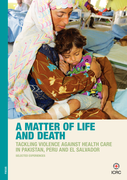
Every day, health-care providers are being attacked, patients discriminated against, ambulances held up at checkpoints, hospitals bombed, medical supplies looted and entire communities cut off from critical services around the world.
Between January 2012 and December 2014, the ICRC documented n ... early 2,400 violent incidents against health care in 11 countries experiencing armed conflict or other violence. In over 90% of cases, local health-care providers were affected, seriously threatening the effectiveness and sustainability of national health-care systems. These numbers might well just be the tip of the iceberg more
Between January 2012 and December 2014, the ICRC documented n ... early 2,400 violent incidents against health care in 11 countries experiencing armed conflict or other violence. In over 90% of cases, local health-care providers were affected, seriously threatening the effectiveness and sustainability of national health-care systems. These numbers might well just be the tip of the iceberg more
This report covers research conducted on HIV stigma and discrimination using the Stigma Index in the Papua New Guinea provinces of Western Highlands and Chimbu*. When Igat Hope began the project the aim was to conduct interviews in all regions of PNG. However, due to funding constraints and organis
...
ational capacities, the Stigma Index has only been applied in one region, that is, the Highlands Region. In future, the hope is to gather comparable data from other regions in PNG. Despite the fact that the overall project aims have not yet been achieved, the data contained in this report provides useful information that can be considered as work continues in PNG on HIV-related stigma and discrimination and human rights.
more
Health Systems for Outcomes Publication | This report summarizes the findings of a qualitative study on health workers’ performance and career in Rwanda to identify bottlenecks, strengths and shortcomings for human resources in the health sector, as perceived by both health workers and users of he
...
alth services.
more
Health Systems for Outcomes Publication | The government of Rwanda has identified human resources for health as one of its policy priorities. This study aims to contribute to building a better understanding of health worker choice and behaviour, and to improve evidence based polcies.

The objective of the evaluation is to understand whether the CHW program has achieved its intended objectives, thus contributing to the overarching objectives defined in the HSSP III of improving the health status of the population by “Ensuring universal accessibility of quality health services fo
...
r all Rwandans”.
This evaluation has focused on CHWs, who are selected, trained and deployed by the MoH to deliver a defined set of tasks at community level. CHWs are the central element of the Community Health Policy and of the community health strategy plan (CHSP) of the MoH.
more

This publication offers practical advice on implementing HIV and STI programmes for transgender people, with a focus on transgender women, aligned with the 2011 Recommendations and the 2014 Key Populations Consolidated Guidelines. It contains examples of good practice from around the world that may
...
support efforts in planning programmes and services, and describes issues that should be considered and how to overcome challenges.
This tool describes how services can be designed and implemented to be acceptable and accessible to transgender women. To accomplish this, respectful and ongoing engagement with them is essential.
This tool gives particular attention to programmes run by transgender people themselves, in contexts where this is possible. more
This tool describes how services can be designed and implemented to be acceptable and accessible to transgender women. To accomplish this, respectful and ongoing engagement with them is essential.
This tool gives particular attention to programmes run by transgender people themselves, in contexts where this is possible. more

This guide presents information about the 2030 Agenda, how it connects to the UN Convention on the Rights of Persons with Disabilities, and explores potential entry points for persons with disabilities to influence and participate in their implementation, follow-up and review
This guide presents information about the 2030 Agenda, how it connects to the United Nations Convention on the Rights of Persons with Disabilities (UN CRPD) and explores ways for persons with disabilities to be influential and participate in how they are achieved.

A human rights-based approach to disability in development - Entry points for development organisations
Ilse Worm
Deutsche Gesellschaft für Internationale Zusammenarbeit (GIZ) & Christoffel-Blindenmission (CBM)
(2012)
C2
This study has been produced jointly by Gesellschaft für Internationale Zusammenarbeit (GIZ) GmbH, a federally owned enterprise, implementing development programmes on behalf of the German Government, and CBM, a non-governmental organisation. Accordingly, its aim is to offer guidance to those in bo
...
th governmental and non-governmental organisations on development cooperation. Given the wide and differing range of implementation procedures, levels of intervention and organisational cultures, it is not a ready-to-be-applied toolbox with concrete blueprints for action. Rather, it raises awareness on core human rights and disability – inclusive principles. It explains and illustrates the implications of applying these principles to development practice. Practitioners can therefore use the guidance to initiate a process of consideration of how to embed these principles within their programmes.
more
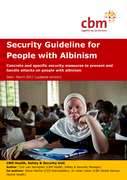
The objective of this Security Guideline for People with Albinism is to provide concrete and specific advice to people with albinism as well as those working with them, to remain safe within the context of where they live. It also provides easy to implement steps in handling an incident and swiftly
...
mobilize useful resources to try and return a victim back to safety.
more

Guidelines for managing advanced HIV disease and rapid initiation of antiretroviral therapy
World Health Organization (WHO)
(2017)
C_WHO
The objectives of these guidelines are to provide recommendations outlining a public health approach to managing people presenting with advanced HIV disease, and to provide guidance on the timing of initiation of antiretroviral therapy (ART) for all people living with HIV.
WHO recommends that a ... package of screening, prophylaxis, rapid ART initiation and intensified adherence interventions be offered to everyone living with HIV presenting with advanced disease.
WHO strongly recommends that rapid ART initiation should be offered to people living with HIV following confirmed diagnosis and clinical assessment. Rapid initiation of ART is defined as within seven days of HIV diagnosis. WHO further strongly recommends ART initiation on the same day as HIV diagnosis based on the person’s willingness and readiness to start ART immediately, unless there are clinical reasons to delay treatment. more
WHO recommends that a ... package of screening, prophylaxis, rapid ART initiation and intensified adherence interventions be offered to everyone living with HIV presenting with advanced disease.
WHO strongly recommends that rapid ART initiation should be offered to people living with HIV following confirmed diagnosis and clinical assessment. Rapid initiation of ART is defined as within seven days of HIV diagnosis. WHO further strongly recommends ART initiation on the same day as HIV diagnosis based on the person’s willingness and readiness to start ART immediately, unless there are clinical reasons to delay treatment. more