
Filter
4201
Text search:
Adolescents
Featured
358
1035
Language
3477
451
185
130
64
44
30
26
16
10
8
6
6
6
5
5
4
4
4
4
3
3
3
2
2
2
2
2
2
2
2
2
2
2
2
2
1
1
1
1
1
1
1
1
1
Document type
2619
567
495
144
136
97
45
40
27
12
11
3
3
Countries
164
137
101
77
74
73
72
71
67
66
65
64
60
58
57
52
52
49
49
42
40
39
39
38
37
35
35
35
34
34
33
33
31
30
29
28
28
27
25
23
21
19
19
17
16
15
14
13
13
13
13
12
12
12
11
10
9
9
8
8
8
8
8
8
8
8
7
7
7
7
6
6
6
6
6
5
5
5
5
5
4
4
4
4
4
4
4
3
3
3
3
3
3
3
3
2
2
2
2
2
2
2
2
2
1
1
1
1
1
1
1
1
1
1
1
1
1
1
1
1
1
1
1
1
1
1
1
1
1
1
1
Authors & Publishers
421
260
210
167
160
135
129
116
107
69
58
54
46
44
38
35
26
24
24
23
22
22
20
19
18
18
17
17
17
15
15
15
13
13
13
13
12
12
12
12
12
11
11
11
11
11
11
11
10
10
10
9
9
9
9
9
9
9
9
8
8
8
8
8
8
8
8
8
8
8
8
7
7
7
7
7
7
7
7
7
7
7
7
7
6
6
6
6
6
6
6
6
6
6
6
6
6
6
6
6
6
5
5
5
5
5
5
5
5
5
5
5
5
5
5
5
5
5
5
5
5
5
5
5
5
5
5
5
5
4
4
4
4
4
4
4
4
4
4
4
4
4
4
4
4
4
4
4
4
4
4
4
4
4
4
4
4
4
4
4
4
4
4
4
4
4
4
4
4
4
4
4
4
4
4
4
4
4
4
4
4
4
4
3
3
3
3
3
3
3
3
3
3
3
3
3
3
3
3
3
3
3
3
3
3
3
3
3
3
3
3
3
3
3
3
3
3
3
3
3
3
3
3
3
3
3
3
3
3
3
3
3
3
3
3
3
3
3
3
3
3
3
3
3
3
3
3
3
3
3
3
3
3
3
3
3
3
3
3
3
3
3
3
3
3
3
3
3
3
3
3
3
3
3
3
3
3
3
2
2
2
2
2
2
2
2
2
2
2
2
2
2
2
2
2
2
2
2
2
2
2
2
2
2
2
2
2
2
2
2
2
2
2
2
2
2
2
2
2
2
2
2
2
2
2
2
2
2
2
2
2
2
2
2
2
2
2
2
2
2
2
2
2
2
2
2
2
2
2
2
2
2
2
2
2
2
2
2
2
2
2
2
2
2
2
2
2
2
2
2
2
2
2
2
2
2
2
2
2
2
2
2
2
2
2
2
2
2
2
2
2
2
2
2
2
2
2
2
2
2
2
2
2
2
2
2
2
2
2
2
2
2
2
2
2
2
2
2
2
2
2
2
2
2
2
2
2
2
2
2
2
2
2
2
2
2
2
2
2
2
2
2
2
2
2
2
2
2
2
2
2
2
2
2
2
2
2
2
2
2
2
2
2
2
2
2
2
2
2
2
2
2
2
2
2
2
2
2
2
2
2
2
2
2
2
2
2
2
2
2
2
2
2
2
2
2
2
2
2
2
2
2
2
2
2
2
2
2
2
2
2
2
2
2
2
2
2
2
2
2
2
2
2
2
2
2
2
2
2
2
2
2
2
2
2
2
2
2
2
2
2
2
2
2
2
2
2
2
2
2
2
2
2
2
2
2
2
2
2
2
2
2
2
2
2
2
2
2
2
2
2
2
2
2
2
2
2
2
2
2
2
2
2
2
2
2
2
2
2
2
2
2
2
2
2
2
2
2
2
2
2
2
2
2
2
2
2
2
2
2
1
1
1
1
1
1
1
1
1
1
1
1
1
1
1
1
1
1
1
1
1
1
1
1
1
1
1
1
1
1
1
1
1
1
1
1
1
1
1
1
1
1
1
1
1
1
1
1
1
1
1
1
1
1
1
1
1
1
1
1
1
1
1
1
1
1
1
1
1
1
1
1
1
1
1
1
1
1
1
1
1
1
1
1
1
1
1
1
1
1
1
1
1
1
1
1
1
1
1
1
1
1
1
1
1
1
1
1
1
1
1
1
1
1
1
1
1
1
1
1
1
1
1
1
1
1
1
1
1
1
1
1
1
1
1
1
1
1
1
1
1
1
1
1
1
1
1
1
1
1
1
1
1
1
1
1
1
1
1
1
1
1
1
1
1
1
1
1
1
1
1
1
1
1
1
1
1
1
1
1
1
1
1
1
1
1
1
1
1
1
1
1
1
1
1
1
1
1
1
1
1
1
1
1
1
1
1
1
1
1
1
1
1
1
1
1
1
1
1
1
1
1
1
1
1
1
1
1
1
1
1
1
1
1
1
1
1
1
1
1
1
1
1
1
1
1
1
1
1
1
1
1
1
1
1
1
1
1
1
1
1
1
1
1
1
1
1
1
1
1
1
1
1
1
1
1
1
1
1
1
1
1
1
1
1
1
1
1
1
1
1
1
1
1
1
1
1
1
1
1
1
1
1
1
1
1
1
1
1
1
1
1
1
1
1
1
1
1
1
1
1
1
1
1
1
1
1
1
1
1
1
1
1
1
1
1
1
1
1
1
1
1
1
1
1
1
1
1
1
1
1
1
1
1
1
1
1
1
1
1
1
1
1
1
1
1
1
1
1
1
1
1
1
1
1
1
1
1
1
1
1
1
1
1
1
1
1
1
1
1
1
1
1
1
1
1
1
1
1
1
1
1
1
1
1
1
1
1
1
1
1
1
1
1
1
1
1
1
1
1
1
1
1
1
1
1
1
1
1
1
1
1
1
1
1
1
1
1
1
1
1
1
1
1
1
1
1
1
1
1
1
1
1
1
1
1
1
1
1
1
1
1
1
1
1
1
1
1
1
1
1
1
1
1
1
1
1
1
1
1
1
1
1
1
1
1
1
1
1
1
1
1
1
1
1
1
1
1
1
1
1
1
1
1
1
1
1
1
1
1
1
1
1
1
1
1
1
1
1
1
1
1
1
1
1
1
1
1
1
1
1
1
1
1
1
1
1
1
1
1
1
1
1
1
1
1
1
1
1
1
1
1
1
1
1
1
1
1
1
1
1
1
1
1
1
1
1
1
1
1
1
1
1
1
1
1
1
1
1
1
1
1
1
1
1
1
1
1
1
1
1
1
1
1
1
1
1
1
1
1
1
1
1
1
1
1
1
1
1
1
1
1
1
1
1
1
1
1
1
1
1
1
1
1
1
1
1
1
1
1
1
1
1
1
1
1
1
1
1
1
1
1
1
1
1
1
1
1
1
1
1
1
1
1
1
1
1
1
1
1
1
1
1
1
1
1
1
1
1
1
1
1
1
1
1
1
1
1
1
1
1
1
1
1
1
1
1
1
1
1
1
1
1
1
1
1
1
1
1
1
1
1
1
1
1
1
1
1
1
1
1
1
1
1
1
1
1
1
1
1
1
1
1
1
1
1
1
1
1
1
1
1
1
1
1
1
1
1
1
1
1
1
1
1
1
1
1
1
1
1
1
1
1
1
1
1
1
1
1
1
1
1
1
1
1
1
1
1
1
1
1
1
1
1
1
1
1
1
1
1
1
1
1
1
1
1
1
1
1
1
1
1
1
1
1
1
1
1
1
1
1
1
1
1
1
1
1
1
1
1
1
1
1
1
1
1
1
1
1
1
1
1
1
1
1
1
1
1
1
1
1
1
1
1
1
1
1
1
1
1
1
1
1
1
1
1
1
1
1
1
1
1
1
1
1
1
1
1
1
1
1
1
1
1
1
1
1
1
1
1
1
1
1
1
1
1
1
1
1
1
1
1
1
1
1
1
1
1
1
1
1
1
1
1
1
1
1
1
1
1
1
1
1
1
1
1
1
1
1
1
1
1
1
1
1
1
1
1
1
1
1
1
1
1
1
1
1
1
1
1
1
1
1
1
1
1
1
1
1
1
1
1
1
1
1
1
1
1
1
1
1
1
1
1
1
1
1
1
1
1
1
1
1
1
1
1
1
1
1
1
1
1
1
1
1
1
1
1
1
1
1
1
1
1
1
1
1
1
1
1
1
1
1
1
1
1
1
1
1
1
1
1
1
1
1
1
1
1
1
1
1
1
1
1
1
1
1
1
1
1
1
1
1
1
1
1
1
1
1
1
1
1
1
1
1
1
1
1
1
1
1
1
1
1
1
1
1
1
1
1
1
1
1
1
1
1
1
1
1
1
1
1
1
1
1
1
1
1
1
1
1
1
1
1
1
1
1
1
1
1
1
1
1
1
1
1
1
1
1
1
1
1
1
1
1
1
1
1
1
1
1
1
1
1
1
1
1
1
1
1
1
1
1
1
1
1
1
1
1
1
1
1
1
1
1
1
1
1
1
1
1
1
1
1
1
1
1
1
1
1
1
1
1
1
1
1
1
1
1
1
1
1
1
1
1
1
1
1
1
1
1
1
1
1
1
1
1
1
1
1
1
1
1
1
1
1
1
1
1
1
1
1
1
1
1
1
1
1
1
1
1
1
1
1
1
1
1
1
1
1
1
1
1
1
1
1
1
1
1
1
1
1
1
1
1
1
1
1
1
1
1
1
1
1
1
1
1
1
1
1
1
1
1
1
1
1
1
1
1
1
1
1
1
1
1
1
1
1
1
1
1
1
1
1
1
1
1
1
1
1
1
1
1
1
1
1
1
1
1
1
1
1
1
1
1
1
1
1
1
1
1
1
1
1
1
1
1
1
1
1
1
1
1
1
1
1
1
1
1
1
1
1
1
1
1
1
1
1
1
1
1
1
1
1
1
1
1
1
1
1
1
1
1
1
1
1
1
1
1
1
1
1
1
1
1
1
1
1
1
1
1
1
1
1
1
1
1
1
1
1
1
1
1
1
1
1
1
1
1
1
1
1
1
1
1
1
1
1
1
1
1
1
1
1
1
1
1
1
1
1
1
1
1
1
1
1
1
1
1
1
1
1
1
1
1
1
1
1
1
1
1
1
1
1
1
1
1
1
1
1
1
1
1
1
1
1
1
1
1
1
1
1
1
1
1
1
1
1
1
1
1
1
1
1
1
1
1
1
1
1
1
1
1
1
1
1
1
1
1
1
1
1
1
1
1
1
1
1
1
1
1
1
1
1
1
1
1
1
1
1
1
1
1
1
1
1
1
1
1
1
1
1
1
1
1
1
1
1
1
1
1
1
1
1
1
1
1
1
1
1
1
1
1
1
1
1
1
1
1
1
1
1
1
1
1
1
1
1
1
1
1
1
1
1
1
1
1
1
1
1
1
1
1
1
1
1
1
1
1
1
1
1
1
1
1
1
1
1
1
1
1
1
1
1
1
1
1
1
1
1
1
1
1
1
1
1
1
1
1
1
1
1
1
1
1
1
1
1
1
1
1
1
1
1
1
1
1
1
1
1
1
1
1
1
1
1
1
1
1
1
1
1
1
1
1
1
1
1
1
1
1
1
1
1
1
1
1
1
1
1
1
1
1
1
1
1
1
1
1
1
1
1
1
1
1
1
1
1
1
1
1
1
1
1
1
1
1
1
1
1
1
1
1
1
1
1
1
1
1
1
1
1
1
1
1
1
1
1
1
1
1
1
1
1
1
1
1
1
1
1
1
1
1
1
1
1
1
1
1
1
1
1
1
1
1
1
1
1
1
1
1
1
1
1
1
1
1
1
1
1
1
1
1
1
1
1
1
1
1
1
1
1
1
1
1
1
1
1
1
1
1
1
1
1
1
1
1
1
1
1
1
1
1
1
1
1
1
1
1
1
1
1
1
1
1
1
1
1
1
1
1
1
1
1
1
1
1
1
1
1
1
1
1
1
1
1
1
1
1
1
1
1
1
1
1
1
1
1
1
1
1
1
1
1
1
1
1
1
1
1
1
1
1
1
1
1
1
1
1
1
1
1
1
1
1
1
1
1
1
1
1
1
1
1
1
1
1
1
1
1
1
1
1
1
1
1
1
1
1
1
1
1
1
1
1
1
1
1
1
1
1
1
1
1
1
1
1
1
1
1
1
1
1
1
1
1
1
1
1
1
1
1
1
1
1
1
1
1
1
1
1
1
1
1
1
1
1
1
1
1
1
1
1
1
1
1
1
1
1
1
1
1
1
1
1
1
1
1
1
1
1
1
1
1
1
1
1
1
1
1
1
1
1
1
1
1
1
1
1
1
1
1
1
1
1
1
1
1
1
1
1
1
1
1
1
1
1
1
1
1
1
1
1
1
1
1
1
1
1
1
1
1
1
1
1
1
1
1
1
1
1
1
1
1
1
1
1
1
1
1
1
1
1
1
1
1
1
1
1
1
1
1
1
1
1
1
1
1
1
1
1
1
1
1
1
1
1
1
1
1
1
1
1
1
1
1
1
1
1
1
1
1
1
1
1
1
1
1
1
1
1
1
1
1
1
1
1
1
1
1
1
1
1
1
1
1
1
1
1
1
1
1
1
1
1
1
1
1
1
1
1
1
1
1
1
1
1
1
1
1
1
1
1
1
1
1
1
1
1
1
1
1
1
1
1
1
1
1
1
1
1
1
1
1
1
1
1
1
1
1
1
1
1
1
1
1
1
1
1
1
1
1
1
1
1
1
1
1
1
1
1
1
1
1
1
1
1
1
1
1
1
1
1
1
1
1
1
1
1
1
1
1
1
1
1
1
1
1
1
1
1
1
1
1
1
1
1
1
1
1
1
1
1
1
1
1
1
1
1
1
1
1
1
1
1
1
1
1
1
1
1
1
1
1
1
1
1
1
1
1
1
1
1
1
1
1
1
1
1
1
1
1
1
1
1
1
1
1
1
1
1
1
1
1
1
1
1
1
1
1
1
1
1
1
1
1
1
1
1
1
1
1
1
1
1
1
1
1
1
1
1
1
1
1
1
1
1
1
1
1
1
1
1
1
1
1
1
1
1
1
1
1
1
1
1
1
1
1
1
1
1
1
1
1
1
1
1
1
1
1
1
1
1
1
1
1
1
1
1
1
1
1
1
1
1
1
1
1
1
1
1
1
1
1
1
1
1
1
1
1
1
1
1
1
1
1
1
1
1
1
1
1
1
1
1
1
1
1
1
1
1
1
1
1
1
1
1
1
1
1
1
1
1
1
1
1
1
1
1
1
1
1
1
1
1
1
1
1
1
1
1
1
1
1
1
1
1
1
1
1
1
1
1
1
1
1
1
1
1
1
1
1
1
1
1
1
1
1
1
1
1
1
1
1
1
1
1
1
1
1
1
1
1
1
1
1
1
1
1
1
1
1
1
1
1
1
1
1
1
1
1
1
1
1
1
1
1
1
1
1
1
1
1
1
1
1
1
1
1
1
1
1
1
1
1
1
1
1
1
1
1
1
1
1
1
1
1
1
1
1
1
1
1
1
1
1
1
1
1
1
1
1
1
1
1
1
1
1
1
1
1
1
1
1
1
1
1
1
1
1
1
1
1
1
1
1
1
1
1
1
1
1
1
1
1
1
1
1
1
1
1
1
1
1
1
1
1
1
1
1
1
1
1
1
1
1
1
1
1
1
1
1
1
1
1
1
1
1
1
1
1
1
1
1
1
1
1
1
1
1
1
1
1
1
1
1
1
1
1
1
1
1
1
1
1
1
1
1
1
1
1
1
1
1
1
1
1
1
1
1
1
1
1
1
1
1
1
1
1
1
1
1
1
1
1
1
1
1
1
1
1
1
1
1
1
1
1
1
1
1
1
1
1
1
1
1
1
1
1
1
1
1
1
1
1
1
1
1
1
1
1
1
1
1
1
1
1
1
1
1
1
1
1
1
1
1
1
1
1
1
1
1
1
1
1
1
1
1
1
1
1
1
1
1
1
1
1
1
1
1
1
1
1
1
1
1
1
1
1
1
1
1
1
1
1
1
1
1
1
1
1
1
1
1
1
1
1
1
1
1
1
1
1
1
1
1
1
1
1
1
1
1
1
1
1
1
1
1
1
1
1
1
1
1
1
1
1
1
1
1
1
1
1
1
1
1
1
1
1
1
1
1
1
1
1
1
1
1
1
1
1
1
1
1
1
1
1
1
1
1
1
1
1
1
1
1
1
1
1
1
1
1
1
1
1
1
1
1
1
1
1
1
1
1
1
1
1
1
1
1
1
1
1
1
1
1
1
1
1
1
1
1
1
1
1
1
1
1
1
1
1
1
1
1
1
1
1
1
1
1
1
1
1
1
1
1
1
1
1
1
1
1
1
1
1
1
1
1
1
1
1
1
1
1
1
1
1
1
1
1
1
1
1
1
1
1
1
1
1
1
1
1
1
1
1
1
1
1
1
1
1
1
1
1
1
1
1
1
1
1
1
1
1
1
1
1
1
1
1
1
1
1
1
1
1
1
1
1
1
1
1
1
1
1
1
1
1
1
1
1
1
1
1
1
1
1
1
1
1
1
1
1
1
Publication Years
1057
2809
325
9
1
Category
1566
317
304
196
120
62
15
1
1
Toolboxes
652
579
333
204
141
118
109
95
76
48
44
40
34
33
28
19
19
18
17
14
7
5
4
1

Dans le document il n'y a pas d'année de publication.
An historic opportunity to end AIDS as a public health threat by 2030 and launch a new era of sustainability
A decade of progress has inspired the once unthinkable—that the AIDS epidemic can be ended as a public health threat. The global community has embraced the bold idea to end the AIDS ep ... idemic as a target of the 2030 Agenda for Sustainable Development. Governments from around the world have committed to a Fast-Track agenda and a set of ambitious but attainable milestones to be achieved by 2020 in order to end the AIDS epidemic by 2030, as set out in the United Nations General Assembly Political Declaration on Ending AIDS. Regular reporting through UNAIDS reinforces accountability for results. more
A decade of progress has inspired the once unthinkable—that the AIDS epidemic can be ended as a public health threat. The global community has embraced the bold idea to end the AIDS ep ... idemic as a target of the 2030 Agenda for Sustainable Development. Governments from around the world have committed to a Fast-Track agenda and a set of ambitious but attainable milestones to be achieved by 2020 in order to end the AIDS epidemic by 2030, as set out in the United Nations General Assembly Political Declaration on Ending AIDS. Regular reporting through UNAIDS reinforces accountability for results. more

A Focus on the Journey to Self-Reliance for Preventing Child and Maternal Deaths . June 2018
The 2018 Acting on the Call report focuses on 25 countries’ journeys to self-reliance for preventing child and maternal deaths. Self-reliance is a country’s ability to finance and implement solution ... s to its own development challenges. Understanding where countries lie on this effort - known as the journey to self-reliance - helps USAID to best partner with countries and support their efforts.
The report looks at the health status of 25 priority countries as well as the current capacity of the health system to meet the needs of women and children. In the report, we recount progress since the 2012 Call to Action as well as identify gaps in order to inform future programming and areas that need strengthening during the journey to self-reliance. For the first time ever, we’ve calculated the return on our investment to eliminate bottlenecks to improving health services. more
The 2018 Acting on the Call report focuses on 25 countries’ journeys to self-reliance for preventing child and maternal deaths. Self-reliance is a country’s ability to finance and implement solution ... s to its own development challenges. Understanding where countries lie on this effort - known as the journey to self-reliance - helps USAID to best partner with countries and support their efforts.
The report looks at the health status of 25 priority countries as well as the current capacity of the health system to meet the needs of women and children. In the report, we recount progress since the 2012 Call to Action as well as identify gaps in order to inform future programming and areas that need strengthening during the journey to self-reliance. For the first time ever, we’ve calculated the return on our investment to eliminate bottlenecks to improving health services. more

Commissioned by Plan International the report draws on data from research conducted in Bangladesh in April 2018. It explores how adolescent girls within two age brackets (10-14 and 15-19) understand the unique impact the crisis has upon them, and how they have responded to the challenges they face.
... Despite the numbers of adolescent girls affected so profoundly by the ongoing Rohingya crisis, and of course, by many crises around the world, it is rare that either their own communities or the humanitarian sector at large pay much attention to them. This research is an attempt to rectify that: to acknowledge that girls and young women do have rights and that their ideas are worth listening to and acting upon.
Among the many learnings, we discovered that girls feel isolated. They have settled among strangers, and parents worry about their safety, keeping them even more trapped inside their new, makeshift homes.
75% of girls interviewed said they have no ability to make decisions about their own lives. more
... Despite the numbers of adolescent girls affected so profoundly by the ongoing Rohingya crisis, and of course, by many crises around the world, it is rare that either their own communities or the humanitarian sector at large pay much attention to them. This research is an attempt to rectify that: to acknowledge that girls and young women do have rights and that their ideas are worth listening to and acting upon.
Among the many learnings, we discovered that girls feel isolated. They have settled among strangers, and parents worry about their safety, keeping them even more trapped inside their new, makeshift homes.
75% of girls interviewed said they have no ability to make decisions about their own lives. more

In the last 5 years, the conflict in South Sudan has displaced 4 million people and placed 7 million in need of humanitarian assistance.
This report commissioned by Plan International draws on research conducted with girls and members of their families and communities in multiple sites in South ... Sudan and Uganda.
It explores how adolescent girls within two age brackets (aged 10-14 and 15-19) understand and respond to the unique impact their country’s crisis has upon them.
It seeks to amplify their voices and their perceptions of the crisis and presents their views on how the humanitarian sector might respond. more
This report commissioned by Plan International draws on research conducted with girls and members of their families and communities in multiple sites in South ... Sudan and Uganda.
It explores how adolescent girls within two age brackets (aged 10-14 and 15-19) understand and respond to the unique impact their country’s crisis has upon them.
It seeks to amplify their voices and their perceptions of the crisis and presents their views on how the humanitarian sector might respond. more

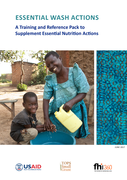
The Essential WASH Actions toolkit expands the connection between WASH and nutrition. This resource offers a comprehensive set of essential WASH actions, references training materials for health workers, nutrition managers and community workers to build capacity, and outlines accompanying behaviors
...
needed to support the Essential Nutrition Actions.
more

The 2010-2011 National Annual Report on HIV program presents the progress in implementing the strategies and activities articulated in the National Strategic Plan on HIV and AIDS 2009-2012 commonly referred to as the HIV NSP. The report presents consolidated information regarding the outputs in the
...
second year of implementing the four year strategy. This report will serve to inform the Mid Term Review of the HIV NSP 2009-2012.
more

The 2011-2012 National Annual Report on HIV program presents the progress in implementing the strategies and activities articulated in the National Strategic Plan on HIV and AIDS 2009-2012, commonly referred to as the HIV NSP.

This policy will serve as a cornerstone from which to address the accessibility of Family Planning services and to encourage its integration with services for HIV/AIDS, maternal health, child health, and other development initiatives. This policy is timely, as Rwanda is embarking on the introduction
...
of community-based provision of Family Planning through community health workers. In addition, the expansion of adolescent sexual and reproductive health programs is a pillar of this policy that will help attract and retain the next generation of Family Planning users. These efforts are anticipated to trigger a paradigm change in the way Family Planning services are provided and accessed in order to contribute towards a healthy and productive Rwanda for all.
more

This report highlights key achievements registered by the Ministry of Health, affiliated institutions, implementing agencies both at central and decentralized levels in 2013-2014. Generally, the Health Sector accomplishments and programs routine data for 2013-2014 confirm that Rwanda maintains its p
...
rogress towards the realization of health-related MDGs and national health targets as well.
more

Rwanda’s fourth health sector strategic plan (HSSP4) is meant to provide the health sector with a Strategic Plan that will highlight its commitments and priorities for the coming 6 years. It will be fully integrated in the overall economic development plan of the Government. HSSP4 will fulfill the
...
country’s commitment expressed in the national constitution, National Strategy for Transformation (NST) and the aspirations of the Health Sector Policy 2015. The strategies herein adhere to the Universal Health Coverage (UHC) principles towards realisation of the Sustainable Development Goals (SDGs). HSSP4 therefore lays a foundation for Vision 2050 (“The Rwanda We Want”), which will transform Rwanda into a high-income country by 2050. HSSP4 anticipates the epidemiological transition of the country, the increase in population and life expectancy and the expected increase of the health needs of the elderly, notably in Non Communicable Diseases (NCDs). HSSP4 also anticipates a decrease in external financial inflows, hence it is imperative to build secure / resilient health systems.
more

This report outlines the Ministry of Health’s National Health Research Agenda in which it identifies research priorities in health. It will be implemented in the same time frame as the Health Sector Strategic Plain 2012-2018. The Ministry of Health being the implementing agency of this document, i
...
s calling upon all partners, relevant ministries, higher learning institutions, students, development partners, etc to embrace this research agenda and ensure that researches conducted in Rwanda address priority areas identifies.
more

The Third Rwandan Health Sector Strategic Plan (HSSP III) provides strategic guidance to the health sector for six years, between July 2012 and June 2018. HSSP III has been inspired and guided by the VISION 2020, which will make Rwanda a lower-middle-income country by 2020; the Rwandan Health Policy
...
of 2004; and the priorities set out by the Economic Development and Poverty Reduction Strategy (EDPRS 2008–2012).
more

In recent years, Rwanda has been on the fast track to achieve major health improvements for its entire population. With the support of government agencies and various non-governmental partners, the Ministry of Health (MoH) has endeavored to decentralize Rwanda’s health system and bring health serv
...
ices closer to the people. Guided by multitude of national and international development frameworks, Rwanda’s healthcare successes include the establishment of a community health insurance scheme (mutuelle de santé), a system of cooperative-financed community health workers in every village, and interventions for researching, preventing, and treating diseases like HIV/AIDS, TB, and malaria.
As the MoH continues to design innovative means to reach and surpass its prescribed health outcome targets, it will hold as core principles the integration of service provision, the increase in healthcare capacity, and the attainment of sustainable funding sources. Rwanda is committed to achieving the Millennium Development Goals by 2015 and has declared Family Planning (FP) a national priority for poverty reduction and socioeconomic development of the country. Modern contraceptive use has more than quadrupled from 2005 to 2010, rising from 10% to 45%, but the government’s Economic Development and Poverty Reduction Strategy calls for an increase the modern contraceptive prevalence to 70% by 2016. While structural changes in health care and supply chains have led to noteworthy improvements in FP and other services, there are still many challenges that must be overcome. As such, a strategic plan is needed to coordinate FP efforts around a well-defined set of objectives and responsibilities.
more

The Ministry of Health has developed the first version of the Service Standards and Service Delivery Standards for the health sector in Uganda. The main objective is to provide a common understanding of what is expected by the public, service users and service providers in ensuring provision of cons
...
istently high quality service delivery. These standards also provide a roadmap for improving the quality, safety and reliability of healthcare in Uganda.
The application of these standards is expected to improve transparency and accountability in service delivery; fairness and equity in service provision; building a culture of quality management; regulation, management and control of public and private providers; and management of expectations of service recipients. more
The application of these standards is expected to improve transparency and accountability in service delivery; fairness and equity in service provision; building a culture of quality management; regulation, management and control of public and private providers; and management of expectations of service recipients. more

Every Newborn: an action plan to end preventable deaths is a roadmap for change. It takes forward the Global Strategy for Women’s and Children’s Health by focusing specific attention on newborn health and identifying actions for improving their survival, health and development.

In 2014, the Ministry of Health (MOH) in Malawi conducted a nationwide assessment of emergency obstetric and newborn care (EmONC) services. This cross-sectional facility-based survey used 10 data collection modules. Data collection began on 23rd September 2014 and concluded on 17th October 2014, in
...
all 28 districts. Facilities in both the public and private sector (for-profit and not-for-profit) were included. Since the focus of the assessment was obstetric and newborn care, health facilities that did not offer maternal and newborn health (MNH) services were not selected. In all districts, a census of all hospitals and a 60 percent random sample of health centres that ought to have performed deliveries in the previous year yielded a total of 365 facilities: 87 hospitals and 278 health centres. All these facilities were visited during the assessment. During analysis, weighting procedures were applied to extrapolate results to the district and national level, representing all 87 hospitals and 464 health centres. Such weighting was necessary as a stratified random sample of health centres was taken and weighting applied to all indicators and presentations that have health facility as a unit of measurement. Case reviews and provider’s interviews, on the other hand, are not weighted as their sampling strategy is based on convenience.
more

It is the policy of the GoR to ensure that children’s rights are met through the provision of basic needs and services for all children in the country, and protect them from abuse and exploitation. Children are defined as persons below the age of 18 years and the ICRP covers children from the time
...
before their birth until they complete the age of 18 years. The Integrated Child Rights Policy of Rwanda is based on seven key themes: Identity and Nationality; Family and Alternative Care; Survival, Health and Standards of Living; Education; Protection; Justice; and Child Participation.
more

During the implementation of the National Strategic Plan 2009–2012 on HIV and AIDS, Rwanda has continued its progress towards universal access to HIV and AIDS services. The new HIV and AIDS National Strategic Plan July 2013–June 2018 (thereafter referred to as ‘the NSP’) presented here is se
...
t on pursuing the same objective, with inspiration from the global targets of “zero new HIV infections, zero HIV-related deaths and zero stigma and discrimination due to HIV”.
more
