
Filter
2930
Text search:
scale-up
Featured
194
863
Language
2840
65
48
47
30
19
19
9
3
2
2
2
2
1
1
1
1
1
1
1
1
1
1
1
1
1
1
1
1
1
1
1
1
1
1
1
1
1
1
Document type
1779
509
232
170
101
52
41
24
8
8
4
1
1
Countries
142
108
100
86
83
82
73
70
67
63
63
60
57
55
53
50
49
45
43
38
35
34
30
29
27
25
24
24
24
23
23
23
23
22
21
21
19
19
19
18
18
16
16
13
11
11
11
11
10
9
8
7
7
7
7
7
7
6
6
6
6
6
5
5
5
4
4
4
4
4
3
3
3
3
3
3
3
3
3
2
2
2
2
2
2
2
2
2
2
2
2
1
1
1
1
1
1
1
1
1
1
1
1
1
1
1
1
1
1
1
1
1
1
1
1
1
1
1
Authors & Publishers
357
174
164
120
105
83
81
59
41
25
25
23
21
19
19
18
18
17
17
16
16
15
15
15
15
15
14
14
13
13
13
13
13
13
12
12
11
11
11
11
11
11
10
10
10
10
9
9
9
9
9
9
9
8
8
8
8
8
8
8
7
7
7
7
7
7
7
7
7
7
7
6
6
6
6
6
6
6
6
6
6
6
6
6
6
6
6
6
6
5
5
5
5
5
5
5
5
5
5
5
5
5
5
5
5
4
4
4
4
4
4
4
4
4
4
4
4
4
4
4
4
4
4
4
4
4
4
4
4
4
4
4
4
4
4
4
4
4
4
4
4
4
4
4
3
3
3
3
3
3
3
3
3
3
3
3
3
3
3
3
3
3
3
3
3
3
3
3
3
3
3
3
3
3
3
3
3
3
3
3
3
3
3
3
3
3
3
3
3
3
3
3
3
3
3
3
3
3
3
3
3
3
3
3
3
3
3
3
3
3
3
3
3
3
3
3
3
3
3
3
3
3
3
3
3
3
3
3
3
2
2
2
2
2
2
2
2
2
2
2
2
2
2
2
2
2
2
2
2
2
2
2
2
2
2
2
2
2
2
2
2
2
2
2
2
2
2
2
2
2
2
2
2
2
2
2
2
2
2
2
2
2
2
2
2
2
2
2
2
2
2
2
2
2
2
2
2
2
2
2
2
2
2
2
2
2
2
2
2
2
2
2
2
2
2
2
2
2
2
2
2
2
2
2
2
2
2
2
2
2
2
2
2
2
2
2
2
2
2
2
2
2
2
2
2
2
2
2
2
2
2
2
2
2
2
2
2
2
2
2
2
2
2
2
2
2
2
2
2
2
2
2
2
2
2
2
2
2
2
2
2
2
2
2
2
2
2
2
2
2
2
2
2
2
2
2
2
2
2
2
2
2
2
2
2
2
2
2
2
2
2
2
2
2
2
2
2
2
2
2
2
2
2
2
2
2
2
2
2
2
1
1
1
1
1
1
1
1
1
1
1
1
1
1
1
1
1
1
1
1
1
1
1
1
1
1
1
1
1
1
1
1
1
1
1
1
1
1
1
1
1
1
1
1
1
1
1
1
1
1
1
1
1
1
1
1
1
1
1
1
1
1
1
1
1
1
1
1
1
1
1
1
1
1
1
1
1
1
1
1
1
1
1
1
1
1
1
1
1
1
1
1
1
1
1
1
1
1
1
1
1
1
1
1
1
1
1
1
1
1
1
1
1
1
1
1
1
1
1
1
1
1
1
1
1
1
1
1
1
1
1
1
1
1
1
1
1
1
1
1
1
1
1
1
1
1
1
1
1
1
1
1
1
1
1
1
1
1
1
1
1
1
1
1
1
1
1
1
1
1
1
1
1
1
1
1
1
1
1
1
1
1
1
1
1
1
1
1
1
1
1
1
1
1
1
1
1
1
1
1
1
1
1
1
1
1
1
1
1
1
1
1
1
1
1
1
1
1
1
1
1
1
1
1
1
1
1
1
1
1
1
1
1
1
1
1
1
1
1
1
1
1
1
1
1
1
1
1
1
1
1
1
1
1
1
1
1
1
1
1
1
1
1
1
1
1
1
1
1
1
1
1
1
1
1
1
1
1
1
1
1
1
1
1
1
1
1
1
1
1
1
1
1
1
1
1
1
1
1
1
1
1
1
1
1
1
1
1
1
1
1
1
1
1
1
1
1
1
1
1
1
1
1
1
1
1
1
1
1
1
1
1
1
1
1
1
1
1
1
1
1
1
1
1
1
1
1
1
1
1
1
1
1
1
1
1
1
1
1
1
1
1
1
1
1
1
1
1
1
1
1
1
1
1
1
1
1
1
1
1
1
1
1
1
1
1
1
1
1
1
1
1
1
1
1
1
1
1
1
1
1
1
1
1
1
1
1
1
1
1
1
1
1
1
1
1
1
1
1
1
1
1
1
1
1
1
1
1
1
1
1
1
1
1
1
1
1
1
1
1
1
1
1
1
1
1
1
1
1
1
1
1
1
1
1
1
1
1
1
1
1
1
1
1
1
1
1
1
1
1
1
1
1
1
1
1
1
1
1
1
1
1
1
1
1
1
1
1
1
1
1
1
1
1
1
1
1
1
1
1
1
1
1
1
1
1
1
1
1
1
1
1
1
1
1
1
1
1
1
1
1
1
1
1
1
1
1
1
1
1
1
1
1
1
1
1
1
1
1
1
1
1
1
1
1
1
1
1
1
1
1
1
1
1
1
1
1
1
1
1
1
1
1
1
1
1
1
1
1
1
1
1
1
1
1
1
1
1
1
1
1
1
1
1
1
1
1
1
1
1
1
1
1
1
1
1
1
1
1
1
1
1
1
1
1
1
1
1
1
1
1
1
1
1
1
1
1
1
1
1
1
1
1
1
1
1
1
1
1
1
1
1
1
1
1
1
1
1
1
1
1
1
1
1
1
1
1
1
1
1
1
1
1
1
1
1
1
1
1
1
1
1
1
1
1
1
1
1
1
1
1
1
1
1
1
1
1
1
1
1
1
1
1
1
1
1
1
1
1
1
1
1
1
1
1
1
1
1
1
1
1
1
1
1
1
1
1
1
1
1
1
1
1
1
1
1
1
1
1
1
1
1
1
1
1
1
1
1
1
1
1
1
1
1
1
1
1
1
1
1
1
1
1
1
1
1
1
1
1
1
1
1
1
1
1
1
1
1
1
1
1
1
1
1
1
1
1
1
1
1
1
1
1
1
1
1
1
1
1
1
1
1
1
1
1
1
1
1
1
1
1
1
1
1
1
1
1
1
1
1
1
1
1
1
1
1
1
1
1
1
1
1
1
1
1
1
1
1
1
1
1
1
1
1
1
1
1
1
1
1
1
1
1
1
1
1
1
1
1
1
1
1
1
1
1
1
1
1
1
1
1
1
1
1
1
1
1
1
1
1
1
1
1
1
1
1
1
1
1
1
1
1
1
1
1
1
1
1
1
1
1
1
1
1
1
1
1
1
1
1
1
1
1
1
1
1
1
1
1
1
1
1
1
1
1
1
1
1
1
1
1
1
1
1
1
1
1
1
1
1
1
1
1
1
1
1
1
1
1
1
1
1
1
1
1
1
1
1
1
1
1
1
1
1
1
1
1
1
1
1
1
1
1
1
1
1
1
1
1
1
1
1
1
1
1
1
1
1
1
1
1
1
1
1
1
1
1
1
1
1
1
1
1
1
1
1
1
1
1
1
1
1
1
1
1
1
1
1
1
1
1
1
1
1
1
1
1
1
1
1
1
1
1
1
1
1
1
1
1
1
1
1
1
1
1
1
1
1
1
1
1
1
1
1
1
1
1
1
1
1
1
1
1
1
1
1
1
1
1
1
1
1
1
1
1
1
1
1
1
1
1
1
1
1
1
1
1
1
1
1
1
1
1
1
1
1
1
1
1
1
1
1
1
1
1
1
1
1
1
1
1
1
1
1
1
1
1
1
1
1
1
1
1
1
1
1
1
1
1
1
1
1
1
1
1
1
1
1
1
1
1
1
1
1
1
1
1
1
1
1
1
1
1
1
1
1
1
1
1
1
1
1
1
1
1
1
1
1
1
1
1
1
1
1
1
1
1
1
1
1
1
1
1
1
1
1
1
1
1
1
1
1
1
1
1
1
1
1
1
1
1
1
1
1
1
1
1
1
1
1
1
1
1
1
1
1
1
1
1
1
1
1
1
1
1
1
1
1
1
1
1
1
1
1
1
1
1
1
1
1
1
1
1
1
1
1
1
1
1
1
1
1
1
1
1
1
1
1
1
1
1
1
1
1
1
1
1
1
1
1
1
1
1
1
1
1
1
1
1
1
1
1
1
1
1
1
1
1
1
1
1
1
1
1
1
1
1
1
1
1
1
1
1
1
1
1
1
1
1
1
1
1
1
1
1
1
1
1
1
1
1
1
1
1
1
1
1
1
1
1
1
1
1
1
1
1
1
1
1
1
1
1
1
1
1
1
1
1
1
1
1
1
1
1
1
1
1
1
1
1
1
1
1
1
1
1
1
1
1
1
1
1
1
1
1
1
1
1
1
1
1
1
1
1
1
1
1
1
1
1
1
1
1
1
1
1
1
1
1
1
1
1
1
1
1
1
1
1
1
1
1
1
1
1
1
1
1
1
1
1
1
1
1
1
1
1
1
1
1
1
1
1
1
1
1
1
1
1
1
1
1
1
1
1
1
1
1
1
1
1
1
1
1
1
1
1
1
1
1
1
1
1
1
1
1
1
1
1
1
1
1
1
1
1
1
1
1
1
1
1
1
1
1
1
1
1
1
1
1
1
1
1
1
1
1
1
1
1
1
1
1
1
1
1
1
1
1
1
1
1
1
1
1
1
1
1
1
1
1
1
1
1
1
1
1
1
1
1
1
1
1
1
1
1
1
1
1
1
1
1
1
1
1
1
1
1
1
1
1
1
1
1
1
1
1
1
1
1
1
1
1
1
1
1
1
1
1
1
1
1
1
1
1
1
1
1
1
1
1
1
1
1
1
1
1
1
1
1
1
1
1
1
1
1
1
1
1
1
1
1
1
1
1
1
1
1
1
1
1
1
1
1
1
1
1
1
1
1
1
1
1
1
1
1
1
1
1
1
1
1
1
1
1
1
1
1
1
1
1
1
1
1
1
1
1
1
1
1
1
1
1
1
1
1
1
1
1
1
1
1
1
1
1
1
1
1
1
1
1
1
1
1
1
1
1
1
1
1
1
1
1
1
1
1
1
1
1
1
1
1
1
1
1
1
1
1
1
1
1
1
1
1
1
1
1
1
1
1
1
1
1
1
1
1
1
1
1
1
1
1
1
1
1
1
1
1
1
1
1
1
1
1
1
1
1
1
1
1
1
1
1
1
1
1
1
1
1
1
1
1
1
1
1
1
1
1
1
1
1
1
1
1
1
1
1
1
1
1
1
1
1
1
1
1
1
1
1
1
1
1
1
1
1
1
1
1
1
1
1
1
1
1
1
1
1
1
1
1
1
1
1
1
1
1
1
1
1
1
1
1
1
1
1
1
1
1
1
1
1
1
1
1
1
1
1
1
1
1
1
1
1
1
1
1
1
1
1
1
1
1
1
1
1
1
1
1
1
1
1
1
1
1
1
1
1
1
1
1
1
1
1
1
1
1
1
1
1
1
1
1
1
1
1
1
1
1
1
1
1
1
1
1
1
1
1
1
1
1
1
1
1
1
1
1
1
1
1
1
1
1
1
1
1
1
1
1
1
1
1
1
1
1
1
1
1
1
1
1
1
1
1
1
1
1
1
1
1
1
1
1
1
1
1
1
1
1
1
1
1
1
1
1
1
1
1
1
1
1
1
1
1
1
1
1
1
1
1
1
1
1
1
1
1
1
Publication Years
785
2021
123
1
Category
1265
160
156
135
90
45
18
1
Toolboxes
472
215
194
139
93
70
67
51
51
46
43
41
40
39
38
38
31
19
18
14
10
1
1
1
Small drinking-water supplies commonly experience operational, managerial, technical and resourcing challenges that impact their ability to deliver safe and reliable services. The needs and opportunities associated with these supplies therefore warrant explicit consideration in policies and regulati
...
ons.
These Guidelines, specifically tailored to small water supplies, build on over 60 years of guidance by the World Health Organization (WHO) on drinking-water quality and safety. They focus on establishing drinking-water quality regulations and standards that are health based and context appropriate; on proactively managing risks through water safety planning and sanitary inspections; and on carrying out independent surveillance. The guidance is intended primarily for decision-makers at national and subnational levels with responsibility for developing regulatory frameworks and support programmes related to these activities. Other stakeholders involved in water service provision will also benefit from the guidance in this document.
Designed to be practical and accessible, these Guidelines offer clear guidance that is rooted in the principle of progressive improvement. State-of-the-art recommendations and implementation guidance are provided, drawn from a comprehensive evidence review and established good practices. Additionally, case examples are provided from countries and areas around the world to demonstrate how the guidance in this publication has been implemented in practice in a wide variety of contexts.
Together with WHO’s 2024 Sanitary inspection packages – a supporting tool for the Guidelines for drinking-water quality: small water supplies, these Guidelines update and supersede WHO’s 1997 Guidelines for drinking-water quality. Volume 3: surveillance and control of community supplies. Key changes to this updated publication include a greater focus on preventive risk management and a broader range of small water supplies covered, including those managed by households, communities and professional entities.
more

WHO today released its first roadmap to tackle postpartum haemorrhage (PPH) – defined as excessive bleeding after childbirth - which affects millions of women annually and is the world’s leading cause of maternal deaths.
Despite being preventable and treatable, PPH results in around 70 000 de
...
aths every year. For those who survive, it can cause disabilities and psychological trauma that last for years.
“Severe bleeding in childbirth is one of the most common causes of maternal mortality, yet it is highly preventable and treatable,” said Dr Tedros Adhanom Ghebreyesus, WHO Director-General. “This new roadmap charts a path forward to a world in which more women have a safe birth and a healthy future with their families.”
The Roadmap aims to help countries address stark differences in survival outcomes from PPH, which reflect major inequities in access to essential health services. Over 85% of deaths from PPH happen in sub-Saharan Africa and South Asia. Risk factors include anaemia, placental abnormalities, and other complications in pregnancy such as infections and pre-eclampsia.
Many risk factors can be managed if there is quality antenatal care, including access to ultrasound, alongside effective monitoring in the hours after birth. If bleeding starts, it also needs to be detected and treated extremely quickly. Too often, however, health facilities lack necessary healthcare workers or resources, including lifesaving commodities such as oxytocin, tranexamic acid or blood for transfusions.
“Addressing postpartum haemorrhage needs a multipronged approach focusing on both prevention and response - preventing risk factors and providing immediate access to treatments when needed - alongside broader efforts to strengthen women’s rights,” said Dr Pascale Allotey, WHO Director for Sexual and Reproductive Health and HRP, the UN’s special programme on research development and training in human reproduction. “Every woman, no matter where she lives, should have access to timely, high quality maternity care, with trained health workers, essential equipment and shelves stocked with appropriate and effective commodities – this is crucial for treating postpartum bleeding and reducing maternal deaths.”
more
Ethiopia saw a six-fold increase in confirmed COVID-19 cases between June and August, with 5,689 cases by end June compared to 34,058 cases as of 19 August. Ethiopia also registered more than 13,000 recoveries and more than 600 deaths. As of the last week of August, Ethiopia was leading eastern Afri
...
can countries with the highest number of cases.
more
Sepsis contributes significantly to preventable mortality and is the final common pathway to death for severe infectious diseases; it can also arise as a complication of injuries and non-communicable diseases.
Zoonotic tuberculosis (TB) is a form of TB in people predominantly caused by the bacterial species, Mycobacterium bovis, which belongs to the M. tuberculosis complex. The implications of zoonotic TB go beyond human health. The organism is host-adapted to cattle, where it is refer
...
red to as bovine TB, and it also causes TB in other animal species including wildlife. Bovine TB has an important economic impact and threatenslivelihoods.
more
Integrated Management of Acute Malnutrition National Guidelines
The Guidelines on promotive and preventive mental health interventions for adolescents - Helping Adolescents thrive (HAT), provide evidence-informed recommendations on psychosocial interventions to promote mental health, prevent mental disorders, and reduce self-harm and other risk behaviours among
...
adolescents.
The HAT Guidelines aims to inform policy development, service planning and the strengthening of health and education systems, and facilitate mainstreaming of adolescent mental health promotion and prevention strategies across sectors and delivery platforms.
more

Available in Arabic, Chinese, English, French, Portuguese and Spanish
https://apps.who.int/iris/handle/10665/334254
The report examines how people with mental health conditions are often shackled by families in their own homes or in overcrowded and unsanitary institutions, against their will, due to widespread stigma and a lack of mental health services.
Many are forced to eat, sleep, urinate, and defecate in t
...
he same tiny area. In state-run or private institutions, as well as traditional or religious healing centers, they are often forced to fast, take medications or herbal concoctions, and face physical and sexual violence. The report includes field research and testimonies from Afghanistan, Burkina Faso, Cambodia, China, Ghana, Indonesia, Kenya, Liberia, Mexico, Mozambique, Nigeria, Sierra Leone, Palestine, the self-declared independent state of Somaliland, South Sudan, and Yemen.
more
Bull World Health Organ 2018;96:450–461 | doi: http://dx.doi.org/10.2471/BLT.17.206466
The aim of our study was to determine whether an intervention designed
to involve the male partners of pregnant women in Burkina Faso in facility-based maternity care influences care-seeking and healthy practi
...
ces after childbirth.
more
Updated version – September 2020
The COVID-19 pandemic is affecting everyone. Globally, millions of people have been infected with the virus, while hundreds of thousands have lost their lives. In Moldova, the pandemic is placing an ever-increasing pressure on the health care and social protectio
...
n systems, causing major disruptions to economic processes and limitations to social life, deepening inequalities and proving how vulnerable we are.
more
Under the theme Equity at the Heart of Health, this Plan seeks to catalyze efforts in Member States to reduce inequities in health within and between countries and territories in order to improve health outcomes. The Plan identifies specific actions to tackle health inequality, including those recom
...
mended by the Commission on Equity and Health Inequalities in the Americas, with guidance from the High-level Commission for Universal Health. Four cross-cutting themes are central to this Plan’s approach to addressing the determinants of health: equity, gender, ethnicity, and human rights
more
As of 31 October 2020 This is the tenth edition of this summary of rapid systematic reviews, which includes the results of a rapid systematic review of currently available literature. More than 200 therapeutic options or their combinations are being investigated in more than 1,700 clinical trials. I
...
n this review, 46 therapeutic options are examined. The Pan American Health Organization (PAHO) is continually monitoring ongoing research on any possible therapeutic options. As evidence emerges, then PAHO will immediately assess and update its position, and particularly as it applies to any special sub-group populations such as children, expectant mothers, those with immune conditions, etc.
more
Available in Arabic, Chinese, English, French, Portuguese, Russian and Spanish
https://apps.who.int/iris/handle/10665/334254
Available in Arabic, Chinese, English, French, Portuguese, Russian and Spanish
https://apps.who.int/iris/handle/10665/334254
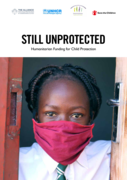
Children living in humanitarian crises face an increased risk of abuse. While the threats of harm are increasing, the established systems in place to protect them are breaking down. Faced with the COVID-19 pandemic and its impacts, vulnerable families suffer multiple hardships. Schools are closed an
...
d families have been pushed to the brink of poverty, sometimes having been denied the opportunity to protect and provide for their children.
The report provides an in-depth analysis of 19 Humanitarian Response Plans and Refugee Response Plans from 2019
more
The WHO country office for Ghana, began the year 2019 with a 4-day staff retreat at the Busua Beach Resort in the Western Region from 04 to 08 March 2019. The theme for the retreat was ‘Impacting the Health and Lives of the people of Ghana through the Triple Billion Goal”. The staff outlined pri
...
orities and strategies to strengthen WHO’s contribution to the national health agenda during the year. Working in collaboration with the Ministry of Health/Ghana Health Service and other allied health institutions and stakeholders, the WHO country office, provided support aimed at achieving its
mission which is attaining the highest level of health by the people in the country though its six operational areas which are (i) Communicable Diseases (ii) Non-Communicable Diseases, (iii) Promoting Health through the Life Course (iv), Health Systems, (v) Preparedness, Surveillance and Response (vi) Corporate services and enabling functions.
more
WHO‘s Global Strategy to Accelerate the Elimination of Cervical Cancer, launched today, outlines three key steps: vaccination, screening and treatment. Successful implementation of all three could reduce more than 40% of new cases of the disease and 5 million related deaths by 2050.
