
Filter
2578
Text search:
standard
precautions
Featured
377
620
Language
Document type
1259
560
294
232
105
48
32
13
13
6
5
4
2
Countries
119
114
65
53
51
50
48
44
41
38
35
35
30
29
26
25
23
22
20
20
20
19
16
16
16
16
16
16
15
14
13
13
13
13
12
11
9
8
8
8
7
6
6
6
6
6
6
6
5
5
5
5
5
4
4
4
4
4
4
4
4
4
4
3
3
3
3
3
2
2
2
2
2
2
2
2
2
2
2
2
2
2
2
2
2
1
1
1
1
1
1
1
1
1
1
1
1
1
1
1
1
1
1
1
1
1
Authors & Publishers
Publication Years
Category
670
391
219
193
159
78
77
2
1
1
Toolboxes
276
194
191
146
129
120
116
97
80
70
53
48
42
38
37
29
29
25
23
21
20
10
1
1
Technical Paper

Product:BDFACSCountTM InstrumentSystemwithFACSCountTM ControlKitandBD FACSCountTM CD4ReagentKit(AbsoluteandPercentageCD4+Counts)
Number: PQDx 0133-045-00
0133-045-00 WHO
PQDx PR
June/2016, version 2.0

PQDx 0197-045-00 WHO
PQDx PR
March /2016, version 2.0

PQDx 0181-031-00
WHO PQ Public Report
March/2017, version 3.0
Information Note
Advice for countries using or planning
to introduce dual HIV/syphilis RDT in antenatal services and other testing sites.
WHO/RHR/17.01
Policy
July 2012
Working Paper No. 3
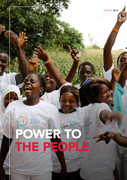
The report shows that where people and communities living with and affected by HIV are engaged in decision-making and HIV service delivery, new infections decline and more people living with HIV gain access to treatment. When people have the power to choose, to know, to thrive, to demand and to work
...
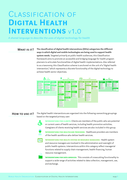
The classification of digital health interventions (DHIs) categorizes the different ways in which digital and mobile technologies are being used to support health system needs. Historically, the diverse communities working in digital health—including government stakeholders, technologists, clinic
...
Accessed Febr. 6, 2020
The following protocol has been designed to investigate the First Few X cases (FFX) and their close contacts. It is envisioned that the FFX 2019-nCoV investigation will be conducted across several countries or sites with geographical and demographical diversity. Using a standardized protocol such a
...
Household transmission investigation protocol for 2019-novel coronavirus (2019-nCoV) infection
recommended
The household transmission investigation is a case-ascertained prospective study of all identified household contacts of a laboratory confirmed 2019-nCoV infection (see 2.2 Study population). It is intended to provide rapid and early information on the clinical, epidemiological and virological chara
...
UNAIDS / 2019 Guidance
