
Filter
2452
Text search:
health
worker
distribution
Featured
243
830
Language
2402
48
21
18
17
8
7
4
3
2
2
2
2
2
2
2
2
2
1
1
1
1
1
1
1
1
1
1
1
Document type
1652
308
241
97
81
37
15
14
3
2
1
1
Countries
159
98
90
88
79
72
70
70
62
57
55
53
47
43
40
37
35
29
29
28
27
27
22
21
20
17
17
16
16
15
15
15
12
12
11
11
11
11
10
10
9
9
7
6
6
5
5
5
5
5
5
4
4
4
4
4
3
3
3
3
3
3
3
3
3
3
2
2
2
2
2
2
2
2
2
2
1
1
1
1
1
1
1
1
1
1
1
1
1
1
1
1
1
1
1
1
Authors & Publishers
270
143
106
77
63
55
50
47
46
24
19
17
16
16
16
15
14
13
12
12
12
11
11
11
11
10
10
10
10
10
9
9
9
9
9
8
8
8
7
7
7
7
7
7
6
6
6
6
6
6
6
6
6
6
6
6
6
6
5
5
5
5
5
5
5
5
5
5
5
5
5
5
5
5
5
5
4
4
4
4
4
4
4
4
4
4
4
4
4
4
4
4
4
4
4
4
4
4
4
4
4
4
4
4
4
4
4
4
3
3
3
3
3
3
3
3
3
3
3
3
3
3
3
3
3
3
3
3
3
3
3
3
3
3
3
3
3
3
3
3
3
3
3
3
3
3
3
3
3
3
3
3
3
3
3
3
3
2
2
2
2
2
2
2
2
2
2
2
2
2
2
2
2
2
2
2
2
2
2
2
2
2
2
2
2
2
2
2
2
2
2
2
2
2
2
2
2
2
2
2
2
2
2
2
2
2
2
2
2
2
2
2
2
2
2
2
2
2
2
2
2
2
2
2
2
2
2
2
2
2
2
2
2
2
2
2
2
2
2
2
2
2
2
2
2
2
2
2
2
2
2
2
2
2
2
2
2
2
2
2
2
2
2
2
2
2
2
2
2
2
2
2
2
2
2
2
2
2
2
2
2
2
2
2
2
2
2
2
2
2
2
2
2
2
2
2
2
2
2
2
2
2
2
2
2
2
2
2
2
2
2
2
2
2
2
2
2
2
2
2
2
2
2
2
2
2
2
2
2
1
1
1
1
1
1
1
1
1
1
1
1
1
1
1
1
1
1
1
1
1
1
1
1
1
1
1
1
1
1
1
1
1
1
1
1
1
1
1
1
1
1
1
1
1
1
1
1
1
1
1
1
1
1
1
1
1
1
1
1
1
1
1
1
1
1
1
1
1
1
1
1
1
1
1
1
1
1
1
1
1
1
1
1
1
1
1
1
1
1
1
1
1
1
1
1
1
1
1
1
1
1
1
1
1
1
1
1
1
1
1
1
1
1
1
1
1
1
1
1
1
1
1
1
1
1
1
1
1
1
1
1
1
1
1
1
1
1
1
1
1
1
1
1
1
1
1
1
1
1
1
1
1
1
1
1
1
1
1
1
1
1
1
1
1
1
1
1
1
1
1
1
1
1
1
1
1
1
1
1
1
1
1
1
1
1
1
1
1
1
1
1
1
1
1
1
1
1
1
1
1
1
1
1
1
1
1
1
1
1
1
1
1
1
1
1
1
1
1
1
1
1
1
1
1
1
1
1
1
1
1
1
1
1
1
1
1
1
1
1
1
1
1
1
1
1
1
1
1
1
1
1
1
1
1
1
1
1
1
1
1
1
1
1
1
1
1
1
1
1
1
1
1
1
1
1
1
1
1
1
1
1
1
1
1
1
1
1
1
1
1
1
1
1
1
1
1
1
1
1
1
1
1
1
1
1
1
1
1
1
1
1
1
1
1
1
1
1
1
1
1
1
1
1
1
1
1
1
1
1
1
1
1
1
1
1
1
1
1
1
1
1
1
1
1
1
1
1
1
1
1
1
1
1
1
1
1
1
1
1
1
1
1
1
1
1
1
1
1
1
1
1
1
1
1
1
1
1
1
1
1
1
1
1
1
1
1
1
1
1
1
1
1
1
1
1
1
1
1
1
1
1
1
1
1
1
1
1
1
1
1
1
1
1
1
1
1
1
1
1
1
1
1
1
1
1
1
1
1
1
1
1
1
1
1
1
1
1
1
1
1
1
1
1
1
1
1
1
1
1
1
1
1
1
1
1
1
1
1
1
1
1
1
1
1
1
1
1
1
1
1
1
1
1
1
1
1
1
1
1
1
1
1
1
1
1
1
1
1
1
1
1
1
1
1
1
1
1
1
1
1
1
1
1
1
1
1
1
1
1
1
1
1
1
1
1
1
1
1
1
1
1
1
1
1
1
1
1
1
1
1
1
1
1
1
1
1
1
1
1
1
1
1
1
1
1
1
1
1
1
1
1
1
1
1
1
1
1
1
1
1
1
1
1
1
1
1
1
1
1
1
1
1
1
1
1
1
1
1
1
1
1
1
1
1
1
1
1
1
1
1
1
1
1
1
1
1
1
1
1
1
1
1
1
1
1
1
1
1
1
1
1
1
1
1
1
1
1
1
1
1
1
1
1
1
1
1
1
1
1
1
1
1
1
1
1
1
1
1
1
1
1
1
1
1
1
1
1
1
1
1
1
1
1
1
1
1
1
1
1
1
1
1
1
1
1
1
1
1
1
1
1
1
1
1
1
1
1
1
1
1
1
1
1
1
1
1
1
1
1
1
1
1
1
1
1
1
1
1
1
1
1
1
1
1
1
1
1
1
1
1
1
1
1
1
1
1
1
1
1
1
1
1
1
1
1
1
1
1
1
1
1
1
1
1
1
1
1
1
1
1
1
1
1
1
1
1
1
1
1
1
1
1
1
1
1
1
1
1
1
1
1
1
1
1
1
1
1
1
1
1
1
1
1
1
1
1
1
1
1
1
1
1
1
1
1
1
1
1
1
1
1
1
1
1
1
1
1
1
1
1
1
1
1
1
1
1
1
1
1
1
1
1
1
1
1
1
1
1
1
1
1
1
1
1
1
1
1
1
1
1
1
1
1
1
1
1
1
1
1
1
1
1
1
1
1
1
1
1
1
1
1
1
1
1
1
1
1
1
1
1
1
1
1
1
1
1
1
1
1
1
1
1
1
1
1
1
1
1
1
1
1
1
1
1
1
1
1
1
1
1
1
1
1
1
1
1
1
1
1
1
1
1
1
1
1
1
1
1
1
1
1
1
1
1
1
1
1
1
1
1
1
1
1
1
1
1
1
1
1
1
1
1
1
1
1
1
1
1
1
1
1
1
1
1
1
1
1
1
1
1
1
1
1
1
1
1
1
1
1
1
1
1
1
1
1
1
1
1
1
1
1
1
1
1
1
1
1
1
1
1
1
1
1
1
1
1
1
1
1
1
1
1
1
1
1
1
1
1
1
1
1
1
1
1
1
1
1
1
1
1
1
1
1
1
1
1
1
1
1
1
1
1
1
1
1
1
1
1
1
1
1
1
1
1
1
1
1
1
1
1
1
1
1
1
1
1
1
1
1
1
1
1
1
1
1
1
1
1
1
1
1
1
1
1
1
1
1
1
1
1
1
1
1
1
1
1
1
1
1
1
1
1
1
1
1
1
1
1
1
1
1
1
1
1
1
1
1
1
1
1
1
1
1
1
1
1
1
1
1
1
1
1
1
1
1
1
1
1
1
1
1
1
1
1
1
1
1
1
1
1
1
1
1
1
1
1
1
1
1
1
1
1
1
1
1
1
1
1
1
1
1
1
1
1
1
1
1
1
1
1
1
1
1
1
1
1
1
1
1
1
1
1
1
1
1
1
1
1
1
1
1
1
1
1
1
1
1
1
1
1
1
1
1
1
1
1
1
1
1
1
1
1
1
1
1
1
1
1
1
1
1
1
1
1
1
1
1
1
1
1
1
1
1
1
1
1
1
1
1
1
1
1
1
1
1
1
1
1
1
1
1
1
1
1
1
1
1
1
1
1
1
1
1
1
1
1
1
1
1
1
1
1
1
1
1
1
1
1
1
1
1
1
1
1
1
1
1
1
1
1
1
1
1
1
1
1
1
1
1
1
1
1
1
1
1
1
1
1
1
1
1
1
1
1
1
1
1
1
1
1
1
1
1
1
1
1
1
1
1
1
1
1
1
1
1
1
1
1
1
1
1
1
1
1
1
1
1
1
1
1
1
1
1
1
1
1
1
1
1
1
1
1
1
1
1
1
1
1
1
1
1
1
1
1
1
1
1
1
1
1
1
1
1
1
1
1
1
1
1
1
1
1
1
1
1
1
1
1
1
1
1
1
1
1
1
1
1
1
1
1
1
1
1
1
1
1
1
1
1
1
1
1
1
1
1
1
1
1
1
1
1
1
1
1
1
1
1
1
1
1
1
1
1
1
1
1
1
1
1
1
1
1
1
1
1
1
1
1
1
1
1
1
1
1
1
1
1
1
1
1
1
1
1
1
1
1
1
1
1
1
1
1
1
1
1
1
1
1
1
1
1
1
1
1
1
1
1
1
1
1
1
1
1
1
1
1
1
1
1
1
1
1
1
1
1
1
1
1
1
1
1
1
1
1
1
1
1
1
1
1
1
1
1
1
1
1
1
1
1
1
1
1
1
1
1
1
1
1
1
1
1
1
1
1
1
1
1
1
1
1
1
1
1
1
1
1
1
1
1
1
1
1
1
1
1
1
1
1
1
1
1
1
1
1
1
1
1
1
1
1
1
1
1
1
1
1
1
1
1
1
1
1
1
1
1
1
1
1
1
1
1
1
1
1
1
1
1
1
1
1
1
1
1
1
1
1
1
1
1
1
1
1
1
1
1
1
1
1
1
1
1
1
1
1
1
1
1
1
1
1
1
1
1
1
1
1
1
1
1
1
1
1
1
1
1
1
1
1
1
1
1
1
1
1
1
1
1
1
1
1
1
1
1
1
1
1
1
1
1
1
1
1
1
1
1
1
1
1
1
1
1
1
1
1
1
1
1
1
1
1
1
1
1
1
1
1
1
1
1
1
1
1
1
1
1
1
1
1
1
1
1
1
1
1
1
1
1
1
1
1
1
1
1
1
1
1
1
1
1
1
1
1
1
1
1
1
1
1
1
1
1
1
1
1
1
1
1
1
1
1
1
1
1
1
1
1
1
1
1
1
1
1
1
1
1
1
1
1
1
1
1
1
1
1
1
1
1
1
1
1
1
1
1
1
1
1
1
1
1
1
1
1
1
1
1
1
1
1
1
1
1
1
1
1
1
1
1
1
1
1
1
1
1
1
1
1
1
1
1
1
1
1
1
1
1
1
1
1
1
1
1
1
1
1
1
1
1
1
1
1
1
1
1
1
1
1
1
1
1
1
1
1
1
1
1
1
1
1
1
1
1
1
1
1
1
1
1
1
1
1
1
1
Publication Years
479
1682
279
12
Category
1194
177
143
141
75
46
14
1
Toolboxes
199
172
120
105
83
81
69
59
45
43
37
34
33
32
29
18
18
18
17
12
8
7
6
2
1
This paper examines how diaspora and local organisations have responded to the crisis in Syria, how they evolved and the challenges that they face - and how international aid organisations and disapora and local groups can better work together in a new aid model.
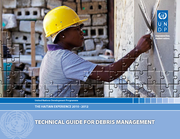
The building damage assessment, conducted between March 2010 and February 2011 by the Government of Haiti and the United Nations system, showed that more than 400,000 buildings were damaged or destroyed, of which approximately 218,000 could be occupied without repairs (green category), 105,000 were
...
damaged but could be repaired (yellow category), and 80,000 were severely damaged and remained uninhabitable (red category).
The destruction of buildings and infrastructure generated a huge amount of debris, estimated at 10 million cubic meters, blocking streets and land in affected areas. In the absence of a national debris management strategy, debris could, thus, be cleared and disposed of in an uncontrolled manner, hindering relief, recovery and reconstruction activities.
more
Approaches pratiques pour des interventions collaboratives
This EISF report provides an analysis of the issues surrounding the relationship between NGO’s and their local partners. It includes a section on the topic and its background, responsabilities towards the partner organisation and particularly in terms of security, how to enable and help the partne
...
r in developing a project from start to finish, the challenges of developing that capacity in the partner organisation. It also includes three anexes, namely a Partner Security Level Assessment, a Checklist of organisational security perspectives and Participants.
more
Security Risk Management and Religion: Faith and secularism in humanitarian assistance examines the impact that religion has on security risk management for humanitarian agencies, and considers whether a better understanding of religion can improve the security of organisations and individuals in th
...
e field.
more
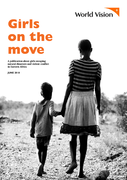
A publication about girls escaping natural disasters and violent conflict in Eastern Africa
Children are on the move. In East Africa region, it is estimated that over 5 million children have migrated across borders or been forcibly displaced in their own country.
Forcable displacement is p ... ushing more and more children out of their homes and communities, escaping the violence of war and conflict, only to fall vulnerable to other forms of violence. Girls are particularly vulnerable and need extra protection.
Every day, girls on the move in East Africa face a variety of rights violations, including:
• Exploitation and violence
• Being separated from their families
• Deprivation of essential services
• Use and recruitment by armed groups
• Sexual abuse
• Child marriage
This report highlights concerns that girls in eastern Africa face and calls on international and national decision makers to prevent and end violence that children face when they are forced to flee their homes. more
Children are on the move. In East Africa region, it is estimated that over 5 million children have migrated across borders or been forcibly displaced in their own country.
Forcable displacement is p ... ushing more and more children out of their homes and communities, escaping the violence of war and conflict, only to fall vulnerable to other forms of violence. Girls are particularly vulnerable and need extra protection.
Every day, girls on the move in East Africa face a variety of rights violations, including:
• Exploitation and violence
• Being separated from their families
• Deprivation of essential services
• Use and recruitment by armed groups
• Sexual abuse
• Child marriage
This report highlights concerns that girls in eastern Africa face and calls on international and national decision makers to prevent and end violence that children face when they are forced to flee their homes. more
Doc. No.: INS/GDL/001-(Annexes)
World Migration Report 2022
recommended
This World Migration Report 2018 is the ninth in the series. Since 2000, IOM has been producing world migration reports to contribute to increased understanding of migration throughout the world. This new edition presents key data and information on migration as well as thematic chapters on highly t
...
opical migration issues.
more

Good practices from South & South-East Asia in disability inclusive disaster risk management
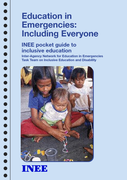
INEE pocket gu ide to inclusive education.
This guide is aimed at anyone working to provide, manage or support education services in emergencies and complements the INEE Minimum Standards.
The Pocket Guide to Inclusive Education outlines useful principles for an inclusive education approach in
...
emergencies and provides advice for planning, implementing and monitoring. The guide also looks at the issue of resistance to inclusion, and highlights ways in which organisations can support their emergency staff to develop more inclusive education responses. Available in Arabic, English, Indonesia, French, Spanish
more

This report identifies and analyses policies and laws which currently include of Persons with disabilities in social protection specifically the Vision 2020 Umurenge Programme and considers some of the gaps in the VUP norms which prevent the successful inclusion of Persons with Disabilities.
Professional Standards for Protection Work
recommended
Carried out by humanitarian and human rights actors in armed conflict and other situations of violence
This guideline (third edition) constitutes a set of minimum but essential standards aimed at ensuring that protection work is safe and effective. The standards reflect shared thinking and common
...
agreement among humanitarian and human rights practitioners
more
Failure to Credibly Investigate and Provide Redress for Unlawful Attacks in Yemen
This report presents the findings of research conducted by Child Soldiers International to assess the effectiveness of release, psychosocial recovery and reintegration interventions (commonly referred to as ‘DDR’) for girls associated with armed groups in eastern Democratic Republic of Congo (DR
...
C). More specifically, it seeks to shed some light on the extent to which girls have been reached by DDR programmes, and on the appropriateness of this support where it was offered, mostly from the point of view of the girls themselves.
more

European Scientific Journal, November edition vol. 8, No.26 ISSN: 1857 – 7881 (Print) e - ISSN 1857- 7431
Accessed: 29.09.2019
Ukraine HIV Program Efficiency Study: Can Ukraine improve value for money in HIV service delivery?
International Bank for Reconstruction and Development The World Bank
(2019)
C2
Accessed: 04.10.2019
The data collection process was organized by UCDC Director, Natalia Nizova, and M&E Department Head, Igor Kuzin, and implemented by M&E specialists from oblast AIDS Centers: Zhanna Antonenko, Oksana Gorbachuk, Volodymyr Zahorovskyi (Kiev City); Anna Lopatenko, Irina Kozina, I
...
ryna Chukhalova, (Dnipropetrovsk); Galina Vysotskaja, Iryna Petrovska, Oleksandr Guzieiev (Mykolayiv). Qualitative data collection as well as a desk review was done by the WB’s local consultants Anna Shapoval, Olesia Trofymenko, Anna Pisotska and Elena Dzyuba.
The report was prepared by a World Bank Task Team led by Iris Semini (seconded to the World Bank until July 2013, and now back with UNAIDS), and concluded by Emiko Masaki and Marelize Görgens (World Bank), with support and guidance provided by Daniel Dulitzky, Paolo Belli, Alejandro Cedeno, Alona Goroshko and Lombe Kasonde. Administrative support was provided by Anna Goodman, Mario Mendez and Uma Balasubramanian. When draft results were ready, an in-country workshop was held where stakeholders provided their inputs. Once a draft report was produced, written comments were received from World Bank colleagues, Son Nam Nguyen, Rosemary Sunkutu and Alona Goroshko.
more
Transactional sex and HIV risk: from analysis to action
UNAIDS; STRIVE
(2017)
C2
UNAIDS 2018 / Reference
