
Filter
2930
Filtered Results: 2930
Text search:
World
Health
Organization
WHO
-
Regional
Office
Africa
Featured
Recommendations
282
New Publications
778
Language
Document type
No document type
1618
Studies & Reports
560
Guidelines
332
Manuals
147
Strategic & Response Plan
124
Training Material
50
Situation Updates
39
Fact sheets
38
Resource Platforms
10
Infographics
5
Brochures
2
Online Courses
2
Videos
2
App
1
Countries / Regions
Global
140
Ethiopia
107
Kenya
97
Sierra Leone
91
Africa
88
Liberia
84
Uganda
74
Zambia
61
South Africa
59
Nigeria
58
Ghana
51
Tanzania
49
Malawi
49
Western and Central Europe
39
West and Central Africa
38
India
37
Mozambique
36
East and Southern Africa
36
Rwanda
34
Guinea
33
Congo, Democratic Republic of
33
Namibia
32
South Sudan
31
Syria
29
Middle East and North Africa
29
Nepal
26
Lesotho
25
Senegal
24
Asia
22
South–East Asia Region
20
Latin America and the Carribbean
19
Zimbabwe
18
Ukraine
18
Yemen
17
Bangladesh
15
Central African Republic
15
Eswatini/ Swaziland
15
Eastern Europe
15
Cameroon
14
Angola
14
Somalia
13
Botswana
13
Myanmar / Burma
12
Burkina Faso
10
Pakistan
10
Madagascar
10
Guinea-Bissau
9
Sudan
9
Russia
9
Mali
8
Afghanistan
8
Cambodia
8
Brazil
8
Haiti
7
Philippines
7
Thailand
7
China
7
Benin
7
Eastern Europe and Central Asia
7
Indonesia
6
Colombia
6
Western Pacific Region
6
Venezuela
6
Côte d’Ivoire / Ivory Coast
5
Jordan
5
Lebanon
5
Gambia
5
Togo
4
Chad
4
Burundi
4
Sri Lanka
4
Southern Africa
4
Peru
3
North Macedonia
3
Mexico
3
Iran
3
Georgia
3
Mauritius
3
Morocco
2
USA
2
Saudi Arabia
2
Iraq
2
Germany
2
Papua New Guinea
2
Greece
2
Albania
2
Djibouti
2
Laos
2
Moldova
2
Kyrgyzstan
2
Kazakhstan
2
Vietnam
2
North America
2
Portugal
2
Bosnia and Herzegovina
2
Niger
1
Turkey
1
Mauritania
1
Argentina
1
Serbia
1
Hungary
1
Ecuador
1
Libya
1
Palestine
1
Armenia
1
Canada
1
Timor Leste/ East Timor
1
Tajikistan
1
Qatar
1
Bulgaria
1
Estonia
1
Gabon
1
Turkmenistan
1
Jamaica
1
Japan
1
Belgium
1
Tunisia
1
United Kingdom
1
Norway
1
Spain
1
Belarus
1
Israel
1
Authors & Publishers
Publication Years
Category
Countries
987
Clinical Guidelines
220
Public Health
174
Women & Child Health
167
Key Resources
152
Capacity Building
54
Pharmacy & Technologies
34
Toolboxes
HIV
264
COVID-19
239
Mental Health
187
Planetary Health
143
Disability
136
TB
135
Ebola
131
Rapid Response
131
AMR
89
Conflict
77
Global Health Education
73
NTDs
70
Caregiver
69
Refugee
65
Pharmacy
50
NCDs
39
Natural Hazards
34
Health Financing Toolbox
34
Zika
20
Cholera
16
Polio
15
Specific Hazards
7
Social Ethics
6
Typhoon
3
South Sudan
1
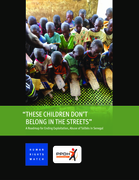
For over a decade, Senegalese and international journalists, human rights advocates, and child protection experts have documented and denounced the ongoing exploitation, abuse and neglect of children living in many of Senegal’s traditional Quranic schools, or daaras. Thousands of these children, k...
Vitamin A supplementation (VAS) programs targeted at children aged 6–59 months are implemented in many countries. By improving immune function, vitamin A (VA) reduces mortality associated with measles, diarrhea, and other illnesses. There is currently a debate regarding the relevance of VAS, but a...
This FY 2019 Malaria Operational Plan presents a detailed implementation plan for Burkina Faso, based on the strategies of PMI and the National Malaria Control Program (NMCP). It was developed in consultation with the NMCP and with the participation of national and international partners involved in...

front cover © Hannah Maule-Ffinch/Save the Children
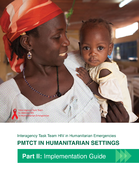
front cover © Jonathan Hyams/Save the Children
The coronavirus disease 2019 (COVID-19) pandemic has created a global and gendered crisis that is compounding existing inequalities and disproportionately affecting girls and women. Emerging evidence from the COVID-19 crisis in 2020 shows school closures, disruptions in essential services and rising...

Census Report Volume 4-E
As no census has been undertaken in over 30 years, many aspects of the demographic situation in the country were unknown. For instance, before the Census it was thought that the country had a population of about 60 million, but the 2014 Census showed that the population...
As no census has been undertaken in over 30 years, many aspects of the demographic situation in the country were unknown. For instance, before the Census it was thought that the country had a population of about 60 million, but the 2014 Census showed that the population...

Disaster Preparedness Training Programme

Census Report Volume 4-F (Thematic report on Population Projections for the Union of Myanmar, States/Regions, Rural and Urban Areas, 2014-2050)
Key findings
- The total population of Myanmar is estimated to be 65 million by 2050. The projection is based on steadily declining population grow...
Key findings
- The total population of Myanmar is estimated to be 65 million by 2050. The projection is based on steadily declining population grow...
Strengthening the capacities of SUN Countries by sharing and disseminating good practices in the fight against malnutrition.
This report is a summary of the results of the preparation and implementation of the Learning Route (LR) organized jointly by the SUN (Scaling Up Nutrition) Movement’s S...
The war in Ukraine has had devasting impact on women and girls
worldwide, widening gender gaps and increasing rates of food insecurity, malnutrition and energy poverty. This brief reviews the available evidence of that impact, recommending urgent attention to its consequences for women and girls. I...
The report provides the much-needed evidence to design interventions for children in Kenya and as such we urge partners to use this report as a document for planning for children.
