
Filter
3187
Text search:
country
cooperation
Featured
213
915
Language
3081
86
58
42
34
21
18
18
10
9
8
8
7
6
6
5
5
5
5
5
4
4
4
4
4
4
4
4
4
4
3
3
3
3
3
3
3
3
2
2
2
2
2
2
2
2
1
1
1
1
1
1
1
1
1
1
1
1
1
Document type
1964
605
225
147
135
33
32
23
10
4
4
Countries
155
92
89
87
80
78
77
66
59
58
58
57
52
51
51
48
48
43
41
40
40
39
39
34
30
28
28
27
26
26
25
24
24
24
23
20
19
19
18
16
15
14
14
14
13
13
12
12
11
11
11
10
10
10
10
10
10
10
10
9
9
9
9
8
7
7
7
7
6
6
6
6
6
5
5
5
5
4
4
4
4
4
4
4
3
3
3
3
3
3
3
3
3
3
3
3
3
3
3
3
2
2
2
2
2
2
2
2
2
2
2
2
2
2
2
2
1
1
1
1
1
1
1
1
1
1
1
1
1
1
1
1
1
1
1
Authors & Publishers
309
142
98
93
92
77
50
47
43
27
21
21
20
20
19
19
17
17
17
16
16
16
14
14
14
13
12
12
11
11
11
11
10
10
10
10
10
10
10
9
9
9
9
9
8
8
8
8
8
8
8
8
8
7
7
7
7
7
7
7
7
7
7
7
7
7
7
7
6
6
6
6
6
6
6
6
6
6
6
6
6
6
6
5
5
5
5
5
5
5
5
5
5
5
5
5
5
5
5
5
5
5
4
4
4
4
4
4
4
4
4
4
4
4
4
4
4
4
4
4
4
4
4
4
4
4
4
4
4
4
4
4
4
4
4
4
4
4
3
3
3
3
3
3
3
3
3
3
3
3
3
3
3
3
3
3
3
3
3
3
3
3
3
3
3
3
3
3
3
3
3
3
3
3
3
3
3
3
3
3
3
3
3
3
3
3
3
3
3
3
3
3
3
3
3
3
3
3
3
2
2
2
2
2
2
2
2
2
2
2
2
2
2
2
2
2
2
2
2
2
2
2
2
2
2
2
2
2
2
2
2
2
2
2
2
2
2
2
2
2
2
2
2
2
2
2
2
2
2
2
2
2
2
2
2
2
2
2
2
2
2
2
2
2
2
2
2
2
2
2
2
2
2
2
2
2
2
2
2
2
2
2
2
2
2
2
2
2
2
2
2
2
2
2
2
2
2
2
2
2
2
2
2
2
2
2
2
2
2
2
2
2
2
2
2
2
2
2
2
2
2
2
2
2
2
2
2
2
2
2
2
2
2
2
2
2
2
2
2
2
2
2
2
2
2
2
2
2
2
2
2
2
2
2
2
2
2
2
2
2
2
2
2
2
2
2
2
2
2
2
2
2
2
2
2
2
2
2
2
2
2
2
2
2
2
2
2
2
2
2
2
2
2
2
2
2
2
2
2
2
2
1
1
1
1
1
1
1
1
1
1
1
1
1
1
1
1
1
1
1
1
1
1
1
1
1
1
1
1
1
1
1
1
1
1
1
1
1
1
1
1
1
1
1
1
1
1
1
1
1
1
1
1
1
1
1
1
1
1
1
1
1
1
1
1
1
1
1
1
1
1
1
1
1
1
1
1
1
1
1
1
1
1
1
1
1
1
1
1
1
1
1
1
1
1
1
1
1
1
1
1
1
1
1
1
1
1
1
1
1
1
1
1
1
1
1
1
1
1
1
1
1
1
1
1
1
1
1
1
1
1
1
1
1
1
1
1
1
1
1
1
1
1
1
1
1
1
1
1
1
1
1
1
1
1
1
1
1
1
1
1
1
1
1
1
1
1
1
1
1
1
1
1
1
1
1
1
1
1
1
1
1
1
1
1
1
1
1
1
1
1
1
1
1
1
1
1
1
1
1
1
1
1
1
1
1
1
1
1
1
1
1
1
1
1
1
1
1
1
1
1
1
1
1
1
1
1
1
1
1
1
1
1
1
1
1
1
1
1
1
1
1
1
1
1
1
1
1
1
1
1
1
1
1
1
1
1
1
1
1
1
1
1
1
1
1
1
1
1
1
1
1
1
1
1
1
1
1
1
1
1
1
1
1
1
1
1
1
1
1
1
1
1
1
1
1
1
1
1
1
1
1
1
1
1
1
1
1
1
1
1
1
1
1
1
1
1
1
1
1
1
1
1
1
1
1
1
1
1
1
1
1
1
1
1
1
1
1
1
1
1
1
1
1
1
1
1
1
1
1
1
1
1
1
1
1
1
1
1
1
1
1
1
1
1
1
1
1
1
1
1
1
1
1
1
1
1
1
1
1
1
1
1
1
1
1
1
1
1
1
1
1
1
1
1
1
1
1
1
1
1
1
1
1
1
1
1
1
1
1
1
1
1
1
1
1
1
1
1
1
1
1
1
1
1
1
1
1
1
1
1
1
1
1
1
1
1
1
1
1
1
1
1
1
1
1
1
1
1
1
1
1
1
1
1
1
1
1
1
1
1
1
1
1
1
1
1
1
1
1
1
1
1
1
1
1
1
1
1
1
1
1
1
1
1
1
1
1
1
1
1
1
1
1
1
1
1
1
1
1
1
1
1
1
1
1
1
1
1
1
1
1
1
1
1
1
1
1
1
1
1
1
1
1
1
1
1
1
1
1
1
1
1
1
1
1
1
1
1
1
1
1
1
1
1
1
1
1
1
1
1
1
1
1
1
1
1
1
1
1
1
1
1
1
1
1
1
1
1
1
1
1
1
1
1
1
1
1
1
1
1
1
1
1
1
1
1
1
1
1
1
1
1
1
1
1
1
1
1
1
1
1
1
1
1
1
1
1
1
1
1
1
1
1
1
1
1
1
1
1
1
1
1
1
1
1
1
1
1
1
1
1
1
1
1
1
1
1
1
1
1
1
1
1
1
1
1
1
1
1
1
1
1
1
1
1
1
1
1
1
1
1
1
1
1
1
1
1
1
1
1
1
1
1
1
1
1
1
1
1
1
1
1
1
1
1
1
1
1
1
1
1
1
1
1
1
1
1
1
1
1
1
1
1
1
1
1
1
1
1
1
1
1
1
1
1
1
1
1
1
1
1
1
1
1
1
1
1
1
1
1
1
1
1
1
1
1
1
1
1
1
1
1
1
1
1
1
1
1
1
1
1
1
1
1
1
1
1
1
1
1
1
1
1
1
1
1
1
1
1
1
1
1
1
1
1
1
1
1
1
1
1
1
1
1
1
1
1
1
1
1
1
1
1
1
1
1
1
1
1
1
1
1
1
1
1
1
1
1
1
1
1
1
1
1
1
1
1
1
1
1
1
1
1
1
1
1
1
1
1
1
1
1
1
1
1
1
1
1
1
1
1
1
1
1
1
1
1
1
1
1
1
1
1
1
1
1
1
1
1
1
1
1
1
1
1
1
1
1
1
1
1
1
1
1
1
1
1
1
1
1
1
1
1
1
1
1
1
1
1
1
1
1
1
1
1
1
1
1
1
1
1
1
1
1
1
1
1
1
1
1
1
1
1
1
1
1
1
1
1
1
1
1
1
1
1
1
1
1
1
1
1
1
1
1
1
1
1
1
1
1
1
1
1
1
1
1
1
1
1
1
1
1
1
1
1
1
1
1
1
1
1
1
1
1
1
1
1
1
1
1
1
1
1
1
1
1
1
1
1
1
1
1
1
1
1
1
1
1
1
1
1
1
1
1
1
1
1
1
1
1
1
1
1
1
1
1
1
1
1
1
1
1
1
1
1
1
1
1
1
1
1
1
1
1
1
1
1
1
1
1
1
1
1
1
1
1
1
1
1
1
1
1
1
1
1
1
1
1
1
1
1
1
1
1
1
1
1
1
1
1
1
1
1
1
1
1
1
1
1
1
1
1
1
1
1
1
1
1
1
1
1
1
1
1
1
1
1
1
1
1
1
1
1
1
1
1
1
1
1
1
1
1
1
1
1
1
1
1
1
1
1
1
1
1
1
1
1
1
1
1
1
1
1
1
1
1
1
1
1
1
1
1
1
1
1
1
1
1
1
1
1
1
1
1
1
1
1
1
1
1
1
1
1
1
1
1
1
1
1
1
1
1
1
1
1
1
1
1
1
1
1
1
1
1
1
1
1
1
1
1
1
1
1
1
1
1
1
1
1
1
1
1
1
1
1
1
1
1
1
1
1
1
1
1
1
1
1
1
1
1
1
1
1
1
1
1
1
1
1
1
1
1
1
1
1
1
1
1
1
1
1
1
1
1
1
1
1
1
1
1
1
1
1
1
1
1
1
1
1
1
1
1
1
1
1
1
1
1
1
1
1
1
1
1
1
1
1
1
1
1
1
1
1
1
1
1
1
1
1
1
1
1
1
1
1
1
1
1
1
1
1
1
1
1
1
1
1
1
1
1
1
1
1
1
1
1
1
1
1
1
1
1
1
1
1
1
1
1
1
1
1
1
1
1
1
1
1
1
1
1
1
1
1
1
1
1
1
1
1
1
1
1
1
1
1
1
1
1
1
1
1
1
1
1
1
1
1
1
1
1
1
1
1
1
1
1
1
1
1
1
1
1
1
1
1
1
1
1
1
1
1
1
1
1
1
1
1
1
1
1
1
1
1
1
1
1
1
1
1
1
1
1
1
1
1
1
1
1
1
1
1
1
1
1
1
1
1
1
1
1
1
1
1
1
1
1
1
1
1
1
1
1
1
1
1
1
1
1
1
1
1
1
1
1
1
1
1
1
1
1
1
1
1
1
1
1
1
1
1
1
1
1
1
1
1
1
1
1
1
1
1
1
1
1
1
1
1
1
1
1
1
1
1
1
1
1
1
1
1
1
1
1
1
1
1
1
1
1
1
1
1
1
1
1
1
1
1
1
1
1
1
1
1
1
1
1
1
1
1
1
1
1
1
1
1
1
1
1
1
1
1
1
1
1
1
1
1
1
1
1
1
1
1
1
1
1
1
1
1
1
1
1
1
1
1
1
1
1
1
1
1
1
1
1
1
1
1
1
1
1
1
1
1
1
1
1
1
1
1
1
1
1
1
1
1
1
1
1
1
1
1
1
1
1
1
1
1
1
1
1
1
1
1
1
1
1
1
1
1
1
1
1
1
1
1
1
1
1
1
1
1
1
1
1
1
1
1
1
1
1
1
1
1
1
1
1
1
1
1
1
1
1
1
1
1
1
1
1
1
1
1
1
1
1
1
1
1
1
1
1
1
1
1
1
1
1
1
1
1
1
1
1
1
1
1
1
1
1
1
1
1
1
1
1
1
1
1
1
1
1
1
1
1
1
1
1
1
1
1
1
1
1
1
1
1
1
1
1
1
1
1
1
1
1
1
1
1
1
1
1
1
1
1
1
1
1
1
1
1
1
1
1
1
1
1
1
1
1
1
1
1
1
1
1
1
1
1
1
1
1
1
1
1
1
1
1
1
1
1
1
1
1
1
1
1
1
1
1
1
1
1
1
1
1
1
1
1
1
1
1
1
1
1
1
1
1
1
1
1
1
1
1
1
1
1
1
1
1
1
1
1
1
1
1
1
1
1
1
1
1
1
1
1
1
1
1
1
1
1
1
1
1
1
1
1
1
1
1
1
1
1
1
1
1
1
1
1
1
1
1
1
1
1
1
1
1
1
1
1
1
1
1
1
1
1
1
1
1
1
1
1
1
1
1
1
1
1
1
1
1
1
1
1
1
1
1
1
1
1
1
1
1
1
1
1
1
1
1
1
1
1
1
1
1
1
1
1
1
1
1
1
1
1
1
1
1
1
1
1
1
1
1
1
1
1
1
1
1
1
1
1
1
1
1
1
1
1
1
1
1
1
1
1
1
1
1
1
1
1
1
1
1
1
1
1
1
1
1
1
1
1
1
1
1
1
1
1
1
1
1
1
1
1
1
1
1
1
1
1
1
1
1
1
1
1
1
1
1
1
1
1
1
1
1
1
1
1
1
1
1
1
1
1
1
1
1
1
1
1
1
1
1
1
1
1
1
1
1
1
1
1
1
1
1
1
1
1
1
1
1
1
1
1
1
1
1
1
1
1
1
1
1
1
1
1
1
1
1
1
1
1
1
1
1
1
1
1
1
1
1
1
1
1
1
1
1
1
1
1
1
1
1
1
1
1
1
1
1
1
1
1
1
1
1
1
1
1
1
1
1
1
1
1
1
1
1
1
1
1
1
1
1
1
1
1
1
1
1
1
1
1
1
1
1
1
1
1
1
1
1
1
1
1
1
1
1
1
1
1
1
1
1
1
1
1
1
1
1
1
1
1
1
1
1
1
1
1
1
1
1
1
1
1
1
1
1
1
1
1
1
1
1
1
1
1
1
1
1
1
1
1
1
1
1
1
1
1
1
1
1
1
1
1
1
1
1
1
1
1
1
1
1
1
1
1
1
1
1
1
1
1
1
1
1
1
1
1
1
1
1
1
1
1
1
1
1
1
1
1
1
1
1
1
1
1
1
1
1
1
1
1
1
1
1
1
1
1
1
1
1
1
1
1
1
1
1
1
1
1
1
1
1
1
1
1
1
1
1
1
1
1
1
1
1
1
1
1
1
1
1
1
1
1
1
1
1
1
1
1
1
1
1
1
1
1
1
1
1
1
1
1
1
1
1
1
1
1
1
1
1
1
1
1
1
1
1
1
1
1
1
1
1
1
1
1
1
1
1
1
1
1
1
1
1
1
1
1
1
1
1
1
1
1
1
1
1
1
1
1
1
1
1
1
1
1
1
1
1
1
1
1
1
1
1
1
1
1
1
1
1
1
1
1
1
1
1
1
1
1
1
1
1
1
1
1
1
1
1
1
1
1
1
1
1
1
1
1
1
1
1
1
1
1
1
1
1
1
1
1
1
1
1
1
1
1
1
1
1
1
1
1
1
1
1
1
1
1
1
1
1
1
1
1
1
1
1
1
1
1
1
1
1
1
1
1
1
1
1
1
1
1
1
1
1
1
1
1
1
1
1
1
1
1
1
1
1
1
1
1
1
1
1
1
1
1
1
1
1
Publication Years
1
763
2032
361
25
2
1
1
1
Category
1230
175
158
135
122
57
20
6
3
Toolboxes
221
198
197
173
151
148
105
99
92
90
89
82
66
53
53
50
43
33
26
18
13
12
10
3
2
Emergency medical teams (EMT) are first response health care providers – doctors, nurses, paramedics, and others – during outbreaks and emergencies or disasters, working with governments, charities such as nongovernmental organizations (NGOs), armies, and international organizations such as the
...
International Red Cross/Red Crescent movement. They comply with the classification and minimum standards set by the World Health Organization (WHO) and its partners and bring to an emergency their training and self-sufficiency so as not to burden the national health system. EMT initiatives strengthen national surge capacities and facilitate the deployment of internationally classified teams of health- care professionals to countries and territories during emergencies, particularly during disease outbreaks and natural disasters, providing immediate assistance when national health systems are overwhelmed . Considering that they aim to support the provision of quality clinical care services to populations affected by public health emergencies, the expectation is that financial resources and equipment will be available to enable the performance of the requested task.
more
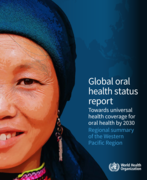
This regional summary draws on the WHO Global oral health status report (2), published in 2022, which provides a comprehensive overview of the global oral disease burden, the global health importance of oral health and the impact of oral diseases over the life course.
The summary focuses on the
...
oral health status in the Western Pacific Region and is split into four sections: (a) oral diseases are global and regional health problems; (b) the burden of the main oral diseases; (c) key challenges and opportunities towards oral health for all in the Western Pacific Region; and (d) road map towards UHC for oral health 2030. This regional summary is based on the 27 Member States in the Region.
more
Safe drinking-water management must consider drinking-water quality, acceptability and quantity in the context of public health protection. In this manual, the term “safety” encompasses these three elements. Although the principles in this manual can be broadly applied to all types of drinking-w
...
ater supplies, the guidance is primarily intended for piped water supplies that are professionally managed (by a water supplier or equivalent management entity).The guidance may be applied to existing drinking-water supplies, or adapted for water supplies that are in the planning stage before construction.
more

The Quadripartite organizations have developed the One Health Priority Research Agenda for AMR report, this is a joint initiative to assist in directing and catalysing scientific interest and financial investments for the priority research agenda across sectors for countries and funding bodies. The
...
research agenda also serves as a guide to mitigate One Health AMR that will help policymakers, researchers, and a multidisciplinary scientific community work together on solutions to prevent and mitigate AMR within the One Health approach.
more
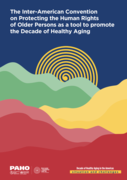
This report aims to outline the current available knowledge on the health and wellbeing of older persons in the Region of the Americas during the United Nations Decade of Healthy Ageing (2021-2030). It also seeks to guide political actions towards ensuring the human rights of older persons, and desc
...
ribes the negotiation and drafting process behind the Inter-American Convention on Protecting the Human Rights of Older Persons. It reports on the doctrinal and legal developments that led the Region of the Americas to draft the Convention and describes its action areas and guaranteed rights, as well as the obligations assumed by the States Parties. The Convention is an essential tool to advance the strategies of the Decade of Healthy Ageing. This publication reflects on the importance of having a major legal instrument for this purpose at the international level. The demographic transition in Latin America and the Caribbean will continue to shape the ability of countries and health systems to respond to the needs of the population. Given this reality, international instruments will be needed to guarantee the full enjoyment of the human rights of older persons. In order to design inclusive and sustainable systems, accurate, updated, and effective information is required. The Decade of Healthy Ageing––the initiative that constitutes the framework for this document––is a strategic period in which to focus on data generation and monitoring.
more
Accelerator Discussion Paper 1: Sustainable Financing
Global Fund, World Bank Group, Gavi, the Vaccine Alliance et al.
World Health Organization (WHO)
(2019)
CC
The Global Action Plan for Healthy Lives and Well-being for All (SDG3 GAP) is a set of commitments by 13 multilateral agencies to strengthen their collaboration. For this purpose several accelerators were created and an invitation for public comment was started. This document focuses on Accelerator
...
Discussion Paper 1: Sustainable Financing.
more

FACTI Panel Interim Report
The High-Level Panel on International Financial Accountability, Transparency and Integrity for Achieving the 2030 Agenda (FACTI Panel)
The High-Level Panel on International Financial Accountability, Transparency and Integrity for Achieving the 2030 Agenda (FACTI Panel)
(2020)
CC
The High-Level Panel on International Financial Accountability, Transparency and Integrity for Achieving the 2030 Agenda (FACTI Panel) was convened by the 74th President of United Nations General Assembly and the 75th President of the Economic and Social Council on 2 March 2020. The objective of the
...
FACTI Panel is to contribute to the overall efforts undertaken by Member States to implement the ambitious and transformational vision of the 2030 Agenda for Sustainable Development. It is mandated to review current challenges and trends related to financial accountability, transparency and integrity, and to make evidence-based recommendations to close remaining gaps in the international system.
more
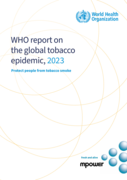
The ninth WHO report on the global tobacco epidemic tracks the progress made by countries in tobacco control since 2008 and, marks 15 years since the introduction of the MPOWER technical package which is designed to help countries implement the demand-reduction measures of the WHO Framework Conventi
...
on on Tobacco Control. The report shows that many countries continue to make progress in the fight against tobacco, but efforts must be accelerated to protect people from the harms of tobacco and second-hand smoke.
more
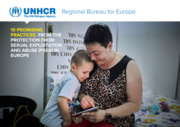
UNHCR invested significantly in risk mitigation, prevention and response to sexual exploitation and abuse (SEA) in the Europe region in 2022-2023, in particular in connection with the Ukraine emergency, where the risks were considered high due to the unprecedented scale and speed of displacement, mo
...
stly women and children, combined with high turnover of humanitarian staff and the range of new and untraditional actors involved in the response. PSEA also remains a priority for UNHCR’s work for other refugees, internally displaced and stateless persons across the region.
This compilation highlights the 10 most promising practices that were initiated by UNHCR and its partners in the Europe region in 2022-2023. These practices are shared with the aim to inspire further work on PSEA in the region and elsewhere and encourage continuous learning and exchange.
more
In sum, the goal is to understand the need to increase fiscal space for health as a prerequisite, but within the framework of efforts to transform the health system. These changes should foster equitable and efficient expenditures and create or strengthen comprehensive integrated health systems with
...
a first level of care capable of solving health problems and coordinating networks, based on a primary health care approach that offers not only curative care but also health promotion and disease prevention services.
more

The Creditor Reporting System was analysed for official development assistance funding disbursements towards TB control in 11 conflict-affectedstates, 17 non-conflict-affected fragile states and 38 comparable non-fragile states. The amounts of funding, funding relative to burden, funding relative to
...
malaria and human immunodeficiency virus (HIV) control, disbursements relative to commitments, sources of funding as well as funding activities were extracted and analysed.
more
We combine data on Chinese development projects with data from Demographic and Health Surveys to study the impact of Chinese aid on household welfare in sub-Saharan Africa. We use a novel methodology to test the effect of Chinese aid on three important development outcomes: education, health, and nu
...
trition. For each outcome, we use difference-in-difference estimations to compare household areas near Chinese project sites to control areas located farther away, before and after receiving Chinese aid. This empirical strategy rules out many confounding factors that can bias measuring the impact of Chinese aid on our outcome variables. First, we find that Chinese projects significantly improve education and child mortality in treatment areas, but do not significantly affect nutrition. Second, social sector projects have a larger effect on outcomes than economic projects. Third, we do not find significant effects for projects that ended more than five years before the post-treatment survey wave. Our results are robust to a host of robustness checks.
more
Member States of the Region have initiated processes to strengthen leadership and governance for mental health. Several countries have developed and implemented mental health plans, strategies and legislations. Direct spending on mental health needs to be increased throughout the Region through the
...
health sector as well as other relevant sectors.
more
In October 2022, President Biden signed the Global Malnutrition Prevention and Treatment Act (GMPTA) into law, which directs USAID to prevent and treat malnutrition globally. The GMPTA further codifies USAID’s leadership on nutrition, with a focus on evidence-based interventions across health syst
...
ems and food systems, in both development and humanitarian settings.
Realizing the potential of good nutrition to save lives and ensure a brighter future for generations to come is central to U.S. Government priorities. For over 60 years, USAID has been a leader in the fight to end global malnutrition. Nutrition affects every aspect of human development: from the ability to fight disease, to children’s performance in school, to a nation’s health and economic advancement. There is overwhelming evidence of the power of good nutrition but, due to challenges in accessing safe, nutritious foods and health and sanitation services, many people in low- and middle-income countries remain undernourished.
more

The Commission on Macroeconomics and Health (CMH) was established by World Health Organization Director-General Gro Harlem Brundtland in January 2000 to assess the place of health in global economic development. Although health is widely understood to be both a central goal and an important outcome
...
of development, the importance of investing in health to promote economic development and poverty reduction has been much less appreciated. We have found that extending the coverage of crucial health services, including a relatively small number of specific interventions, to the world’s poor could save millions of lives each year, reduce poverty, spur economic development, and promote global security.
more
Financing Global Health 2015 is the seventh edition of IHME’s annual series on global health financing. This report captures trends in development assistance for health (DAH) and government health expenditure as source (GHE-S) in low- and middle-income countries. Annually updated GHE-S and DAH est
...
imates are produced to aid decision-makers and other global health stakeholders in identifying funding gaps and invesment opportunities vital to improving population health. This year, IHME made a number of improvements to the data collection and methods implemented to generate Financing Global Health estimates.
more
Marco Schäferhoff and colleagues critique funding estimates for the maternal and child health Millennium Development Goals, and make recommendations for improving the tracking of financing flows and estimating the costs of scaling up interventions for mothers and children.
The environment in which young people live, learn and play significantly affects their decisions about whether to consume alcohol. Environmental factors are the main risk factors driving alcohol consumption and related harm among young people. Environments that normalize alcohol consumption – term
...
ed alcogenic environments – include contexts with unregulated advertising and marketing of alcoholic beverages, higher alcohol outlet density, products designed to facilitate affordability and low prices of alcoholic beverages. A recent body of research evidence has emerged related to the measurement, functional significance and consequences of living in alcogenic environments. This includes findings on the complex and bidirectional interactions among alcohol acceptability, availability and affordability and how they create and perpetuate alcogenic environments. Comprehensive and enforced alcohol control policies are effective at delaying the age of onset and lowering alcohol prevalence and frequency among young people. Evidence consistently confirms the effectiveness of designing and implementing alcohol control policies that regulate upstream the drivers of alcogenic environment, including alcohol availability, acceptability and affordability. These policies need to be multipronged and address the complex interactions between these drivers and the local alcohol culture
more
Access to safe blood and blood products is recognized as one of the key requirements for delivery of modern health care in the journey towards health for all. The foundation of safe and sustainable blood supplies depends on the collection of blood from voluntary non-remunerated and low-risk donors.
...
Data from the WHO Global Database for Blood Safety (GDBS) brings out several inadequacies related to the supply and safety of blood and blood products. These inadequacies include a number of variations in safe blood practices across the world, including the quantity of blood donated (voluntary and replacement types), quality and adequate testing of the donated blood (immunohaematology [IH] and transfusion-transmitted infections [TTIs]), rational use of blood and blood components such as appropriate patient blood management protocols. These variations are very high in countries of the South-East Asian Region and most of them are either low- or middle-income countries (LMICs).
more

Previous advocacy efforts have achieved tangible goals in terms garnering political commitments
to increase financing for TB—as seen at the 2018 UN High-Level Meeting on TB. The challenge
now is to ensure that these commitments are actually met within a global biomedical research
ecosystem that
...
is designed and incentivized to prioritize the health needs of wealthy populations
more
