
Filter
2340
Text search:
childhood
mortality
Featured
183
770
Language
2250
52
42
40
17
11
8
4
2
2
2
1
1
1
1
Document type
1555
382
198
67
63
30
24
13
4
2
1
1
Countries
138
114
102
85
64
58
58
56
53
52
50
49
47
44
43
38
33
33
32
31
28
27
25
22
20
20
18
17
16
15
13
13
12
12
12
12
12
11
11
10
8
8
7
7
6
6
6
6
6
5
5
5
5
5
5
4
4
4
4
4
4
3
3
3
3
3
2
2
2
2
2
2
2
2
2
2
2
2
1
1
1
1
1
1
1
1
1
1
1
1
1
1
1
1
1
1
1
1
1
1
1
1
1
1
Authors & Publishers
258
127
83
75
70
61
51
49
39
24
21
21
18
17
17
17
13
13
12
12
12
12
12
11
11
11
11
11
10
10
9
9
8
8
7
7
7
6
6
6
6
6
6
6
6
6
6
6
6
6
5
5
5
5
5
5
5
5
5
5
5
5
5
5
5
4
4
4
4
4
4
4
4
4
4
4
4
4
4
4
4
4
4
4
4
4
4
4
4
4
4
4
4
4
3
3
3
3
3
3
3
3
3
3
3
3
3
3
3
3
3
3
3
3
3
3
3
3
3
3
3
3
3
3
3
3
3
3
3
3
3
3
3
3
3
3
3
3
3
3
3
3
3
3
3
3
3
3
2
2
2
2
2
2
2
2
2
2
2
2
2
2
2
2
2
2
2
2
2
2
2
2
2
2
2
2
2
2
2
2
2
2
2
2
2
2
2
2
2
2
2
2
2
2
2
2
2
2
2
2
2
2
2
2
2
2
2
2
2
2
2
2
2
2
2
2
2
2
2
2
2
2
2
2
2
2
2
2
2
2
2
2
2
2
2
2
2
2
2
2
2
2
2
2
2
2
2
2
2
2
2
2
2
2
2
2
2
2
2
2
2
2
2
2
2
2
2
2
2
2
2
2
2
2
2
2
2
2
2
2
2
2
2
2
2
2
2
2
2
2
2
2
2
2
2
2
2
2
2
2
2
2
2
2
2
2
2
2
2
2
1
1
1
1
1
1
1
1
1
1
1
1
1
1
1
1
1
1
1
1
1
1
1
1
1
1
1
1
1
1
1
1
1
1
1
1
1
1
1
1
1
1
1
1
1
1
1
1
1
1
1
1
1
1
1
1
1
1
1
1
1
1
1
1
1
1
1
1
1
1
1
1
1
1
1
1
1
1
1
1
1
1
1
1
1
1
1
1
1
1
1
1
1
1
1
1
1
1
1
1
1
1
1
1
1
1
1
1
1
1
1
1
1
1
1
1
1
1
1
1
1
1
1
1
1
1
1
1
1
1
1
1
1
1
1
1
1
1
1
1
1
1
1
1
1
1
1
1
1
1
1
1
1
1
1
1
1
1
1
1
1
1
1
1
1
1
1
1
1
1
1
1
1
1
1
1
1
1
1
1
1
1
1
1
1
1
1
1
1
1
1
1
1
1
1
1
1
1
1
1
1
1
1
1
1
1
1
1
1
1
1
1
1
1
1
1
1
1
1
1
1
1
1
1
1
1
1
1
1
1
1
1
1
1
1
1
1
1
1
1
1
1
1
1
1
1
1
1
1
1
1
1
1
1
1
1
1
1
1
1
1
1
1
1
1
1
1
1
1
1
1
1
1
1
1
1
1
1
1
1
1
1
1
1
1
1
1
1
1
1
1
1
1
1
1
1
1
1
1
1
1
1
1
1
1
1
1
1
1
1
1
1
1
1
1
1
1
1
1
1
1
1
1
1
1
1
1
1
1
1
1
1
1
1
1
1
1
1
1
1
1
1
1
1
1
1
1
1
1
1
1
1
1
1
1
1
1
1
1
1
1
1
1
1
1
1
1
1
1
1
1
1
1
1
1
1
1
1
1
1
1
1
1
1
1
1
1
1
1
1
1
1
1
1
1
1
1
1
1
1
1
1
1
1
1
1
1
1
1
1
1
1
1
1
1
1
1
1
1
1
1
1
1
1
1
1
1
1
1
1
1
1
1
1
1
1
1
1
1
1
1
1
1
1
1
1
1
1
1
1
1
1
1
1
1
1
1
1
1
1
1
1
1
1
1
1
1
1
1
1
1
1
1
1
1
1
1
1
1
1
1
1
1
1
1
1
1
1
1
1
1
1
1
1
1
1
1
1
1
1
1
1
1
1
1
1
1
1
1
1
1
1
1
1
1
1
1
1
1
1
1
1
1
1
1
1
1
1
1
1
1
1
1
1
1
1
1
1
1
1
1
1
1
1
1
1
1
1
1
1
1
1
1
1
1
1
1
1
1
1
1
1
1
1
1
1
1
1
1
1
1
1
1
1
1
1
1
1
1
1
1
1
1
1
1
1
1
1
1
1
1
1
1
1
1
1
1
1
1
1
1
1
1
1
1
1
1
1
1
1
1
1
1
1
1
1
1
1
1
1
1
1
1
1
1
1
1
1
1
1
1
1
1
1
1
1
1
1
1
1
1
1
1
1
1
1
1
1
1
1
1
1
1
1
1
1
1
1
1
1
1
1
1
1
1
1
1
1
1
1
1
1
1
1
1
1
1
1
1
1
1
1
1
1
1
1
1
1
1
1
1
1
1
1
1
1
1
1
1
1
1
1
1
1
1
1
1
1
1
1
1
1
1
1
1
1
1
1
1
1
1
1
1
1
1
1
1
1
1
1
1
1
1
1
1
1
1
1
1
1
1
1
1
1
1
1
1
1
1
1
1
1
1
1
1
1
1
1
1
1
1
1
1
1
1
1
1
1
1
1
1
1
1
1
1
1
1
1
1
1
1
1
1
1
1
1
1
1
1
1
1
1
1
1
1
1
1
1
1
1
1
1
1
1
1
1
1
1
1
1
1
1
1
1
1
1
1
1
1
1
1
1
1
1
1
1
1
1
1
1
1
1
1
1
1
1
1
1
1
1
1
1
1
1
1
1
1
1
1
1
1
1
1
1
1
1
1
1
1
1
1
1
1
1
1
1
1
1
1
1
1
1
1
1
1
1
1
1
1
1
1
1
1
1
1
1
1
1
1
1
1
1
1
1
1
1
1
1
1
1
1
1
1
1
1
1
1
1
1
1
1
1
1
1
1
1
1
1
1
1
1
1
1
1
1
1
1
1
1
1
1
1
1
1
1
1
1
1
1
1
1
1
1
1
1
1
1
1
1
1
1
1
1
1
1
1
1
1
1
1
1
1
1
1
1
1
1
1
1
1
1
1
1
1
1
1
1
1
1
1
1
1
1
1
1
1
1
1
1
1
1
1
1
1
1
1
1
1
1
1
1
1
1
1
1
1
1
1
1
1
1
1
1
1
1
1
1
1
1
1
1
1
1
1
1
1
1
1
1
1
1
1
1
1
1
1
1
1
1
1
1
1
1
1
1
1
1
1
1
1
1
1
1
1
1
1
1
1
1
1
1
1
1
1
1
1
1
1
1
1
1
1
1
1
1
1
1
1
1
1
1
1
1
1
1
1
1
1
1
1
1
1
1
1
1
1
1
1
1
1
1
1
1
1
1
1
1
1
1
1
1
1
1
1
1
1
1
1
1
1
1
1
1
1
1
1
1
1
1
1
1
1
1
1
1
1
1
1
1
1
1
1
1
1
1
1
1
1
1
1
1
1
1
1
1
1
1
1
1
1
1
1
1
1
1
1
1
1
1
1
1
1
1
1
1
1
1
1
1
1
1
1
1
1
1
1
1
1
1
1
1
1
1
1
1
1
1
1
1
1
1
1
1
1
1
1
1
1
1
1
1
1
1
1
1
1
1
1
1
1
1
1
1
1
1
1
1
1
1
1
1
1
1
1
1
1
1
1
1
1
1
1
1
1
1
1
1
1
1
1
1
1
1
1
1
1
1
1
1
1
1
1
1
1
1
1
1
1
1
1
1
1
1
1
1
1
1
1
1
1
1
1
1
1
1
1
1
1
1
1
1
1
1
1
1
1
1
1
1
1
1
1
1
1
1
1
1
1
1
1
1
1
1
1
1
1
1
1
1
1
1
1
1
1
1
1
1
1
1
1
1
1
1
1
1
1
1
1
1
1
1
1
1
1
1
1
1
1
1
1
1
1
1
1
1
1
1
1
1
1
1
1
1
1
1
1
1
1
1
1
1
1
1
1
1
1
1
1
1
1
1
1
1
1
1
1
1
1
1
1
1
1
1
1
1
1
1
1
1
1
1
1
1
1
1
1
1
1
1
1
1
1
1
1
1
1
1
1
1
1
1
1
1
1
1
1
1
1
1
1
1
1
1
1
1
1
1
1
1
1
1
1
1
1
1
1
1
1
1
1
1
1
1
1
1
1
1
1
1
1
1
1
1
1
1
1
1
1
1
1
1
1
1
1
1
1
1
1
1
1
1
1
1
1
1
1
1
1
1
1
1
1
1
1
1
1
1
1
1
1
1
1
1
1
1
1
1
1
1
1
1
1
1
1
1
1
1
1
1
1
1
1
1
1
1
1
1
1
1
1
1
1
1
1
1
1
1
1
1
1
1
1
1
1
1
1
1
1
1
1
1
1
1
1
1
1
1
1
1
1
1
1
1
1
1
1
1
1
1
1
1
1
1
1
1
1
1
1
1
1
1
1
1
1
1
1
1
1
1
1
1
1
1
1
1
1
1
1
1
1
1
1
1
1
1
1
1
1
1
1
1
1
1
1
1
1
1
1
1
1
1
1
1
1
1
1
1
1
1
1
1
1
1
1
1
1
1
1
1
1
1
1
1
1
1
1
1
1
1
1
1
1
1
1
1
1
1
1
1
1
1
1
1
1
1
1
1
1
1
1
1
1
1
1
1
1
1
1
1
1
1
1
1
1
1
1
1
1
1
1
1
1
1
1
1
1
1
1
1
1
1
1
1
1
1
1
1
1
1
1
1
1
1
1
1
1
1
1
1
1
1
1
1
1
Publication Years
453
1614
266
5
2
Category
1200
223
207
163
57
25
6
1
Toolboxes
144
141
105
86
82
71
68
60
44
36
28
27
25
20
19
17
16
11
8
7
4
3
2
The document, "Progress on the Prevention and Control of Non-Communicable Diseases," reports on global efforts to reduce the impact of NCDs, such as heart disease, cancer, diabetes, and chronic respiratory diseases, following the commitments made at high-level United Nations meetings. It highlights
...
the inadequate progress in meeting the targets set under the Sustainable Development Goal 3.4 to reduce premature NCD mortality by one-third by 2030. Key challenges include insufficient funding, limited implementation of effective interventions, and political and economic barriers, especially in low-income countries. The report calls for strengthened international cooperation, policy reform, and innovative approaches to meet global health targets.
more
The "WHO Package of Essential Noncommunicable (PEN) Disease Interventions for Primary Health Care" provides a set of cost-effective, evidence-based interventions to address noncommunicable diseases (NCDs) such as cardiovascular diseases, diabetes, chronic respiratory diseases, and cancers. Designed
...
for implementation in primary healthcare settings, especially in low-resource environments, the package includes protocols for screening, diagnosis, treatment, and management of these diseases. The document emphasizes an integrated approach, supporting universal health coverage by empowering healthcare workers with practical tools to improve NCD care. It aims to reduce premature mortality from NCDs and enhance global health equity.
more
The article discusses the significant impact of chronic obstructive pulmonary disease (COPD) as a global health issue, with cigarette smoking as the main risk factor. However, in developing countries, the causes of COPD are often multifactorial, involving environmental tobacco smoke, biomass fuel sm
...
oke, dust, fumes, childhood illnesses, and tuberculosis (TB). Up to half of COPD patients in these regions are non-smokers. The article emphasizes that while smoking is crucial, other risk factors contribute significantly to COPD, particularly in low- and middle-income countries. It highlights the need for targeted research and public health strategies to address these diverse contributors to COPD, especially in Africa.
more
Beat the heat: child health amid heatwaves in Europe and Central Asia finds that half of these children died from heat-related illnesses in their first year of life. Most children died during the summer months.
"Around half of children across Europe and Central Asia – or 92 million children –
...
are already exposed to frequent heatwaves in a region where temperatures are rising at the fastest rate globally. The increasingly high temperatures can have serious health complications for children, especially the youngest children, even in a short space of time. Without care, these complications can be life-threatening,” said Regina De Dominicis UNICEF Regional Director for Europe and Central Asia.
Heat exposure has acute effects on children, even before they are born, and can result in pre-term births, low birth weight, stillbirth, and congenital anomalies. Heat stress is a direct cause of infant mortality, can affect infant growth and cause a range of paediatric diseases. The report also notes that extreme heat caused the loss of more than 32,000 years of healthy life among children and teenagers in the region.
As the temperatures continue to rise, UNICEF urges governments across Europe and Central Asia to:
- Integrate strategies to reduce the impact of heatwaves including through National Determined Contributions (NDC), National Adaptation Plans (NAP), and disaster risk reduction and disaster management policies with children at the centre of these plans
Invest in heat health action plans and primary health care to more adequately support heat-related illness among children
- Invest in early warning systems, including heat alert systems
- Adapt education facilities to reduce the temperatures in the areas children play in and equip teachers with skills to respond to heat stress
- Adapt urban design and infrastructure including ensuring buildings, particularly those housing the most vulnerable communities are equipped to minimize heat exposure
- Secure the provision of safe water, particularly in countries with deteriorating water quality and availability.
UNICEF works with governments, partners and communities across the region to build resilience against heatwaves. This includes equipping teachers, community health workers and families with the skills and knowledge to respond to heat stress.
more
The Global Asthma Report (GAR) 2022, prepared by the Global Asthma Network (GAN), is the fourth such report (others 2011, 2014, 2018). GAN builds upon the work of the International Study of Asthma and Allergies in Childhood (ISAAC) and The Internati
...
onal Union Against Tuberculosis and Lung Disease (The Union) to monitor asthma and improve asthma care, particularly in low- and middle-income countries (LMICs).
more
Asthma is the most common chronic condition in children worldwide. It affects daytime activities, sleep and school attendance and causes anxiety to parents, families and other carers. The quality of asthma diagnosis and management globally still needs substantial improvement. From infancy to the tee
...
nage years, there are age-specific challenges, including both underdiagnosis and overdiagnosis with stigma-related barriers to treatment in some cultures and in adolescents. The Paediatric Asthma Project Plan has been initiated to strengthen diagnosis and management of asthma. This encompasses a vision for the next 10–15 years, building on the knowledge and experience from previous educational projects. It will take into account the educational needs of patients, carers and healthcare professionals as well as the accessibility and affordability of medication, particularly in low and middle-income countries where the prevalence of asthma is rising more rapidly. This overview presents a first step for those involved in the diagnosis and management of childhood asthma to strengthen care for children globally.
more
INTRODUCTION: The COVID-19 pandemic has disrupted health systems around the world. The objectives of this study are to estimate the overall effect of the pandemic on essential health service use and outcomes in Mexico, describe observed and predicted trends in services over 24 months, and to estimat
...
e the number of visits lost through December 2020.
METHODS: We used health information system data for January 2019 to December 2020 from the Mexican Institute of Social Security (IMSS), which provides health services for more than half of Mexico's population-65 million people. Our analysis includes nine indicators of service use and three outcome indicators for reproductive, maternal and child health and non-communicable disease services. We used an interrupted time series design and linear generalised estimating equation models to estimate the change in service use and outcomes from April to December 2020. Estimates were expressed using average marginal effects on the risk ratio scale.
RESULTS: The study found that across nine health services, an estimated 8.74 million patient visits were lost in Mexico. This included a decline of over two thirds for breast and cervical cancer screenings (79% and 68%, respectively), over half for sick child visits and female contraceptive services, approximately one-third for childhood vaccinations, diabetes, hypertension and antenatal care consultations, and a decline of 10% for deliveries performed at IMSS. In terms of patient outcomes, the proportion of patients with diabetes and hypertension with controlled conditions declined by 22% and 17%, respectively. Caesarean section rate did not change.
CONCLUSION: Significant disruptions in health services show that the pandemic has strained the resilience of the Mexican health system and calls for urgent efforts to resume essential services and plan for catching up on missed preventive care even as the COVID-19 crisis continues in Mexico.
more
The Democratic Republic of Timor-Leste has the highest TB incidence rate in the South East Asian Region - 498 per 100,000, which is the seventh highest in the world. In Timor-Leste TB is the eighth most common cause of death.
The salient observations are as follows:
In 2018, 487 (12.5%) of the
...
3906 notified TB patients were tested for RR-TB and only 12 lab confirmed RR-TB patients were initiated on standard MDR-TB treatment of 20-months duration, (a 3-fold increase in RR-TB detection compared with 2017). This amounts to treatment coverage of only 17% of 72 estimated MDR/RR-TB among notified TB patients (3906) and 5% of 240 estimated incident MDR-TB patients as compared to 62% treatment coverage of 6300 incident drug sensitive TB patients estimated in TLS. The treatment success in the 2016 annual cohort of 6 MDR-TB patients has been reported at 83%. 80% of TB patients know their HIV Status with around 1% TB-HIV co-infection, 37/ 77 (48%) TB-HIV Co-infection Detected. Of the 387 PLHIV currently alive on ART, exact status on TB screening and testing is unknown. % of PLHIV newly enrolled in HIV care who received IPT is not known.
In 2018, the mortality rate for TB was 94 deaths per 100,000 people (1200 per annum) in TL with an increasing mortality trend (Figure 1), despite TB services being available for nearly two decades.
A survey of catastrophic costs due to TB (2016) highlights that 83% of TB patients are reported to be facing catastrophic costs due to the disease. This is the highest rate in the world.
more
In 2015, the United Nations set important targets to reduce premature
cardiovascular disease (CVD) deaths by 33% by 2030. Africa disproportionately
bears the brunt of CVD burden and has one of the highest risks of dying
from non-communicable diseases (NCDs) worldwide. There is currently
an epide
...
miological transition on the continent, where NCDs is projected
to outpace communicable diseases within the current decade. Unchecked
increases in CVD risk factors have contributed to the growing burden of three
major CVDs—hypertension, cardiomyopathies, and atherosclerotic diseasesleading to devastating rates of stroke and heart failure. The highest age
standardized disability-adjusted life years (DALYs) due to hypertensive heart
disease (HHD) were recorded in Africa. The contributory causes of heart failure
are changing—whilst HHD and cardiomyopathies still dominate, ischemic
heart disease is rapidly becoming a significant contributor, whilst rheumatic
heart disease (RHD) has shown a gradual decline. In a continent where health
systems are traditionally geared toward addressing communicable diseases,
several gaps exist to adequately meet the growing demand imposed by CVDs.
Among these, high-quality research to inform interventions, underfunded
health systems with high out-of-pocket costs, limited accessibility and
affordability of essential medicines, CVD preventive services, and skill
shortages. Overall, the African continent progress toward a third reduction
in premature mortality come 2030 is lagging behind. More can be done in
the arena of effective policy implementation for risk factor reduction and
CVD prevention, increasing health financing and focusing on strengthening
primary health care services for prevention and treatment of CVDs, whilst
ensuring availability and affordability of quality medicines. Further, investing
in systematic country data collection and research outputs will improve the accuracy of the burden of disease data and inform policy adoption on
interventions. This review summarizes the current CVD burden, important
gaps in cardiovascular medicine in Africa, and further highlights priority
areas where efforts could be intensified in the next decade with potential
to improve the current rate of progress toward achieving a 33% reduction
in CVD mortality.
more
Cancer: Disease Control Priorities, Third Edition (Volume 3)
Gelband H., Jha P., Sankaranarayanan R. et al.
International Bank for Reconstruction and Development The World Bank
(2015)
C2
Volume 3, Cancer, presents the complex patterns of cancer incidence and death around the world and evidence on effective and cost-effective ways to control cancers. The DCP3 evaluation of cancer will indicate where cancer treatment is ineffective and wasteful, and offer alternative cancer care packa
...
ges that are cost-effective and suited to low-resource settings. Main messages from the volume include:
-Quality matters in all aspects of cancer treatment and palliation.
-Cancer registries that track incidence, mortality, and survival paired with systems to capture causes of death are important to understanding the national cancer burden and the effect of interventions over time.
-Effective interventions exist at a range of prices. Adopting ‘resource appropriate’ measures which allow the most effective treatment for the greatest number of people will be advantageous to countries.
-Prioritizing resources toward early stage and curable cancers is likely to have the greatest health impact in low income settings.
-Research prioritization is no longer just a global responsibility.
more

Data from the 2011 Ethiopia Demographic and Health Survey
Large File: 85 MB!!!. Please download directly from the website link
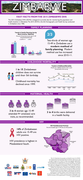
FAST FACTS FROM THE 2015 ZIMBABWE DHS
Accessed November, 2017
The IMCI chart booklet is for use by doctors, nurses and other health professionals who see young infants and children less than five years old. It facilitates the use of the IMCI case management process in practice and describes a series of all the case management steps in a form of IMCI charts.
...
These charts show the sequence of steps and provide information for performing them. The IMCI chart booklet should be used by all health professionals providing care to sick children to help them apply the IMCI case management guidelines. Health professionals should always use the chart booklet for easy reference.The chart booklet is divided into two main parts because clinical signs in sick young infants and older children are somewhat different and because case management procedures also differ between these age groups.
Sick child aged 2 months to 5 years
This part contains all the necessary clinical algorithms, information and instructions on how to provide care to sick children aged 2 months to 5 years.
Sick young infant aged up to 2 months
This part includes case management clinical algorithms for the care of a young infant aged up to 2 months.
Each of these parts contains IMCI charts corresponding to the main steps of the IMCI case management process.
more
Obesity in all age groups, including children and adolescents, is a public health challenge across all settings. Obesity is now classified as a complex multifactorial chronic disease and not just a risk factor for other noncommunicable diseases and comorbidities. Recognizing the significance of prim
...
ary health care for an effective and efficient response to the obesity epidemic, the World Health Organization (WHO) has developed guidance on how to build capacity in the health system to deliver health services for prevention and management of obesity across the life course. This policy brief discusses the challenges and opportunities for preventing obesity in children and adolescents, and providing health services to treat and manage those already living with obesity. It outlines possible interventions through the primary health care approach.
more
To improve survival and quality of life among the 2.5 million children living with HIV, a comprehensive package of prevention, care and treatment is required. This package should include management of infections such as pneumonia, diarrhoea, malaria and ear infections, as well as common opportunisti
...
c infections and HIV-related co-morbidities. WHO is developing a series of guidelines on each of these conditions, following the GRADE approach. The document on the management of pneumonia and diarrhoea in HIV-infected infants and children is the first of this series. The recommendations are similar to those for non infected children, but they cover specific aspects related to HIV infection.
more
