
Filter
1661
Featured
104
637
Language
1581
49
14
9
6
6
5
3
3
2
2
2
2
2
2
2
2
2
2
2
2
1
1
1
1
1
1
1
Document type
1281
153
108
55
25
21
6
6
4
1
1
Countries
98
73
70
64
63
54
52
52
50
46
36
35
35
33
32
32
27
26
24
24
23
22
20
19
17
17
15
15
14
14
13
12
12
10
10
10
10
9
8
8
7
7
7
6
6
6
6
6
5
4
4
4
3
3
3
3
3
3
2
2
2
2
2
2
2
2
2
2
2
2
1
1
1
1
1
1
1
1
1
1
1
1
1
1
1
1
1
1
1
1
1
1
1
1
1
1
1
1
1
1
1
1
1
1
1
1
Authors & Publishers
157
119
94
85
50
38
35
30
29
29
20
18
17
17
16
14
12
12
11
11
11
10
9
9
9
9
8
7
7
7
7
7
6
6
6
5
5
5
5
5
5
5
5
5
5
5
5
5
4
4
4
4
4
4
4
4
4
4
4
4
4
4
4
4
4
4
4
4
4
4
4
4
4
4
4
4
4
4
4
4
4
4
3
3
3
3
3
3
3
3
3
3
3
3
3
3
3
3
3
3
3
3
3
3
3
3
3
3
3
3
3
3
3
3
3
3
3
3
3
3
3
3
3
3
3
3
3
3
3
3
3
3
3
3
3
3
3
2
2
2
2
2
2
2
2
2
2
2
2
2
2
2
2
2
2
2
2
2
2
2
2
2
2
2
2
2
2
2
2
2
2
2
2
2
2
2
2
2
2
2
2
2
2
2
2
2
2
2
2
2
2
2
2
2
2
2
2
2
2
2
2
2
2
2
2
2
2
2
2
2
2
2
2
2
2
2
2
2
2
2
2
2
2
2
2
2
2
2
2
2
2
2
2
2
2
2
2
2
2
2
2
2
2
2
2
2
2
2
2
2
2
2
1
1
1
1
1
1
1
1
1
1
1
1
1
1
1
1
1
1
1
1
1
1
1
1
1
1
1
1
1
1
1
1
1
1
1
1
1
1
1
1
1
1
1
1
1
1
1
1
1
1
1
1
1
1
1
1
1
1
1
1
1
1
1
1
1
1
1
1
1
1
1
1
1
1
1
1
1
1
1
1
1
1
1
1
1
1
1
1
1
1
1
1
1
1
1
1
1
1
1
1
1
1
1
1
1
1
1
1
1
1
1
1
1
1
1
1
1
1
1
1
1
1
1
1
1
1
1
1
1
1
1
1
1
1
1
1
1
1
1
1
1
1
1
1
1
1
1
1
1
1
1
1
1
1
1
1
1
1
1
1
1
1
1
1
1
1
1
1
1
1
1
1
1
1
1
1
1
1
1
1
1
1
1
1
1
1
1
1
1
1
1
1
1
1
1
1
1
1
1
1
1
1
1
1
1
1
1
1
1
1
1
1
1
1
1
1
1
1
1
1
1
1
1
1
1
1
1
1
1
1
1
1
1
1
1
1
1
1
1
1
1
1
1
1
1
1
1
1
1
1
1
1
1
1
1
1
1
1
1
1
1
1
1
1
1
1
1
1
1
1
1
1
1
1
1
1
1
1
1
1
1
1
1
1
1
1
1
1
1
1
1
1
1
1
1
1
1
1
1
1
1
1
1
1
1
1
1
1
1
1
1
1
1
1
1
1
1
1
1
1
1
1
1
1
1
1
1
1
1
1
1
1
1
1
1
1
1
1
1
1
1
1
1
1
1
1
1
1
1
1
1
1
1
1
1
1
1
1
1
1
1
1
1
1
1
1
1
1
1
1
1
1
1
1
1
1
1
1
1
1
1
1
1
1
1
1
1
1
1
1
1
1
1
1
1
1
1
1
1
1
1
1
1
1
1
1
1
1
1
1
1
1
1
1
1
1
1
1
1
1
1
1
1
1
1
1
1
1
1
1
1
1
1
1
1
1
1
1
1
1
1
1
1
1
1
1
1
1
1
1
1
1
1
1
1
1
1
1
1
1
1
1
1
1
1
1
1
1
1
1
1
1
1
1
1
1
1
1
1
1
1
1
1
1
1
1
1
1
1
1
1
1
1
1
1
1
1
1
1
1
1
1
1
1
1
1
1
1
1
1
1
1
1
1
1
1
1
1
1
1
1
1
1
1
1
1
1
1
1
1
1
1
1
1
1
1
1
1
1
1
1
1
1
1
1
1
1
1
1
1
1
1
1
1
1
1
1
1
1
1
1
1
1
1
1
1
1
1
1
1
1
1
1
1
1
1
1
1
1
1
1
1
1
1
1
1
1
1
1
1
1
1
1
1
1
1
1
1
1
1
1
1
1
1
1
1
1
1
1
1
1
1
1
1
1
1
1
1
1
1
1
1
1
1
1
1
1
1
1
1
1
1
1
1
1
1
1
1
1
1
1
1
1
1
1
1
1
1
1
1
1
1
1
1
1
1
1
1
1
1
1
1
1
1
1
1
1
1
1
1
1
1
1
1
1
1
1
1
1
1
1
1
1
1
1
1
1
1
1
1
1
1
1
1
1
1
1
1
1
1
1
1
1
1
1
1
1
1
1
1
1
1
1
1
1
1
1
1
1
1
1
1
1
1
1
1
1
1
1
1
1
1
1
1
1
1
1
1
1
1
1
1
1
1
1
1
1
1
1
1
1
1
1
1
1
1
1
1
1
1
1
1
1
1
1
1
1
1
1
1
1
1
1
1
1
1
1
1
1
1
1
1
1
1
1
1
1
1
1
1
1
1
1
1
1
1
1
1
1
1
1
1
1
1
1
1
1
1
1
1
1
1
1
1
1
1
1
1
1
1
1
1
1
1
1
1
1
1
1
1
1
1
1
1
1
1
1
1
1
1
1
1
1
1
1
1
1
1
1
1
1
1
1
1
1
1
1
1
1
1
1
1
1
1
1
1
1
1
1
1
1
1
1
1
1
1
1
1
1
1
1
1
1
1
1
1
1
1
1
1
1
1
1
1
1
1
1
1
1
1
1
1
1
1
1
1
1
1
1
1
1
1
1
1
1
1
1
1
1
1
1
1
1
1
1
1
1
1
1
1
1
1
1
1
1
1
1
1
1
1
1
1
1
1
1
1
1
1
1
1
1
1
1
1
1
1
1
1
1
1
1
1
1
1
1
1
1
1
1
1
1
1
1
1
1
1
1
1
1
1
1
1
1
1
1
1
1
1
1
1
1
1
1
1
1
1
1
1
1
1
1
1
1
1
1
1
1
1
1
1
1
1
1
1
1
1
1
1
1
1
1
1
1
1
1
1
1
1
1
1
1
1
1
1
1
1
1
1
1
1
1
1
1
1
1
1
1
1
1
1
1
1
1
1
1
1
1
1
1
1
1
1
1
1
1
1
1
1
1
1
1
1
1
1
1
1
1
1
1
1
1
1
1
1
1
1
1
1
1
1
1
1
1
1
1
1
1
1
1
1
1
1
1
1
1
1
1
1
1
1
1
1
1
1
1
1
1
1
1
1
1
1
1
1
1
1
1
1
1
1
1
1
1
1
1
1
1
1
1
1
1
1
1
1
1
1
1
1
1
1
1
1
1
1
1
1
1
1
1
1
1
1
1
1
1
1
1
1
1
1
1
1
1
1
1
1
1
1
1
1
1
1
1
1
1
1
1
1
1
1
1
1
1
1
1
1
1
1
1
1
1
1
1
1
1
1
1
1
1
1
1
1
1
1
1
1
1
1
1
1
1
1
1
1
1
1
1
1
1
1
1
1
1
1
1
1
1
1
1
1
1
1
1
1
1
1
1
1
1
1
1
1
1
1
1
1
1
1
1
1
1
1
1
1
1
1
1
1
1
1
1
1
1
1
1
1
1
1
1
1
1
1
1
1
1
1
1
1
1
1
1
1
1
1
1
1
1
1
1
1
1
1
1
1
1
1
1
1
1
1
1
1
1
1
1
1
1
1
1
1
1
1
1
1
1
1
1
1
1
1
1
1
1
1
1
1
1
1
1
1
1
1
1
1
1
1
1
1
1
1
1
1
1
1
1
Publication Years
177
1348
134
2
Category
900
137
97
83
59
32
18
2
Toolboxes
145
134
60
40
30
28
26
25
25
22
21
21
17
17
16
12
8
8
4
3
1
1
Programming strategies for Postpartum Family Planning
World Health Organization; USAID; MCHIP
(2013)
This publication is designed to be used by programme planners and managers as a resource when designing interventions to integrate postpartum family planning into national and subnational strategies. Postpartum family planning should not be considered a ‘vertical’ programme, but rather as an int
...
egrated part of existing maternal and child health and family planning efforts. Successful interventions for postpartum family planning require holistic and evidence-based programme strategies that contribute to strengthened health systems and sustained improvements in high-quality services that put people at the centre of health care
more

This publication offers practical advice on implementing HIV and STI programmes for transgender people, with a focus on transgender women, aligned with the 2011 Recommendations and the 2014 Key Populations Consolidated Guidelines. It contains exampl
...
es of good practice from around the world that may support efforts in planning programmes and services, and describes issues that should be considered and how to overcome challenges.
This tool describes how services can be designed and implemented to be acceptable and accessible to transgender women. To accomplish this, respectful and ongoing engagement with them is essential.
This tool gives particular attention to programmes run by transgender people themselves, in contexts where this is possible. more
This tool describes how services can be designed and implemented to be acceptable and accessible to transgender women. To accomplish this, respectful and ongoing engagement with them is essential.
This tool gives particular attention to programmes run by transgender people themselves, in contexts where this is possible. more
Promising Approaches to Combination HIV Prevention Programming in Concentrated Epidemics
AIDSTAR-One CASE STUDY SERIES May 2010
Facilitator's Training Guide for a Stigma-Free Health Facility
R. Kidd; S. Clay; M. Stockton; et al.
USAID From the American People; PEPFAR; Health Policy Project
(2015)
C2
Policy
June 2015
Training Menus, Facilitation Tips, and Participatory Training Modules

The report explores strategies for sustaining the country’s responses to the three diseases and eventually transitioning away from external funding and programmatic support. It takes stock of Kenya’s health financing landscape and identifies opp
...
ortunities and challenges for sustaining effective coverage of HIV, TB, and malaria services in the long run, mindful of macro-fiscal and institutional constraints. The report informs ongoing dialogue within government, including among the Ministry of Health, National Treasury, Council of Governors, and National AIDS Control Council, as well as between government and development partners.
more
Metrics for monitoring the cascade of HIV testing, care and treatment services in Asia and the Pacific
World Health Organization; USAID; CDS
(2014)
C_WHO
Accessed July 2014
The Investment guidelines for youth in agrifood systems in Africa, developed jointly by FAO and the African Union Commission (AUC) through a multi-stakeholder and participatory process, highlight the importance of youth as change agents and key stak
...
eholders contributing to sustainable agrifood systems. The guidelines aim to accelerate investments in and by youth in agrifood systems by providing practical guidance - including tools and examples - to design, develop, implement, monitor and evaluate youth-focused and youth-sensitive investment programmes and to engage youth fully as partners in the entire process.
more

R4D conducted a thorough desk review and qualitative fiscal space analysis, 19 interviews about financing for the three diseases and the extent of alignment between public financial management systems and health policy objectives, and a validation w
...
orkshop with government officials.
Tanzania’s disease response faces a triple transition challenge: replacing donor funding, closing the resource gap that would exist even with donor funding, and more efficiently delivering on disease response objectives. more
Tanzania’s disease response faces a triple transition challenge: replacing donor funding, closing the resource gap that would exist even with donor funding, and more efficiently delivering on disease response objectives. more
This document provides an overview of the evidence of nutrition gains that can be achieved with improved WASH, a description of key WASH practices, and practical knowledge and guidance on how to integrate WASH into nutrition programmes, including important monitoring and evaluation (M&E) aspects. Th
...
e document concludes by providing a suite of case-studies and lessons learnt in integrating WASH with nutrition efforts
more

The toolkit is a collection of assessment tools and checklists that describe the key considerations to be taken into account when transitioning to Option B/B+. The toolkit provides a roadmap to support the planning and implementation of Option B/B+, and to help countries scale up more effective inte
...
rventions and programs to achieve the goals of the Global Plan Towards the Elimination of New HIV Infections among Children by 2015 and Keeping their Mothers Alive.
more
To Stay and Deliver - Good practice for humanitarians in complex security environments
Jan Egeland, Norwegian Institute of International Affairs; Adele Harmer and Abby Stoddard, Humanitarian Outcomes
Office for the Coordination of Humanitarian Affairs (OCHA)
(2011)
C2
The report offers an analysis of the broader challenges to securing humanitarian action and recommends areas for improvement. This study will contribute to improving the way humanitarians ‘do business’ in complex
security environments. Document
...
also available in French, Arabic and Spanish.
more
AIDSTAR-One | CASE STUDY SERIES November 2012
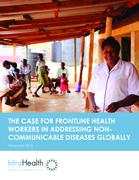
Frontline health workers (FHWs) provide services directly to communities where they are most needed, especially in remote and rural areas. Many are community health workers and midwives, though they can also include local emergency responders/paramedics, pharmacists, nurses, and doctors who serve in
...
community clinics.
The growing burden of non-communicable diseases (NCDs) on low- and middle-income countries threatens many health systems that are already weakened. In many countries, health systems—and health workers—are not prepared to address the complex nature of NCDs. Health systems are often fragmented, and designed to respond to single episodes of care or long-term prevention and control of infectious diseases.1 Many countries also continue to face shortages and distribution challenges of trained and supported health workers. As most NCDs are multifactorial in origin and are detected later in their evolution, health systems face significant challenges to provide early detection as well as affordable, effective, and timely treatment, particularly in underserved communities.
more
