
Filter
987
Text search:
UNICEF
Uganda
Featured
Recommendations
95
New Publications
273
Language
Document type
No document type
619
Studies & Reports
174
Guidelines
95
Strategic & Response Plan
36
Manuals
28
Situation Updates
14
Fact sheets
11
Training Material
3
Resource Platforms
2
Infographics
2
Videos
2
Brochures
1
Countries / Regions
Uganda
104
Global
49
Kenya
37
Africa
34
Congo, Democratic Republic of
32
South Sudan
30
Rwanda
27
Sierra Leone
26
Ethiopia
26
Liberia
22
Nigeria
18
Zambia
17
Tanzania
15
Malawi
14
Mozambique
13
Zimbabwe
12
East and Southern Africa
11
Syria
9
Guinea
8
Ghana
8
South Africa
8
West and Central Africa
8
Somalia
7
Germany
7
Senegal
6
Cameroon
6
India
6
Bangladesh
6
Burkina Faso
5
Haiti
5
Nepal
5
Sudan
5
Central African Republic
5
Burundi
5
Mali
4
Côte d’Ivoire / Ivory Coast
4
Namibia
4
Brazil
4
Colombia
4
Togo
3
Pakistan
3
Jordan
3
Afghanistan
3
Lebanon
3
Indonesia
3
Eswatini/ Swaziland
3
Lesotho
3
Yemen
3
Middle East and North Africa
3
Latin America and the Carribbean
3
Western and Central Europe
3
Guinea-Bissau
2
Niger
2
Philippines
2
Iraq
2
Chad
2
Thailand
2
Argentina
2
Peru
2
Ukraine
2
Bolivia
2
Madagascar
2
Venezuela
2
Eastern Europe
2
Morocco
1
Egypt
1
Cambodia
1
Gambia
1
Papua New Guinea
1
Benin
1
Vanuatu
1
Honduras
1
Botswana
1
El Salvador
1
Angola
1
Guatemala
1
Mexico
1
Nicaragua
1
Chile
1
South–East Asia Region
1
Eastern Europe and Central Asia
1
Solomon Islands
1
North Korea
1
Djibouti
1
Southern Africa
1
Laos
1
Iran
1
Vietnam
1
Gabon
1
Uruguay
1
Maldives
1
Tunisia
1
Spain
1
Authors & Publishers
Publication Years
Category
Countries
294
Women & Child Health
126
Clinical Guidelines
70
Public Health
59
Key Resources
51
Capacity Building
15
Pharmacy & Technologies
5
General Guidelines
1
Toolboxes
HIV
147
COVID-19
81
Disability
73
Mental Health
56
Ebola
50
Conflict
47
Refugee
32
Caregiver
24
Planetary Health
23
Rapid Response
22
Global Health Education
21
TB
12
AMR
12
Natural Hazards
11
Health Financing Toolbox
10
Zika
9
NTDs
9
Pharmacy
6
Cholera
5
Specific Hazards
5
Polio
3
NCDs
3
South Sudan
1
Social Ethics
1
WHO and UNITAID
in collaboration with IMPAACT (International Maternal Pediatric Adolescent AIDS Clinical Trials) network, PENTA (Paediatric European Network for Treatment of AIDS) foundation and experts from the Paediatric Antiretroviral Working Group
Gender-based Violence Area of Responsibility Working Group July 2010
Adolescent girls and young women (AGYW) remain disproportionately affected by HIV in Eastern and Southern Africa (ESA), with 26 per cent of new infections attributed to this population. AGYW face many personal, social and structural barriers to access, uptake and use of traditional HIV prevention me
...
The 2021 COVID-19 Strategic Preparedness and Response Plan (SPRP) for AFR serves as a regional guide for a holistic public health response to COVID‑19 at regional, national and sub-national levels. The 2021
SPRP:
1. Builds upon the lessons learnt from the implementation of the 2020 SPRP and outl
...

In 2014, the Ministry of Health (MOH) in Malawi conducted a nationwide assessment of emergency obstetric and newborn care (EmONC) services. This cross-sectional facility-based survey used 10 data collection modules. Data collection began on 23rd September 2014 and concluded on 17th October 2014, in
...
UNAIDS Series: Engaging uniformed services in the fight against AIDS - Case Study 1
Fighting AIDS
On 17 October 2017, the Ugandan Ministry of Health notified WHO of a confirmed Marburg outbreak of Marburg Virus disease (MVD) in Kween district, Eastern Uganda. The outbreak was officially declared by the Ministry of health on 19 October 2017.
As
...
The WHO/UNICEF JMP report, WASH in Health Care Facilities, is the first comprehensive global assessment of water, sanitation and hygiene (WASH) in health care facilities. It also finds that 1 in 5 health care facilities has no sanitation service*, i
...

This document introduces four strategic objectives and twelve operational principles for good pharmaceutical procurement. These objectives and principles have been developed and endorsed by the Interagency Pharmaceutical Coordination Group (IPC), involving the pharmaceutical advisers of the United
...
Rwanda: Ebola Preparedness Emergency Plan of Action (EPoA) Final Report - DREF Operation n° MDRRW017
Eleven (11) districts in Rwanda were initially were considered most at risk of the outbreak, namely:
• Rusizi, Nyamasheke, Karongi, Rutsiro, Rubavu (bordering DRC)
• Musanze, Burera, Gicumbi and Nyagatare (bordering Uganda)
• Kigali city (c
...
This study, and similar studies in Kenya, Mozambique, Swaziland, Uganda, and Zambia is the outcome of close collaborative by a team in Swaziland, with technical and financial support from the UNAIDS Regional Support Team for Eastern and Southern Afr
...
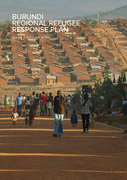
As the Burundi refugee crisis enters its fourth year, some 430,000 Burundian refugees are being hosted across the region by the governments and people of Tanzania, Rwanda, the Democratic Republic of the Congo, and Uganda. Although the spectre of mas
...
This brief gives an overview of disability rights in the Sub-Saharan region, with focus on Sida partner countries; DRC, Ethiopia, Kenya, Liberia, Mali, Mozambique, Rwanda, Somalia, Sudan and South Sudan, Tanzania, Uganda, Zambia and Zimbabwe
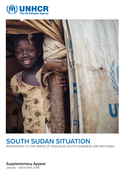
The refugee exodus from South Sudan continues at an alarming rate, even as the crisis is entering its fifth year. Close to 2.4 million South Sudanese have fled to neighbouring countries mostly to Uganda—the largest host country in sub-Saharan Afri
...

In the last 5 years, the conflict in South Sudan has displaced 4 million people and placed 7 million in need of humanitarian assistance.
This report commissioned by Plan International draws on research conducted with girls and members of their families and communities in multiple sites in South ...
This report commissioned by Plan International draws on research conducted with girls and members of their families and communities in multiple sites in South ...

Despite growing evidence on the impact of psychosocial support interventions, there is an urgent need for a stronger evidence base on approaches that effectively support children affected by armed conflict. To contribute to this evidence base, and building on a pilot study conducted in
...
Growing evidence indicates that large proportions of children around the world experience physical, sexual and emotional violence every year, with enormous implications for human rights, public health and economic and social development.1 Over the last five years, national governments and Together f
...
