
Filter
360
Text search:
Leishmaniasis
Featured
42
79
Language
Document type
141
78
44
25
18
16
14
11
4
4
3
1
1
Countries / Regions
51
17
16
13
11
10
10
9
8
8
7
6
6
5
5
5
5
4
3
3
3
3
3
3
3
3
3
2
2
2
2
2
2
2
2
2
2
1
1
1
1
1
1
1
1
1
1
1
1
1
1
1
1
1
1
1
1
1
1
1
1
1
1
1
1
1
1
1
1
Authors & Publishers
Publication Years
Category
114
61
33
13
5
5
4
Toolboxes
128
23
14
11
8
7
7
6
4
4
3
3
2
2
1
1
1
1
1
1
Guideline ‒ Alternative mass drug administration regimens to eliminate lymphatic filariasis
recommended
Lymphatic filariasis is a vector-borne neglected tropical disease that causes damage of the lymphatic system and can lead to lymphoedema (elephantiasis) and hydrocele in infected individuals. The global baseline estimate of persons affected by lymphatic filariasis is 25 million men with hydrocele an
...
Statement
Impact of migration on infectious diseases in Europe | August 2007 | 1-7
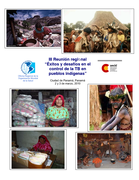
Ciudad de Panamá, Panamá 2 y 3 de marzo, 2010
Transforming Health: Accelerating attainment of Health Goals | THE SECOND MEDIUM TERM PLAN FOR HEALTH

Safe water, sanitation and hygiene (collectively known as WASH) are crucial for human health and well-being. Yet, millions of people globally lack adequate WASH services and consequently suffer from or are exposed to a multitude of preventable illnesses.

This document provides guidance for countries on how to implement activities to achieve the interruption of yaws transmission. It is intended for use by national yaws eradication programmes, partners involved in the implementation of yaws eradication activities and WHO technical staff who provide te
...
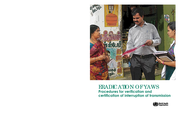
This document sets out the criteria and procedures to be followed by countries in verifying the interruption of yaws transmission. It is intended for use by international verification teams, national yaws eradication programmes and WHO technical staff involved in the eradication of yaws.

The strategic plan reflects shared commitments to enhance collaboration between environmental, animal (wildlife and domestic) and human health, and building new One Health workforce capacity through higher institutions of learning. The strategy also outlines interventions to be undertaken by governm
...
Vaccins antirabiques: Note de synthèse de l’OMS – avril 2018
Weekly epidemiological record / Relevé épidémiologique hebdomadaire
20 APRIL 2018, 93th YEAR / 20 AVRIL 2018, 93e ANNÉE
Weekly epidemiological record / Relevé épidémiologique hebdomadaire
20 APRIL 2018, 93th YEAR / 20 AVRIL 2018, 93e ANNÉE

The Global vector control response 2017–2030 (GVCR) provides a new strategy to strengthen vector control worldwide through increased capacity, improved surveillance, better coordination and integrated action across sectors and diseases.
In May 2017, the World Health Assembly adopted resolutio ...
In May 2017, the World Health Assembly adopted resolutio ...
