
Filter
3249
Text search:
Behaviour
and
response
Featured
285
904
Language
3153
67
55
52
37
21
19
9
6
5
5
5
4
4
4
3
3
3
3
3
3
3
3
3
2
2
2
2
2
2
2
2
2
2
2
2
2
2
2
2
1
1
1
1
1
1
1
1
1
1
1
1
1
1
1
1
1
Document type
2002
473
357
169
113
62
43
17
5
5
2
1
Countries
163
125
97
88
77
67
67
65
61
60
60
58
54
53
49
48
44
37
34
34
32
26
26
25
25
24
24
24
24
18
17
16
15
14
13
13
12
12
12
12
10
10
9
9
9
9
8
8
8
7
7
7
6
6
6
6
6
6
5
5
5
4
4
4
4
4
4
4
3
3
3
3
3
3
2
2
2
2
2
2
2
2
2
2
2
2
2
2
2
2
2
2
1
1
1
1
1
1
1
1
1
1
1
1
1
1
1
1
1
1
1
1
1
1
1
1
1
1
1
1
1
1
1
1
1
1
1
1
Authors & Publishers
413
178
154
118
115
87
75
70
37
34
27
25
24
24
23
22
21
21
21
19
18
17
16
16
16
14
14
14
13
13
13
12
11
11
11
10
10
10
9
9
9
9
9
9
8
8
8
7
7
7
7
7
7
7
7
7
7
7
7
6
6
6
6
6
6
6
6
6
6
6
6
6
6
6
6
5
5
5
5
5
5
5
5
5
5
5
5
5
5
5
5
5
5
5
5
5
4
4
4
4
4
4
4
4
4
4
4
4
4
4
4
4
4
4
4
4
4
4
4
4
4
4
4
4
4
4
4
4
4
4
4
4
4
4
4
4
4
4
4
4
3
3
3
3
3
3
3
3
3
3
3
3
3
3
3
3
3
3
3
3
3
3
3
3
3
3
3
3
3
3
3
3
3
3
3
3
3
3
3
3
3
3
3
3
3
3
3
3
3
3
3
3
3
3
3
3
3
3
3
3
3
3
3
3
3
3
3
3
3
3
2
2
2
2
2
2
2
2
2
2
2
2
2
2
2
2
2
2
2
2
2
2
2
2
2
2
2
2
2
2
2
2
2
2
2
2
2
2
2
2
2
2
2
2
2
2
2
2
2
2
2
2
2
2
2
2
2
2
2
2
2
2
2
2
2
2
2
2
2
2
2
2
2
2
2
2
2
2
2
2
2
2
2
2
2
2
2
2
2
2
2
2
2
2
2
2
2
2
2
2
2
2
2
2
2
2
2
2
2
2
2
2
2
2
2
2
2
2
2
2
2
2
2
2
2
2
2
2
2
2
2
2
2
2
2
2
2
2
2
2
2
2
2
2
2
2
2
2
2
2
2
2
2
2
2
2
2
2
2
2
2
2
2
2
2
2
2
2
2
2
2
2
2
2
2
2
2
2
2
2
2
2
2
2
2
2
2
2
2
2
2
2
2
2
2
2
2
2
2
2
2
2
2
2
2
2
2
2
2
2
2
2
2
2
2
2
2
2
2
2
2
2
2
2
2
2
2
2
2
2
2
2
2
2
1
1
1
1
1
1
1
1
1
1
1
1
1
1
1
1
1
1
1
1
1
1
1
1
1
1
1
1
1
1
1
1
1
1
1
1
1
1
1
1
1
1
1
1
1
1
1
1
1
1
1
1
1
1
1
1
1
1
1
1
1
1
1
1
1
1
1
1
1
1
1
1
1
1
1
1
1
1
1
1
1
1
1
1
1
1
1
1
1
1
1
1
1
1
1
1
1
1
1
1
1
1
1
1
1
1
1
1
1
1
1
1
1
1
1
1
1
1
1
1
1
1
1
1
1
1
1
1
1
1
1
1
1
1
1
1
1
1
1
1
1
1
1
1
1
1
1
1
1
1
1
1
1
1
1
1
1
1
1
1
1
1
1
1
1
1
1
1
1
1
1
1
1
1
1
1
1
1
1
1
1
1
1
1
1
1
1
1
1
1
1
1
1
1
1
1
1
1
1
1
1
1
1
1
1
1
1
1
1
1
1
1
1
1
1
1
1
1
1
1
1
1
1
1
1
1
1
1
1
1
1
1
1
1
1
1
1
1
1
1
1
1
1
1
1
1
1
1
1
1
1
1
1
1
1
1
1
1
1
1
1
1
1
1
1
1
1
1
1
1
1
1
1
1
1
1
1
1
1
1
1
1
1
1
1
1
1
1
1
1
1
1
1
1
1
1
1
1
1
1
1
1
1
1
1
1
1
1
1
1
1
1
1
1
1
1
1
1
1
1
1
1
1
1
1
1
1
1
1
1
1
1
1
1
1
1
1
1
1
1
1
1
1
1
1
1
1
1
1
1
1
1
1
1
1
1
1
1
1
1
1
1
1
1
1
1
1
1
1
1
1
1
1
1
1
1
1
1
1
1
1
1
1
1
1
1
1
1
1
1
1
1
1
1
1
1
1
1
1
1
1
1
1
1
1
1
1
1
1
1
1
1
1
1
1
1
1
1
1
1
1
1
1
1
1
1
1
1
1
1
1
1
1
1
1
1
1
1
1
1
1
1
1
1
1
1
1
1
1
1
1
1
1
1
1
1
1
1
1
1
1
1
1
1
1
1
1
1
1
1
1
1
1
1
1
1
1
1
1
1
1
1
1
1
1
1
1
1
1
1
1
1
1
1
1
1
1
1
1
1
1
1
1
1
1
1
1
1
1
1
1
1
1
1
1
1
1
1
1
1
1
1
1
1
1
1
1
1
1
1
1
1
1
1
1
1
1
1
1
1
1
1
1
1
1
1
1
1
1
1
1
1
1
1
1
1
1
1
1
1
1
1
1
1
1
1
1
1
1
1
1
1
1
1
1
1
1
1
1
1
1
1
1
1
1
1
1
1
1
1
1
1
1
1
1
1
1
1
1
1
1
1
1
1
1
1
1
1
1
1
1
1
1
1
1
1
1
1
1
1
1
1
1
1
1
1
1
1
1
1
1
1
1
1
1
1
1
1
1
1
1
1
1
1
1
1
1
1
1
1
1
1
1
1
1
1
1
1
1
1
1
1
1
1
1
1
1
1
1
1
1
1
1
1
1
1
1
1
1
1
1
1
1
1
1
1
1
1
1
1
1
1
1
1
1
1
1
1
1
1
1
1
1
1
1
1
1
1
1
1
1
1
1
1
1
1
1
1
1
1
1
1
1
1
1
1
1
1
1
1
1
1
1
1
1
1
1
1
1
1
1
1
1
1
1
1
1
1
1
1
1
1
1
1
1
1
1
1
1
1
1
1
1
1
1
1
1
1
1
1
1
1
1
1
1
1
1
1
1
1
1
1
1
1
1
1
1
1
1
1
1
1
1
1
1
1
1
1
1
1
1
1
1
1
1
1
1
1
1
1
1
1
1
1
1
1
1
1
1
1
1
1
1
1
1
1
1
1
1
1
1
1
1
1
1
1
1
1
1
1
1
1
1
1
1
1
1
1
1
1
1
1
1
1
1
1
1
1
1
1
1
1
1
1
1
1
1
1
1
1
1
1
1
1
1
1
1
1
1
1
1
1
1
1
1
1
1
1
1
1
1
1
1
1
1
1
1
1
1
1
1
1
1
1
1
1
1
1
1
1
1
1
1
1
1
1
1
1
1
1
1
1
1
1
1
1
1
1
1
1
1
1
1
1
1
1
1
1
1
1
1
1
1
1
1
1
1
1
1
1
1
1
1
1
1
1
1
1
1
1
1
1
1
1
1
1
1
1
1
1
1
1
1
1
1
1
1
1
1
1
1
1
1
1
1
1
1
1
1
1
1
1
1
1
1
1
1
1
1
1
1
1
1
1
1
1
1
1
1
1
1
1
1
1
1
1
1
1
1
1
1
1
1
1
1
1
1
1
1
1
1
1
1
1
1
1
1
1
1
1
1
1
1
1
1
1
1
1
1
1
1
1
1
1
1
1
1
1
1
1
1
1
1
1
1
1
1
1
1
1
1
1
1
1
1
1
1
1
1
1
1
1
1
1
1
1
1
1
1
1
1
1
1
1
1
1
1
1
1
1
1
1
1
1
1
1
1
1
1
1
1
1
1
1
1
1
1
1
1
1
1
1
1
1
1
1
1
1
1
1
1
1
1
1
1
1
1
1
1
1
1
1
1
1
1
1
1
1
1
1
1
1
1
1
1
1
1
1
1
1
1
1
1
1
1
1
1
1
1
1
1
1
1
1
1
1
1
1
1
1
1
1
1
1
1
1
1
1
1
1
1
1
1
1
1
1
1
1
1
1
1
1
1
1
1
1
1
1
1
1
1
1
1
1
1
1
1
1
1
1
1
1
1
1
1
1
1
1
1
1
1
1
1
1
1
1
1
1
1
1
1
1
1
1
1
1
1
1
1
1
1
1
1
1
1
1
1
1
1
1
1
1
1
1
1
1
1
1
1
1
1
1
1
1
1
1
1
1
1
1
1
1
1
1
1
1
1
1
1
1
1
1
1
1
1
1
1
1
1
1
1
1
1
1
1
1
1
1
1
1
1
1
1
1
1
1
1
1
1
1
1
1
1
1
1
1
1
1
1
1
1
1
1
1
1
1
1
1
1
1
1
1
1
1
1
1
1
1
1
1
1
1
1
1
1
1
1
1
1
1
1
1
1
1
1
1
1
1
1
1
1
1
1
1
1
1
1
1
1
1
1
1
1
1
1
1
1
1
1
1
1
1
1
1
1
1
1
1
1
1
1
1
1
1
1
1
1
1
1
1
1
1
1
1
1
1
1
1
1
1
1
1
1
1
1
1
1
1
1
1
1
1
1
1
1
1
1
1
1
1
1
1
1
1
1
1
1
1
1
1
1
1
1
1
1
1
1
1
1
1
1
1
1
1
1
1
1
1
1
1
1
1
1
1
1
1
1
1
1
1
1
1
1
1
1
1
1
1
1
1
1
1
1
1
1
1
1
1
1
1
1
1
1
1
1
1
1
1
1
1
1
1
1
1
1
1
1
1
1
1
1
1
1
1
1
1
1
1
1
1
1
1
1
1
1
1
1
1
1
1
1
1
1
1
1
1
1
1
1
1
1
1
1
1
1
1
1
1
1
1
1
1
1
1
1
1
1
1
1
1
1
1
1
1
1
1
1
1
1
1
1
1
1
1
1
1
1
1
1
1
1
1
1
1
1
1
1
1
1
1
1
1
1
1
1
1
1
1
1
1
1
1
1
1
1
1
1
1
1
1
1
1
1
1
1
1
1
1
1
1
1
1
1
1
1
1
1
1
1
1
1
1
1
1
1
1
1
1
1
1
1
1
1
1
1
1
1
1
1
1
1
1
1
1
1
1
1
1
1
1
1
1
1
1
1
1
1
1
1
1
1
1
1
1
1
1
1
1
1
1
1
1
1
1
1
1
1
1
1
1
1
1
1
1
1
1
1
1
1
1
1
1
1
1
1
1
1
1
1
1
1
1
1
1
1
1
1
1
1
1
1
1
1
1
1
1
1
1
1
1
1
1
1
1
1
1
1
1
1
1
1
1
1
1
1
1
1
1
1
1
1
1
1
1
1
1
1
1
1
1
1
1
1
1
1
1
1
1
1
1
1
1
1
1
1
1
1
1
1
1
1
1
1
1
1
1
1
1
1
1
1
1
1
1
1
1
1
1
1
1
1
1
1
1
1
1
1
1
1
1
1
1
1
1
1
1
1
1
1
1
1
1
1
1
1
1
1
1
1
1
1
1
1
1
1
1
1
1
1
1
1
1
1
1
1
1
1
1
1
1
1
1
1
1
1
1
1
1
1
1
1
1
1
1
1
1
1
1
1
1
1
1
1
1
1
1
1
1
1
1
1
1
1
1
1
1
1
1
1
1
1
1
1
1
1
1
1
1
1
1
1
1
1
1
1
1
1
1
1
1
1
1
1
1
1
1
1
1
1
1
1
1
1
1
1
1
1
1
1
1
1
1
1
1
1
1
1
1
1
1
1
1
1
1
1
1
1
1
1
1
1
1
1
1
1
1
1
1
1
1
1
1
1
1
1
1
1
1
1
1
1
1
1
1
1
1
1
1
1
1
1
1
1
1
1
1
1
1
1
1
1
1
1
1
1
1
1
1
1
1
1
1
1
1
1
1
1
1
1
1
1
1
1
1
1
1
1
1
1
1
1
1
1
1
1
1
1
1
1
1
1
1
1
1
1
1
1
1
1
1
1
1
1
1
1
1
1
1
1
1
1
1
1
1
1
1
1
1
1
1
1
1
1
1
1
1
1
1
1
1
1
1
1
1
1
1
1
1
1
1
1
1
1
1
1
1
1
1
1
1
1
1
1
1
1
1
1
1
1
1
1
1
1
1
1
1
1
1
1
1
1
1
1
1
1
1
1
1
1
1
1
1
1
1
1
1
1
1
1
1
1
1
1
1
1
1
1
1
1
1
1
1
1
1
1
1
1
1
1
1
1
1
1
1
1
1
1
1
1
1
1
1
1
1
1
1
1
1
1
1
1
1
1
1
1
1
1
1
1
1
1
1
1
1
1
1
1
1
1
1
1
1
1
1
1
1
1
1
1
1
1
1
1
1
1
1
1
1
1
1
1
1
1
1
1
1
1
1
1
1
1
1
1
1
1
1
1
1
1
1
1
1
1
1
1
1
1
1
1
1
1
1
1
1
1
1
1
1
1
1
1
1
1
1
1
1
1
1
1
1
1
1
1
1
1
1
1
1
1
1
1
1
1
1
1
1
1
1
1
1
1
1
1
1
1
1
1
1
1
1
1
1
1
1
1
1
1
1
1
1
1
1
1
1
1
1
1
1
1
1
1
1
1
1
1
1
1
1
1
1
1
1
1
1
1
1
1
1
1
1
1
1
1
1
1
1
1
1
1
1
1
1
1
1
1
1
1
1
1
1
1
1
1
1
1
1
1
1
1
1
1
1
1
1
1
1
1
1
1
1
1
1
Publication Years
1
773
2143
324
8
Category
1138
203
182
177
148
70
10
3
1
1
Toolboxes
388
322
238
122
107
103
99
86
83
80
75
60
54
53
39
27
25
24
20
17
16
14
12
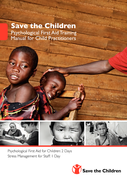
The training manual consists of: (i) Tools for communication, reassurance and comfort for staff working directly with distressed children; (ii) Advice and guidance for staff working with parents
...
and primary care-givers; (iii) Suggestions for ways to support a distressed child. It provides a non-intrusive skills set of communication and actions that can be used by staff working with survivors of distressing events. The training programme develops skills for providing physical and emotional comfort by modeling calmness and enables a constructive format through active listening that allows survivors to voice their concerns and needs. It also helps to connect survivors to practical assistance through referral networks and information on positive coping strategies.
The manuals are available in Englisch, French, Spanish, Arabic and German
Additional training aids download directly from the website. https://resourcecentre.savethechildren.net/library/save-children-psychological-first-aid-training-manual-child-practitioners
more

Commissioned by Plan International the report draws on data from research conducted in Bangladesh in April 2018. It explores how adolescent girls within two age brackets (10-14 and 15-19) understand the unique impact the crisis has upon them,
...
and how they have responded to the challenges they face.
Despite the numbers of adolescent girls affected so profoundly by the ongoing Rohingya crisis, and of course, by many crises around the world, it is rare that either their own communities or the humanitarian sector at large pay much attention to them. This research is an attempt to rectify that: to acknowledge that girls and young women do have rights and that their ideas are worth listening to and acting upon.
Among the many learnings, we discovered that girls feel isolated. They have settled among strangers, and parents worry about their safety, keeping them even more trapped inside their new, makeshift homes.
75% of girls interviewed said they have no ability to make decisions about their own lives. more
Despite the numbers of adolescent girls affected so profoundly by the ongoing Rohingya crisis, and of course, by many crises around the world, it is rare that either their own communities or the humanitarian sector at large pay much attention to them. This research is an attempt to rectify that: to acknowledge that girls and young women do have rights and that their ideas are worth listening to and acting upon.
Among the many learnings, we discovered that girls feel isolated. They have settled among strangers, and parents worry about their safety, keeping them even more trapped inside their new, makeshift homes.
75% of girls interviewed said they have no ability to make decisions about their own lives. more

The articles in this compendium elaborate on some of the ideas shared at the symposium. Together, they provide a broad view of the dynamic interactions among physical, sexual and brain development that take place during adolescence. They highlight s
...
ome of the risks to optimal development – including toxic stress, which can interfere with the formation of brain connections, and other vulnerabilities unique to the onset of puberty and independence. They also point to the opportunities for developing interventions that can build on earlier investments in child development – consolidating gains and even offsetting the effects of deficits and traumas experienced earlier in childhood.
more

The current SEARVAP (South-East Asia regional vaccine action plan) describes a set of regional goals and objectives for immunization and control of vaccine-preventable diseases for 2016 – 2020
...
and highlights priority actions, targets and indicators that address the specific needs and challenges of countries in the Region.
more
Journal of the International AIDS Society 2017, vol. 20:e25026
In Myanmar, men who have sex with men (MSM) experience high risk of HIV infection. However, access to HIV testing and prevention services remains a challenge among this marginalized ... population. The objective of this study was to estimate population prevalence and correlates of prior HIV testing among young MSM (YMSM) and informs the development of HIV testing and intervention programmes that respond to the specific needs of this population.
https://doi.org/10.1002/jia2.25026 more
In Myanmar, men who have sex with men (MSM) experience high risk of HIV infection. However, access to HIV testing and prevention services remains a challenge among this marginalized ... population. The objective of this study was to estimate population prevalence and correlates of prior HIV testing among young MSM (YMSM) and informs the development of HIV testing and intervention programmes that respond to the specific needs of this population.
https://doi.org/10.1002/jia2.25026 more

The strategic priorities of the CCS 2014–2018 are:
(1) Strengthening the health system.
(2) Enhancing the achievement of communicable disease control targets.
(3) Controlling the growth of the noncommunicable disease burden.
(4) Promoting health throughout the life course.
... (5) Strengthening capacity for emergency risk management and surveillance systems for various health threats. more
(1) Strengthening the health system.
(2) Enhancing the achievement of communicable disease control targets.
(3) Controlling the growth of the noncommunicable disease burden.
(4) Promoting health throughout the life course.
... (5) Strengthening capacity for emergency risk management and surveillance systems for various health threats. more
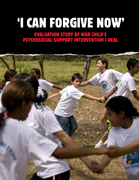
Despite growing evidence on the impact of psychosocial support interventions, there is an urgent need for a stronger evidence base on approaches that effectively support children affected by armed conflict. To contribute to this evidence base, and b
...
uilding on a pilot study conducted in Uganda in 2009, War Child conducted an exploratory outcome evaluation of its psychosocial support intervention ‘I DEAL’ in South Sudan and Colombia in 2012. The objective of the evaluation was to explore the outcomes that I DEAL achieves for children and the factors that influence the achievement of those outcomes to further inform and strengthen the intervention
more
This timely report comes at a decisive moment in history where
we can reshape urban environments and health systems for the
majority of the world’s population that live in cities. Enabling
this transformation are the SDGs, which have reconfigur
...
ed how
governments and the international community need to plan and
implement actions to eradicate poverty and inequality, create
inclusive economic growth, preserve the planet and improve
population health. Central to this quest is to create equitable,
healthier cities for sustainable development.
more
This document aims to assist policy‑makers, health care providers and researchers to understand key concepts in health ethics and to identify basic ethical questions surrounding health
...
and health care. It illustrates the challenges of applying ethical principles to global public health and outlines practical strategies for dealing with those challenges.
more
Case management is an approach at the core of social work. Case management is the process required for improving the quality of life for vulnerable children in need of care and protection. This manual is intended to support social workers in their c
...
ase management role and reduce overall workload by ensuring case management processes are conducted efficiently with best outcomes for children.
more
Global Tuberculosis Report 2021
recommended
Each year, the WHO Global TB Report provides a comprehensive and up-to-date assessment of the TB epidemic, and of progress in prevention, diagnosis and
...
treatment of the disease, at global, regional and country levels. This is done in the context of global TB commitments, strategies and targets.
The 2021 edition of the report has been produced in a new and more web-centric format. This is designed to make the content available in smaller (more “bite-sized”) chunks that are easier to read, digest, navigate and use. There is a short and slim report PDF with 30 pages of main content plus six short annexes. This is accompanied by expanded and more detailed digital content on web pages. The total amount of content remains similar to that of previous years.
Available in English, French, Arabic and Chinese
more

3 August 2021- Gatherings are events characterized by the concentration of people at a specific location for a specific purpose over a set period of time.
The aim of this policy brief is to present WHO’s position on, and guidance in relation to,
...
holding gatherings during the COVID-19 pandemic. It is intended for policy-makers; the information is derived from WHO publications and on a review of evidence extracted from the scientific literature.
more
This briefing paper provides an overview of pre-exposure prophylaxis (PrEP) for people planning, commissioning or providing HIV prevention activities in the UK. It does this by reviewing thirty key questions about PrEP and how it might be implemente
...
d in the UK.
more
Module 3
Counsellors
July 2017
Module 3: Counsellors. This module is for staff who counsel people as they consider PrEP or start taking PrEP and support them in coping with side-effects and a
...
dherence strategies. Those who counsel PrEP users may be lay, peer or professional counsellors and healthcare workers, including nurses, clinical officers and doctors.
more
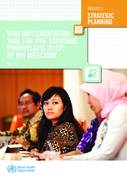
Module 9
Strategic planning
July 2017
Module 9: Strategic planning. As WHO recommends offering PrEP to people at substantial HIV risk, this module offers public health guidance for policy-makers on how to prioritize services, in order to reach those who could benefit most from PrEP,
...
and in which settings PrEP services could be most cost-effective.
more
Antimicrobial resistance (AMR) is a serious public health concern with economic, social and political implications that are global in scope, and cross all environmental
...
and ethnic boundaries. As a global threat, AMR risks the achievements of modern medicine, and has the potential to impact overall global development. It is important, therefore, to elevate AMR beyond health as part of a larger development agenda in the context of the Sustainable Development Goals (SDGs). This report provides in-depth technical discussions in areas that have direct implications to the containment of AMR as a development agenda. The report is organized in five chapters which served as the technical background documents for the Biregional Technical Consultation on AMR in Asia, 14-15 April 2016. More information from the meeting is available in the WHO Meeting Report: Biregional Technical Consultation on Antimicrobial Resistance in Asia. The meeting was the first time senior officials from the Ministry of Health and Ministry of Agriculture across Asia came together to tackle AMR
more

Primary health care, as outlined in the 1978 Declaration of Alma-Ata and again 40 years later in the 2018 WHO/UNICEF document A vision for primary health care in the 21st century: towards universal health coverage
...
and the Sustainable Development Goals, is a whole-of-government and whole-of-society approach to health that combines the following three components: multisectoral policy and action; empowered people and communities; and primary care and essential public health functions as the core of integrated health services.(1) Primary health care-oriented health systems are health systems organized and operated so as to make the right to the highest attainable level of health the main goal, while maximizing equity and solidarity. They are composed of a core set of structural and functional elements that support achieving universal coverage and access to services that are acceptable to the population and that are equity enhancing. The term “primary care” refers to a key process in the health system that supports first-contact, accessible, continued, comprehensive and coordinated patient-focused care.
more
This is the first version of the INEE technical guideline to support education during the Covid-19 pandemic. It is a living document that will be regularly updated to meet the learning and well-being needs of children, adolescents, youth, teachers,
...
caregivers and other education personnel affected by Covid-19.
more
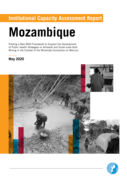
This report presents an assessment of the institutional readiness to detect, prevent and address health issues associated with ASGM and aims to provide an input to the Ministry of Health (MISAU) to
...
define key priorities in the Public Health Strategy on ASGM. Based on the consultation of representatives of MISAU as well as various other ministries and stakeholder groups concerned with ASGM, the report assesses institutional capacity strengths and challenges in the public health sector and identifies key stakeholders relevant for the development and implementation of a public health strategy for the ASGM sector.
more

Measuring progress towards universal health coverage.
This sixth edition of Health at a Glance Asia/Pacific presents a set of key indicators of health status, the determinants of health, health care resources and utilisation, health care expenditur
...
e and financing and quality of care across 27 Asia-Pacific countries and territories. It also provides a series of dashboards to compare performance across countries and territories, and a thematic analysis on the impact of the COVID-19 outbreak on Asia/Pacific health systems.
more
