
Filter
3799
Text search:
family
planning
methods
Featured
317
1199
Language
3719
81
61
42
40
20
19
7
6
6
5
5
5
5
4
3
3
3
3
3
3
3
3
2
2
2
2
2
2
2
2
1
1
1
1
1
1
1
1
1
1
1
1
1
1
1
1
1
1
Document type
2596
416
380
202
78
66
24
12
8
6
2
2
1
1
Countries
231
135
117
108
97
85
84
84
82
80
77
75
74
71
71
69
55
52
42
39
38
36
35
34
33
30
28
27
26
24
22
21
21
17
16
16
16
15
14
14
14
14
13
13
13
12
12
11
9
9
8
7
7
7
6
6
6
6
6
6
6
6
5
5
5
5
5
5
4
4
4
4
4
3
3
3
3
3
3
2
2
2
2
2
2
2
2
2
2
2
2
2
2
1
1
1
1
1
1
1
1
1
1
1
1
1
1
1
1
1
1
1
1
1
1
1
1
1
1
1
1
1
1
1
Authors & Publishers
360
168
162
102
96
95
92
78
63
32
30
27
26
24
24
22
21
21
20
19
18
17
17
16
16
16
15
15
14
14
14
13
13
13
13
13
13
12
12
12
12
11
11
11
10
10
10
10
10
10
10
9
9
9
9
9
9
9
9
8
8
7
7
7
7
7
7
7
7
7
7
7
7
7
7
6
6
6
6
6
6
6
6
6
6
6
6
6
6
6
6
6
6
5
5
5
5
5
5
5
5
5
5
5
5
5
5
5
5
5
5
5
5
5
5
5
5
5
5
5
5
5
5
5
5
5
5
5
4
4
4
4
4
4
4
4
4
4
4
4
4
4
4
4
4
4
4
4
4
4
4
4
4
4
4
4
4
4
4
4
4
4
4
4
4
4
4
4
4
4
4
4
3
3
3
3
3
3
3
3
3
3
3
3
3
3
3
3
3
3
3
3
3
3
3
3
3
3
3
3
3
3
3
3
3
3
3
3
3
3
3
3
3
3
3
3
3
3
3
3
3
3
3
3
3
3
3
3
3
3
3
3
3
3
3
3
3
3
3
3
3
3
3
3
3
3
3
3
3
3
3
3
3
3
3
3
3
3
3
3
3
3
3
3
3
2
2
2
2
2
2
2
2
2
2
2
2
2
2
2
2
2
2
2
2
2
2
2
2
2
2
2
2
2
2
2
2
2
2
2
2
2
2
2
2
2
2
2
2
2
2
2
2
2
2
2
2
2
2
2
2
2
2
2
2
2
2
2
2
2
2
2
2
2
2
2
2
2
2
2
2
2
2
2
2
2
2
2
2
2
2
2
2
2
2
2
2
2
2
2
2
2
2
2
2
2
2
2
2
2
2
2
2
2
2
2
2
2
2
2
2
2
2
2
2
2
2
2
2
2
2
2
2
2
2
2
2
2
2
2
2
2
2
2
2
2
2
2
2
2
2
2
2
2
2
2
2
2
2
2
2
2
2
2
2
2
2
2
2
2
2
2
2
2
2
2
2
2
2
2
2
2
2
2
2
2
2
2
2
2
2
2
2
2
2
2
2
2
2
2
2
2
2
2
2
2
2
2
2
2
2
2
2
2
2
2
2
2
2
2
2
2
2
2
2
2
2
2
2
2
2
2
2
2
2
1
1
1
1
1
1
1
1
1
1
1
1
1
1
1
1
1
1
1
1
1
1
1
1
1
1
1
1
1
1
1
1
1
1
1
1
1
1
1
1
1
1
1
1
1
1
1
1
1
1
1
1
1
1
1
1
1
1
1
1
1
1
1
1
1
1
1
1
1
1
1
1
1
1
1
1
1
1
1
1
1
1
1
1
1
1
1
1
1
1
1
1
1
1
1
1
1
1
1
1
1
1
1
1
1
1
1
1
1
1
1
1
1
1
1
1
1
1
1
1
1
1
1
1
1
1
1
1
1
1
1
1
1
1
1
1
1
1
1
1
1
1
1
1
1
1
1
1
1
1
1
1
1
1
1
1
1
1
1
1
1
1
1
1
1
1
1
1
1
1
1
1
1
1
1
1
1
1
1
1
1
1
1
1
1
1
1
1
1
1
1
1
1
1
1
1
1
1
1
1
1
1
1
1
1
1
1
1
1
1
1
1
1
1
1
1
1
1
1
1
1
1
1
1
1
1
1
1
1
1
1
1
1
1
1
1
1
1
1
1
1
1
1
1
1
1
1
1
1
1
1
1
1
1
1
1
1
1
1
1
1
1
1
1
1
1
1
1
1
1
1
1
1
1
1
1
1
1
1
1
1
1
1
1
1
1
1
1
1
1
1
1
1
1
1
1
1
1
1
1
1
1
1
1
1
1
1
1
1
1
1
1
1
1
1
1
1
1
1
1
1
1
1
1
1
1
1
1
1
1
1
1
1
1
1
1
1
1
1
1
1
1
1
1
1
1
1
1
1
1
1
1
1
1
1
1
1
1
1
1
1
1
1
1
1
1
1
1
1
1
1
1
1
1
1
1
1
1
1
1
1
1
1
1
1
1
1
1
1
1
1
1
1
1
1
1
1
1
1
1
1
1
1
1
1
1
1
1
1
1
1
1
1
1
1
1
1
1
1
1
1
1
1
1
1
1
1
1
1
1
1
1
1
1
1
1
1
1
1
1
1
1
1
1
1
1
1
1
1
1
1
1
1
1
1
1
1
1
1
1
1
1
1
1
1
1
1
1
1
1
1
1
1
1
1
1
1
1
1
1
1
1
1
1
1
1
1
1
1
1
1
1
1
1
1
1
1
1
1
1
1
1
1
1
1
1
1
1
1
1
1
1
1
1
1
1
1
1
1
1
1
1
1
1
1
1
1
1
1
1
1
1
1
1
1
1
1
1
1
1
1
1
1
1
1
1
1
1
1
1
1
1
1
1
1
1
1
1
1
1
1
1
1
1
1
1
1
1
1
1
1
1
1
1
1
1
1
1
1
1
1
1
1
1
1
1
1
1
1
1
1
1
1
1
1
1
1
1
1
1
1
1
1
1
1
1
1
1
1
1
1
1
1
1
1
1
1
1
1
1
1
1
1
1
1
1
1
1
1
1
1
1
1
1
1
1
1
1
1
1
1
1
1
1
1
1
1
1
1
1
1
1
1
1
1
1
1
1
1
1
1
1
1
1
1
1
1
1
1
1
1
1
1
1
1
1
1
1
1
1
1
1
1
1
1
1
1
1
1
1
1
1
1
1
1
1
1
1
1
1
1
1
1
1
1
1
1
1
1
1
1
1
1
1
1
1
1
1
1
1
1
1
1
1
1
1
1
1
1
1
1
1
1
1
1
1
1
1
1
1
1
1
1
1
1
1
1
1
1
1
1
1
1
1
1
1
1
1
1
1
1
1
1
1
1
1
1
1
1
1
1
1
1
1
1
1
1
1
1
1
1
1
1
1
1
1
1
1
1
1
1
1
1
1
1
1
1
1
1
1
1
1
1
1
1
1
1
1
1
1
1
1
1
1
1
1
1
1
1
1
1
1
1
1
1
1
1
1
1
1
1
1
1
1
1
1
1
1
1
1
1
1
1
1
1
1
1
1
1
1
1
1
1
1
1
1
1
1
1
1
1
1
1
1
1
1
1
1
1
1
1
1
1
1
1
1
1
1
1
1
1
1
1
1
1
1
1
1
1
1
1
1
1
1
1
1
1
1
1
1
1
1
1
1
1
1
1
1
1
1
1
1
1
1
1
1
1
1
1
1
1
1
1
1
1
1
1
1
1
1
1
1
1
1
1
1
1
1
1
1
1
1
1
1
1
1
1
1
1
1
1
1
1
1
1
1
1
1
1
1
1
1
1
1
1
1
1
1
1
1
1
1
1
1
1
1
1
1
1
1
1
1
1
1
1
1
1
1
1
1
1
1
1
1
1
1
1
1
1
1
1
1
1
1
1
1
1
1
1
1
1
1
1
1
1
1
1
1
1
1
1
1
1
1
1
1
1
1
1
1
1
1
1
1
1
1
1
1
1
1
1
1
1
1
1
1
1
1
1
1
1
1
1
1
1
1
1
1
1
1
1
1
1
1
1
1
1
1
1
1
1
1
1
1
1
1
1
1
1
1
1
1
1
1
1
1
1
1
1
1
1
1
1
1
1
1
1
1
1
1
1
1
1
1
1
1
1
1
1
1
1
1
1
1
1
1
1
1
1
1
1
1
1
1
1
1
1
1
1
1
1
1
1
1
1
1
1
1
1
1
1
1
1
1
1
1
1
1
1
1
1
1
1
1
1
1
1
1
1
1
1
1
1
1
1
1
1
1
1
1
1
1
1
1
1
1
1
1
1
1
1
1
1
1
1
1
1
1
1
1
1
1
1
1
1
1
1
1
1
1
1
1
1
1
1
1
1
1
1
1
1
1
1
1
1
1
1
1
1
1
1
1
1
1
1
1
1
1
1
1
1
1
1
1
1
1
1
1
1
1
1
1
1
1
1
1
1
1
1
1
1
1
1
1
1
1
1
1
1
1
1
1
1
1
1
1
1
1
1
1
1
1
1
1
1
1
1
1
1
1
1
1
1
1
1
1
1
1
1
1
1
1
1
1
1
1
1
1
1
1
1
1
1
1
1
1
1
1
1
1
1
1
1
1
1
1
1
1
1
1
1
1
1
1
1
1
1
1
1
1
1
1
1
1
1
1
1
1
1
1
1
1
1
1
1
1
1
1
1
1
1
1
1
1
1
1
1
1
1
1
1
1
1
1
1
1
1
1
1
1
1
1
1
1
1
1
1
1
1
1
1
1
1
1
1
1
1
1
1
1
1
1
1
1
1
1
1
1
1
1
1
1
1
1
1
1
1
1
1
1
1
1
1
1
1
1
1
1
1
1
1
1
1
1
1
1
1
1
1
1
1
1
1
1
1
1
1
1
1
1
1
1
1
1
1
1
1
1
1
1
1
1
1
1
1
1
1
1
1
1
1
1
1
1
1
1
1
1
1
1
1
1
1
1
1
1
1
1
1
1
1
1
1
1
1
1
1
1
1
1
1
1
1
1
1
1
1
1
1
1
1
1
1
1
1
1
1
1
1
1
1
1
1
1
1
1
1
1
1
1
1
1
1
1
1
1
1
1
1
1
1
1
1
1
1
1
1
1
1
1
1
1
1
1
1
1
1
1
1
1
1
1
1
1
1
1
1
1
1
1
1
1
1
1
1
1
1
1
1
1
1
1
1
1
1
1
1
1
1
1
1
1
1
1
1
1
1
1
1
1
1
1
1
1
1
1
1
1
1
1
1
1
1
1
1
1
1
1
1
1
1
1
1
1
1
1
1
1
1
1
1
1
1
1
1
1
1
1
1
1
1
1
1
1
1
1
1
1
1
1
1
1
1
1
1
1
1
1
1
1
1
1
1
1
1
1
1
1
1
1
1
1
1
1
1
1
1
1
1
1
1
1
1
1
1
1
1
1
1
1
1
1
1
1
1
1
1
1
1
1
1
1
1
1
1
1
1
1
1
1
1
1
1
1
1
1
1
1
1
1
1
1
1
1
1
1
1
1
1
1
1
1
1
1
1
1
1
1
1
1
1
1
1
1
1
1
1
1
1
1
1
1
1
1
1
1
1
1
1
1
1
1
1
1
1
1
1
1
1
1
1
1
1
1
1
1
1
1
1
1
1
1
1
1
1
1
1
1
1
1
1
1
1
1
1
1
1
1
1
1
1
1
1
1
1
1
1
1
1
1
1
1
1
1
1
1
1
1
1
1
1
1
1
1
1
1
1
1
1
1
1
1
1
1
1
1
1
1
1
1
1
1
1
1
1
1
1
1
1
1
1
1
1
1
1
1
1
1
1
1
1
1
1
1
1
1
1
1
1
1
1
1
1
1
1
1
1
1
1
1
1
1
1
1
1
1
1
1
1
1
1
1
1
1
1
1
1
1
1
1
1
1
1
1
1
1
1
1
1
1
1
1
1
1
1
1
1
1
1
1
1
1
1
1
1
1
1
1
1
1
1
1
1
1
1
1
1
1
1
1
1
1
1
1
1
1
1
1
1
1
1
1
1
1
1
1
1
1
1
1
1
1
1
1
1
1
1
1
1
1
1
1
1
1
1
1
1
1
1
1
1
1
1
1
1
1
1
1
1
1
1
1
1
1
1
1
1
1
1
1
1
1
1
1
1
1
1
1
1
1
1
1
1
1
1
1
1
1
1
1
1
1
1
1
1
1
1
1
1
1
1
1
1
1
1
1
1
1
1
1
1
1
1
1
1
1
1
1
1
1
1
1
1
1
1
1
1
1
1
1
1
1
1
1
1
1
1
1
1
1
1
1
1
1
1
1
1
1
1
1
1
1
1
1
1
1
1
1
1
1
1
1
1
1
1
1
1
1
1
1
1
1
1
1
1
1
1
1
1
1
1
1
1
1
1
1
1
1
1
1
1
1
1
1
1
1
1
1
1
1
1
1
1
1
1
1
1
1
1
1
1
1
1
1
1
1
1
1
1
1
1
1
1
1
1
1
1
1
1
1
1
1
1
1
1
1
1
1
1
1
1
1
1
1
1
1
1
1
1
1
1
1
1
1
1
1
1
1
1
1
1
1
1
1
1
1
1
1
1
1
1
1
1
1
1
1
1
1
1
1
1
1
1
1
1
1
1
1
1
1
1
1
1
1
1
1
1
1
1
1
1
1
1
1
1
1
1
1
1
1
1
1
1
1
1
1
1
1
1
1
1
1
1
1
1
1
1
1
1
1
1
1
1
1
1
1
1
1
1
1
1
1
1
1
1
1
1
1
1
1
1
1
1
1
1
1
1
1
1
1
1
1
1
1
1
1
1
1
1
1
1
1
1
1
1
1
1
1
1
1
1
1
1
1
1
1
1
1
1
1
1
1
1
1
1
1
1
1
1
1
1
1
1
1
1
1
1
1
1
1
1
1
1
1
1
1
1
1
1
1
1
1
1
1
1
1
1
1
1
1
1
1
1
1
1
1
1
1
1
1
1
1
1
1
1
1
1
1
1
1
1
1
1
1
1
1
1
1
1
1
1
1
1
1
1
1
1
1
1
1
1
1
1
1
1
1
1
1
1
1
1
1
1
1
1
1
1
1
1
1
1
1
1
1
1
1
1
1
1
1
1
1
1
1
1
1
1
1
1
1
1
1
1
1
1
1
1
1
1
1
1
1
1
1
1
1
1
1
1
1
1
1
1
1
1
1
1
1
1
1
1
1
1
1
1
1
1
1
1
1
1
1
1
1
1
1
1
1
1
1
1
1
1
1
1
1
1
1
1
1
1
1
1
1
1
1
1
1
1
1
1
1
1
1
1
1
1
1
1
1
1
1
1
1
1
1
1
1
1
1
1
1
1
1
1
1
1
1
1
1
1
1
1
1
1
1
1
1
1
1
1
1
1
1
1
1
1
1
1
1
1
1
1
1
1
1
1
1
1
1
1
1
1
1
1
1
1
1
1
1
1
1
1
1
1
1
1
1
1
1
1
1
1
1
1
1
1
1
1
1
1
1
1
1
1
1
1
1
1
1
1
1
1
1
1
1
1
1
1
1
1
1
1
1
1
1
1
1
1
1
1
1
1
1
1
1
1
1
1
1
1
1
1
1
1
1
1
1
1
1
1
1
1
1
1
1
1
1
1
1
1
1
1
1
1
1
1
1
1
1
1
1
1
1
1
1
1
1
1
1
1
1
1
1
1
1
1
1
1
1
1
1
1
1
1
1
1
1
1
1
1
1
1
1
1
1
1
1
1
1
1
1
1
1
1
1
1
1
1
1
1
1
1
1
1
1
1
1
1
1
1
1
1
1
1
1
1
1
1
1
1
1
1
1
1
1
1
1
1
1
1
1
1
1
1
1
1
1
1
1
1
1
1
1
1
1
1
1
1
1
1
1
1
1
1
1
1
1
1
1
1
1
1
1
1
1
1
1
1
1
1
1
1
1
1
1
1
1
1
1
1
1
1
1
1
1
1
1
1
1
1
1
1
1
1
1
1
1
1
1
1
1
1
1
1
1
1
1
1
1
1
1
1
1
1
1
1
1
1
1
1
1
1
1
1
1
1
1
1
1
1
1
1
1
1
1
1
1
1
1
1
1
1
1
1
1
1
1
1
1
1
1
1
1
1
1
1
1
1
1
1
1
1
1
1
1
1
1
1
1
1
1
1
1
1
1
1
1
1
1
1
1
1
1
1
1
1
1
1
1
1
1
1
1
1
1
1
1
1
1
1
1
1
1
1
1
1
1
1
1
1
1
1
1
1
1
1
1
1
1
1
1
1
1
1
1
1
1
1
1
1
1
1
1
1
1
1
1
1
1
1
1
1
1
1
1
Publication Years
1
657
2629
486
24
1
1
Category
1682
309
244
230
155
130
15
6
1
Toolboxes
285
283
201
156
136
134
94
73
71
67
64
55
51
50
45
43
31
24
20
18
17
16
10
1

Vitamin D deficiency is thought to be common among pregnant women, particularly during the winter months, and has been found to be associated with an increased risk of pre-eclampsia, gestational diabetes mellitus, preterm birth, and other tissue-specific conditions.
This guideline is intended for
...
a wide audience including policy-makers, their expert advisers, and technical and programme staff at organizations involved in the design, implementation and scaling-up of nutrition actions for public health.
more

Birth defect has been an emerging major cause of child mortality in the region. Scarcity of the birth defects information hampers policy decisions and control measures at national level. In order to create evidence for action for birth defects prevention in the region, WHO-SEARO in collaboration wit
...
h CDC, USA has developed and launched a regional electronic database on birth defects. This surveillance database allows data collection on newborn health, birth defects and stillbirths cases and provides real time information at hospitals and national level.
Training of the hospital health staffs and data managers in the birth defects surveillance network; at regional, national and at hospital levels is recognized as essential for expansion of this database and to assure quality of data. A two days training module for hospital based birth defects surveillance was developed using a guide for operation and facilitator guide. more
Training of the hospital health staffs and data managers in the birth defects surveillance network; at regional, national and at hospital levels is recognized as essential for expansion of this database and to assure quality of data. A two days training module for hospital based birth defects surveillance was developed using a guide for operation and facilitator guide. more

Recent systematic reviews and meta-analysis of the impact of chemical-based mollusciciding (King et al., 2015, Sokolow et al., 2016) have concluded that regular mollusciciding is likely to contribute significantly towards elimination of schistosomiasis in high-risk areas. The WHO roadmap’s new foc
...
us on “transmission control, wherever possible” (WHO, 2012a) reinforces the need to promote intermediate-host snail control to prevent schistosomiasis transmission.
This operational manual is intended to facilitate the reintroduction of practices and protocols for use of molluscicides in the field in schistosomiasis control programmes. It is complemented by guidelines on the laboratory and field testing of the efficacy of molluscicides for schistosomiasis control (WHO, 2017 [in preparation]). more
This operational manual is intended to facilitate the reintroduction of practices and protocols for use of molluscicides in the field in schistosomiasis control programmes. It is complemented by guidelines on the laboratory and field testing of the efficacy of molluscicides for schistosomiasis control (WHO, 2017 [in preparation]). more

The purpose of this handbook is to provide guidance to Member States on the practical aspects of maintaining sanitary standards at international borders at ports, airports, and ground crossings (points of entry) as set out in the International Health Regulations (2005). It provides technical advice
...
for developing a comprehensive programme for systematic monitoring of disease vectors and integrated vector control at points of entry. This includes standardizing procedures at points of entry and ensuring a sufficient monitoring and response capacity with the necessary infrastructure for surveillance and control of vectors. In addition, this handbook to serves as reference material for port health officers, regulators, port operators, and other competent authorities in charge of implementing the IHR (2005) at points of entry and on conveyances.
more

Training Manual on Interpersonal Violence Prevention and Stress Management in Health Care Facilities
In many contexts, the safe delivery of health care services is challenged by the lack of respect for health care personnel who face insults, threats and violence. Consequences include the disruption of health services, high staff turnover in health facilities, high levels of stress impacting the qua
...
lity of the services and health care personnel being forced to flee. This manual intends to complement the existing training materials and is aimed at supporting staff in health care facilities to cope with stress and violent experiences, including how they can protect themselves by de-escalating potentially violent situations.
No publication year indicated more
No publication year indicated more
Health Systems for Outcomes Publication | The government of Rwanda has identified human resources for health as one of its policy priorities. This study aims to contribute to building a better understanding of health worker choice and behaviour, and to improve evidence based polcies.
NUDOR’s first strategic plan (2010-2016) focused on establishing NUDOR as a viable, well-run organisation. Significant progress has been made towards these aims and therefore the strategy and has been reviewed by NUDOR board, secretariat and member organisations. The updated strategic plan now cov
...
ers the period 2015 – 2020 for which three strategic aims have been agreed.
1. Representation and accountability: NUDOR will be accountable to and effectively represent members’ interests through the delivery of projects and priorities agreed by member organisations, and by facilitating joint working amongst members.
2. Capacity building and resource mobilization: NUDOR and its member organisations are strengthened to fulfil its mandates by developing its technical skills, research and insight, sustainability and outreach.
3. Advocacy and influencing: NUDOR will work to ensure that the needs and rights of all persons with disabilities are recognised by all, mainstreamed in laws and policies at all levels of government, and in programmes of other institutions focusing on areas of education, health and poverty reduction.
more
CBM’s approach is based on the principles of the UN Convention on the Rights of Persons with Disabilities (CRPD) and on CBM’s responsibility to promote accessibility and the principles of universal design in all spheres of its work, including CBM’s digital content and communications. With this
...
toolkit, we want to provide a guide and practice resource to people working with and for CBM so that together we produce accessible digital content and communications, and place accessibility at the centre of our Information and Communication Technologies (ICT) procurement processes. The toolkit contains a selection of tools for producing accessible content in electronic documents, videos, figures and tools to ensure web accessibility. It also provides tools and information for accessible ICT procurement including tips and resources on how to communicate CBM’s accessibility requirements for products and services being purchased; and how to evaluate what providers promise and deliver.
more
This technical guideline highlights barriers faced by persons with disabilities and makes recommendations to CBM Member Associations, Regional Offices and partners on how to engage with the financial sector to promote equitable financial inclusion of persons with disabilities.
The ICF Practical Manual provides information on how to use ICF. Anyone interested in learning more about use of the International Classification of Functioning, Disability and Health (ICF, WHO 2001) may benefit from reading this Practical Manual. The ICF is presently used in many different contexts
...
and for many different purposes around the world. It can be used as a tool for statistical, research, clinical, social policy, or educational purposes and applied, not only in the health sector, but also in sectors such as insurance, social security, labour, education, economics, policy or legislation development, and the environment. People interested in functioning and disability and seeking ways to apply the ICF should find the contents of this Practical Manual helpful. The Practical Manual provides a range of information on how to apply ICF in various situations. It is built on the acquired expertise, knowledge and judgement of users in their respective areas of work, and is designed to be used alongside the ICF itself, which remains the primary reference.
more
An attempt has been made to map the incidence of uni-dimensional and multi-dimensional poverty simultaneously arguably for the first time in Pakistan. While multi-dimensional poverty map is calculated using PSLM 2010-11; small area estimation technique is utilized to map uni-dimensional poverty usin
...
g both nationally representative HIES (Household Integrated Economic Survey) and district-level representative PSLM (Pakistan Standard of Living Measurement) for the same year of 2010-11. The result indicates the existence of spatial distribution of poverty pockets in each of the four provinces of Pakistan. Furthermore, it is also observed that these pockets of poverty are more concentrated in the desert and mountains regions of the country.
more


An action research conducted in Bang Shau village Northern Shan State, Myanmar
USAID/Afghanistan’s $443 million investment in the Afghan Sustainable Water Supply and Sanitation (SWSS) activity is one of the Agency’s largest single investments in sustainable rural water supply delivery. The project installed about 2,123 wells with hand pumps across Afghanistan from 2009–2
...
012. This report presents findings from a retrospective evaluation of a random selection of wells with hand pumps installed under the SWSS project.
This evaluation’s key purpose is to identify factors that support and hinder sustainable water service delivery in different contexts. more
This evaluation’s key purpose is to identify factors that support and hinder sustainable water service delivery in different contexts. more

Infectious disease outbreaks are periods of
great uncertainty. Events unfold, resources
and capacities that are often limited
are stretched yet further, and decisions
for a public health response must be
made quickly, even though the evidence
for decision-making may be scant. In
such a
...
situation, public health officials,
policy-makers, funders, researchers, field
epidemiologists, first responders, national
ethics boards, health-care workers, and public
health practitioners need a moral compass
to guide them in their decision-making.
more

A companion to the Child Friendly Schools Manual
WASH in Schools aims to improve the health and learning performance of school-aged children – and, by extension, that of their families – by reducing the incidence of water and sanitation-related diseases. Every child friendly school r ... equires appropriate WASH initiatives that keep the school environment clean and free of smells and inhibit the transmission of harmful bacteria, viruses and parasites. more
WASH in Schools aims to improve the health and learning performance of school-aged children – and, by extension, that of their families – by reducing the incidence of water and sanitation-related diseases. Every child friendly school r ... equires appropriate WASH initiatives that keep the school environment clean and free of smells and inhibit the transmission of harmful bacteria, viruses and parasites. more
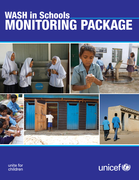
The package is designed to help address the WASH in Schools monitoring deficit at the national level.
The package consists of three modules:
The EMIS module: a set of basic monitoring questions on WASH in Schools to be incorporated into national Education Monitoring Information Syst ... ems (EMIS), usually administered annually;
The survey module: a more comprehensive set of questions, observations and focus group discussion guidelines for use in national WASH in Schools surveys as well as for sub-national, project level or thematic surveys;
The children’s monitoring module: a teacher’s guide and tool set for the monitoring of WASH in Schools by students, including observation checklists, survey questions and special monitoring exercises. more
The package consists of three modules:
The EMIS module: a set of basic monitoring questions on WASH in Schools to be incorporated into national Education Monitoring Information Syst ... ems (EMIS), usually administered annually;
The survey module: a more comprehensive set of questions, observations and focus group discussion guidelines for use in national WASH in Schools surveys as well as for sub-national, project level or thematic surveys;
The children’s monitoring module: a teacher’s guide and tool set for the monitoring of WASH in Schools by students, including observation checklists, survey questions and special monitoring exercises. more

This document highlights the key aspects of safe health-care waste management in order to guide policy-makers, practitioners and facility managers to improve such services in health-care facilities. It is based on the comprehensive WHO handbook Safe management of wastes from health-care activities (
...
WHO, 2014), and also takes into consideration relevant World Health Assembly resolutions, other UN documents and emerging global and national developments on water, sanitation and hygiene and infection prevention and control.
more

