
Filter
3069
Text search:
Sexual
Violence
Featured
235
846
Language
2877
121
102
59
55
34
29
15
11
10
10
9
9
8
7
6
6
6
6
5
5
5
5
5
4
4
4
4
4
4
4
4
4
4
4
4
3
3
3
3
3
3
3
3
2
2
2
2
2
2
1
1
1
1
1
1
1
1
1
1
1
1
1
1
1
1
Document type
1948
456
250
118
110
73
40
39
17
12
3
1
1
Countries
106
104
102
81
68
67
63
62
61
60
56
53
52
52
51
49
48
48
48
46
44
38
32
30
29
29
28
28
27
25
24
24
23
22
22
21
20
20
18
17
17
15
15
15
14
14
14
12
12
12
12
11
10
9
9
9
8
8
7
7
7
6
6
5
5
5
5
5
5
5
5
5
5
4
4
4
4
4
4
4
3
3
3
3
3
3
3
3
3
2
2
2
2
2
2
2
2
2
2
2
2
2
2
2
1
1
1
1
1
1
1
1
1
1
1
1
1
1
1
1
1
1
1
1
1
1
1
1
1
1
Authors & Publishers
223
177
163
106
105
65
62
61
53
48
40
35
33
28
26
24
24
21
20
19
19
18
17
17
17
17
16
16
16
16
15
15
14
14
13
13
13
12
12
11
11
11
11
11
10
10
9
9
9
9
9
9
9
9
8
8
8
8
8
8
7
7
7
7
7
7
7
6
6
6
6
6
6
6
6
6
6
6
6
6
6
6
6
5
5
5
5
5
5
5
5
5
5
5
5
5
5
5
5
5
5
5
5
5
5
5
5
5
4
4
4
4
4
4
4
4
4
4
4
4
4
4
4
4
4
4
4
4
4
4
4
4
4
4
4
4
4
4
4
4
4
4
4
4
4
4
4
4
4
4
4
3
3
3
3
3
3
3
3
3
3
3
3
3
3
3
3
3
3
3
3
3
3
3
3
3
3
3
3
3
3
3
3
3
3
3
3
3
3
3
3
3
3
3
3
3
3
3
3
3
3
3
3
3
3
3
3
3
3
3
3
3
3
3
3
3
3
3
3
3
3
3
2
2
2
2
2
2
2
2
2
2
2
2
2
2
2
2
2
2
2
2
2
2
2
2
2
2
2
2
2
2
2
2
2
2
2
2
2
2
2
2
2
2
2
2
2
2
2
2
2
2
2
2
2
2
2
2
2
2
2
2
2
2
2
2
2
2
2
2
2
2
2
2
2
2
2
2
2
2
2
2
2
2
2
2
2
2
2
2
2
2
2
2
2
2
2
2
2
2
2
2
2
2
2
2
2
2
2
2
2
2
2
2
2
2
2
2
2
2
2
2
2
2
2
2
2
2
2
2
2
2
2
2
2
2
2
2
2
2
2
2
2
2
2
2
2
2
2
2
2
2
2
2
2
2
2
2
2
2
2
2
2
2
2
2
2
2
2
2
2
2
2
2
2
2
2
2
2
2
2
2
2
2
2
2
2
2
2
2
2
2
2
2
2
2
2
2
2
2
2
2
2
2
2
2
2
2
2
2
1
1
1
1
1
1
1
1
1
1
1
1
1
1
1
1
1
1
1
1
1
1
1
1
1
1
1
1
1
1
1
1
1
1
1
1
1
1
1
1
1
1
1
1
1
1
1
1
1
1
1
1
1
1
1
1
1
1
1
1
1
1
1
1
1
1
1
1
1
1
1
1
1
1
1
1
1
1
1
1
1
1
1
1
1
1
1
1
1
1
1
1
1
1
1
1
1
1
1
1
1
1
1
1
1
1
1
1
1
1
1
1
1
1
1
1
1
1
1
1
1
1
1
1
1
1
1
1
1
1
1
1
1
1
1
1
1
1
1
1
1
1
1
1
1
1
1
1
1
1
1
1
1
1
1
1
1
1
1
1
1
1
1
1
1
1
1
1
1
1
1
1
1
1
1
1
1
1
1
1
1
1
1
1
1
1
1
1
1
1
1
1
1
1
1
1
1
1
1
1
1
1
1
1
1
1
1
1
1
1
1
1
1
1
1
1
1
1
1
1
1
1
1
1
1
1
1
1
1
1
1
1
1
1
1
1
1
1
1
1
1
1
1
1
1
1
1
1
1
1
1
1
1
1
1
1
1
1
1
1
1
1
1
1
1
1
1
1
1
1
1
1
1
1
1
1
1
1
1
1
1
1
1
1
1
1
1
1
1
1
1
1
1
1
1
1
1
1
1
1
1
1
1
1
1
1
1
1
1
1
1
1
1
1
1
1
1
1
1
1
1
1
1
1
1
1
1
1
1
1
1
1
1
1
1
1
1
1
1
1
1
1
1
1
1
1
1
1
1
1
1
1
1
1
1
1
1
1
1
1
1
1
1
1
1
1
1
1
1
1
1
1
1
1
1
1
1
1
1
1
1
1
1
1
1
1
1
1
1
1
1
1
1
1
1
1
1
1
1
1
1
1
1
1
1
1
1
1
1
1
1
1
1
1
1
1
1
1
1
1
1
1
1
1
1
1
1
1
1
1
1
1
1
1
1
1
1
1
1
1
1
1
1
1
1
1
1
1
1
1
1
1
1
1
1
1
1
1
1
1
1
1
1
1
1
1
1
1
1
1
1
1
1
1
1
1
1
1
1
1
1
1
1
1
1
1
1
1
1
1
1
1
1
1
1
1
1
1
1
1
1
1
1
1
1
1
1
1
1
1
1
1
1
1
1
1
1
1
1
1
1
1
1
1
1
1
1
1
1
1
1
1
1
1
1
1
1
1
1
1
1
1
1
1
1
1
1
1
1
1
1
1
1
1
1
1
1
1
1
1
1
1
1
1
1
1
1
1
1
1
1
1
1
1
1
1
1
1
1
1
1
1
1
1
1
1
1
1
1
1
1
1
1
1
1
1
1
1
1
1
1
1
1
1
1
1
1
1
1
1
1
1
1
1
1
1
1
1
1
1
1
1
1
1
1
1
1
1
1
1
1
1
1
1
1
1
1
1
1
1
1
1
1
1
1
1
1
1
1
1
1
1
1
1
1
1
1
1
1
1
1
1
1
1
1
1
1
1
1
1
1
1
1
1
1
1
1
1
1
1
1
1
1
1
1
1
1
1
1
1
1
1
1
1
1
1
1
1
1
1
1
1
1
1
1
1
1
1
1
1
1
1
1
1
1
1
1
1
1
1
1
1
1
1
1
1
1
1
1
1
1
1
1
1
1
1
1
1
1
1
1
1
1
1
1
1
1
1
1
1
1
1
1
1
1
1
1
1
1
1
1
1
1
1
1
1
1
1
1
1
1
1
1
1
1
1
1
1
1
1
1
1
1
1
1
1
1
1
1
1
1
1
1
1
1
1
1
1
1
1
1
1
1
1
1
1
1
1
1
1
1
1
1
1
1
1
1
1
1
1
1
1
1
1
1
1
1
1
1
1
1
1
1
1
1
1
1
1
1
1
1
1
1
1
1
1
1
1
1
1
1
1
1
1
1
1
1
1
1
1
1
1
1
1
1
1
1
1
1
1
1
1
1
1
1
1
1
1
1
1
1
1
1
1
1
1
1
1
1
1
1
1
1
1
1
1
1
1
1
1
1
1
1
1
1
1
1
1
1
1
1
1
1
1
1
1
1
1
1
1
1
1
1
1
1
1
1
1
1
1
1
1
1
1
1
1
1
1
1
1
1
1
1
1
1
1
1
1
1
1
1
1
1
1
1
1
1
1
1
1
1
1
1
1
1
1
1
1
1
1
1
1
1
1
1
1
1
1
1
1
1
1
1
1
1
1
1
1
1
1
1
1
1
1
1
1
1
1
1
1
1
1
1
1
1
1
1
1
1
1
1
1
1
1
1
1
1
1
1
1
1
1
1
1
1
1
1
1
1
1
1
1
1
1
1
1
1
1
1
1
1
1
1
1
1
1
1
1
1
1
1
1
1
1
1
1
1
1
1
1
1
1
1
1
1
1
1
1
1
1
1
1
1
1
1
1
1
1
1
1
1
1
1
1
1
1
1
1
1
1
1
1
1
1
1
1
1
1
1
1
1
1
1
1
1
1
1
1
1
1
1
1
1
1
1
1
1
1
1
1
1
1
1
1
1
1
1
1
1
1
1
1
1
1
1
1
1
1
1
1
1
1
1
1
1
1
1
1
1
1
1
1
1
1
1
1
1
1
1
1
1
1
1
1
1
1
1
1
1
1
1
1
1
1
1
1
1
1
1
1
1
1
1
1
1
1
1
1
1
1
1
1
1
1
1
1
1
1
1
1
1
1
1
1
1
1
1
1
1
1
1
1
1
1
1
1
1
1
1
1
1
1
1
1
1
1
1
1
1
1
1
1
1
1
1
1
1
1
1
1
1
1
1
1
1
1
1
1
1
1
1
1
1
1
1
1
1
1
1
1
1
1
1
1
1
1
1
1
1
1
1
1
1
1
1
1
1
1
1
1
1
1
1
1
1
1
1
1
1
1
1
1
1
1
1
1
1
1
1
1
1
1
1
1
1
1
1
1
1
1
1
1
1
1
1
1
1
1
1
1
1
1
1
1
1
1
1
1
1
1
1
1
1
1
1
1
1
1
1
1
1
1
1
1
1
1
1
1
1
1
1
1
1
1
1
1
1
1
1
1
1
1
1
1
1
1
1
1
1
1
1
1
1
1
1
1
1
1
1
1
1
1
1
1
1
1
1
1
1
1
1
1
1
1
1
1
1
1
1
1
1
1
1
1
1
1
1
1
1
1
1
1
1
1
1
1
1
1
1
1
1
1
1
1
1
1
1
1
1
1
1
1
1
1
1
1
1
1
1
1
1
1
1
1
1
1
1
1
1
1
1
1
1
1
1
1
1
1
1
1
1
1
1
1
1
1
1
1
1
1
1
1
1
1
1
1
1
1
1
1
1
1
1
1
1
1
1
1
1
1
1
1
1
1
1
1
1
1
1
1
1
1
1
1
1
1
1
1
1
1
1
1
1
1
1
1
1
1
1
1
1
1
1
1
1
1
1
1
1
1
1
1
1
1
1
1
1
1
1
1
1
1
1
1
1
1
1
1
1
1
1
1
1
1
1
1
1
1
1
1
1
1
1
1
1
1
1
1
1
1
1
1
1
1
1
1
1
1
1
1
1
1
1
1
1
1
1
1
1
1
1
1
1
1
1
1
1
1
1
1
1
1
1
1
1
1
1
1
1
1
1
1
1
1
1
1
1
1
1
1
1
1
1
1
1
1
1
1
1
1
1
1
1
1
1
1
1
1
1
1
1
1
1
1
1
1
1
1
1
1
1
1
1
1
1
1
1
1
1
1
1
1
1
1
1
1
1
1
1
1
1
1
1
1
1
1
1
1
1
1
1
1
1
1
1
1
1
1
1
1
1
1
1
1
1
1
1
1
1
1
1
1
1
1
1
1
1
1
1
1
1
1
1
1
1
1
1
1
1
1
1
1
1
1
1
1
1
1
1
1
1
1
1
1
1
1
1
1
1
1
1
1
1
1
1
1
1
1
1
1
1
1
1
1
1
1
1
1
1
1
1
1
1
1
1
1
1
1
1
1
1
1
1
1
1
1
1
1
1
1
1
1
1
1
1
1
1
1
1
1
1
1
1
1
1
1
1
1
1
1
1
1
1
1
1
1
1
1
1
1
1
1
1
1
1
1
1
1
1
1
1
1
1
1
1
1
1
1
1
1
1
1
1
1
1
1
1
1
1
1
1
1
1
1
1
1
1
1
1
1
1
1
1
1
1
1
1
1
1
1
1
1
1
1
1
1
1
1
1
1
1
1
1
1
1
1
1
1
1
1
1
1
1
1
1
1
1
1
1
1
1
1
1
1
1
1
1
1
1
1
1
1
1
1
1
1
1
1
1
1
1
1
1
1
1
1
1
1
1
1
1
1
1
1
1
1
1
1
1
1
1
1
1
1
1
1
1
1
1
1
1
1
1
1
1
1
1
1
1
1
1
1
1
1
1
1
1
1
1
1
1
1
1
1
1
1
1
1
1
1
1
1
1
1
1
1
1
1
1
1
1
1
1
1
1
1
1
1
1
1
1
1
1
1
1
1
1
1
1
1
1
1
1
1
1
1
1
1
1
1
1
1
1
1
1
1
1
1
1
1
1
1
1
1
1
1
1
1
1
1
1
1
1
1
1
1
1
1
1
1
1
1
1
1
1
1
1
1
1
1
1
1
1
1
1
1
1
1
1
1
1
1
1
1
1
1
1
1
1
1
1
1
1
1
1
1
1
1
1
1
1
1
1
1
1
1
1
1
1
1
1
1
1
1
1
1
1
1
1
1
1
1
1
1
1
1
1
1
1
1
1
1
1
1
1
1
1
1
1
1
1
1
1
1
1
1
1
Publication Years
1
788
2046
227
7
Category
1201
303
103
85
81
81
4
3
2
Toolboxes
415
388
223
192
177
166
54
50
50
43
36
35
21
12
7
6
5
5
3
3
3
2
2
1
1
1
The main objective of this guidance is to provide scientific advice on public health principles and considerations for infection and prevention control of COVID-19 in migrant and refugee reception and detention centres in the European Union and European Economic Area (EU/EEA) and the United Kingdom
...
(UK).
more
Men are less likely than women to seek help for mental health issues and are much more likely to commit suicide. This scoping review examined recent evidence published in English and Russian on the role of socially constructed masculinity norms in men’s help-seeking behaviour for mental health iss
...
ues. The key sociocultural barriers to men’s help-seeking pertaining to masculinity norms were identified as self-reliance, difficulty in expressing emotions and self-control.
more
A framework for planning, developing and implementing solutions with and for young people.
The guidance presented in this document is intended for digital health intervention designers, developers, implementers, researchers and funders. Newcomers to digital health can use it as a start-to-finish pr
...
imer on how to collaboratively and responsibly develop youth-centred digital health interventions. Those already engaged in this work can jump directly to the chapters and sections with the ideas and resources they need. Funders will find helpful advice in Annex 1, which outlines special considerations for making smarter, more meaningful investments in digital health interventions for young people.
more
My Child: 2 to 5 years is a free book from the HSE with advice to help you and your child from age 2 to 5. This edition has text in English with Arabic translation.
Health, safety and wellbeing of the Healthcare workers is a prerequisite for good quality of care and patient satisfaction in health services. Healthcare facilities that are not safe for workers and patients are not resilient to any shock arising from hostile events, outbreaks or any other emergenci
...
es. Occupational Safety and Health Act (2005) and the National Occupational Safety and Health Policy of Zanzibar require the development of stringent systems for managing occupational safety and health in all workplaces and the health system in general.
These Policy Guidelines have been developed by the Ministry of Health in consultation with the Ministry responsible for Labour and other stakeholders, such as organizations of workers, employers and professional associations in the health sector. The purpose of these guidelines is to foster the implementation of the international commitments and the national legislation regarding decent work in the health system as well as to improve the quality of care and the resilience of health facilities.
more
The Knowledge Guide provides guidance on how health workers can apply the Standards to their own practice. For each of the nine competencies and their specific behaviours in the Standards, the Knowledge Guide examines in detail how a health worker's knowledge, skills and attitudes can reach the stat
...
ed benchmark for providing people-centred health services to refugees and migrants. The Knowledge Guide also details the learning outcomes that reflect the behaviours that a health worker will demonstrate once they have achieved the Competency Standards.
The Knowledge Guide is designed for educators and health workers to assist in designing or integrating learning content to enable attainment of the identified knowledge, skills and attitudes.
more
New funding requirements: CHF 2.8 billion IFRC-wide of which CHF 670 million is channelled through the IFRC Emergency Appeal in support of National Societies
mhGAP Humanitarian Intervention Guide (mhGAP-HIG) training of health-care providers. Training manual
recommended
The mhGAP Humanitarian Intervention Guide (mhGAP-HIG) Training of Health-Care Providers manual is designed to guide facilitators in training non-specialist health care providers to manage mental, neurological and substance use conditions in humanitarian emergency settings.
The manual covers sugge
...
sted training schedules, learning objectives, and tips for planning and facilitating the training. It also includes step-by-step training modules for different conditions covered in the mhGAP Humanitarian Intervention Guide (mhGAP-HIG).
more

Ocean plastic pollution has reached crisis level: every minute, more than an entire garbage truck of plastic makes its way into the world’s oceans—roughly 11 million metric tons annually. While plastic waste presents an immediate threat to marine wildlife and ecosystems, this global challenge al
...
so has implications for major industries such as fishing and tourism, impacting the livelihoods of millions of people. The drivers and impacts of ocean plastic pollution also contribute to global challenges in food security, human health, and climate change.
more
On November 9, the Russian military announced a full retreat of all their forces from the right bank of Dnipro River; by November 11, 41 settlements, including Kherson city, were de-occupied by Ukrainian forces. Civilians who live in these areas have endured months of combat and occupation. Services
...
have been interrupted or severely disrupted due to damage or destruction of facilities and infrastructure through combat actions, looting of the majority of the valuable assets by the retreating Russian troops, and dispersion of the people rendering said services.
more
The World Health Organization's fourth Country Cooperation Strategy 2022-2026 is an outcome of a consultative process with inputs from the Ministry of Health, various agencies in the health sector, and other relevant stakeholders. It has been developed to provide strategic direction and support towa
...
rd achieving the priorities of the Government of the Kingdom of Eswatini.
It is designed to support the strengthening of health systems and services toward the attainment of Universal Health
Coverage (UHC) and the Sustainable Development Goals targets. The CCS 2022-2026 also presents the collaborative
agenda between the Kingdom of Eswatini and the three levels of WHO, aligns with the strategic priorities of WHO’s
13th General Programme of Work (2019 – 2025), as well as Eswatini’s United Nations Sustainable Development Cooperation Framework (UNSDCF) 2021-2025
more
The EU Facility has a total budget of €6 billion for humanitarian and development actions: €3 billion for 2016-2017 and €3 billion for 2018-20191. Both tranches combined, all operational funds have been committed, €4.7 billion contracted and more than €3.4 billion disbursed. The operationa
...
l funds for the Facility for 2016-2017 have also been fully contracted2, out of which €2.59 billion has been disbursed. For 2018-2019, €1.76 billion has been contracted, out of which more than €900 million disbursed.
more
Around the world, more than 2 billion people lack access to safely managed water, sanitation and hygiene services, with conflicts and climate change exacerbating the issue.
Unsafe and insufficient WASH facilities, especially in rural and remote areas, can lead to increased health complications fo
...
r older people, persons with disabilities and children. They also reinforce cycles of poverty, inequality and deprivation – particularly for women, children and marginalized groups, who are disproportionately impacted by a lack of equitable access to water and sanitation.
Launched on World Water Day, the guidelines address the knowledge gap on ways to practically implement inclusive approaches to WASH infrastructure development, particularly in developing countries and fragile contexts.
more
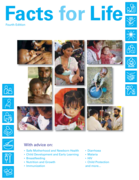
Facts For Life
recommended
Handbook on pregnancy, childbirth, childhood illnesses, child development and the care of children. The handbook, Facts for Life, provides vital messages and information for mothers, fathers, other family members and caregivers and communities to use in changing behaviours and practices that can sav
...
e and protect the lives of children and help them grow and develop to their full potential.
This version of Facts for Life builds on the three previous editions, which have been helping families and communities around the world since 1989. Newborn Health has been added to the Safe Motherhood chapter, giving attention to child survival from the first stage of life. A new chapter, Child Protection, has been included, focusing attention on the actions needed to ensure children grow up in protective environments.
more
Links to the Humanitarian Charter and international law
The Good Enough Guide
recommended
A set of basic guidelines on how to be accountable to local people and measure program impact in emergency situations. The "good enough" approach emphasizes simple and practical solutions and encourages the user to choose tools that are safe, quick, and easy to implement
Assessing Mental Health and Psychosocial Needs and Resources Toolkit For Humanitarian Settings
recommended
Available in different languages: English, French, Arabic, Russian
Emergencies, in spite of their tragic nature and adverse effects on mental health, are unparalleled opportunities to build better mental health systems for all people in need. This WHO publication shows how this was done in 10 diverse emergency-affected areas
A Resource Book of Inclusive Practices
