Filter
2494
Text search:
Epidemiological
Surveillance
Featured
248
648
Language
2342
114
64
55
31
26
17
11
4
3
2
2
2
1
1
1
1
1
1
1
1
1
1
1
1
1
1
Document type
1353
428
369
129
103
46
35
18
4
2
2
Countries
115
98
80
70
63
61
51
50
42
39
38
37
34
34
33
31
27
27
27
25
25
22
21
20
20
19
19
19
18
17
17
16
16
16
15
15
15
14
13
12
12
11
11
10
10
10
10
9
9
9
9
9
8
8
8
8
7
7
7
6
6
6
6
5
5
5
5
5
5
5
5
5
4
4
4
4
4
4
4
4
3
3
3
3
3
3
3
3
3
3
2
2
2
2
2
2
2
2
2
2
2
2
2
2
2
1
1
1
1
1
1
1
1
1
1
1
1
1
1
1
1
1
1
1
1
1
1
1
1
1
Authors & Publishers
510
204
114
90
87
60
33
31
25
25
23
23
21
18
18
17
17
15
14
14
12
12
12
12
11
11
10
10
10
9
9
8
8
8
8
8
8
8
8
8
7
7
7
7
7
7
7
6
6
6
6
6
6
6
6
6
5
5
5
5
5
5
5
5
5
5
5
5
5
5
5
5
5
5
4
4
4
4
4
4
4
4
4
4
4
4
4
4
4
4
4
4
4
4
4
4
4
4
4
4
4
4
4
4
3
3
3
3
3
3
3
3
3
3
3
3
3
3
3
3
3
3
3
3
3
3
3
3
3
3
3
3
3
3
3
3
3
3
3
3
3
3
3
3
3
3
3
3
3
3
3
3
2
2
2
2
2
2
2
2
2
2
2
2
2
2
2
2
2
2
2
2
2
2
2
2
2
2
2
2
2
2
2
2
2
2
2
2
2
2
2
2
2
2
2
2
2
2
2
2
2
2
2
2
2
2
2
2
2
2
2
2
2
2
2
2
2
2
2
2
2
2
2
2
2
2
2
2
2
2
2
2
2
2
2
2
2
2
2
2
2
2
2
2
2
2
2
2
2
2
2
2
2
2
2
2
2
2
2
2
2
2
2
2
2
2
2
2
2
2
2
2
2
2
2
2
2
2
2
2
2
2
2
2
2
2
2
2
2
2
1
1
1
1
1
1
1
1
1
1
1
1
1
1
1
1
1
1
1
1
1
1
1
1
1
1
1
1
1
1
1
1
1
1
1
1
1
1
1
1
1
1
1
1
1
1
1
1
1
1
1
1
1
1
1
1
1
1
1
1
1
1
1
1
1
1
1
1
1
1
1
1
1
1
1
1
1
1
1
1
1
1
1
1
1
1
1
1
1
1
1
1
1
1
1
1
1
1
1
1
1
1
1
1
1
1
1
1
1
1
1
1
1
1
1
1
1
1
1
1
1
1
1
1
1
1
1
1
1
1
1
1
1
1
1
1
1
1
1
1
1
1
1
1
1
1
1
1
1
1
1
1
1
1
1
1
1
1
1
1
1
1
1
1
1
1
1
1
1
1
1
1
1
1
1
1
1
1
1
1
1
1
1
1
1
1
1
1
1
1
1
1
1
1
1
1
1
1
1
1
1
1
1
1
1
1
1
1
1
1
1
1
1
1
1
1
1
1
1
1
1
1
1
1
1
1
1
1
1
1
1
1
1
1
1
1
1
1
1
1
1
1
1
1
1
1
1
1
1
1
1
1
1
1
1
1
1
1
1
1
1
1
1
1
1
1
1
1
1
1
1
1
1
1
1
1
1
1
1
1
1
1
1
1
1
1
1
1
1
1
1
1
1
1
1
1
1
1
1
1
1
1
1
1
1
1
1
1
1
1
1
1
1
1
1
1
1
1
1
1
1
1
1
1
1
1
1
1
1
1
1
1
1
1
1
1
1
1
1
1
1
1
1
1
1
1
1
1
1
1
1
1
1
1
1
1
1
1
1
1
1
1
1
1
1
1
1
1
1
1
1
1
1
1
1
1
1
1
1
1
1
1
1
1
1
1
1
1
1
1
1
1
1
1
1
1
1
1
1
1
1
1
1
1
1
1
1
1
1
1
1
1
1
1
1
1
1
1
1
1
1
1
1
1
1
1
1
1
1
1
1
1
1
1
1
1
1
1
1
1
1
1
1
1
1
1
1
1
1
1
1
1
1
1
1
1
1
1
1
1
1
1
1
1
1
1
1
1
1
1
1
1
1
1
1
1
1
1
1
1
1
1
1
1
1
1
1
1
1
1
1
1
1
1
1
1
1
1
1
1
1
1
1
1
1
1
1
1
1
1
1
1
1
1
1
1
1
1
1
1
1
1
1
1
1
1
1
1
1
1
1
1
1
1
1
1
1
1
1
1
1
1
1
1
1
1
1
1
1
1
1
1
1
1
1
1
1
1
1
1
1
1
1
1
1
1
1
1
1
1
1
1
1
1
1
1
1
1
1
1
1
1
1
1
1
1
1
1
1
1
1
1
1
1
1
1
1
1
1
1
1
1
1
1
1
1
1
1
1
1
1
1
1
1
1
1
1
1
1
1
1
1
1
1
1
1
1
1
1
1
1
1
1
1
1
1
1
1
1
1
1
1
1
1
1
1
1
1
1
1
1
1
1
1
1
1
1
1
1
1
1
1
1
1
1
1
1
1
1
1
1
1
1
1
1
1
1
1
1
1
1
1
1
1
1
1
1
1
1
1
1
1
1
1
1
1
1
1
1
1
1
1
1
1
1
1
1
1
1
1
1
1
1
1
1
1
1
1
1
1
1
1
1
1
1
1
1
1
1
1
1
1
1
1
1
1
1
1
1
1
1
1
1
1
1
1
1
1
1
1
1
1
1
1
1
1
1
1
1
1
1
1
1
1
1
1
1
1
1
1
1
1
1
1
1
1
1
1
1
1
1
1
1
1
1
1
1
1
1
1
1
1
1
1
1
1
1
1
1
1
1
1
1
1
1
1
1
1
1
1
1
1
1
1
1
1
1
1
1
1
1
1
1
1
1
1
1
1
1
1
1
1
1
1
1
1
1
1
1
1
1
1
1
1
1
1
1
1
1
1
1
1
1
1
1
1
1
1
1
1
1
1
1
1
1
1
1
1
1
1
1
1
1
1
1
1
1
1
1
1
1
1
1
1
1
1
1
1
1
1
1
1
1
1
1
1
1
1
1
1
1
1
1
1
1
1
1
1
1
1
1
1
1
1
1
1
1
1
1
1
1
1
1
1
1
1
1
1
1
1
1
1
1
1
1
1
1
1
1
1
1
1
1
1
1
1
1
1
1
1
1
1
1
1
1
1
1
1
1
1
1
1
1
1
1
1
1
1
1
1
1
1
1
1
1
1
1
1
1
1
1
1
1
1
1
1
1
1
1
1
1
1
1
1
1
1
1
1
1
1
1
1
1
1
1
1
1
1
1
1
1
1
1
1
1
1
1
1
1
1
1
1
1
1
1
1
1
1
1
1
1
1
1
1
1
1
1
1
1
1
1
1
1
1
1
1
1
1
1
1
1
1
1
1
1
1
1
1
1
1
1
1
1
1
1
1
1
1
1
1
1
1
1
1
1
1
1
1
1
1
1
1
1
1
1
1
1
1
1
1
1
1
1
1
1
1
1
1
1
1
1
1
1
1
1
1
1
1
1
1
1
1
1
1
1
1
1
1
1
1
1
1
1
1
1
1
1
1
1
1
1
1
1
1
1
1
1
1
1
1
1
1
1
1
1
1
1
1
1
1
1
1
1
1
1
1
1
1
1
1
1
1
1
1
1
1
1
1
1
1
1
1
1
1
1
1
1
1
1
1
1
1
1
1
1
1
1
1
1
1
1
1
1
1
1
1
1
1
1
1
1
1
1
1
1
1
1
1
1
1
1
1
1
1
1
1
1
1
1
1
1
1
1
1
1
1
1
1
1
1
1
1
1
1
1
1
1
1
1
1
1
1
1
1
1
1
1
1
1
1
1
1
1
1
1
1
1
1
1
1
1
1
1
1
1
1
1
1
1
1
1
1
1
1
1
1
1
1
1
1
1
1
1
1
1
1
1
1
1
1
1
1
1
1
1
1
1
1
1
1
1
1
1
1
1
1
1
1
1
1
1
1
1
1
1
1
1
1
1
1
1
1
1
1
1
1
1
1
1
1
1
1
1
1
1
1
1
1
1
1
1
1
1
1
1
1
1
1
1
1
1
1
1
1
1
1
1
1
1
1
1
1
1
1
1
1
1
1
1
1
1
1
1
1
1
1
1
1
1
1
1
1
1
1
1
1
1
1
1
1
1
1
1
1
1
1
1
1
1
1
1
1
1
1
1
1
1
1
1
1
1
1
1
1
1
1
1
1
1
1
1
1
1
1
1
1
1
1
1
1
1
1
1
1
1
1
1
1
1
1
1
1
1
1
1
1
1
1
1
1
1
1
1
1
1
1
1
1
1
1
1
1
1
1
1
1
1
1
1
1
1
1
1
1
1
1
1
1
1
1
1
1
1
1
1
1
1
1
1
1
1
1
1
1
1
1
1
1
1
1
1
1
1
1
1
1
1
1
1
1
1
1
1
1
1
1
1
1
1
1
1
1
1
1
1
1
1
1
1
1
1
1
1
1
1
1
1
1
1
1
1
1
1
1
1
1
1
1
1
1
1
1
1
1
1
1
1
1
1
1
1
1
1
1
1
1
1
1
1
1
1
1
1
1
1
1
1
1
1
1
1
1
1
1
1
1
1
1
1
1
1
1
1
1
1
1
1
1
1
1
1
1
1
1
1
1
1
1
1
1
1
1
1
1
1
1
1
1
1
1
Publication Years
1
782
1496
198
16
1
Category
824
256
145
63
49
33
25
1
Toolboxes
300
235
231
211
142
129
92
87
55
50
43
40
36
32
27
24
24
21
18
13
11
8
2
2
National Guidelines for Clinical Management of Dengue Syndrome - 4rd Edition
Prof. Dr. A. K. Azad; Prof. Dr. S. Tahamina; Prof. Q. T. Islam; et al.
Government of the People's Republic of Bangladesh DGHS Directorate General of Health Services Ministry of Health and Family Welfare ; World Health Organization (Bangladesh)
(2018)
C2
4th Edition 2018
National Malaria Elimination & Aedes Transmitted Disease Control Program
Disease Control Unit Directorate General of Health Services
National Strategy and Action Plan for Clubfoot Care in Bangladesh
Dr. A. M. Z. Hussain; Dr. Rizvi; Dr. Qavi; et al.
Government of the People's Republic of Bangladesh DGHS Directorate General of Health Services Ministry of Health and Family Welfare ; Sustainable Clubfoot Care in Bangladesh
(2015)
C2
December 2015
National guidelines for of Clubfoot
4ª edição
Nos próximos meses, a COVID Reference apresentará atualizações regulares e narrará os dados científicos o mais coerente possível.
La 3ieme édition du nouveau mini-manuel.
Au cours des mois à venir COVID Reference publiera des mises à jour régulières.
Updated guidance. The guidance provides useful information to staff working in prisons, as well as to health and prison authorities, explaining how to prevent and address a potential outbreak of COVID-19. In addition, it aims to protect the health and well-being of all those who live and work in, an
...
d visit, these settings and the general population at large. People deprived of their liberty, and living or working in enclosed environments in close proximity, are likely to be more vulnerable to the COVID-19 disease than the general population. Moreover, correctional facilities may amplify and enhance COVID-19 transmission beyond their walls.
more

This policy brief has been developed in response to the contemporary challenge of antibiotic resistance (ABR). ABR poses a formidable threat to global health and sustainable development. It is now increasingly recognized that the systematic neglect of cultural factors is one of the biggest obs
...
tacles to achieving better health outcomes and better standards of living worldwide. Using a cultural contexts of health approach, the policy brief explores the centrality of culture to the challenge of ABR. The brief examines how the prescription and use of antibacterial medicines, the transmission of resistance, and the regulation and funding of research are influenced by cultural, social and commercial, as well as biological and technological factors. The brief moves beyond the ready equation of culture with individual behaviours and demonstrates how culture serve as an enabler of health and provide new possibilities for change.
more
Considerations for public health and social measures in the workplace in the context of COVID-19
recommended
Annex to Considerations in adjusting public health and social measures in the context of COVID-19
In einem häufig verwendeten Modellierungskonzept, den so genannten SEIR-Modellen,1-3 wird die Bevölke-rung in verschiedene Gruppen unterteilt, und die Dy-namik der Infektionen und Erkrankungen wird über eine Modellierung der Übergänge zwischen diesen Gruppen nachgebildet. Die Buchstaben S
...
EIR stehen für die empfänglichen (susceptible), latent infizierten (exposed – infiziert, aber noch nicht infektiös), symp-tomatisch infektiösen (infectious) und schließlich ver-storbenen oder genesenen (recovered) Anteile der Be-völkerung
more
a systematic review and meta-analysis Derek K Chu et al. on behalf of the COVID-19 Systematic Urgent Review Group Effort (SURGE) study authors.
Published: The Lancet June 01, 2020 DOI: https://doi.org/10.1016S0140-6736(20)31142-9
'We did a systematic review of 172 observational studies in health-
...
care and non-health-care settings across 16 countries and six continents... Physical distancing of 1 m or more was associated with a much lower risk of infection, as was use of face masks (including N95 respirators or similar and surgical or similar masks [eg, 12–16-layer cotton or gauze masks]) and eye protection (eg, goggles or face shields)...'
more
In response to the first cases of coronavirus disease 2019 (COVID-19) reported on the continent, many African Union Member States implemented large-scale public health and social measures (PHSM) rapidly. These measures were aimed at reducing transmission and the number of new cases being reported, p
...
rotecting the most vulnerable populations, and allowing time for countries to ramp up critical healthcare and diagnostic services. While these quick actions bought time for Member States, the negative socio-economic impacts are being felt widely, and countries are now exploring how best to ease these measures back while still managing the outbreak.
more
The WHO COVID-19 Clinical management: living guidance contains the Organization’s most up-to-date recommendations for the clinical management of people with COVID-19. Providing guidance that is comprehensive and holistic for the optimal care of COVID-19 patients throughout their entire illness is
...
important. The latest version of this living guideline is available in pdf format (via the ‘Download’ button) and via an online platform, and is updated regularly as new evidence emerges. No further updates to the previous existing recommendations were made in this latest version.
This updated (fifth) version contains 16 new recommendations for the rehabilitation of adults with post COVID-19 condition (see Chapter 24)
This updated (fourth) version contains three new recommendations regarding hospitalized patients with severe or critical COVID-19
more
The focus of the current quarterly edition of Eurohealth (from the European Observatory on Health Systems and Policies) is Antimicrobial Resistance (AMR) and contains the following articles:
• Strengthening implementation of AMR national action plans
• Fostering clinical developmen
...
t and commercialisation of novel antibiotics
• Tackling AMR in the community
• Quantifying the benefits of vaccines in combating AMR
more
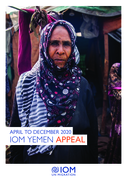
The humanitarian crisis in Yemen is the worst in the world, with over 80 per cent of the population estimated to be in need of humanitarian assistance. The protracted crisis has displaced millions of Yemenis, placing pressure on host communities with limited capacity to support displaced populations
...
.
more
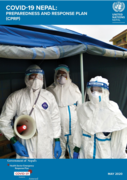
The COVID-19 pandemic is having far reaching impacts, well beyond the health crisis and needs, with the most severe impacts experienced in the poorest countries and those most vulnerable to humanitarian crises including natural disasters, such as Nepal.
This document summarizes preparedness and response activities to address the coronavirus disease (COVID-19) outbreak in South Sudan through the end of 2020. The addendum includes the activities and financial requirements of the updated National COVID-19 Response Plan. Originally issued in March prio
...
r to identification of the first person confirmed with COVID-19 in South Sudan and with a focus on preparedness, the updated plan encompasses a significantly scaled-up national response.
more
This manual addresses all the issues. It focus on the cycle of microbes, antibiotics, vaccination, AMR,
infection prevention and control. It will support nurses on better action and also on communication towards
their patients and families.
WHO operational handbook on tuberculosis: module 4: treatment: tuberculosis care and support
recommended
The consolidated guidelines are complemented by an operational handbook which is designed to assist with implementation of the WHO recommendations by Member States, technical partners and others who are involved in the management of patients with DR-TB. The WHO Operational Handbook on Tuberculosis,
...
Module 4: Treatment - Drug-Resistant Tuberculosis Treatment provides practical guidance on how to put in place the recommendations at the scale needed to achieve national and global impact.
The document provides information on different aspects of care and support for TB patients. In particular, the handbook provides practical guidance on the implementation of the interventions that enable treatment adherence such as social support, treatment administration options, digital adherence technologies. The practical guidance also includes models of care for all TB patients, models of care for children and adolescents, integrated care for TB, HIV and comorbidities, engagement of private sector, managing of TB in health emergencies. This new practical handbook also includes two important chapters on health education and counselling, and palliative care for patients with TB.
more
Investing in and building longer-term health emergency preparedness during the COVID-19 pandemic
recommended
Interim Guidance
This document is to help Member States build on actions taken during the COVID-19 pandemic to improve national medium- to long-term preparedness for future threats. It maps COVID-19 preparedness and response actions to the building of sustainable International Health Regulations (2
...
005) core capacities; locates relevant supporting WHO resources that are not specific to the pandemic; and advocates for the conscious and effective allocation of COVID-19 funds to also meet countries’ longer-term need
more
Настоящее руководство «Клиническое ведение случаев COVID-19» базируется на
вышеуказанных стратегических приоритетах и адресовано клиницистам, участвующим в
оказаÐ
...
½ии помощи пациентам с подозреваемой или подтвержденной инфекцией COVID-19.
Оно не предназначено для того, чтобы заменить индивидуальное клиническое суждение или
консультацию специалиста, но призвано помочь клиническим работникам в обеспечении
наиболее эффективного ведения случаев. Повышенное внимание в настоящем руководстве
уделяется вопросам, касающимся особых и уязвимых групп населения, таких как дети,
пожилые люди и беременные женщины.
Interim guidance on clinical management COVID-19
more