
Filter
753
Text search:
unsafe
medicine
Featured
55
257
Language
Document type
469
109
81
45
26
10
5
5
2
1
Countries
33
26
25
24
21
20
18
18
18
17
16
15
15
13
13
10
9
8
8
7
7
6
6
4
4
4
4
4
4
3
3
3
3
3
3
3
3
2
2
2
2
2
2
2
2
2
2
1
1
1
1
1
1
1
1
1
1
1
1
1
1
1
1
1
1
1
1
1
1
1
1
1
1
1
1
1
1
1
1
1
1
1
1
Authors & Publishers
Publication Years
Category
275
69
51
45
31
23
6
Toolboxes
62
48
39
34
34
28
26
19
19
19
19
18
17
15
13
10
4
4
3
3
2
2
1
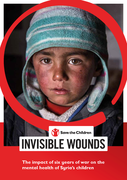
“The children are psychologically crushed and tired.
When we do activities like singing with them, they
don’t respond at all. They don’t laugh like they
would normally. They draw images of children
being butchered in the war, or tanks, or the siege
and the lack of food.”
Teacher in the
...
Towards the Peoples Health Assembly Book -2
Second Generation, WHO Country Cooperation Strategy, 2010–2015, Namibia
First edition, November 1997 | Revised July 2002
HRH Strategy for the Health Sector: 2012/13 – 2016/17
The Model Disability Survey (MDS) is a general population survey that provides detailed and nuanced information about how people with and without disabilities conduct their lives and the difficulties they encounter, regardless of any underlying health condition or impairment.
As the Convention of the Rights of Children recognizes, children are human beings with a distinct set of rights, and not the passive objects of care and charity. They deserve to be full participants in society, and to live lives free of poverty. But for children, living in poverty is particularly im
...
The substantial burden of death and disability that results from interpersonal violence, road traffic injuries, unintentional injuries, occupational health risks, air pollution, climate change, and inadequate water and sanitation falls disproportionally on low- and middle-income countries. Injury Pr
...
02 - Series on Disability-Inclusive Development

This guide is intended to assist
state, local, and tribal public health
professionals in the initiation of
response activities during the
first 24 hours of an emergency
or disaster. It should be used in
conjunction with existin
...
