
Filter
799
Text search:
transgender
Featured
65
210
Language
Document type
479
131
116
23
15
13
7
7
4
3
1
Countries
62
23
22
19
18
18
17
14
13
13
12
10
9
8
7
7
7
6
6
6
5
5
4
4
4
4
4
4
4
4
3
3
3
3
3
3
3
3
3
2
2
2
2
2
2
2
2
1
1
1
1
1
1
1
1
1
1
1
1
1
1
1
1
1
1
1
1
1
1
1
1
1
1
Authors & Publishers
Publication Years
Category
233
51
48
23
9
8
1
1
1
Toolboxes
354
47
34
31
20
17
15
10
6
6
5
5
4
3
3
2
1
1
Putting Asia’s HIV response back on track
UNAIDS Cosponsor 2015
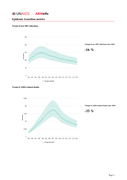
Accessed: 17.11.2019
Accessed: 17.11.2019
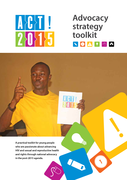
A practical toolkit for young people who are passionate about advancing HIV and sexual and reproductive health and rights through national advocacy in the post-2015 agenda.
UNAIDS 2018 / Guidance
Guidance for policy-makers, and people living with, at risk of or affected by HIV
UNAIDS 2017 / Reference
Generating evidence for policy and action on HIV and social protection
HIV testing services
Policy Brief
November 2018
WHO/CDS/HIV/18.48
It's time to deliver differently.
Accessed: 13.11.2019
UNAIDS | 2016–2021 Strategy
Accessed: 20.11.2019
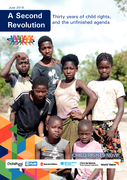
The report showed commitments made three decades ago to protect the rights of children remain unfulfilled for millions. Violence still affects countless children. Discrimination based on age, gender, disability, sexual orientation and religion harms children worldwide.
Key factors include a lack
...
An analysis from the perspective of the health sector in Latin America and the Caribbean
Washington, D.C., 2017
Overview
Rev Panam Salud Publica 40(6), 2016
Training for Health Care Providers
Facilitators’ Manual
The report shows that where people and communities living with and affected by HIV are engaged in decision-making and HIV service delivery, new infections decline and more people living with HIV gain access to treatment. When people have the power to choose, to know, to thrive, to demand and to work
...
Policy Brief
Consolidated Guidelines
Updated 2016
WHO/HIV/2017.05
Social network-based HIV testing is an approach for engaging sexual and drug injecting partners and social contacts of key population members with HIV and of those who are HIV-negative and at ongoing risk in voluntary HTS.
By addressing people’s confidentiality concerns and broadening the reach
...
