Filter
856
Text search:
occupation
Featured
57
258
Language
Document type
575
142
58
38
17
9
7
7
3
Countries
70
40
29
26
23
23
22
22
20
19
17
16
15
15
14
14
14
13
13
13
13
12
11
11
11
9
9
9
8
6
6
6
6
6
6
6
5
5
5
4
4
4
4
3
3
3
3
3
3
3
2
2
2
2
2
2
2
2
2
2
2
2
2
2
2
1
1
1
1
1
1
1
1
1
1
1
1
1
1
1
1
1
1
1
1
1
1
1
Authors & Publishers
Publication Years
Category
439
54
39
26
16
11
3
1
Toolboxes
53
48
39
34
32
31
29
25
25
24
20
19
15
11
11
7
5
4
4
3
3
1
The WHO guidelines provide recommended steps for safe phlebotomy and reiterate accepted principles for drawing, collecting blood and transporting blood to laboratories/blood banks.

A scale to measure (social) participation for use in rehabilitation, stigma reduction and social integration programmes
In light of the decline in new Ebola cases, strategies are now needed to scale down the activities and bed capacities in Ebola care facilities. These facilities include Ebola treatment units, community care centres, Ebola treatment centres and isolation centres. The Governments of Guinea, Liberia an
...
The number of new Ebola infections in Sierra Leone is declining, despite the outbreak continuing to claim lives. New cases have dropped to around 9-12 per week, according to recent WHO figures. There were over 500 cases per week at the height of the crisis around late November 2014.
The impact on t
...
Disaster Recovery Toolkit
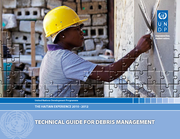
The building damage assessment, conducted between March 2010 and February 2011 by the Government of Haiti and the United Nations system, showed that more than 400,000 buildings were damaged or destroyed, of which approximately 218,000 could be occupied without repairs (green category), 105,000 were
...
Learning from the Pakistan Experience. A Manual for Post-Disaster Housing Program Managers