
Filter
2034
Text search:
non-communicable
diseases
Featured
109
443
Language
1948
138
114
99
96
73
39
22
10
9
9
7
7
6
6
5
5
3
2
1
1
1
1
1
1
1
1
1
1
1
1
1
Document type
804
568
189
108
101
54
46
43
37
27
17
16
12
11
1
Countries
428
98
83
79
64
48
35
35
34
33
32
31
31
28
28
28
27
27
26
22
21
20
20
20
19
18
18
17
13
11
10
10
8
8
8
8
7
6
6
6
6
6
6
6
5
5
5
5
5
4
4
4
4
4
4
4
4
4
4
3
3
3
3
3
3
3
3
3
3
3
2
2
2
2
2
2
2
2
2
2
1
1
1
1
1
1
1
1
1
1
1
1
1
1
1
1
1
1
1
1
1
1
1
1
1
1
1
1
1
Authors & Publishers
206
127
113
72
43
19
19
16
15
14
13
12
12
11
11
11
11
11
11
10
10
10
10
9
9
9
8
8
8
8
8
8
8
8
8
8
7
7
7
7
7
7
7
7
7
6
6
6
6
6
6
6
6
6
6
5
5
5
5
5
5
5
5
5
5
5
5
5
5
4
4
4
4
4
4
4
4
4
4
4
4
4
4
4
4
4
4
4
4
4
4
4
4
4
4
4
4
4
4
4
4
4
4
3
3
3
3
3
3
3
3
3
3
3
3
3
3
3
3
3
3
3
3
3
3
3
3
3
3
3
3
3
3
3
3
3
3
3
3
3
3
3
3
3
3
3
3
3
3
3
3
3
3
3
3
3
3
3
3
3
3
3
3
3
2
2
2
2
2
2
2
2
2
2
2
2
2
2
2
2
2
2
2
2
2
2
2
2
2
2
2
2
2
2
2
2
2
2
2
2
2
2
2
2
2
2
2
2
2
2
2
2
2
2
2
2
2
2
2
2
2
2
2
2
2
2
2
2
2
2
2
2
2
2
2
2
2
2
2
2
2
2
2
2
2
2
2
2
2
2
2
2
2
2
2
2
2
2
2
2
2
2
2
2
2
2
2
2
2
2
2
2
2
2
2
2
2
2
2
2
2
2
2
2
2
2
2
2
2
2
2
2
2
2
2
2
2
2
2
2
2
2
2
2
2
1
1
1
1
1
1
1
1
1
1
1
1
1
1
1
1
1
1
1
1
1
1
1
1
1
1
1
1
1
1
1
1
1
1
1
1
1
1
1
1
1
1
1
1
1
1
1
1
1
1
1
1
1
1
1
1
1
1
1
1
1
1
1
1
1
1
1
1
1
1
1
1
1
1
1
1
1
1
1
1
1
1
1
1
1
1
1
1
1
1
1
1
1
1
1
1
1
1
1
1
1
1
1
1
1
1
1
1
1
1
1
1
1
1
1
1
1
1
1
1
1
1
1
1
1
1
1
1
1
1
1
1
1
1
1
1
1
1
1
1
1
1
1
1
1
1
1
1
1
1
1
1
1
1
1
1
1
1
1
1
1
1
1
1
1
1
1
1
1
1
1
1
1
1
1
1
1
1
1
1
1
1
1
1
1
1
1
1
1
1
1
1
1
1
1
1
1
1
1
1
1
1
1
1
1
1
1
1
1
1
1
1
1
1
1
1
1
1
1
1
1
1
1
1
1
1
1
1
1
1
1
1
1
1
1
1
1
1
1
1
1
1
1
1
1
1
1
1
1
1
1
1
1
1
1
1
1
1
1
1
1
1
1
1
1
1
1
1
1
1
1
1
1
1
1
1
1
1
1
1
1
1
1
1
1
1
1
1
1
1
1
1
1
1
1
1
1
1
1
1
1
1
1
1
1
1
1
1
1
1
1
1
1
1
1
1
1
1
1
1
1
1
1
1
1
1
1
1
1
1
1
1
1
1
1
1
1
1
1
1
1
1
1
1
1
1
1
1
1
1
1
1
1
1
1
1
1
1
1
1
1
1
1
1
1
1
1
1
1
1
1
1
1
1
1
1
1
1
1
1
1
1
1
1
1
1
1
1
1
1
1
1
1
1
1
1
1
1
1
1
1
1
1
1
1
1
1
1
1
1
1
1
1
1
1
1
1
1
1
1
1
1
1
1
1
1
1
1
1
1
1
1
1
1
1
1
1
1
1
1
1
1
1
1
1
1
1
1
1
1
1
1
1
1
1
1
1
1
1
1
1
1
1
1
1
1
1
1
1
1
1
1
1
1
1
1
1
1
1
1
1
1
1
1
1
1
1
1
1
1
1
1
1
1
1
1
1
1
1
1
1
1
1
1
1
1
1
1
1
1
1
1
1
1
1
1
1
1
1
1
1
1
1
1
1
1
1
1
1
1
1
1
1
1
1
1
1
1
1
1
1
1
1
1
1
1
1
1
1
1
1
1
1
1
1
1
1
1
1
1
1
1
1
1
1
1
1
1
1
1
1
1
1
1
1
1
1
1
1
1
1
1
1
1
1
1
1
1
1
1
1
1
1
1
1
1
1
1
1
1
1
1
1
1
1
1
1
1
1
1
1
1
1
1
1
1
1
1
1
1
1
1
1
1
1
1
1
1
1
1
1
1
1
1
1
1
1
1
1
1
1
1
1
1
1
1
1
1
1
1
1
1
1
1
1
1
1
1
1
1
1
1
1
1
1
1
1
1
1
1
1
1
1
1
1
1
1
1
1
1
1
1
1
1
1
1
1
1
1
1
1
1
1
1
1
1
1
1
1
1
1
1
1
1
1
1
1
1
1
1
1
1
1
1
1
1
1
1
1
1
1
1
1
1
1
1
1
1
1
1
1
1
1
1
1
1
1
1
1
1
1
1
1
1
1
1
1
1
1
1
1
1
1
1
1
1
1
1
1
1
1
1
1
1
1
1
1
1
1
1
1
1
1
1
1
1
1
1
1
1
1
1
1
1
1
1
1
1
1
1
1
1
1
1
1
1
1
1
1
1
1
1
1
1
1
1
1
1
1
1
1
1
1
1
1
1
1
1
1
1
1
1
1
1
1
1
1
1
1
1
1
1
1
1
1
1
1
1
1
1
1
1
1
1
1
1
1
1
1
1
1
1
1
1
1
1
1
1
1
1
1
1
1
1
1
1
1
1
1
1
1
1
1
1
1
1
1
1
1
1
1
1
1
1
1
1
1
1
1
1
1
1
1
1
1
1
1
1
1
1
1
1
1
1
1
1
1
1
1
1
1
1
1
1
1
1
1
1
1
1
1
1
1
1
1
1
1
1
1
1
1
1
1
1
1
1
1
1
1
1
1
1
1
1
1
1
1
1
1
1
1
1
1
1
1
1
1
1
1
1
1
1
1
1
1
1
1
1
1
1
1
1
1
1
1
1
1
1
1
1
1
1
1
1
1
1
1
1
1
1
1
1
1
1
1
1
1
1
1
1
1
1
1
1
1
1
1
1
1
1
1
1
1
1
1
1
1
1
1
1
1
1
1
1
1
1
1
1
1
1
1
1
1
1
1
1
1
1
1
1
1
1
1
1
1
1
1
1
1
1
1
1
1
1
1
1
1
1
1
1
1
1
1
1
1
1
1
1
1
1
1
1
1
1
1
1
1
1
1
1
1
1
1
1
1
1
1
1
1
1
1
1
1
1
1
1
1
1
1
1
1
1
1
1
1
1
1
1
1
1
1
1
1
1
1
1
1
1
1
1
1
1
1
1
1
1
1
1
1
1
1
1
1
1
1
1
1
1
1
1
1
1
1
1
1
1
1
1
1
1
1
1
1
1
1
1
1
1
1
1
1
1
1
1
1
1
1
1
1
1
1
1
1
1
1
1
1
1
1
1
1
1
1
1
1
1
1
1
1
1
1
1
1
1
1
1
1
1
1
1
1
1
1
1
1
1
1
1
1
1
1
1
1
1
1
1
1
1
1
1
1
1
1
1
1
1
1
1
1
1
1
1
1
1
1
1
1
1
1
1
1
1
1
1
1
1
1
1
1
1
1
1
1
1
1
1
1
1
1
1
1
1
1
1
1
1
1
1
1
1
1
1
1
1
1
1
1
1
1
1
1
1
1
1
1
1
1
1
1
1
1
1
1
1
1
1
1
1
1
1
1
1
1
1
1
1
1
1
1
1
1
1
1
1
1
1
1
1
1
1
1
1
1
1
1
1
1
1
1
1
1
1
1
1
1
1
1
1
1
1
1
1
1
1
1
1
1
1
1
1
1
1
1
1
1
1
1
1
1
1
1
1
1
1
1
1
1
1
1
1
1
1
1
1
1
1
1
1
1
1
1
1
1
1
1
1
1
1
1
1
1
1
1
1
1
1
1
1
1
1
1
1
1
1
1
1
1
1
1
1
1
1
1
1
1
1
1
1
1
1
1
1
1
1
1
1
1
1
1
1
1
1
1
1
1
1
1
1
1
1
1
1
1
1
1
1
1
1
1
1
1
1
1
1
1
1
1
1
1
1
1
1
1
1
1
1
1
1
1
1
1
1
1
1
1
1
1
1
1
1
1
1
1
1
1
1
1
1
1
1
1
1
1
1
1
1
1
1
1
1
1
1
1
1
1
1
1
1
1
1
1
1
1
1
1
1
1
1
1
1
1
1
1
1
1
1
1
1
1
1
1
1
1
1
1
1
1
1
1
1
1
1
1
1
1
1
1
1
1
1
1
1
1
1
1
1
1
1
1
1
1
1
1
1
1
1
1
1
1
1
1
1
1
1
1
1
1
1
1
1
1
1
1
1
1
1
1
1
1
1
1
1
1
1
1
1
1
1
1
1
1
1
1
1
1
1
1
1
1
1
1
1
1
1
1
1
1
1
1
1
1
1
1
1
1
1
1
1
1
1
1
1
1
Publication Years
865
1074
92
3
Category
809
641
108
71
35
27
6
1
Toolboxes
744
106
89
69
51
43
40
38
36
25
25
16
15
13
11
9
8
5
4
3
2
1
1
1
Chronic obstructive pulmonary disease in over 16s: non-pharmacological management and use of inhaled therapies
National Institute for Communicable Disease (NICE)
National Institute for Health and Care Excellence (NICE)
(2019)
CC2
The document provides a summary of recommendations for the non-pharmacological management of chronic obstructive pulmonary disease (COPD) and the use of inhaled therapies in individuals over 16, emphasizing confirmed diagnosis, treatment options, and regular review of treatment effectiveness and inh
...
aler technique.
more
PATS & ERS
Paediatric Webinar Series
Non- CF Bronchiectasis: Diagnostic Approach and Management
Everyone in the world is exposed to risk factors for chronic respiratory disease (CRD). Three billion people live in urban areas and are exposed to outdoor air pollution. Two billion people are exposed to solid fuel combustion which represents one of the major risk factors worldwide. One billion peo
...
ple are exposed to tobacco smoke and everyone is exposed to allergens. These risk factors are of particular concern in developing countries and deprived areas.
more
Chronic respiratory diseases, such as asthma and
chronic obstructive pulmonary disease, kill more than
four million people every year and affect hundreds
of millions more. These diseases erode th
...
e health
and well-being of the patients and have a negative
impact on families and societies. Women and
children are particularly vulnerable, especially those
in low and middle income countries, where they are
exposed on a daily basis to indoor air pollution from
solid fuels for cooking and heating. In high income
countries, tobacco is the most important risk factor
for chronic respiratory diseases, and in some of
these countries, tobacco use among women and
young people is still increasing.
more
The website provides information on cardiovascular diseases (key facts, definitions, risk factors etc.).
WHO has identified climate change as one of the greatest health threats of the 21st century and air pollution as the single largest environmental health risk. Noncommunicable diseases (NCDs), including cardiovascular
...
diseases, diabetes, chronic respiratory disease and cancer, are the leading causes of death in the European Region and globally, the latter rate being 74%
more
Chronic noncommunicable diseases (NCDs) are the number one cause of death and disability in the world. The term NCDs refers to a group of conditions that are not mainly caused by an acute infection, result in long-term health consequences and often
...
create a need for long-term treatment and care. These conditions include cancers, cardiovascular disease, diabetes and chronic lung illnesses.
Many NCDs can be prevented by reducing common risk factors such as tobacco use, harmful alcohol use, physical inactivity and eating unhealthy diets. Many other important conditions are also considered NCDs, including injuries and mental health disorders.
more
Air pollution is the second leading cause of deaths from noncommunicable diseases (NCDs) after tobacco smoking, according to WHO.
The article "Cardiovascular Diseases" on Our World in Data provides an in-depth analysis of cardiovascular diseases (CVD), the leading cause of death globally. It examines CVD trends, such as the de
...
cline in mortality rates in high-income countries due to improved healthcare and lifestyle changes, while low- and middle-income countries experience rising CVD burdens. The article highlights major risk factors, including high blood pressure, obesity, smoking, and poor diet. It emphasizes the importance of preventive measures and access to treatment to reduce global disparities in CVD outcomes. The data-driven approach uses visualizations to illustrate the global impact and distribution of CVD.
more
As our world changes, so too does the burden of disease. Globalisation, evolving trade and consumption patterns, and increased access to life-saving medical care are just some of the factors that have transformed the global health landscape.
Although air pollution is well known to be harmful to the lung and airways, it can also damage most other organ systems of the body. It is estimated that about 500,000 lung cancer deaths and 1.6 million COPD deaths can be attributed to air pollution, but air pollution may also account for 19% of all
...
cardiovascular deaths and 21% of all stroke deaths. Air pollution has been linked to other malignancies, such as bladder cancer and childhood leukemia. Lung development in childhood is stymied with exposure to air pollutants, and poor lung development in children predicts lung impairment in adults. Air pollution is associated with reduced cognitive function and increased risk of dementia. Particulate matter in the air (particulate matter with an aerodynamic diameter < 2.5 μm) is associated with delayed psychomotor development and lower child intelligence. Studies link air pollution with diabetes mellitus prevalence, morbidity, and mortality. Pollution affects the immune system and is associated with allergic rhinitis, allergic sensitization, and autoimmunity. It is also associated with osteoporosis and bone fractures, conjunctivitis, dry eye disease, blepharitis, inflammatory bowel disease, increased intravascular coagulation, and decreased glomerular filtration rate. Atopic and urticarial skin disease, acne, and skin aging are linked to air pollution. Air pollution is controllable and, therefore, many of these adverse health effects can be prevented.
more
The guidance document provides a set of indicators for assessing the status of development, implementation and monitoring of key policy interventions for prevention and control of NCDs and injuries. It promotes city-level evidence based decision-making processes to identify gaps and take appropriate
...
s actions to strengthen responses. Additionally, using the standardized indicators can facilitate cross-city learning, sharing best practices and lessons learnt in implementing various policy interventions.
more
In 2015, Member States and the global health community committed to reduce premature mortality from
noncommunicable diseases (NCDs) by one third by 2030 (SDG target 3.4). Despite growing efforts, the pace of change in
most countries, and the polic
...
ies and regulations required to achieve this goal, are too slow, inadequate or insufficient.
Recognizing that public sector efforts alone are insufficient to address the prevention and control of NCDs, the Global
NCD Action Plan emphasizes the need for coordinated multisectoral and multistakeholder engagement, acknowledging
the role of nongovernmental organizations – including civil society groups, individuals with lived experience, academic
institutions and private sector entities. However, WHO notes that some Member States still have limited or no capacity
to establish or manage the implementation of engagement with private sector entities for the prevention and control of
noncommunicable diseases
more
To assess national-level responses to NCDs, WHO has implemented NCD country capacity surveys periodically since 2001. This report is the latest in that series. Since the first survey round, the NCD Country Capacity Survey (NCD CCS) has been conducted a further seven times, most recently in 2021. In
...
the survey, completed by the NCD focal point within each country’s ministry of health or similar agency, countries are asked to report on the following topics relating to NCDs: (i) public health infrastructure, partnerships and multisectoral collaboration; (ii) policies, strategies and action plans; (iii) health information systems and surveillance; (iv) health system capacity for detection, treatment and care; and, added for 2021, (v) the impact of the COVID-19 pandemic on NCD-related resources and activities. The questionnaire is web-based and requires supporting documentation wherever possible. In the 2021 round, data were collected from May onwards, with the last survey responses arriving in September. Validation was carried out by WHO regional offices and WHO headquarters. Country responses to previous rounds of the survey were incorporated into the analysis to assess progress since 2010. Although all 194 Member States responded to the survey, data comparisons were restricted to the 160 countries that had responded to all rounds of the survey since 2010.
more
The World Health Organization (WHO) Global Status Report on Noncommunicable Diseases 2010 projects that noncommunicable diseases (NCDs) will be responsible for over 44 million deaths during the next
...
decade, representing an increase of about 15% since 2010. Most of these deaths will occur in the WHO regions of Africa, South-East Asia and the Eastern Mediterranean. In the African Region alone, NCDs will cause around 3.9 million deaths by 2020.
more
School health programmes have been demonstrated to be the most cost-effective way to influence health behaviours in young people. The purpose of this two-part handbook is to support schools as they seek to implement interventions aimed at reducing the main modifiable risk behaviours f
...
or noncommunicable diseases (NCDs) . The background provided in this Introduction handbook and the approaches and advice outlined in the Practical application handbook focuses on providing young people with the knowledge, attitudes, beliefs and life skills necessary for making informed decisions, and creating a healthy school environment that can reduce the risk of NCDs
more
School health programmes are the most cost-effective way to influence health behaviours in young people. The purpose of this two-part handbook is to support schools as they seek to implement interventions in order to reduce the main modifiable risk behaviours for noncommunicable
...
diseases. This Practical application handbook provides advice to schools on providing young people with the knowledge, attitudes, beliefs and life skills necessary for making informed decisions, and creating a healthy school environment that can reduce the risk of NCDs
more

Available in English, French and Spanish
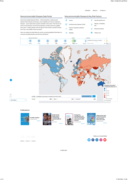
Noncommunicable Diseases Data Portal
recommended
Noncommunicable diseases (NCDs) – chief among them, cardiovascular diseases (heart disease and stroke), cancer, diabetes and chronic respiratory disease
...
s – cause nearly three-quarters of deaths in the world. Their drivers are social, environmental, commercial and genetic, and their presence is global. Every year 17 million people under the age of 70 die of NCDs, and 86% of them live in low- and middle-income countries.
Users can explore the data below by country, accessing detailed information on noncommunicable diseases and their key risk factors
more
