
Filter
589
Text search:
World
Health
Organization
(WHO)
Regional
Office
for
the
Eastern
Mediterranean
Featured
87
127
Language
Document type
220
150
104
49
29
10
9
7
5
2
1
1
1
1
Countries / Regions
50
20
16
15
13
8
7
6
6
5
5
5
5
4
4
4
4
4
4
4
3
3
3
3
2
2
2
2
2
2
2
2
2
2
1
1
1
1
1
1
1
1
1
1
1
1
1
1
1
1
1
1
1
1
1
1
1
1
1
1
1
1
1
Authors & Publishers
Publication Years
Category
85
71
68
52
26
13
12
Toolboxes
75
58
39
38
34
30
26
26
25
24
24
22
20
19
14
9
7
6
5
5
4
4
1
The updated List of Essential Diagnostics contains 46 general tests that can be used for routine patient care as well as for
...
WHO has issued a new recommendation on the length of bladder catheterization following surgical repair of a simple obstetric urinary fistula. Currently th
...
The risk communication and community engagement (RCCE) competency framework is a resource that details the essential behaviours and activities necessary f
...

WHO would like to express its gratitude and appreciation to all Member States that provided information to the WHO survey on policies and activitie
...

Guidelines on sanitation and health
recommended
The new WHO Guidelines on Sanitation and Health summarize the evidence on
...
As countries aim to progress towards the Sustainable Development Goals (SDGs) and achieving universal health coverage, health inequities driven by
...
The WHO Guidelines on risk reduction of cognitive decline and dementia provide evidence-based recommendations on lifestyle behaviours and interventions to delay or prevent cognitive decline and deme
...
WHO published the first COVID-19 Strategic Response and Preparedness Plan (SPRP) on 3 February, 2020. This report highlights the main points of pro
...
Every year, an estimated 15 million babies are born preterm – before 37 weeks of pregnancy. That is more than 1 in 10 live births. Approximately 1 million children die each year worldwide due to complications from their early birth. Those that survive often face a lifetime of ill-
...
These guidelines present evidence-based recommendations and best practice statements on use of medically important antimicrobials in food-producing animals, based on the WHO list of critically impor
...

WHO needs US$2.54 billion to provide life-saving assistance to millions of people around the world facing
...

Every day in 2020, approximately 800 women died from preventable causes related to pregnancy and childbirth - meaning that a woman dies around every two minutes.
Sustainable Development Goal (SDG) target 3.1 is to reduce maternal mortality to less than 70 maternal deaths per 100 000 live births by
...
The purpose of this document is to inform the public about biological and chemical hazards and thereby prepare the population
...
Patient safety assessment manual
recommended
3rd edition. Patient safety standards are critical for the establishment and assessment of patient safety programmes within hospitals. This third edition of
...
This ten year global plan for measles and rubella outlines the strategy that needs to be fully implemented to achieve the measles and rubella goals
...
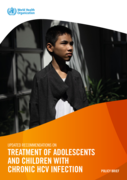
Updated recommendations on treatment of adolescents and children with chronic HCV infection
recommended
The new treatment recommendations that extend the 2018 treat all recommendation for adults with chronic HCV infection to include adolescents and ch
...

Technical report
This manual aims to provide information about the methods for investigating outbreaks of hepatitis E, and measures for their ...
This manual aims to provide information about the methods for investigating outbreaks of hepatitis E, and measures for their ...
These guidelines provide evidence-based guidance on the use of peripartum antiviral prophylaxis in HBsAg-positive pregnant women for the prevention
...
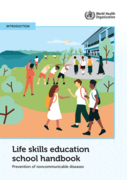
School health programmes have been demonstrated to be the most cost-effective way to influence health behaviours in young people.
...
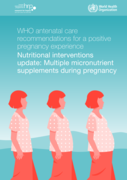
The World Health Organization’s comprehensive antenatal care (ANC) guideline
...
