Filter
265
Text search:
Japan
International
Cooperation
Agency
,
Planning
and
Evaluation
Department
Featured
Recommendations
18
New Publications
113
Language
Document type
No document type
194
Studies & Reports
35
Guidelines
21
Manuals
13
Training Material
1
Situation Updates
1
Countries / Regions
Global
18
Kenya
15
Myanmar / Burma
14
Philippines
11
Zambia
11
Nepal
8
Cambodia
8
Sierra Leone
5
India
5
Bangladesh
5
Liberia
4
Nigeria
4
Ghana
4
Uganda
4
Tanzania
4
South–East Asia Region
4
Asia
4
Guinea
3
Senegal
3
Ethiopia
3
Rwanda
3
South Africa
3
Malawi
3
Latin America and the Carribbean
3
South Sudan
2
Namibia
2
Colombia
2
Botswana
2
Bolivia
2
Middle East and North Africa
2
Western and Central Europe
2
Venezuela
2
Congo, Democratic Republic of
1
Mali
1
USA
1
Zimbabwe
1
Pakistan
1
Jordan
1
Thailand
1
Gambia
1
Ireland
1
Mozambique
1
Papua New Guinea
1
Sudan
1
Benin
1
Argentina
1
Peru
1
Eswatini/ Swaziland
1
Brazil
1
Ukraine
1
Honduras
1
Lesotho
1
Sri Lanka
1
Chile
1
East and Southern Africa
1
West and Central Africa
1
Eastern Europe and Central Asia
1
Paraguay
1
Eastern Europe
1
Timor Leste/ East Timor
1
Russia
1
Vietnam
1
Authors & Publishers
Publication Years
Category
Countries
108
Key Resources
17
Public Health
14
Clinical Guidelines
11
Women & Child Health
9
Capacity Building
6
General Guidelines
1
Pharmacy & Technologies
1
Toolboxes
Disability
21
Mental Health
14
Natural Hazards
12
Rapid Response
12
TB
9
Planetary Health
9
Ebola
8
AMR
7
Health Financing Toolbox
6
HIV
5
NTDs
5
Specific Hazards
4
COVID-19
4
Conflict
3
Global Health Education
3
Pharmacy
3
Refugee
2
Caregiver
2
Typhoon
1
Zika
1
NCDs
1
Conflict, climate change, the COVID-19 pandemic, and the economic effects of the Ukraine crisis are interacting to create new and worsen existing hunger hotspots, reversing the gains families had ma
...
A national faecal examination of 27 729 schoolchildren from 395 schools carried out in
2008 indicated that intestinal parasitic worms affected an estimated five million (56.8%)
children in Kenya. Existing evidence shows that worm infections lead to reduced literacy
levels due to impaired growth
...
Annual report on global preparednessfor health emergencies
The next pandemic is not a question of if, but when—and the world is woefully unprepared, according to the first annual report from the Global Preparedness Monitoring Board. The WHO
...
Has the world worked together to tackle the coronavirus? July 2021. This research paper assesses how the global community has responded to calls for greater solidarity in tackling the COVID-19 pandemic, and presents the insights of key stakeholders
...
Empowering Health Workers to Improve Service Delivery. This training program is designed to build the capacity of program managers and health providers in quality management, and improve the provisi
...
The Democratic Republic of Timor-Leste has the highest TB incidence rate in the South East Asian Region - 498 per 100,000, which is the seventh highest in the world. In Timor-Leste TB is the eighth most common cause of death.
The salient observations are as follows:
In 2018, 487 (12.5%) of the
...
More than 700 000 people lose their life to suicide every year. The world is not on track to reach the 2030 suicide reduction targets. WHO advocates for countries to take action to prevent suicide, ideally through a comprehensive national suicide prevention strategy. Governments
...
Why bold action against inequalities is needed to en AIDS, stop COVID-19 and prepare for future pandemics
This brief gives an overview of disability rights in the Sub-Saharan region, with focus on Sida partner countries; DRC, Ethiopia, Kenya, Liberia, Mali, Mozambique, Rwanda, Somalia, Sudan and South Sudan, Tanzania, Uganda, Zambia
...
Bangladesh Health Facility Survey 2014
recommended
Final Report
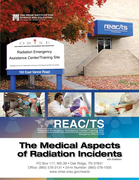
This pocket guide offers basic information needed for the medical management of victims of radiation incidents in an easy-to-understand manner.