
Filter
2595
Text search:
radio
Featured
217
816
Language
2024
329
157
67
25
24
23
20
9
7
5
5
5
4
3
3
3
3
3
2
2
2
2
2
2
2
1
1
1
1
1
1
1
1
1
1
1
1
1
1
1
1
1
1
1
1
1
Document type
1649
313
253
114
102
54
45
37
8
7
6
2
1
Countries
95
93
92
85
77
76
75
70
66
65
64
56
50
48
43
43
42
41
40
40
39
36
35
31
30
29
29
29
27
26
25
25
23
19
18
17
17
16
16
15
15
14
14
13
13
12
11
11
10
10
10
10
10
9
9
9
8
8
7
7
7
7
7
7
6
6
6
5
5
5
4
4
4
4
4
4
4
4
4
3
3
3
3
3
3
3
3
3
3
3
3
2
2
2
2
2
2
2
2
2
2
2
2
2
2
2
2
1
1
1
1
1
1
1
1
1
1
1
1
1
1
1
1
1
1
1
1
1
1
Authors & Publishers
154
77
75
74
66
59
43
41
38
36
35
32
28
25
17
17
16
16
15
14
13
12
12
11
11
11
11
11
11
11
11
10
10
10
10
10
10
10
9
9
9
9
8
8
8
8
8
7
7
7
7
7
7
7
7
6
6
6
6
6
6
6
6
6
6
6
6
6
6
6
5
5
5
5
5
5
5
5
5
5
5
5
5
5
5
4
4
4
4
4
4
4
4
4
4
4
4
4
4
4
4
4
4
4
4
4
4
4
4
4
4
4
4
4
4
4
4
4
3
3
3
3
3
3
3
3
3
3
3
3
3
3
3
3
3
3
3
3
3
3
3
3
3
3
3
3
3
3
3
3
3
3
3
3
3
3
3
3
3
3
3
3
3
3
3
3
3
3
3
3
3
3
3
3
3
3
3
3
3
3
3
3
3
3
3
3
2
2
2
2
2
2
2
2
2
2
2
2
2
2
2
2
2
2
2
2
2
2
2
2
2
2
2
2
2
2
2
2
2
2
2
2
2
2
2
2
2
2
2
2
2
2
2
2
2
2
2
2
2
2
2
2
2
2
2
2
2
2
2
2
2
2
2
2
2
2
2
2
2
2
2
2
2
2
2
2
2
2
2
2
2
2
2
2
2
2
2
2
2
2
2
2
2
2
2
2
2
2
2
2
2
2
2
2
2
2
2
2
2
2
2
2
2
2
2
2
2
2
2
2
2
2
2
2
2
2
2
2
2
2
2
2
2
2
2
2
2
2
2
2
2
2
2
2
2
2
2
2
2
2
2
2
2
2
2
2
2
2
2
2
2
2
2
2
2
2
2
2
2
2
2
2
2
2
2
2
1
1
1
1
1
1
1
1
1
1
1
1
1
1
1
1
1
1
1
1
1
1
1
1
1
1
1
1
1
1
1
1
1
1
1
1
1
1
1
1
1
1
1
1
1
1
1
1
1
1
1
1
1
1
1
1
1
1
1
1
1
1
1
1
1
1
1
1
1
1
1
1
1
1
1
1
1
1
1
1
1
1
1
1
1
1
1
1
1
1
1
1
1
1
1
1
1
1
1
1
1
1
1
1
1
1
1
1
1
1
1
1
1
1
1
1
1
1
1
1
1
1
1
1
1
1
1
1
1
1
1
1
1
1
1
1
1
1
1
1
1
1
1
1
1
1
1
1
1
1
1
1
1
1
1
1
1
1
1
1
1
1
1
1
1
1
1
1
1
1
1
1
1
1
1
1
1
1
1
1
1
1
1
1
1
1
1
1
1
1
1
1
1
1
1
1
1
1
1
1
1
1
1
1
1
1
1
1
1
1
1
1
1
1
1
1
1
1
1
1
1
1
1
1
1
1
1
1
1
1
1
1
1
1
1
1
1
1
1
1
1
1
1
1
1
1
1
1
1
1
1
1
1
1
1
1
1
1
1
1
1
1
1
1
1
1
1
1
1
1
1
1
1
1
1
1
1
1
1
1
1
1
1
1
1
1
1
1
1
1
1
1
1
1
1
1
1
1
1
1
1
1
1
1
1
1
1
1
1
1
1
1
1
1
1
1
1
1
1
1
1
1
1
1
1
1
1
1
1
1
1
1
1
1
1
1
1
1
1
1
1
1
1
1
1
1
1
1
1
1
1
1
1
1
1
1
1
1
1
1
1
1
1
1
1
1
1
1
1
1
1
1
1
1
1
1
1
1
1
1
1
1
1
1
1
1
1
1
1
1
1
1
1
1
1
1
1
1
1
1
1
1
1
1
1
1
1
1
1
1
1
1
1
1
1
1
1
1
1
1
1
1
1
1
1
1
1
1
1
1
1
1
1
1
1
1
1
1
1
1
1
1
1
1
1
1
1
1
1
1
1
1
1
1
1
1
1
1
1
1
1
1
1
1
1
1
1
1
1
1
1
1
1
1
1
1
1
1
1
1
1
1
1
1
1
1
1
1
1
1
1
1
1
1
1
1
1
1
1
1
1
1
1
1
1
1
1
1
1
1
1
1
1
1
1
1
1
1
1
1
1
1
1
1
1
1
1
1
1
1
1
1
1
1
1
1
1
1
1
1
1
1
1
1
1
1
1
1
1
1
1
1
1
1
1
1
1
1
1
1
1
1
1
1
1
1
1
1
1
1
1
1
1
1
1
1
1
1
1
1
1
1
1
1
1
1
1
1
1
1
1
1
1
1
1
1
1
1
1
1
1
1
1
1
1
1
1
1
1
1
1
1
1
1
1
1
1
1
1
1
1
1
1
1
1
1
1
1
1
1
1
1
1
1
1
1
1
1
1
1
1
1
1
1
1
1
1
1
1
1
1
1
1
1
1
1
1
1
1
1
1
1
1
1
1
1
1
1
1
1
1
1
1
1
1
1
1
1
1
1
1
1
1
1
1
1
1
1
1
1
1
1
1
1
1
1
1
1
1
1
1
1
1
1
1
1
1
1
1
1
1
1
1
1
1
1
1
1
1
1
1
1
1
1
1
1
1
1
1
1
1
1
1
1
1
1
1
1
1
1
1
1
1
1
1
1
1
1
1
1
1
1
1
1
1
1
1
1
1
1
1
1
1
1
1
1
1
1
1
1
1
1
1
1
1
1
1
1
1
1
1
1
1
1
1
1
1
1
1
1
1
1
1
1
1
1
1
1
1
1
1
1
1
1
1
1
1
1
1
1
1
1
1
1
1
1
1
1
1
1
1
1
1
1
1
1
1
1
1
1
1
1
1
1
1
1
1
1
1
1
1
1
1
1
1
1
1
1
1
1
1
1
1
1
1
1
1
1
1
1
1
1
1
1
1
1
1
1
1
1
1
1
1
1
1
1
1
1
1
1
1
1
1
1
1
1
1
1
1
1
1
1
1
1
1
1
1
1
1
1
1
1
1
1
1
1
1
1
1
1
1
1
1
1
1
1
1
1
1
1
1
1
1
1
1
1
1
1
1
1
1
1
1
1
1
1
1
1
1
1
1
1
1
1
1
1
1
1
1
1
1
1
1
1
1
1
1
1
1
1
1
1
1
1
1
1
1
1
1
1
1
1
1
1
1
1
1
1
1
1
1
1
1
1
1
1
1
1
1
1
1
1
1
1
1
1
1
1
1
1
1
1
1
1
1
1
1
1
1
1
1
1
1
1
1
1
1
1
1
1
1
1
1
1
1
1
1
1
1
1
1
1
1
1
1
1
1
1
1
1
1
1
1
1
1
1
1
1
1
1
1
1
1
1
1
1
1
1
1
1
1
1
1
1
1
1
1
1
1
1
1
1
1
1
1
1
1
1
1
1
1
1
1
1
1
1
1
1
1
1
1
1
1
1
1
1
1
1
1
1
1
1
1
1
1
1
1
1
1
1
1
1
1
1
1
1
1
1
1
1
1
1
1
1
1
1
1
1
1
1
1
1
1
1
1
1
1
1
1
1
1
1
1
1
1
1
1
1
1
1
1
1
1
1
1
1
1
1
1
1
1
1
1
1
1
1
1
1
1
1
1
1
1
1
1
1
1
1
1
1
1
1
1
1
1
1
1
1
1
1
1
1
1
1
1
1
1
1
1
1
1
1
1
1
1
1
1
1
1
1
1
1
1
1
1
1
1
1
1
1
1
1
1
1
1
1
1
1
1
1
1
1
1
1
1
1
1
1
1
1
1
1
1
1
1
1
1
1
1
1
1
1
1
1
1
1
1
1
1
1
1
1
1
1
1
1
1
1
1
1
1
1
1
1
1
1
1
1
1
1
1
1
1
1
1
1
1
1
1
1
1
1
1
1
1
1
1
1
1
1
1
1
1
1
1
1
1
1
1
1
1
1
1
1
1
1
1
1
1
1
1
1
1
1
1
1
1
1
1
1
1
1
1
1
1
1
1
1
1
1
1
1
1
1
1
1
1
1
1
1
1
1
1
1
1
1
1
1
1
1
1
1
1
1
1
1
1
1
1
1
1
1
1
1
1
1
1
1
1
1
1
1
1
1
1
1
1
1
1
1
1
1
1
1
1
1
1
1
1
1
1
1
1
1
1
1
1
1
1
1
1
1
1
1
1
1
1
1
1
1
1
1
1
1
1
1
1
1
1
1
1
1
1
1
1
1
1
1
1
1
1
1
1
1
1
1
1
1
1
1
1
1
1
1
1
1
1
1
1
1
1
1
1
1
1
1
1
1
1
1
1
1
1
1
1
1
1
1
1
1
1
1
1
1
1
1
1
1
1
1
1
1
1
1
1
1
1
1
1
1
1
1
1
1
1
1
1
1
1
1
1
1
1
1
1
1
1
1
1
1
1
1
1
1
1
1
1
1
1
1
1
1
1
1
1
1
1
1
1
1
1
1
1
1
1
1
1
1
1
1
1
1
1
1
1
1
1
1
1
1
1
1
1
1
1
1
1
1
1
1
1
1
1
1
1
1
1
1
1
1
1
1
1
1
1
1
1
1
1
1
1
1
1
1
1
1
1
1
1
1
1
1
1
1
1
1
1
1
1
1
1
1
1
1
1
1
1
1
1
1
1
1
1
1
1
1
1
1
1
1
1
1
1
1
1
1
1
1
1
1
1
1
1
1
1
1
1
1
1
1
1
1
1
1
1
1
1
1
1
1
1
1
1
1
1
1
1
1
1
1
1
1
1
1
1
1
1
1
1
1
1
1
1
1
1
1
1
1
1
1
1
1
1
1
1
1
1
1
1
1
1
1
1
1
1
1
1
1
1
1
1
1
1
1
1
1
1
1
1
1
1
1
1
1
1
1
1
1
1
1
1
1
1
1
1
1
1
1
1
1
1
1
1
1
1
1
1
1
1
1
1
1
1
1
1
1
1
1
1
1
1
1
1
1
1
1
1
1
1
1
1
1
1
1
1
1
1
1
1
1
1
1
1
1
1
1
1
1
1
1
1
1
1
1
1
1
1
1
1
1
1
1
1
1
1
1
1
1
1
1
1
1
1
1
1
1
Publication Years
604
1739
228
20
1
2
1
Category
1365
102
85
82
78
33
2
1
1
Toolboxes
339
155
140
124
111
83
81
58
57
48
42
37
36
30
30
27
26
22
17
14
14
10
6
3
1
Cette mission menée conjointement par la représentante du Ministère de la Santé en charge du projet, la
responsable EVIPNet de l’OMS à Genève et le directeur de la fondation Winds of Hope visait à établir le lien entre
le Ministère de la Santé et les différentes parties prenantes du B
...
urkina Faso en charge de la prévention et de
prise en charge du noma, notamment les ONG : Sentinelles, Persis et Hymne aux Enfants. En effet, le Ministère
de la Santé du Burkina Faso a décidé d’écrire une note de politique (policy brief) sur cette maladie négligée non
transmissible qu’est le noma pour provoquer un dialogue politique (forum délibératif) devant déboucher sur des
actions politiques concrètes. Cette maladie, symbole des ravages de l’extrême pauvreté, affecte les zones les
plus isolées et pauvres du Burkina Faso. Cette initiative du Ministère de la Santé du Burkina Faso qui a acquis
maintenant une grande expérience dans l’écriture de notes de politique et dans l’organisation de dialogues
politiques est une démarche concrète et significative pour adresser les inégalités sociales et l’extrême pauvreté.
more
Ainsi, le présent profil peint le faciès épidémiologique du pays pour l’année 2015
avec un clin d’œil sur le niveau de réalisation des Objectifs du millénaire pour le
développement (OMD) et un focus particulier sur l’appropriation des Objectifs de
développement durable (ODD). Il e
...
st composé de six chapitres que sont (i)
Introduction au contexte du pays ; (ii) Etat et tendance des indicateurs de santé ; (iii)
Système de santé ; (iv) Progrès des objectifs de développement durable ; (v)
Programmes et services spécifiques ; (vi) Déterminants clés de la santé.
C’est un outil recommandé par l’OMS et est indispensable pour le pays en prélude à
la mise en place de l’Observatoire national de la santé. Son élaboration a connu un
processus participatif avec l’implication des différents acteurs intervenant dans le
domaine de la santé.
Profil sanitaire complet du Burkina Faso 2015 Page 8
Le document du profil pays a été organisé en 4 modules à savoir :
Module 1 : La situation socio-sanitaire du Burkina Faso et mise en œuvre des ODD ;
Module 2 : Le système de santé au Burkina Faso ;
Module 3 : Les programmes et services spécifiques de santé au Burkina Faso ;
Module 4 : Les déterminants clés de la santé.
more
Como respuesta al COVID-19 en la región, los ministerios de educación de 23 países y 12 estados independientes de América Latina y el Caribe (ALC) han cerrado las escuelas de forma progresiva a nivel de la educación preescolar, primaria y secundaria desde marzo de 2020. Como resultado, se estim
...
a que alrededor de 154 millones de niños, niñas y adolescentes han sido afectados en la región (cifra que incluye alrededor de 12 millones de niños, niñas y adolescentes que estaban fuera de la escuela antes de la pandemia).
more
This research was conducted in March and April 2020 to explore children and young people’s reflections and perceptions on the COVID-19 outbreak. This study was organised in response to the young people’s continued child activism in the face of personal challenges.
Ethiopia saw a six-fold increase in confirmed COVID-19 cases between June and August, with 5,689 cases by end June compared to 34,058 cases as of 19 August. Ethiopia also registered more than 13,000 recoveries and more than 600 deaths. As of the last week of August, Ethiopia was leading eastern Afri
...
can countries with the highest number of cases.
more
In India, in response to the above and guided by our counterparts in the government of India, the UN agencies have developed the Novel Coronavirus Disease Joint Health Response Plan by UN Agencies and Partners, led by WHO-India, in close collaboration with the Ministry of Health and Family Welfare,
...
and with the support of other development partners. The UN in India is also preparing a COVID-19 Socio-economic Response and Recovery Plan, in partnership with the government.
more
Mozambique registered its first COVID-19 case on 22 March 2020 and since then numbers have steadily grown over the following three months with cases now reported in all provinces. In response, a level 3 State of emergency was enacted on 1 April 2020 and has been extended until 29 July 2020, with mea
...
sures targeting the prevention of COVID-19 transmissions.
more
Au cours des derniers mois, la situation sécuritaire et humanitaire s'est rapidement détériorée dans les régions du Nord, du CentreNord, du Sahel, de la Boucle du Mouhoun et de l’Est du Burkina Faso. Cette dégradation a entraîné un accroissement substantiel des déplacements internes et ag
...
gravé l'accès déjà très limité aux services sociaux de base dans un contexte d'extrême pauvreté dans ces localités. Alors que l'insécurité augmente progressivement depuis 2017, l’année 2019 a été particulièrement violente, provoquant une augmentation sans précédent des besoins humanitaires. 2,9 millions de burkinabè sont dans un besoin humanitaire de plus en plus croissant dans tous les secteurs. Parmi ces 2,9 millions de personnes, plus de 920 000 étaient des déplacées internes au 30 juin 2020 et plus de 1,5 millions étaient directement privées d’un accès aux soins de santé et d’éducation
more
Le Plan de réponse humanitaire (PRH) 2020 a été révisé et publié en mai 2020 afin d’intégrer l’impact de l’épidémie de COVID-19 sur les besoins humanitaires existants et sur les activités des partenaires humanitaires.
Dans le contexte de l’épidémie de COVID-19, la portée de lâ€
...
™analyse du PRH 2020 a été mise à jour afin d’intégrer les nouveaux besoins et activités liées à la réponse humanitaire au COVID-19 et d’ajuster les priorités humanitaires en prenant en compte l’évolution du contexte opérationnel.
more
An estimated 99% of children worldwide – or more than 2.3 billion children – live in one of the 186 countries that have implemented some form of restrictions due to COVID-191. Although children are not at a high risk of direct harm from the virus, they are disproportionately affected by its hid
...
den impacts.
more
L’objectif de ce guide est de favoriser la prise en charge globale et de qualité des nourrissons exposés au VIH et des enfants infectés par le VIH par des équipes pluridisciplinaires, éventuellement non-spécialisées en pédiatrie.Le programme Grandir développe depuis huit ans des activité
...
s pour répondre aux besoins en information et en formation des acteurs de terrain impliqués dans la prise en charge des personnes vivant avec le VIH et de leurs enfants. Différents outils ont ainsi été développés : Grandir Info, lettre d’informations sur le VIH pédiatrique ; Grandir Actu, veille bibliographique des articles scientifiques sur le sujet ; des brochures sur l’observance et l’annonce du diagnostic ; des Fiches Pratiques et des modules de formation spécialisée en nutrition ou en accompagnement psychologique de l’enfant et de l’adolescent.Chaque publication est relue et validée par un Comité Technique constitué de référents spécialisés du Nord et du Sud, reconnus pour leurs compétences dans le domaine. Ce guide est une version augmentée et enrichie du manuel publié par le pro-gramme Grandir en 2010. Il constitue une actualisation des recommandations de l’OMS et une capitalisation des connaissances pratiques accumulées depuis le début du programme en 2006 dans le domaine du VIH pédiatrique en Afrique.
more
Le Burkina Faso est un pays sahélien sans littoral d’une superficie de 274 000 km2 et une
population estimée à 17,4 millions d’habitants en 2013 avec une croissance démographique de
3,1%. C’est l’un des pays les plus pauvres du monde avec un Produit intérieur brut par tête de
684 US
...
$ (Banque Mondiale, 2013), un indice de développement humain (IDH) de 0,388 et une
incidence de la pauvreté de 46,7% (INSD, 2009). Environ 80% de la population vit directement
ou indirectement de l’agriculture de subsistance au gré des aléas climatiques.
more
Expert Consensus Report for Emergency Centres in
Western Cape
Integrated Management of Acute Malnutrition National Guidelines
Shielding is a term used to describe the protection of individuals at high risk of severe COVID-19 illness by separating them from the general population.
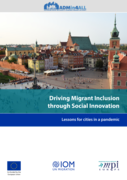
The rapid arrival of millions of asylum seekers and migrants in Europe in 2015–16 forced cities both large and small to rethink their approach to immigrant inclusion.
Available in English, French, Portuguese and Arabic
Successful immunization of a critical mass of the African population with one or several safe and efficacious COVID-19 vaccines.Key objectives1. Accelerate African involvement in the clinical development of a vaccine. 2. Ensur
...
e African countries can access a sufficient share of the global vaccine supply.3. Remove barriers to widespread delivery and uptake of effective vaccines across Africa.
more
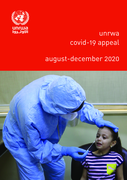
COVID-19 has resulted in an unprecedented global crisis. As the pandemic spreads and countries around the world continue to struggle to contain its health and socio-economic consequences, UNRWA is issuing a new humanitarian appeal from August through December 2020 to address the worst impacts of the
...
pandemic on Palestine refugees across the Agency’s five fields of operation. Through this appeal the Agency seeks US$ 94.6 million. The funds requested in this appeal are additional to the previous UNRWA COVID-19 appeal for March to July.
more
Management of a cholera epidemic
recommended
Practical guide for doctors, nurses,laboratory technicians, medical auxiliaries,water and sanitation specialists and logisticians
In most contexts, the social stigma surrounding mental health issues exists because of cultural norms and a lack of understanding of mental health’s complexities and realities, resulting in isolation, increased vulnerability, and lack of support for people with mental health problems.
This stig
...
ma has been exacerbated during COVID-19, as more people may need mental health or psycho-social support but cannot access it due to the cessation of in-person services and limited remote care option
more
