
Filter
2952
Text search:
financial
inclusion
Featured
219
833
Language
2907
56
45
31
27
19
15
6
5
5
4
4
4
3
3
3
3
3
2
2
2
2
2
2
2
2
2
2
2
2
1
1
1
1
1
1
1
1
1
1
1
1
1
1
Document type
1749
525
291
157
132
31
30
26
4
3
3
1
Countries
151
92
90
84
76
65
63
58
58
49
48
46
46
45
44
39
39
37
36
35
32
27
25
24
23
20
20
19
19
19
18
17
16
15
15
15
14
13
13
12
12
12
12
12
12
11
11
11
10
10
10
10
10
9
9
9
9
8
7
7
7
7
6
6
6
6
6
5
5
5
5
5
5
4
4
4
4
4
4
3
3
3
3
3
3
3
2
2
2
2
2
2
2
2
2
2
2
2
2
2
2
2
2
1
1
1
1
1
1
1
1
1
1
1
1
1
1
1
1
1
1
1
1
1
1
1
1
1
1
1
1
1
Authors & Publishers
395
131
125
102
95
62
62
50
38
33
22
19
19
16
16
15
15
14
14
14
13
13
13
13
12
12
11
10
10
10
9
9
9
9
9
9
9
8
8
8
8
8
8
8
7
7
7
7
7
7
6
6
6
6
6
6
6
6
6
6
6
6
6
6
6
5
5
5
5
5
5
5
5
5
5
5
5
5
5
5
5
4
4
4
4
4
4
4
4
4
4
4
4
4
4
4
4
4
4
4
4
4
4
4
4
4
4
4
4
4
4
4
4
4
4
4
4
4
4
4
4
4
4
4
3
3
3
3
3
3
3
3
3
3
3
3
3
3
3
3
3
3
3
3
3
3
3
3
3
3
3
3
3
3
3
3
3
3
3
3
3
3
3
3
3
3
3
3
3
3
3
3
3
3
3
3
3
3
3
2
2
2
2
2
2
2
2
2
2
2
2
2
2
2
2
2
2
2
2
2
2
2
2
2
2
2
2
2
2
2
2
2
2
2
2
2
2
2
2
2
2
2
2
2
2
2
2
2
2
2
2
2
2
2
2
2
2
2
2
2
2
2
2
2
2
2
2
2
2
2
2
2
2
2
2
2
2
2
2
2
2
2
2
2
2
2
2
2
2
2
2
2
2
2
2
2
2
2
2
2
2
2
2
2
2
2
2
2
2
2
2
2
2
2
2
2
2
2
2
2
2
2
2
2
2
2
2
2
2
2
2
2
2
2
2
2
2
2
2
2
2
2
2
2
2
2
2
2
2
2
2
2
2
2
2
2
2
2
2
2
2
1
1
1
1
1
1
1
1
1
1
1
1
1
1
1
1
1
1
1
1
1
1
1
1
1
1
1
1
1
1
1
1
1
1
1
1
1
1
1
1
1
1
1
1
1
1
1
1
1
1
1
1
1
1
1
1
1
1
1
1
1
1
1
1
1
1
1
1
1
1
1
1
1
1
1
1
1
1
1
1
1
1
1
1
1
1
1
1
1
1
1
1
1
1
1
1
1
1
1
1
1
1
1
1
1
1
1
1
1
1
1
1
1
1
1
1
1
1
1
1
1
1
1
1
1
1
1
1
1
1
1
1
1
1
1
1
1
1
1
1
1
1
1
1
1
1
1
1
1
1
1
1
1
1
1
1
1
1
1
1
1
1
1
1
1
1
1
1
1
1
1
1
1
1
1
1
1
1
1
1
1
1
1
1
1
1
1
1
1
1
1
1
1
1
1
1
1
1
1
1
1
1
1
1
1
1
1
1
1
1
1
1
1
1
1
1
1
1
1
1
1
1
1
1
1
1
1
1
1
1
1
1
1
1
1
1
1
1
1
1
1
1
1
1
1
1
1
1
1
1
1
1
1
1
1
1
1
1
1
1
1
1
1
1
1
1
1
1
1
1
1
1
1
1
1
1
1
1
1
1
1
1
1
1
1
1
1
1
1
1
1
1
1
1
1
1
1
1
1
1
1
1
1
1
1
1
1
1
1
1
1
1
1
1
1
1
1
1
1
1
1
1
1
1
1
1
1
1
1
1
1
1
1
1
1
1
1
1
1
1
1
1
1
1
1
1
1
1
1
1
1
1
1
1
1
1
1
1
1
1
1
1
1
1
1
1
1
1
1
1
1
1
1
1
1
1
1
1
1
1
1
1
1
1
1
1
1
1
1
1
1
1
1
1
1
1
1
1
1
1
1
1
1
1
1
1
1
1
1
1
1
1
1
1
1
1
1
1
1
1
1
1
1
1
1
1
1
1
1
1
1
1
1
1
1
1
1
1
1
1
1
1
1
1
1
1
1
1
1
1
1
1
1
1
1
1
1
1
1
1
1
1
1
1
1
1
1
1
1
1
1
1
1
1
1
1
1
1
1
1
1
1
1
1
1
1
1
1
1
1
1
1
1
1
1
1
1
1
1
1
1
1
1
1
1
1
1
1
1
1
1
1
1
1
1
1
1
1
1
1
1
1
1
1
1
1
1
1
1
1
1
1
1
1
1
1
1
1
1
1
1
1
1
1
1
1
1
1
1
1
1
1
1
1
1
1
1
1
1
1
1
1
1
1
1
1
1
1
1
1
1
1
1
1
1
1
1
1
1
1
1
1
1
1
1
1
1
1
1
1
1
1
1
1
1
1
1
1
1
1
1
1
1
1
1
1
1
1
1
1
1
1
1
1
1
1
1
1
1
1
1
1
1
1
1
1
1
1
1
1
1
1
1
1
1
1
1
1
1
1
1
1
1
1
1
1
1
1
1
1
1
1
1
1
1
1
1
1
1
1
1
1
1
1
1
1
1
1
1
1
1
1
1
1
1
1
1
1
1
1
1
1
1
1
1
1
1
1
1
1
1
1
1
1
1
1
1
1
1
1
1
1
1
1
1
1
1
1
1
1
1
1
1
1
1
1
1
1
1
1
1
1
1
1
1
1
1
1
1
1
1
1
1
1
1
1
1
1
1
1
1
1
1
1
1
1
1
1
1
1
1
1
1
1
1
1
1
1
1
1
1
1
1
1
1
1
1
1
1
1
1
1
1
1
1
1
1
1
1
1
1
1
1
1
1
1
1
1
1
1
1
1
1
1
1
1
1
1
1
1
1
1
1
1
1
1
1
1
1
1
1
1
1
1
1
1
1
1
1
1
1
1
1
1
1
1
1
1
1
1
1
1
1
1
1
1
1
1
1
1
1
1
1
1
1
1
1
1
1
1
1
1
1
1
1
1
1
1
1
1
1
1
1
1
1
1
1
1
1
1
1
1
1
1
1
1
1
1
1
1
1
1
1
1
1
1
1
1
1
1
1
1
1
1
1
1
1
1
1
1
1
1
1
1
1
1
1
1
1
1
1
1
1
1
1
1
1
1
1
1
1
1
1
1
1
1
1
1
1
1
1
1
1
1
1
1
1
1
1
1
1
1
1
1
1
1
1
1
1
1
1
1
1
1
1
1
1
1
1
1
1
1
1
1
1
1
1
1
1
1
1
1
1
1
1
1
1
1
1
1
1
1
1
1
1
1
1
1
1
1
1
1
1
1
1
1
1
1
1
1
1
1
1
1
1
1
1
1
1
1
1
1
1
1
1
1
1
1
1
1
1
1
1
1
1
1
1
1
1
1
1
1
1
1
1
1
1
1
1
1
1
1
1
1
1
1
1
1
1
1
1
1
1
1
1
1
1
1
1
1
1
1
1
1
1
1
1
1
1
1
1
1
1
1
1
1
1
1
1
1
1
1
1
1
1
1
1
1
1
1
1
1
1
1
1
1
1
1
1
1
1
1
1
1
1
1
1
1
1
1
1
1
1
1
1
1
1
1
1
1
1
1
1
1
1
1
1
1
1
1
1
1
1
1
1
1
1
1
1
1
1
1
1
1
1
1
1
1
1
1
1
1
1
1
1
1
1
1
1
1
1
1
1
1
1
1
1
1
1
1
1
1
1
1
1
1
1
1
1
1
1
1
1
1
1
1
1
1
1
1
1
1
1
1
1
1
1
1
1
1
1
1
1
1
1
1
1
1
1
1
1
1
1
1
1
1
1
1
1
1
1
1
1
1
1
1
1
1
1
1
1
1
1
1
1
1
1
1
1
1
1
1
1
1
1
1
1
1
1
1
1
1
1
1
1
1
1
1
1
1
1
1
1
1
1
1
1
1
1
1
1
1
1
1
1
1
1
1
1
1
1
1
1
1
1
1
1
1
1
1
1
1
1
1
1
1
1
1
1
1
1
1
1
1
1
1
1
1
1
1
1
1
1
1
1
1
1
1
1
1
1
1
1
1
1
1
1
1
1
1
1
1
1
1
1
1
1
1
1
1
1
1
1
1
1
1
1
1
1
1
1
1
1
1
1
1
1
1
1
1
1
1
1
1
1
1
1
1
1
1
1
1
1
1
1
1
1
1
1
1
1
1
1
1
1
1
1
1
1
1
1
1
1
1
1
1
1
1
1
1
1
1
1
1
1
1
1
1
1
1
1
1
1
1
1
1
1
1
1
1
1
1
1
1
1
1
1
1
1
1
1
1
1
1
1
1
1
1
1
1
1
1
1
1
1
1
1
1
1
1
1
1
1
1
1
1
1
1
1
1
1
1
1
1
1
1
1
1
1
1
1
1
1
1
1
1
1
1
1
1
1
1
1
1
1
1
1
1
1
1
1
1
1
1
1
1
1
1
1
1
1
1
1
1
1
1
1
1
1
1
1
1
1
1
1
1
1
1
1
1
1
1
1
1
1
1
1
1
1
1
1
1
1
1
1
1
1
1
1
1
1
1
1
1
1
1
1
1
1
1
1
1
1
1
1
1
1
1
1
1
1
1
1
1
1
1
1
1
1
1
1
1
1
1
1
1
1
1
1
1
1
1
1
1
1
1
1
1
1
1
1
1
1
1
1
1
1
1
1
1
1
1
1
1
1
1
1
1
1
1
1
1
1
1
1
1
1
1
1
1
1
1
1
1
1
1
1
1
1
1
1
1
1
1
1
1
1
1
1
1
1
1
1
1
1
1
1
1
1
1
1
1
1
1
1
1
1
1
1
1
1
1
1
1
1
1
1
1
1
1
1
1
1
1
1
1
1
1
1
1
1
1
1
1
1
1
1
1
1
1
1
1
1
1
1
1
1
1
1
1
1
1
1
1
1
1
1
1
1
1
1
1
1
1
1
1
1
1
1
1
1
1
1
1
1
1
1
1
1
1
1
1
1
1
1
1
1
1
1
1
1
1
1
1
1
1
1
1
1
1
1
1
1
1
1
1
1
1
1
1
1
1
1
1
1
1
1
1
1
1
1
1
1
1
1
1
1
1
1
1
1
1
1
1
1
1
1
1
1
1
1
1
1
1
1
1
1
1
1
1
1
1
1
1
1
1
1
1
1
1
1
1
1
1
1
1
1
1
1
1
1
1
1
1
1
1
1
1
1
1
1
1
1
1
1
1
1
1
1
1
1
1
1
1
1
1
1
1
1
1
1
1
1
1
1
1
1
1
1
1
1
1
1
1
1
1
1
1
1
1
1
1
1
1
1
1
1
1
1
1
1
1
1
1
1
1
1
1
1
1
1
1
1
1
1
1
1
1
1
1
1
1
1
1
1
1
1
1
1
1
1
1
1
1
1
1
1
1
1
1
1
1
1
1
1
1
1
1
1
1
1
1
1
1
1
1
1
1
1
1
1
1
1
1
1
1
1
1
1
1
1
1
1
1
1
1
1
1
1
1
1
1
1
1
1
1
1
1
1
1
1
1
1
1
1
1
1
1
1
1
1
1
1
1
1
1
1
1
1
1
1
1
1
1
1
1
1
1
1
1
1
1
1
1
1
1
1
1
1
1
1
1
1
1
1
1
1
1
1
1
1
1
1
1
1
1
1
1
1
1
1
1
1
1
1
1
1
1
1
1
1
1
1
1
1
1
1
1
1
1
1
1
1
1
1
1
1
1
1
1
1
1
1
1
1
1
1
1
1
1
1
1
1
1
1
1
1
1
1
1
1
1
1
1
1
1
1
1
1
1
1
1
1
1
1
1
1
1
1
1
1
1
1
1
1
1
1
1
1
1
1
1
1
1
1
1
1
1
1
1
1
1
1
1
1
1
1
1
1
1
1
1
1
1
1
1
1
1
1
1
1
1
1
1
1
1
1
1
1
1
1
1
1
1
1
1
1
1
1
1
1
1
1
1
1
1
1
1
1
1
1
1
1
1
1
1
1
1
1
1
1
1
1
1
1
1
1
1
1
1
1
1
1
1
1
1
1
1
1
1
1
1
1
1
1
1
1
1
1
1
1
1
1
1
1
1
1
1
1
1
1
1
1
1
1
1
1
1
1
1
1
1
1
1
1
1
1
1
1
1
1
1
1
1
1
1
1
1
1
1
1
1
1
1
1
1
1
1
1
1
1
1
1
1
1
1
1
1
1
1
1
1
1
1
1
1
1
1
1
1
1
1
1
1
1
1
1
1
1
1
1
1
1
1
1
1
1
1
1
Publication Years
767
1961
215
8
1
Category
1091
182
170
167
121
38
16
6
Toolboxes
299
262
218
172
121
112
110
88
71
60
56
54
52
51
50
50
43
43
12
11
10
9
7
3
2
The new guidelines provide public health guidance on pharmacological agents for managing hyperglycaemia in type 1 and type 2 diabetes for use in primary health-care in low-resource settings. These guidelines update the recommendations for managing hyperglycaemia in the WHO Package of Essential NCD I
...
nterventions (WHO PEN) for primary care in low-resources settings, reviewing several newer oral agents as second- and third-line treatment: dipeptidyl peptidase-4 inhibitors, sodium-glucose co-transporter 2 inhibitors and thiazolidinediones. The guidelines also present recommendations on the selection of type of insulin (analogue versus human insulin) for adults with type 1 and type 2 diabetes.
more
The WHO Regional Office for Europe, the WHO Collaborating Centre on Culture and Health at the University of Exeter (United Kingdom) and the National Institute of Mental Health (Czechia) convened a workshop on culture and reform of mental health care in central and eastern Europe on 2–3 October 201
...
7 in Klecany, Czechia. The aim of this workshop was to improve understanding of the key cultural aspects that impact and drive mental health-care reform in the central and eastern European region. This report outlines the key points and recommendations made by participants in relation to this objective.
more
The report focuses on several key areas where health outcomes are falling short, and provides insight into ways in which countries can improve the situation for their children and adolescents. Areas in focus include mental health, overweight/obesity and adolescent risk-taking behaviour.
The report
...
shows, for example, that:
- mental health remains a neglected subject – only one quarter of countries are collecting data on the number of children treated by a mental health professional;
- half of countries do not regulate the marketing of food to children, despite the fact that childhood obesity rates are high across the Region and physical activity rates are low;
- almost half of countries have no policy that affects the availability of unhealthy foods at school;
- 2 in 5 girls and 1 in 3 boys who are having sex do not protect themselves; and
one third of countries do not offer legal access to contraception without parental consent for those under 18 years of age.
more
Assessment of the quality of institutional care for adults with psychosocial and intellectual disabilities in the WHO European Region.
The specific objectives of the project were to address gaps in knowledge about the number and characteristics of such long-term institutions and to identify deficie
...
ncies in current care standards through the lens of the United Nations Convention on the Rights of Persons with Disabilities. This publication examines and rates the quality of care and protection of human rights in selected institutions in over 20 countries in the Region using the WHO QualityRights toolkit. It identifies steps to take to continue progress toward deinstitutionalization and to ensure respect for the rights of people with psychosocial and intellectual disabilities.
more
The European Mental Health Action Plan 2013–2020
recommended
Mental disorders are one of the top public health challenges in the WHO European Region, affecting about 25% of the population every year. In all countries, mental health problems are much more prevalent among the people who are most deprived. The WHO European Region therefore faces diverse challeng
...
es affecting both the mental well-being of the population and the provision and quality of care for people with mental health problems.
The European Mental Health Action Plan focuses on seven interlinked objectives and proposes effective action to strengthen mental health and well-being. Investing in mental health is essential for the sustainability of health and socioeconomic policies in the European Region. The Action Plan corresponds to the four priority areas of the European policy framework for health and wellbeing, Health 2020, and will contribute directly to its implementation.
more
The present Consolidated guidelines include a comprehensive set of WHO recommendations for the treatment and care of DR-TB, derived from these WHO guidelines documents. The consolidated guidelines include policy recommendations on treatment regimens for isoniazid-resistant TB (Hr-TB) and MDR/RR-TB,
...
including longer and shorter regimens, culture monitoring of patients on treatment, the timing of antiretroviral therapy (ART) in MDR/RR-TB patients infected with the human immunodeficiency virus (HIV), use of surgery for patients receiving MDR-TB treatment, and optimal models of patient support and care.
more
SADF POLICY BRIEF
31 October 2018 Issue n° 8
ISSN: 2406-5625
WHO mhGAP Guideline update
recommended
Update of the Mental Health Gap Action Programme
(mhGAP) Guideline for Mental, Neurological and Substance use Disorders May 2015
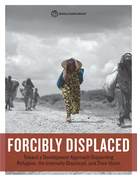
The report depicts the reality of forced displacement as a developing world crisis with implications for sustainable growth: 95 percent of the displaced live in developing countries and over half are in displacement for more than four years. To help the displaced, the report suggests ways to rebuild
...
their lives with dignity through development support, focusing on their vulnerabilities such as loss of assets and lack of legal rights and opportunities. It also examines how to help host communities that need to manage the sudden arrival of large numbers of displaced people, under pressure to expand services, create jobs and address long-standing development issues.
more
Externalising disorders
Chapter D.3
Anxiety disorders
Chapter F.2
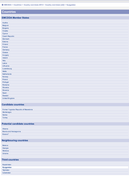
Country overview: Kyrgyzstan
European Monitoring Centre for Drugs and Drug Addiction
(2015)
C2
Miscellaneous
Chapter J.2
Published: February 23, 2010
https://doi.org/10.1371/journal.pmed.1000235
Volume 7 | Issue 2 | e1000235
Autism spectrum disorders & other developmental disorders
World Health Organization
(2013)
C_WHO
From raising awareness to building capacity
Meeting Report
World Health Organization, Geneva, Switzerland 16 -18 September 2013

Deeply concerned by the morbidity and mortality caused by the COVID-19 pandemic, the negative impacts on physical and mental health and social well-being, the negative impacts on economies and societies and the consequent exacerbation of inequalities within and between countries.
...
more
This timely report comes at a decisive moment in history where
we can reshape urban environments and health systems for the
majority of the world’s population that live in cities. Enabling
this transformation are the SDGs, which have reconfigured how
governments and the international community
...
need to plan and
implement actions to eradicate poverty and inequality, create
inclusive economic growth, preserve the planet and improve
population health. Central to this quest is to create equitable,
healthier cities for sustainable development.
more
Drug Policy and the Sustainable Development Goals
Health Poverty Action, International Drug Policy Consortium
(2015)
C2
The Sustainable Development Goals (SDGs) were launched in September 2015, made up of 17 Goals and 169 Targets that set out a plan of action that will shape the mainstream development agenda for the next 15 years1. There has already been much debate about how these Goals will be achieved, but the sig
...
nificant issue of drug policy reform has so far been ignored. This briefing aims to address this gap, to support discussions and demonstrate how global drug control policies are a cross-cutting development issue that impact upon a number of the SDGs.
more

Mental disorders impose an enormous burden on society, accounting for almost one in three years lived with disability globally. •In addition to their health impact, mental disorders cause a significant economic burden due to lost economic output and the link between mental disorders and costly, po
...
tentially fatal conditions including cancer, cardiovascular disease, diabetes, HIV, and obesity.•80% of the people likely to experience an episode of a mental disorder in their lifetime come from low- and middle-income countries.• Two of the most common forms of mental disorders, anxiety and depression, are prevalent, disabling, and respond to a range of treatments that are safe and effective. Yet, owing to stigma and inadequate funding, these disorders are not being treated in most primary care and community settings.
more
