
Filter
2893
Text search:
adult
mortality
Featured
267
863
Language
2755
51
44
41
21
16
13
4
4
2
2
2
2
1
1
1
1
1
1
1
1
1
1
1
1
1
1
Document type
1844
451
346
95
57
46
31
9
6
3
3
2
Countries
185
108
105
99
76
62
62
59
58
56
56
54
51
50
47
47
44
40
40
39
37
34
34
29
27
26
25
24
21
21
17
17
17
16
16
14
14
13
13
12
11
11
10
10
9
9
8
7
7
7
7
7
7
6
6
6
6
5
5
4
4
4
4
4
4
4
4
4
4
4
4
4
4
4
3
3
3
3
3
3
3
3
3
3
3
3
3
2
2
2
2
2
2
2
2
2
2
1
1
1
1
1
1
1
1
1
1
1
1
1
1
1
1
1
1
1
1
1
Authors & Publishers
317
160
158
112
68
61
53
47
40
24
23
22
18
17
17
17
16
16
16
16
15
15
15
15
14
13
13
11
11
11
10
10
10
10
9
9
9
8
8
8
8
8
8
7
7
7
7
7
7
7
7
7
7
6
6
6
6
6
6
6
6
6
6
6
6
5
5
5
5
5
5
5
5
5
5
5
5
5
5
5
5
5
5
5
5
5
5
5
5
5
5
5
5
4
4
4
4
4
4
4
4
4
4
4
4
4
4
4
4
4
4
4
4
4
4
4
4
4
4
4
4
4
4
4
4
4
3
3
3
3
3
3
3
3
3
3
3
3
3
3
3
3
3
3
3
3
3
3
3
3
3
3
3
3
3
3
3
3
3
3
3
3
3
3
3
3
3
3
3
3
3
3
3
3
3
3
3
3
3
3
3
3
3
3
3
3
3
3
3
3
3
3
3
3
2
2
2
2
2
2
2
2
2
2
2
2
2
2
2
2
2
2
2
2
2
2
2
2
2
2
2
2
2
2
2
2
2
2
2
2
2
2
2
2
2
2
2
2
2
2
2
2
2
2
2
2
2
2
2
2
2
2
2
2
2
2
2
2
2
2
2
2
2
2
2
2
2
2
2
2
2
2
2
2
2
2
2
2
2
2
2
2
2
2
2
2
2
2
2
2
2
2
2
2
2
2
2
2
2
2
2
2
2
2
2
2
2
2
2
2
2
2
2
2
2
2
2
2
2
2
2
2
2
2
2
2
2
2
2
2
2
2
2
2
2
2
2
2
2
2
2
2
2
2
2
2
2
2
2
2
2
2
2
2
2
2
2
2
2
2
2
2
2
2
2
2
2
2
2
2
2
2
2
2
2
2
2
2
2
1
1
1
1
1
1
1
1
1
1
1
1
1
1
1
1
1
1
1
1
1
1
1
1
1
1
1
1
1
1
1
1
1
1
1
1
1
1
1
1
1
1
1
1
1
1
1
1
1
1
1
1
1
1
1
1
1
1
1
1
1
1
1
1
1
1
1
1
1
1
1
1
1
1
1
1
1
1
1
1
1
1
1
1
1
1
1
1
1
1
1
1
1
1
1
1
1
1
1
1
1
1
1
1
1
1
1
1
1
1
1
1
1
1
1
1
1
1
1
1
1
1
1
1
1
1
1
1
1
1
1
1
1
1
1
1
1
1
1
1
1
1
1
1
1
1
1
1
1
1
1
1
1
1
1
1
1
1
1
1
1
1
1
1
1
1
1
1
1
1
1
1
1
1
1
1
1
1
1
1
1
1
1
1
1
1
1
1
1
1
1
1
1
1
1
1
1
1
1
1
1
1
1
1
1
1
1
1
1
1
1
1
1
1
1
1
1
1
1
1
1
1
1
1
1
1
1
1
1
1
1
1
1
1
1
1
1
1
1
1
1
1
1
1
1
1
1
1
1
1
1
1
1
1
1
1
1
1
1
1
1
1
1
1
1
1
1
1
1
1
1
1
1
1
1
1
1
1
1
1
1
1
1
1
1
1
1
1
1
1
1
1
1
1
1
1
1
1
1
1
1
1
1
1
1
1
1
1
1
1
1
1
1
1
1
1
1
1
1
1
1
1
1
1
1
1
1
1
1
1
1
1
1
1
1
1
1
1
1
1
1
1
1
1
1
1
1
1
1
1
1
1
1
1
1
1
1
1
1
1
1
1
1
1
1
1
1
1
1
1
1
1
1
1
1
1
1
1
1
1
1
1
1
1
1
1
1
1
1
1
1
1
1
1
1
1
1
1
1
1
1
1
1
1
1
1
1
1
1
1
1
1
1
1
1
1
1
1
1
1
1
1
1
1
1
1
1
1
1
1
1
1
1
1
1
1
1
1
1
1
1
1
1
1
1
1
1
1
1
1
1
1
1
1
1
1
1
1
1
1
1
1
1
1
1
1
1
1
1
1
1
1
1
1
1
1
1
1
1
1
1
1
1
1
1
1
1
1
1
1
1
1
1
1
1
1
1
1
1
1
1
1
1
1
1
1
1
1
1
1
1
1
1
1
1
1
1
1
1
1
1
1
1
1
1
1
1
1
1
1
1
1
1
1
1
1
1
1
1
1
1
1
1
1
1
1
1
1
1
1
1
1
1
1
1
1
1
1
1
1
1
1
1
1
1
1
1
1
1
1
1
1
1
1
1
1
1
1
1
1
1
1
1
1
1
1
1
1
1
1
1
1
1
1
1
1
1
1
1
1
1
1
1
1
1
1
1
1
1
1
1
1
1
1
1
1
1
1
1
1
1
1
1
1
1
1
1
1
1
1
1
1
1
1
1
1
1
1
1
1
1
1
1
1
1
1
1
1
1
1
1
1
1
1
1
1
1
1
1
1
1
1
1
1
1
1
1
1
1
1
1
1
1
1
1
1
1
1
1
1
1
1
1
1
1
1
1
1
1
1
1
1
1
1
1
1
1
1
1
1
1
1
1
1
1
1
1
1
1
1
1
1
1
1
1
1
1
1
1
1
1
1
1
1
1
1
1
1
1
1
1
1
1
1
1
1
1
1
1
1
1
1
1
1
1
1
1
1
1
1
1
1
1
1
1
1
1
1
1
1
1
1
1
1
1
1
1
1
1
1
1
1
1
1
1
1
1
1
1
1
1
1
1
1
1
1
1
1
1
1
1
1
1
1
1
1
1
1
1
1
1
1
1
1
1
1
1
1
1
1
1
1
1
1
1
1
1
1
1
1
1
1
1
1
1
1
1
1
1
1
1
1
1
1
1
1
1
1
1
1
1
1
1
1
1
1
1
1
1
1
1
1
1
1
1
1
1
1
1
1
1
1
1
1
1
1
1
1
1
1
1
1
1
1
1
1
1
1
1
1
1
1
1
1
1
1
1
1
1
1
1
1
1
1
1
1
1
1
1
1
1
1
1
1
1
1
1
1
1
1
1
1
1
1
1
1
1
1
1
1
1
1
1
1
1
1
1
1
1
1
1
1
1
1
1
1
1
1
1
1
1
1
1
1
1
1
1
1
1
1
1
1
1
1
1
1
1
1
1
1
1
1
1
1
1
1
1
1
1
1
1
1
1
1
1
1
1
1
1
1
1
1
1
1
1
1
1
1
1
1
1
1
1
1
1
1
1
1
1
1
1
1
1
1
1
1
1
1
1
1
1
1
1
1
1
1
1
1
1
1
1
1
1
1
1
1
1
1
1
1
1
1
1
1
1
1
1
1
1
1
1
1
1
1
1
1
1
1
1
1
1
1
1
1
1
1
1
1
1
1
1
1
1
1
1
1
1
1
1
1
1
1
1
1
1
1
1
1
1
1
1
1
1
1
1
1
1
1
1
1
1
1
1
1
1
1
1
1
1
1
1
1
1
1
1
1
1
1
1
1
1
1
1
1
1
1
1
1
1
1
1
1
1
1
1
1
1
1
1
1
1
1
1
1
1
1
1
1
1
1
1
1
1
1
1
1
1
1
1
1
1
1
1
1
1
1
1
1
1
1
1
1
1
1
1
1
1
1
1
1
1
1
1
1
1
1
1
1
1
1
1
1
1
1
1
1
1
1
1
1
1
1
1
1
1
1
1
1
1
1
1
1
1
1
1
1
1
1
1
1
1
1
1
1
1
1
1
1
1
1
1
1
1
1
1
1
1
1
1
1
1
1
1
1
1
1
1
1
1
1
1
1
1
1
1
1
1
1
1
1
1
1
1
1
1
1
1
1
1
1
1
1
1
1
1
1
1
1
1
1
1
1
1
1
1
1
1
1
1
1
1
1
1
1
1
1
1
1
1
1
1
1
1
1
1
1
1
1
1
1
1
1
1
1
1
1
1
1
1
1
1
1
1
1
1
1
1
1
1
1
1
1
1
1
1
1
1
1
1
1
1
1
1
1
1
1
1
1
1
1
1
1
1
1
1
1
1
1
1
1
1
1
1
1
1
1
1
1
1
1
1
1
1
1
1
1
1
1
1
1
1
1
1
1
1
1
1
1
1
1
1
1
1
1
1
1
1
1
1
1
1
1
1
1
1
1
1
1
1
1
1
1
1
1
1
1
1
1
1
1
1
1
1
1
1
1
1
1
1
1
1
1
1
1
1
1
1
1
1
1
1
1
1
1
1
1
1
1
1
1
1
1
1
1
1
1
1
1
1
1
1
1
1
1
1
1
1
1
1
1
1
1
1
1
1
1
1
1
1
1
1
1
1
1
1
1
1
1
1
1
1
1
1
1
1
1
1
1
1
1
1
1
1
1
1
1
1
1
1
1
1
1
1
1
1
1
1
1
1
1
1
1
1
1
1
1
1
1
1
1
1
1
1
1
1
1
1
1
1
1
1
1
1
1
1
1
1
1
1
1
1
1
1
1
1
1
1
1
1
1
1
1
1
1
1
1
1
1
1
1
1
1
1
1
1
1
1
1
1
1
1
1
1
1
1
1
1
1
1
1
1
1
1
1
1
1
1
1
1
1
1
1
1
1
1
1
1
1
1
1
1
1
1
1
1
1
1
1
1
1
1
1
1
1
1
1
1
1
1
1
1
1
1
1
1
1
1
1
1
1
1
1
1
1
1
1
1
1
1
1
1
1
1
1
1
1
1
1
1
1
1
1
1
1
1
1
1
1
1
1
1
1
1
1
1
1
1
1
1
1
1
1
1
1
1
1
1
1
1
1
1
1
1
1
1
1
1
1
1
1
1
1
1
1
1
1
1
1
1
1
1
1
1
1
1
1
1
1
1
1
1
1
1
1
1
1
1
1
1
1
1
1
1
1
1
1
1
1
1
1
1
1
1
1
1
1
1
1
1
1
1
1
1
1
1
1
1
1
1
1
1
1
1
1
1
1
1
1
1
1
1
1
1
1
1
1
1
1
1
1
1
1
1
1
1
1
1
1
1
1
1
1
1
1
1
1
1
1
1
1
1
1
1
1
1
1
1
1
1
1
1
1
1
1
1
1
1
1
1
1
1
1
1
1
1
1
1
1
1
1
1
1
1
1
1
1
1
1
1
1
1
1
1
1
1
1
1
1
1
1
1
1
1
1
1
1
1
1
1
1
1
1
1
1
1
1
1
1
1
1
1
1
1
1
1
1
1
1
1
1
1
1
1
1
1
1
1
1
1
1
1
1
1
1
1
1
1
1
1
1
1
1
1
1
1
1
1
1
1
1
1
1
1
1
1
1
1
1
1
1
1
1
1
1
1
1
1
1
1
1
1
1
1
1
1
1
1
1
1
1
1
1
1
1
1
1
1
1
1
1
1
1
1
1
1
1
1
1
1
1
1
1
1
1
1
1
1
1
1
1
1
1
1
1
1
1
1
1
1
1
1
1
1
1
1
1
1
1
1
1
1
1
1
1
1
1
1
1
1
1
1
1
1
1
1
1
1
1
1
1
1
1
1
1
1
1
1
1
1
1
1
1
1
1
1
1
1
1
1
1
1
1
1
1
1
1
1
1
1
1
1
1
1
1
1
1
1
1
1
1
1
1
1
1
1
1
1
1
1
1
1
1
1
1
1
1
1
1
1
1
1
1
1
1
1
1
1
1
1
1
1
1
1
1
1
1
1
1
1
1
1
1
1
1
1
1
1
1
1
1
1
1
1
1
1
1
1
1
1
1
1
1
1
1
1
1
1
1
1
1
1
1
1
1
1
1
1
1
1
1
1
1
1
1
1
1
1
1
1
1
1
1
1
1
1
1
1
1
1
1
1
1
1
1
1
1
1
1
1
1
1
1
1
1
1
1
1
1
1
1
1
1
1
1
1
1
1
1
1
1
1
1
1
1
1
1
1
1
1
1
1
1
1
1
1
1
1
1
1
1
1
1
1
1
1
1
1
1
1
1
1
1
1
1
1
1
1
1
1
1
1
1
1
1
1
1
1
1
1
1
1
1
1
1
1
1
1
1
1
1
1
1
1
1
1
1
1
1
1
1
1
1
1
1
1
1
1
1
1
1
1
1
1
1
1
1
1
1
1
1
1
1
1
1
1
1
1
1
1
1
1
1
1
1
1
1
1
1
1
1
1
1
1
1
1
1
1
1
1
1
1
1
1
1
1
1
1
1
1
1
1
1
1
1
1
1
1
1
1
1
1
1
1
1
1
1
1
1
1
1
1
1
1
1
1
1
1
1
1
1
1
1
1
Publication Years
607
1969
307
9
1
Category
1406
289
195
142
63
41
13
1
Toolboxes
286
202
195
171
102
69
61
59
58
51
51
44
37
37
28
27
11
10
9
7
5
1
Specific measures are being taken within the National Tuberculosis Control Programme (NTP) to address the MDR TB problem through appropriate management of patients and strategies to prevent the propagation and dissemination of MDR TB.
The term "Programmatic Management of Drug Resistant TB" (PMD ... T) refers to programme based MDR TB diagnosis, management and treatment. This guideline promotes full integration of basic TB control and PMDT activities under the NTP, so that patients with TB are evaluated for drug resistance and are placed on the appropriate treatment regimen and properly managed from the outset of treatment, or as early as possible. The guidelines also integrate the identification and treatment of more severe forms of drug resistance, such as extensively drug resistant TB (XDR TB).
At the end, the guideline introduces new standards for registering, monitoring and reporting outcomes of multidrug resistant TB cases. more
The term "Programmatic Management of Drug Resistant TB" (PMD ... T) refers to programme based MDR TB diagnosis, management and treatment. This guideline promotes full integration of basic TB control and PMDT activities under the NTP, so that patients with TB are evaluated for drug resistance and are placed on the appropriate treatment regimen and properly managed from the outset of treatment, or as early as possible. The guidelines also integrate the identification and treatment of more severe forms of drug resistance, such as extensively drug resistant TB (XDR TB).
At the end, the guideline introduces new standards for registering, monitoring and reporting outcomes of multidrug resistant TB cases. more
The prevalence of chronic non-communicable diseases such as diabetes, cardiovascular diseases and cancers has been on the increase in Kenya in the recent past. This has been occasioned by changes in social and demographic situation in the country. The life expectancy
...
in the country is improving, while the country is developing at a rapid pace. This has resulted in people living more years and at the time adopting lifestyles that have negative impacts on their health. This increase in diabetes and other non-communicable diseases has given rise to a double burden of communicable and non-communicable diseases in Kenya
more
Facilitator's Guide
Refresher Training Module for Health Care Providers implementing the MISP
Inter-agency Working Group on Reproductive Health in Crises Training Partnership
Guidelines for the Clinical Management of HIV Infection in Myanmar, 5th ed.
recommended
The Republic of the Union of Myanmar, Ministry of Health, Department of Health, National AIDS Programme
World Health Organization (WHO), Country Office for Myanmar
(2017)
C1
These guidelines aim to guide all health care providers in Myanmar, accommodating the situation of different settings in the context of progressive decentralization of HIV services. Notable changes from the previous edition include:
• diagnosis of HIV
• update on the initiation of ART
... • new ARV drugs and regimens
• new recommendation on infant prophylaxis
• PrEP and PEP updates
• updates on co-infections and comorbidities management
It should be noted that these guidelines are meant for the operational level and are adapted and adopted in line with existing Myanmar context. more
• diagnosis of HIV
• update on the initiation of ART
... • new ARV drugs and regimens
• new recommendation on infant prophylaxis
• PrEP and PEP updates
• updates on co-infections and comorbidities management
It should be noted that these guidelines are meant for the operational level and are adapted and adopted in line with existing Myanmar context. more
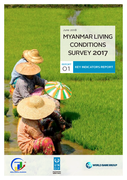
The survey is representative of the Union Territory, its states and regions and urban and rural areas. It was conducted in all the districts and in 296 of the 330 townships of Myanmar. A total of 13,730 households were interviewed. It collects data on the occupations of people, how much income they
...
earn, and how they use this to meet the food, housing, health, education and other needs of their families. The main focus of the survey is to produce estimates of poverty and living conditions, to provide core data inputs into the System of National Accounts and the Consumer Price Index and to support monitoring of the Sustainable Development Goals.
more

Despite improvements in recent years, the prevalence of undernutrition among women and children in Myanmar remains unacceptably high. One in three children are stunted and about 8% are acutely malnourished. Micronutrient deficiencies are common among infants, young children and pregnant women. In fa
...
ct, more than 80% of children 6 to 23 months of age and 70% of pregnant women are anemic. To better understand the determinants of undernutrition and the linkages between food security, livelihoods and nutrition in Myanmar as a whole as well as in specific geographic areas where programs supported by the Livelihoods, Food Security Trust Fund (LIFT) are being implemented, the LEARN project has reviewed food and nutrition security data from the past five years and synthesized relevant findings into this report.
Following the Introduction, Section 2 presents national level data on the food and nutrition security situation in Myanmar in the past five years. Sections 3, 4 and 5 present data on food and nutrition security from the various agro-ecological zones that are of interest to LIFT, namely the Coastal/Delta, Dry, and Uplands. more
Following the Introduction, Section 2 presents national level data on the food and nutrition security situation in Myanmar in the past five years. Sections 3, 4 and 5 present data on food and nutrition security from the various agro-ecological zones that are of interest to LIFT, namely the Coastal/Delta, Dry, and Uplands. more

MYANMAR/BURMA Breaking Barriers: Advocating Sexual and Reproductive Health and Rights
McGuin, Rachael; Nang Lao Liang Won (Researcher)
Asian-Pacific Resource and Research Centre for Women (ARROW)
(2016)
C1
arrow country studies
Political developments in Myanmar/Burma prompted the Asian-Pacific Resource and Research Centre for Women (ARROW) in 2013 to undertake a small-scale scoping study to re-evaluate and refine its advocacy strategies for sexual and reproductive health and rights (SRHR), and to s ... trengthen partnerships for advocacy with civil society organisations (CSO) working on SRHR in the country. The study aimed to identify the status of and the potential for SRHR advocacy by CSOs in Central Myanmar/Burma and in Eastern states along the Thai-Myanmar/Burma border, and increase the current knowledge base on SRHR issues, gaps, and challenges. more
Political developments in Myanmar/Burma prompted the Asian-Pacific Resource and Research Centre for Women (ARROW) in 2013 to undertake a small-scale scoping study to re-evaluate and refine its advocacy strategies for sexual and reproductive health and rights (SRHR), and to s ... trengthen partnerships for advocacy with civil society organisations (CSO) working on SRHR in the country. The study aimed to identify the status of and the potential for SRHR advocacy by CSOs in Central Myanmar/Burma and in Eastern states along the Thai-Myanmar/Burma border, and increase the current knowledge base on SRHR issues, gaps, and challenges. more
Version-1, June 2018
This document provides 3MDG stakeholders with essential information on SRHR indicators, derived from the 3MDG Logical Framework, Data Dictionary for Health Service Indicators (2014 June, DoPH, MoHA), A Guide to Monitoring and Evaluating Adolescent Reproductive Health Progra ... ms (MEASURE Evaluation, June 2000) and Monitoring National Cervical Cancer Prevention and Control Programmes (WHO, PAHO, 2013). Partners are strongly encouraged to integrate the SRHR indicators into their ongoing monitoring and evaluation (M&E) activities.
These indicators are designed to help partners assess the current state of their activities, their progress towards achieving their targets, and contribution towards the national response. This guideline is designed to improve the quality and consistency of data collected at the township level, which will enhance the accuracy of conclusions drawn when the data are aggregated. more
This document provides 3MDG stakeholders with essential information on SRHR indicators, derived from the 3MDG Logical Framework, Data Dictionary for Health Service Indicators (2014 June, DoPH, MoHA), A Guide to Monitoring and Evaluating Adolescent Reproductive Health Progra ... ms (MEASURE Evaluation, June 2000) and Monitoring National Cervical Cancer Prevention and Control Programmes (WHO, PAHO, 2013). Partners are strongly encouraged to integrate the SRHR indicators into their ongoing monitoring and evaluation (M&E) activities.
These indicators are designed to help partners assess the current state of their activities, their progress towards achieving their targets, and contribution towards the national response. This guideline is designed to improve the quality and consistency of data collected at the township level, which will enhance the accuracy of conclusions drawn when the data are aggregated. more

Maternal and child malnutrition is a significant public health problem in South Sudan. Among children aged 6-59 months, 31% are stunted, 28% are underweight, and nearly 23% are acutely malnourished of which 13% are estimated to suffer from moderate acute malnutrition and 10% from severe acute malnut
...
rition.
Overall, South Sudan’s nutrition situation is worrisome, with GAM persistently above the emergency threshold in the Greater Upper Nile, Northern Bahr el Ghazal and Warrap states. Though data on micronutrient deficiencies is scanty, Vitamin A Supplementation (VAS) among children 6-59 months stood at only 2.6% in 2010, showing low uptake (SHHS, 2010). This is against a backdrop of high morbidity levels and a negligible proportion of children 6 to 23 months receiving at least the recommended minimum acceptable diet. In order to ensure optimal child growth, it is essential to ensure good nutrition and basic health care from pregnancy through two years of age (the first 1000 days). more
Overall, South Sudan’s nutrition situation is worrisome, with GAM persistently above the emergency threshold in the Greater Upper Nile, Northern Bahr el Ghazal and Warrap states. Though data on micronutrient deficiencies is scanty, Vitamin A Supplementation (VAS) among children 6-59 months stood at only 2.6% in 2010, showing low uptake (SHHS, 2010). This is against a backdrop of high morbidity levels and a negligible proportion of children 6 to 23 months receiving at least the recommended minimum acceptable diet. In order to ensure optimal child growth, it is essential to ensure good nutrition and basic health care from pregnancy through two years of age (the first 1000 days). more

Maternal, Infant and Young Child Nutrition Strategic Actions:
1 Endorse and disseminate key policies and regulations
2 Improve maternal nutrition
3 Protect, promote, and support optimal infant and young child feeding practices
4 Support optimal infant and young child feeding in ... difficult circumstances
5 Ensure intra-sectoral integration (Health and Nutrition)
6 Improve intersectoral integration (food security and livelihood, WASH, protection, education and shelter)
7 Support capacity building and service strengthening
8 Initiate advocacy and social behavioural change communication
9 Sustain research, information, monitoring and evaluation
10 Mobilise resources and support more
1 Endorse and disseminate key policies and regulations
2 Improve maternal nutrition
3 Protect, promote, and support optimal infant and young child feeding practices
4 Support optimal infant and young child feeding in ... difficult circumstances
5 Ensure intra-sectoral integration (Health and Nutrition)
6 Improve intersectoral integration (food security and livelihood, WASH, protection, education and shelter)
7 Support capacity building and service strengthening
8 Initiate advocacy and social behavioural change communication
9 Sustain research, information, monitoring and evaluation
10 Mobilise resources and support more
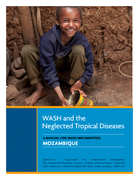
This manual is intended to enable WASH practitioners
who work in Mozambique to contribute to the
reduction of WASH-preventable NTDs.
Accessed Sept, 5 2018
Weekly epidemiological record, Relevé épidémiologique hebdomadaire : Vol.93 (2018) No.13
TB remains one of the world’s deadliest infectious diseases, second only to COVID-19, and drug-resistant TB strains are still a major concern. In the fight against TB, urgent investment is critical, especially in the context of the ongoing pandemic.

Anaesthesia Handbook
recommended
The aim of this handbook is to provide guidance for trained anaesthetists working for the ICRC and to offer advice in areas where practice will differ from that in their home country. It is designed to supplement the practical training given in ICRC war-surgery seminars and to support the work of th
...
e ICRC in war surgery
more
WHO TRS N°1012.
Key updates include: (i) surveillance strategies, including cross-sectoral linking of systems and suitable diagnostics; (ii) the latest recommendations on human and animal immunization; (iii) palliative care in lowresource settings; (iv) risk assessment to guide management of bite
...
victims; and (v) a proposed process for validation and verification of countries reaching zero human deaths from rabies.
more

People younger than 20 years comprise 35% of the global population and 40% of the global population of least-developed nations. The number of children - neonates, infants, children, and adolescents up to 19 years of age - who need pediatric palliative care (PPC) each year may be as high as 21 millio
...
n. Another study found that almost 2.5 million children die each year with serious health related suffering and that more than 98% of these children are in low- and middle-income countries (LMICs) (3). While estimates differ, there is no doubt that there is an enormous need for prevention and relief of suffering among children - for PPC.
more
